

A vegetable bed without mulch is a thirsty, weedy, sun-baked patch of regret. The right cover locks in moisture, feeds the soil as it breaks down, and keeps tomatoes, peppers, and leafy greens cooler through the hottest weeks. This roundup looks at eight mulches worth considering for raised beds, in-ground plots, and container gardens, with notes on what each one actually does once it’s spread out.
A Snapshot Of The Selections

SuperMoss Coco Mulch 200 in3 Natural Brown

Legigo 2 Pack Coco Chips 2.2lb

HealthiStraw GardenStraw 3 cu ft Wheat Straw

Blue Mountain Hay Organic Garden Straw 5lb

Acostop Natural Dry Wheat Straw Mulch
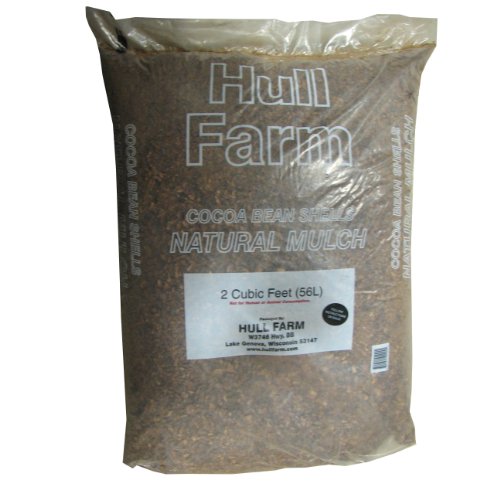
Hull Farm 50150 Cocoa Bean Shell 2 cu ft

Plantonix Coco Bliss 650gm Bricks 6-Pack

Halatool 2 Pcs Coco Husk Chips 2.2 lb
A Closer Look At Each Pick
Compact coconut-husk mulch is the smallest volume in this roundup, and that’s its whole appeal for tight spaces. A 200 cubic-inch bag goes a long way over a few herb pots or the rim of a strawberry planter where you want a tidy, brown finish without hauling a giant bale.
Coir mulch like this tends to hold moisture well and break down slowly, adding organic matter to the top inch of soil over a season. For container herb gardens on a patio, it’s a cleaner alternative to bark or straw because the fibers don’t drift as easily in the wind.
Advantages To Know
- Coir fibers absorb and hold water, which keeps soil moisture more even between waterings.
- The natural brown color gives containers a finished look without dyes or synthetic additives.
- Slow decomposition means a single application typically lasts most of a growing season.
- Lightweight bag is easy to carry and store on a balcony or in a small shed.
Trade-Offs Worth Knowing
- The 0.12 cubic foot volume runs out fast on anything larger than a couple of small pots.
- Coir can crust over when dry, so occasional fluffing with a hand fork helps water reach the roots.
Right Fit For
Urban container gardeners growing herbs or compact veggies in just a few small pots.
Reach For A Different Pick When
Anyone tending a full raised bed should look at the larger HealthiStraw GardenStraw bag instead for better coverage.
Coco chips are chunkier than fine coir mulch, which makes them especially useful where drainage matters as much as moisture retention. The two-brick format gives a small garden enough volume to top-dress several containers or one modest raised bed.
The husks are screened, desalted, and rinsed, so the salt level (often labeled EC, or electrical conductivity, a measure of soluble salts) stays low enough for sensitive seed starts and young vegetable transplants. For most home growers, that pre-processing removes the rinse-and-drain step that raw coir usually demands.
Strengths Worth Knowing
- Chunky texture improves airflow at the soil surface, helping prevent crown rot in heavy feeders like tomatoes.
- Pre-rinsed processing means you can hydrate and use the bricks almost immediately.
- Coir chips resist compaction better than fine mulch, so water soaks in instead of running off.
- Two-pack format suits small projects without forcing you to buy a bulk bale.
Things To Consider
- At 2.2 pounds total, coverage is limited for anything bigger than a single small raised bed.
- Chips break down faster when mixed into the soil, so a yearly top-up is likely.
Key Product Details
Perfect Match For
Vegetable gardeners starting seeds or repotting transplants who want a clean, low-salt growing medium.
Consider Something Else When
Covering a large in-ground plot would call for the bigger Plantonix Coco Bliss 6-pack instead.
Wheat straw is one of the most forgiving mulches for a working vegetable garden, and this 3 cubic foot bale covers a serious amount of bed space. The straw is filtered to remove most dust, dirt, and grain seeds, which matters because ordinary straw can introduce volunteer wheat sprouts into your rows.
Straw spreads light and fluffy, then settles into a tidy mat that shades the soil and slows evaporation. Because it’s mostly carbon, it pulls nitrogen from the top layer as it decomposes, so most growers top-dress with a light nitrogen feed when turning it under at season’s end.
Real-World Strengths
- A thick straw layer cuts watering frequency noticeably during midsummer heat.
- Cleanup and seed filtering means fewer surprise grasses popping up in cucumber hills.
- Breaks down quickly enough to feed compost piles while still lasting a full season on the bed.
- Works in vegetable rows, herb beds, around fruit bushes, and even as a light top-dress over a new lawn repair.
Honest Caveats
- Bales are bulky to receive and store; plan a dry corner of the garage before ordering.
- Loose straw can migrate in heavy rain or strong wind unless laid at least 3 inches thick.
Feature Snapshot
Who It Suits Best
Home growers with one or more full-size raised beds who want a single mulch that handles most crops.
A Better Fit Elsewhere
Container-only gardeners with no in-ground beds may prefer the smaller SuperMoss Coco Mulch bag.
A small bale like this 5-pounder is a smart buy for quick top-dressings and patch jobs rather than a full-bed overhaul. You can refresh a thin spot in a strawberry patch or tuck straw around a few new transplants without committing to a giant bale.
Straw at this weight is easy to carry one-handed, which makes it useful for gardeners with limited storage space or anyone who wants to avoid wrestling a 40-pound bale through a side gate. The trade-off is that coverage tops out around a small bed or a handful of containers.
Useful Highlights
- Compact 5-pound format is easy to handle and store.
- Organic straw suits growers avoiding treated or dyed mulches around edibles.
- Quick top-up option for beds that already have a base layer of mulch.
Small Limitations
- 5 pounds covers only a modest area, so larger beds need multiple bales.
- Lightweight straw can blow around on exposed sites unless laid thick and watered in.
Technical Reference
Best Suited To
Gardeners who want a small, manageable straw supply for touch-ups rather than a full seasonal mulch layer.
Where Another Pick Suits Better
Anyone covering an entire vegetable garden at once will find the larger HealthiStraw GardenStraw more efficient.
Sun-dried wheat straw is the classic spring-prep mulch, and this option markets itself as a chemical-free, weed-seed-free material suitable for food gardens and even animal shelters. For vegetable beds, it spreads light and gives you that golden top-dressed look without dye or synthetic binders.
Because it breaks down through the season, Acostop straw can be turned into the bed at season’s end, adding carbon to the compost pile. It also handles double duty for gardeners who keep chickens or rabbits, since the same bale can top a coop floor or line a hutch.
Practical Advantages
- Sun-drying reduces moisture content, so the straw is lighter to carry and ready to spread.
- Chemical-free processing suits organic gardening standards for food crops.
- Multipurpose format works in beds, compost bins, and small animal enclosures.
Where It May Fall Short
- Straw mats down with rain and may need fluffing to keep airflow under leafy greens.
- Coverage depends heavily on bale size, which can vary between shipments.
Made For
Vegetable gardeners who also keep small livestock or want a single straw product that serves multiple yard jobs.
Swap It Out When
Anyone prioritizing a tightly cleaned, seed-screened straw should compare it with the HealthiStraw GardenStraw option.
Cocoa bean shell mulch is the chocolate-scented mulch that doubles as a decorative top dressing. The shells carry a mild nutrient profile, roughly 2.5-1-3 (nitrogen, phosphorus, potassium), so they feed the bed gently without the burn risk that some fresh wood mulches carry.
Two cubic feet is enough for a small decorative bed or a modest veggie plot, and the shells break down over a season or two. They look tidy around edible ornamentals like Swiss chard or rainbow chard where the foliage is part of the show.
Features That Help
- Built-in mild fertilizer value feeds soil gradually as shells decompose.
- Rich brown color and fine texture give beds a polished, finished look.
- Low burn risk around young vegetable transplants.
Practical Considerations
- Cocoa shells are toxic to dogs if ingested in quantity, so avoid around curious pets.
- Fine shells can compact in heavy rain and may need occasional raking to stay fluffy.
Product Snapshot
Who Will Love This
Vegetable gardeners who want their edible beds to look as polished as the rest of the landscape.
Look Elsewhere When
Pet households with roaming dogs should reach for the straw-based options instead.
Six compressed bricks add up to serious mulch volume once hydrated, which makes this format a fit for gardeners managing several beds or a long season of seed starting. Each brick expands into several quarts of fluffy coir.
The brand markets an OMRI listing, meaning the coir meets organic-input review standards, and the bricks go through multiple screening passes to filter out fiber, sand, and rock debris. For most home growers, that pre-cleaning is the difference between a quick rehydration and an hour of picking debris out by hand.
What Pays Off
- Six-brick pack covers a full season across multiple beds or containers.
- Multi-stage screening leaves cleaner coir with less manual rinsing.
- Compressed format stores neatly on a shelf until needed.
Worth Bearing In Mind
- Each brick needs to be soaked in water before use, which takes planning and a large bucket.
- Six packs can be more material than a single small garden needs in one season.
Whose Shelf It Belongs On
Active gardeners running a rotation of beds and seed trays who want a steady supply on hand.
Skip It When
A first-time grower with one small bed will find a single bag of straw simpler to start with.
Coco husk chips in two compressed bricks offer a middle ground between fine coir mulch and chunky bark. Each brick is sized to expand into about 7 quarts, which is a manageable starting volume for a new raised bed.
The chips are described as having low EC (electrical conductivity, a measure of soluble salts that can stress seedlings) and balanced pH, so they’re safer to use directly around transplants than untreated raw coir. For most new gardeners, that built-in balance removes the guesswork around buffering the medium before planting.
What Stands Out
- pH-balanced and low-salt formulation suits direct contact with seedlings and transplants.
- Two compact bricks fit on a shelf and expand only when needed.
- Chip texture keeps soil aerated under heavy feeders like squash and peppers.
A Few Limitations
- Expanded volume of about 14 quarts covers one small bed, not an entire garden.
- Chips decompose faster once mixed into the soil, so plan for seasonal refresh.
Built With In Mind
New gardeners building their first raised bed who want a forgiving, ready-to-use mulching medium.
Not Your Match When
Experienced growers managing multiple large beds should reach for the Plantonix Coco Bliss 6-pack for fuller coverage.
Picking Mulch That Actually Works In A Vegetable Bed
The right mulch for a vegetable garden depends on the crop, the climate, and how often you want to refresh. Straw and wheat-straw mulches shine in vegetable rows because they break down fast enough to feed compost at season’s end. Coir and coco chip mulches last longer but add less bulk organic matter to the bed over time.
Match The Mulch To The Crop
Tomatoes, peppers, and squash benefit from a thicker layer (3 to 4 inches) of straw or chips that keeps soil cool and moist. Leafy greens and root crops do well with a lighter 1 to 2 inch cover that warms the soil in spring and prevents crusting after rain.
Think About How You Tend The Bed
For organic gardening standards, look for untreated straw or OMRI-listed coir that doesn’t introduce chemicals into food crops. Heavier feeders like corn and brassicas appreciate mulch that breaks down quickly and adds carbon back to the compost pile.
Consider Storage And Refresh Cycle
Bales and bulk bags need a dry corner to stay usable through the season, while compressed coir bricks store on a shelf and expand only when you need them. Plan for at least one mid-season top-up if your bed gets heavy rain or foot traffic.
Key Considerations Across These Picks
Common Shopping Slip Ups
Underestimating volume is the most frequent mistake, since a fluffy straw bale settles to roughly half its bagged volume once spread. Skipping the salt-check on coir products can also burn young roots, so look for pre-rinsed or low-EC labeling whenever a bed holds seedlings.
What The Higher Tier Buys
A larger bale or a six-pack of compressed bricks typically buys you a screened, cleaner material with less dust and fewer stray seeds. For most home gardeners, that premium shows up as fewer surprise weeds and less time spent rinsing debris out of the medium before spreading it.
Frequently Asked Questions
How Often Should Mulch Be Replaced On A Vegetable Garden?
A light refresh once per season usually keeps a vegetable bed covered, with full replacement yearly for straw and every two to three years for slower-decomposing coir chips. Heavy feeders and beds with foot traffic may need an extra mid-season top-up.
Can Mulch Attract Pests To A Vegetable Garden?
Thick straw or wood mulch can shelter slugs and rodents near the soil line, especially in damp conditions. Keeping mulch a few inches away from plant stems and turning it under at season’s end helps limit pest buildup.
Is Straw Or Coco Mulch Better For Vegetable Gardens?
Straw is lighter, cheaper by volume, and breaks down fast to feed compost, which suits annual veggie rotations. Coco mulch holds moisture longer and resists compaction, which suits containers and beds with drainage issues.
How Thick Should Mulch Be Applied Around Vegetables?
A 1 to 2 inch layer works for fine mulches around seedlings, while 3 to 4 inches suits straw and chips around established plants. Thicker layers can smother young stems or hold too much moisture against vulnerable crops.
Does Mulch Affect Soil Temperature In A Vegetable Bed?
Light-colored straw reflects heat and keeps soil cooler through midsummer, which helps cool-season crops like lettuce and spinach. Dark mulches like cocoa shells absorb heat and warm the bed earlier in spring for heat-loving tomatoes and peppers.
Closing Remarks
Mulching a vegetable bed is one of the few garden chores that pays you back all season, in fewer weeds, steadier moisture, and richer soil at year’s end. Match the material to the bed you tend, refresh as needed, and the rest of the season tends to take care of itself.
