

The right mulch around a tree does quiet, unglamorous work: it locks in moisture, keeps the soil temperature steady through hot summers, suppresses weeds that would steal water, and breaks down slowly into organic matter that feeds the root zone. Picking the wrong material, or applying it badly, can hold moisture against the trunk and invite rot. This list covers eight tree-focused mulches worth your attention in 2026, from coconut coir chips and pine straw to rubber mulch rings and biodegradable weed barriers.
The Essentials At A Glance

SuperMoss (23261) Coco Mulch, Natural Brown

HealthiStraw GardenStraw 3 cu ft Wheat Straw Mulch

Rocky Mountain 30-Inch Tree Mulch Ring (4-Pack)

Halatool Coco Husk Chips 2-Pack (2.2 lb)

SYWHXY Non-Woven Tree Mulch Ring 8-Pack
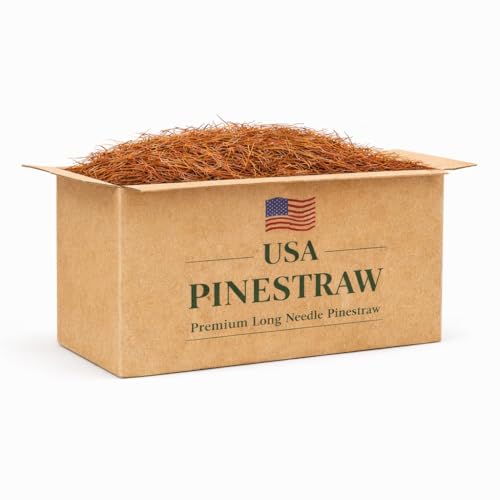
USA Pinestraw Long Needle Pine Straw Mulch

PlantBest Coco Mulch Compressed Block 9.1 lb

Soil Sunrise Pine Bark Mulch Nuggets 30 Quarts
What Each Pick Brings To The Table
If your tree lives in a patio container or a small raised bed, a full bale of mulch feels like overkill. The SuperMoss Coco Mulch comes as a compact brick of natural brown coconut coir, sized for tight spaces where you want a tidy, finished look without hauling a heavy bag from the driveway.
Coconut coir holds water differently than bark or straw. It absorbs moisture and slowly releases it back into the root zone, which helps during dry stretches when container-grown trees dry out fast. The natural brown color stays consistent through the season, and the texture reads more like a polished decorative mulch than a rough agricultural byproduct.
Why It Works Well
- Compact format is easy to store in a garage or shed until you need it.
- Coir fibers release moisture gradually, easing watering chores during summer heat.
- Natural brown tone blends with bark and stone landscaping without clashing.
- Lightweight compared to gravel or rubber alternatives in the same volume.
Things To Consider
- The 0.12 cu ft volume covers only a small area, so larger trees need multiple bricks.
- Coir can crust on top if you let it dry out fully between waterings, reducing absorption.
Key Specs
Best Suited To
Apartment gardeners and patio growers tending small ornamental or citrus trees in containers who want a tidy, moisture-friendly mulch without committing to a full bale.
Skip It When
You need to mulch a row of landscape trees at once; the larger HealthiStraw GardenStraw or PlantBest Coco Mulch Block cover much more ground per purchase.
Straw gets a bad rap as messy farm bedding, but cleaned wheat straw is one of the most practical mulches around young trees. The HealthiStraw GardenStraw comes in a 4-pack totaling 3 cu ft, and it has been filtered to knock down dust and stray seed content before it lands in your yard.
Straw works best as a seasonal top layer that you refresh once or twice a year. Around a newly planted sapling, a 2 to 3 inch blanket holds rain in place long enough for the roots to drink, and it shades the soil so weeds struggle to germinate. When the straw starts to break down, you can work the leftover bits into the soil to add carbon to your compost or directly into the bed.
Good Reasons To Consider
- Large 3 cu ft volume covers several young trees or a wide planting bed.
- Thoroughly cleaned to reduce dust and unwanted grain seeds sprouting in your mulch ring.
- Breaks down into carbon-rich organic matter that improves soil structure over a season.
- Suitable for vegetable beds, so you can use leftovers in the garden without splitting products.
Points To Note
- Straw decomposes faster than bark or pine straw, meaning you reapply more often.
- Light color reflects sun and can look pale in formal landscape beds; not a sleek decorative finish.
- Bales arrive compressed, so plan storage space for four separate bags.
Whose Shelf It Belongs On
Home orchard owners and new-tree planters who want an inexpensive, compost-friendly mulch to spread over several saplings in one go.
Look Elsewhere When
You want a tidy, long-lasting decorative ring; the Rocky Mountain Tree Mulch Ring delivers a cleaner look that holds its shape for years.
Loose mulch drifts, fades, and disappears into the lawn by midsummer. The Rocky Mountain Tree Mulch Ring takes a different approach: a 30-inch recycled rubber mat that sits flat around the trunk, blocks weeds, and stays put through weather and mowing.
For established landscape trees where you mow weekly, this kind of ring earns its keep. The rubber sits low enough that mower wheels pass over without catching or throwing debris, unlike coir mats that shred. Water still seeps through to the root zone at roughly the same rate as bare soil, so the ring does not act like a rain shield that starves the tree.
Key Advantages
- Recycled rubber construction holds shape for years without fading or breaking apart.
- Mower-safe profile means no stopping to edge around each tree on cutting day.
- Permeable design lets rainwater and irrigation reach roots at natural rates.
- No staples required; weight of the mat keeps it in place on flat ground.
Honest Caveats
- Rubber does not enrich the soil; you lose the slow-feeding benefit of bark or straw.
- Heavier to position than fabric mats, so installation takes more effort on larger trees.
- Dark color absorbs summer heat, which may not suit trees in full afternoon sun in hot climates.
Made For
Homeowners with established shade or ornamental trees who mow regularly and want a low-maintenance weed barrier that lasts multiple seasons.
Consider Something Else When
You want to feed the soil as you mulch; pine straw from USA Pinestraw breaks down and improves the bed over time in a way rubber cannot.
Where finely shredded coir mulch holds moisture at the surface, coco husk chips create air pockets deeper in the root zone. Halatool ships two compressed bricks of mature coconut husk, each weighing about 1.1 lb and expanding to roughly 7 quarts once you add water.
The chunkier texture is what makes these chips useful around trees in raised beds or large planters. Water drains through the gaps instead of pooling, and the chips resist compaction longer than finer mulches. Low electrical conductivity (EC) and balanced pH make the chips friendly to young roots that would otherwise struggle in overly acidic or salty media.
Useful Strengths
- Chunk format improves aeration in dense or compacted soil around tree roots.
- pH-balanced and low EC, so sensitive saplings avoid salt or acid stress early on.
- Compressed bricks save shelf space and expand predictably when rehydrated.
- Organic material breaks down over time to feed beneficial soil microbes.
Trade Offs
- Larger chip size means they float briefly until saturated, so water slowly when first applying.
- Total volume after expansion is modest; large trees with wide root zones need more than one 2-pack.
Perfect Match For
Hobbyists and small-scale growers tending trees in raised beds, large containers, or mixed herb plantings where drainage matters more than surface coverage.
Reach For A Different Pick When
You are mulching a row of in-ground trees and want simpler, faster coverage; the PlantBest Coco Mulch Block expands to a much larger ready-to-spread volume per block.
Young fruit trees and ornamentals with trunks under a couple of inches across need a smaller ring than the 30-inch versions designed for mature trees. The SYWHXY 8-Pack provides 16.5-inch non-woven weed barrier mats with metal stakes, sized for the first few seasons when a tree’s root zone is still tight to the trunk.
The non-woven fabric breathes, so moisture moves through instead of puddling on top, and it blocks the light that weed seeds need to germinate. Installation is straightforward: cut a slit to the center opening, slip it around the trunk, and pin it down with the included stakes. Because the material is biodegradable, you do not have to retrieve it years later when the tree outgrows the ring.
Practical Pluses
- Eight-pack covers a small orchard or several newly planted saplings in one order.
- Breathable non-woven fabric prevents the soggy collar that can rot young bark.
- Biodegradable material saves cleanup work when the tree outgrows the ring.
- Includes metal stakes so you do not hunt for separate anchoring hardware.
Soft Spots
- 16.5-inch diameter limits use to small trunks; mature trees need a larger size.
- Fabric breaks down in one to two seasons under full sun, so plan to replace annually.
The Right Fit
First-time tree planters establishing an orchard row or a few specimen saplings who need a quick, affordable weed barrier that breathes well around thin trunks.
Not Your Match When
Your trees already have calipers over two inches; the Rocky Mountain 30-Inch Tree Mulch Ring fits larger trunks and lasts far longer.
Pine straw has been the mulch of choice across the American Southeast for generations, and for good reason. USA Pinestraw harvests long-needle straw from sustainable pine forests and bales it for shipping, with a single set covering roughly 65 to 80 square feet at a 2 to 3 inch depth.
The long needles lock together like roof shingles once settled, which is why pine straw holds its place on slopes and through heavy rain better than finely shredded mulches. Slightly acidic pH suits acid-tolerant trees such as dogwoods, magnolias, and blueberries, though it is generally fine for most landscape trees in moderation. As the needles age, they break down into a soft, organic mat that adds structure to the underlying soil.
Positive Takeaways
- Interlocking needles resist washout on slopes and during heavy rain.
- Sourced from sustainable pine forests, so the supply is renewable on a short cycle.
- Light golden color brightens shaded beds where darker mulches disappear.
- Breaks down gradually, enriching the soil without sudden nitrogen drawdown.
Worth Bearing In Mind
- Loose needles migrate in high wind until settled, so plan to water them in after spreading.
- Acidic profile means you should not pile it thickly around neutral or alkaline-soil trees.
Key Specs
Built With In Mind
Southern landscapers and gardeners growing acid-loving ornamentals who need a slope-friendly mulch that breaks down into soil-enriching organic matter.
A Better Fit Elsewhere
You are mulching trees in tight urban tree pits where blowing straw becomes a nuisance; the Rocky Mountain rubber ring stays put without migration.
Dragging home a stack of mulch bags from the garden center is the hardest part of mulching day. The PlantBest Coco Mulch Compressed Block solves that with a single 9.1 lb brick that expands to roughly 64 quarts, or about 17.5 square feet of coverage at standard depth, once you add water.
The rehydration step is part of the appeal. You drop the brick in a wheelbarrow or large tub, add water, and watch it break apart into light, fluffy mulch that is ready to spread within minutes. The finished mulch behaves like the SuperMoss option but at a much larger scale, suited to a mid-size tree installation or a fresh landscape bed refresh.
What Makes Sense
- One block replaces several heavy bags, simplifying transport and storage.
- Expansion ratio of about 7 to 1 means a small footprint grows into real coverage.
- Organic coconut coir improves moisture availability around tree roots.
- Works for landscaping, garden beds, and tree wells alike without splitting products.
Practical Considerations
- Rehydration adds a step; you need a tub or wheelbarrow and a few minutes of waiting.
- Coir dries out on top between waterings, so plan a quick refresh in hot weather.
Key Specs
Who Should Grab It
DIY landscapers refreshing a mid-size tree installation or several smaller beds who want to skip the heavy bag haul without sacrificing organic coverage.
Swap It Out When
You need to mulch a large new planting across a half acre; multiple HealthiStraw bales cover wider ground faster at a lower cost per square foot.
Small nuggets of pine bark serve a different role than fluffy coir or loose straw. Soil Sunrise packages 30 quarts (about 1 cubic foot) of half-inch pine bark pieces that look tidy in decorative containers and add drainage to indoor and outdoor pots.
The half-inch size stays in place better than shredded mulch, so a top dressing on a potted patio tree does not wash off during overhead watering. Indoors, the same nuggets double as a soil topper that helps the potting mix hold moisture while keeping the surface from crusting. There are no added fertilizers or pesticides, which matters for houseplants and edible patio trees.
A Favorable Mix
- Half-inch nuggets resist washout better than shredded mulch in container settings.
- Works for both indoor houseplants and outdoor potted trees without changing products.
- No added fertilizers or pesticides makes it safer around edible patio trees.
- Natural pine bark improves drainage at the root zone over time.
Room For Improvement
- 1 cu ft volume is best for small jobs; large landscape trees need many bags to cover a wide ring.
- Pine bark breaks down slowly, so any leveling or top-ups take longer to blend in.
Who Will Love This
Balcony and patio gardeners with potted dwarf citrus, fig, or ornamental trees who want a tidy, decorative mulch that doubles as a soil supplement indoors.
Where A Sibling Pick Shines
You need to cover a wide in-ground tree ring; USA Pinestraw covers 65 to 80 square feet per bale, while Soil Sunrise fits smaller container work.
How To Pick Mulch That Actually Helps Your Tree
Match the Mulch to the Root Zone
A young sapling has a tight root zone close to the trunk, so a small 16-inch ring fits the bill. A mature shade tree spreads roots well beyond the canopy drip line, which means a wide blanket of loose mulch or a large rubber ring serves the tree better. Before you buy, measure the trunk caliper and the radius you want to cover.
Decide What the Mulch Needs To Do
Different mulches solve different problems. Coconut coir and wheat straw feed the soil as they break down. Pine straw and pine bark acidify the soil gently while locking in moisture. Rubber and fabric rings block weeds without feeding anything. Clarifying whether you need nutrition, weed control, slope stability, or decoration narrows the list fast.
Think About Lifespan and Reapplication
Straw and coir break down within a season and need refreshing. Pine bark and pine straw last longer but eventually disappear into the soil too. Rubber rings and biodegradable weed mats hold their shape for years, which lowers yearly effort but eliminates soil enrichment. For most home landscapes, a blend of organic mulch on top of a barrier ring gives the best of both worlds.
Avoid Mulch Volcanoes Around the Trunk
Whatever you choose, keep it a few inches away from the trunk itself. Piling mulch against the bark traps moisture and invites rot, insects, and disease. A donut shape with a clear trunk collar is the goal, not a cone that climbs the trunk.
What Trips Up First-Time Mulchers
Common Shopping Slip Ups
The most common mistake is buying the wrong volume for the project. A small bag looks like a deal until you realize it covers two trees instead of the eight you planned to mulch. Measure the radius around each tree, calculate the square footage, and buy 10 to 15 percent more than you think you need to account for settling.
Why Top Tier Costs More
Premium mulches like compressed coco blocks and cleaned wheat straw cost more per bag because of the processing involved, whether that’s compressing, cleaning, or responsibly sourcing. The upgrade typically buys you cleaner material, more consistent texture, and packaging that is easier to handle. You pay more up front, but the time savings and the absence of weed seeds often justify the difference over multiple applications.
Frequently Asked Questions
How Thick Should Mulch Be Around a Tree?
A 2 to 4 inch layer works for most trees. Thinner than 2 inches lets weeds through and loses moisture too fast. Thicker than 4 inches can suffocate roots and hold too much water against the trunk.
Should Mulch Touch the Tree Trunk?
No. Leave a 2 to 4 inch gap between the mulch and the bark so the root collar can breathe. Direct contact invites rot and gives voles and insects a place to hide.
Is Rubber Mulch Safe for Trees?
Rubber rings work well as a weed barrier on top of the soil, but they do not feed the tree the way organic mulches do. For young trees that need soil enrichment, layer organic mulch under the rubber, or skip rubber entirely.
How Often Should I Refresh Mulch Around Trees?
Organic mulches like straw, coir, and pine bark typically need a top-up once or twice a year. Rubber rings and non-woven fabric rings last several seasons before they need attention.
Can I Mix Different Mulches Together?
Yes. A layer of pine straw or bark over a fabric or rubber barrier combines weed control with soil enrichment. Just keep the layered blend a few inches away from the trunk.
Wrap Up
A good tree mulch is less about the brand and more about matching material to the job. Container trees love tidy bark nuggets and compact coir, saplings thrive under clean wheat straw, and established landscape trees benefit from long-lasting rubber rings or slope-friendly pine straw. Pick the format that fits your trees, your soil, and your maintenance style, and refresh the organic layer each season to keep the root zone cool, moist, and weed-free.
