

Potted tomatoes dry out fast, lose nutrients with every watering, and struggle when roots cook in hot summer sun. A layer of the right mulch keeps moisture in, stabilizes soil temperature, and slowly feeds the root zone without locking the container into a soggy mess. This guide focuses on materials that actually work in confined root systems rather than big garden beds, so you get practical options sized for balconies, patios, and small backyards.
The Shortlist At A Glance

SuperMoss 23261 Coco Mulch, Natural Brown

Legigo 2 Pack Coco Chips for Plants

HealthiStraw GardenStraw 3 cu ft All-Natural Mulch
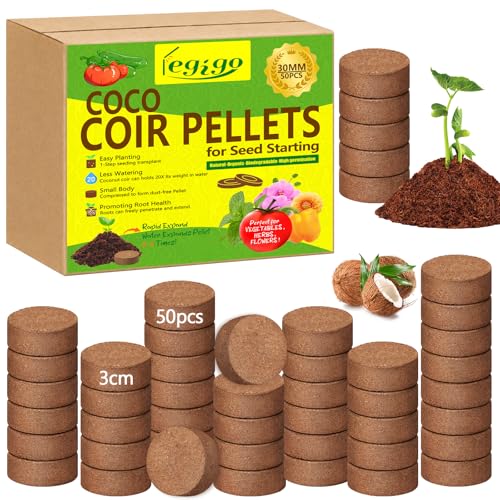
Legigo 50 Pcs Coco Coir Pellets Seed Starter

Coast of Maine Tomatoes and Veggies 20qt

Back to the Roots 100% Organic Vermiculite

Sukh 8OZ Orchid Bark Potting Mix 5-12mm

Halatool 2 Pcs Coco Husk Chips for Plants
Inside Each Recommended Option
Coconut-fiber mulch behaves like a slow-release sponge on top of a tomato pot, holding extra water each time you water and releasing it back into the root zone as the surface dries. SuperMoss comes in a compact 200 cubic inch bag (about 0.12 cubic feet) that is easy to tuck in a garden tote or balcony bin.
Compared to the chunkier Legigo coco chips covered later, this option is finer and lays down as a denser mat, which suits smaller containers where you want the surface covered quickly. The neutral-brown color blends well with terracotta and resin pots.
What Stands Out
- Holds moisture and reduces how often you need to water, which is genuinely useful in mid-summer heat
- Renewable coconut coir (the fibrous husks of coconuts) base rather than mined peat, so the sourcing story is cleaner
- Neutral pH (a measure of soil acidity) suits tomatoes, which prefer slightly acidic to neutral conditions
- Fine texture spreads evenly across a 10 to 14 inch pot rim without leaving large gaps
Things To Consider
- The 0.12 cubic foot bag covers only one or two medium pots, so larger collections may need several
- Fine coir can crust slightly on top if allowed to fully dry between waterings, so consistent irrigation helps
Key Specs
Made For
Balcony and patio growers who want a tidy, fine-textured top layer and only need to refresh a small number of pots each season.
Look Elsewhere When
You run a wider container garden and want bigger volume per purchase, in which case HealthiStraw GardenStraw covers more ground with one bag.
Where the SuperMoss option is fine and dense, Legigo’s coco chips are the chunkier sibling, cut into pieces that look more like small bark nuggets. Each pack contains two bricks of compressed coconut husk totaling 2.2 pounds, and the husks arrive rinsed to reduce residual salts.
The bigger pieces create real air gaps, which helps in a tomato pot that already has rich, moisture-retentive soil. For growers who tend to overwater, the loose structure acts as a hedge against soggy roots.
Notable Upsides
- Chunky texture improves airflow at the soil surface and slows surface compaction
- Two-pack format gives roughly 4.4 pounds of dry material to expand with water
- Washed to lower salt content, which protects young tomato roots from EC burn (EC, or electrical conductivity, measures soluble salt levels)
- Versatile as both a top-dress and a mix-in for homemade potting blends
Worth Noting
- Requires soaking and rehydration before use, so plan a few hours of prep time
- Coarser pieces can wash aside in shallow drip trays during heavy watering
- The look is rustic rather than tidy, which may not suit a polished patio display
Best Suited To
Tomato growers with larger fabric or terracotta pots who want better drainage on top of moisture-retentive soil mixes.
Reach For A Different Pick When
A small balcony setup with a 10 inch pot is your entire garden, where the finer SuperMoss Coco Mulch covers the surface more neatly.
Wheat straw is the classic allotment mulch, and HealthiStraw brings it into the container world in a 3 cubic foot, 20 pound format that swallows a lot of pots per purchase. The straw is filtered to remove dust, dirt, and as much of the grain seed as the process allows.
For a gardener running six or eight tomato pots on a sunny patio, this bag goes a long way and breaks down into compost-friendly carbon at the end of the season.
Practical Advantages
- Generous 3 cubic foot volume covers many containers without repurchasing
- Retains soil moisture and is reported to reduce watering needs meaningfully in warm weather
- Used straw adds carbon when tossed onto a compost pile at season end
- Cleaned to limit stray wheat seeds sprouting in your pots
Trade Offs
- Loose straw can blow off in exposed balconies during windstorms, so a sheltered spot helps
- Breaks down faster than bark or coir, so a midseason top-up is common
- The look is rural, which may feel out of place on a tidy modern deck
Feature Snapshot
Who It Suits Best
Multi-pot vegetable growers who want one large bag to refresh tomato, pepper, and herb containers across a single season.
Consider Something Else When
You only tend a single tomato pot on a windy balcony, where SuperMoss Coco Mulch stays put better and covers a smaller footprint.
Legigo’s 30 millimeter coco pellets are compressed discs that expand when you add water, turning into tidy little cylinders of growing medium. The pack of 50 suits someone starting tomatoes from seed rather than buying established transplants.
The 1.22 inch diameter and roughly half-inch height keep each pellet compact on a windowsill, and the neat shape makes it easy to pot seedlings up into their final container once roots show through the mesh.
Strong Points
- Pre-measured discs remove the mess of loose coir and guesswork on hydration
- Compact dry storage means a 50-pack fits in a kitchen drawer
- Each pellet transplants cleanly into a tomato pot without disturbing young roots
- Organic coir base avoids the variability of garden soil for seed starting
Points To Keep In Mind
- At 30 millimeters, each pellet is small, so vigorous tomato seedlings may need potting on quickly
- Designed for starting, not for ongoing top-dressing of mature potted tomatoes
Perfect Match For
New gardeners sowing tomato seeds indoors who want a clean, controlled start before moving plants to patio containers.
Skip It When
You buy established tomato starts and only need a surface mulch, where HealthiStraw GardenStraw or SuperMoss Coco Mulch serves the mature pot better.
Coast of Maine built this blend with tomatoes and heavy-feeding vegetables in mind, and the 20 quart bag works as either a top-dress for an existing container or a refresh layer mid-season. The organic compost base is designed to feed without locking up the soil.
Unlike the loose coir or straw options earlier, this is closer to a finished soil amendment, so it integrates into the top inch of your potting mix rather than sitting as a separate layer. For tomato growers who want something formulated rather than generic, the appeal is clear.
Key Advantages
- Specifically crafted for tomatoes and vegetables, so the nutrient profile targets the right crop
- Lightweight texture suits container use without compacting the root zone
- Organic compost base feeds slowly as you water
- Useful for seeding, transplanting, or topping off existing potted tomatoes
Small Caveats
- Acts as a soil amendment more than a traditional mulch layer, so it doesn’t have the visual “blanket” effect of straw or bark
- 20 quarts covers a limited number of large containers per bag
Quick Facts
Who Will Love This
Tomato growers who prefer a tailored, organic amendment over a generic mulch and want a product that doubles as a midseason feed.
A Better Fit Elsewhere
Anyone wanting a thick, visual mulch layer to block sun and lock in moisture should look at HealthiStraw GardenStraw instead.
Vermiculite (a heat-expanded mineral that holds water like a sponge) is a different tool than a surface mulch. Back to the Roots’ organic vermiculite works best stirred into the top inch or two of a tomato pot, where it boosts moisture retention and aeration without sitting as a visible blanket.
Compared to the coarser Sukh orchid bark reviewed next, vermiculite disappears into the soil and feels more like an amendment than a mulch. It is a strong pick for growers who want to upgrade an existing potting mix rather than cap it.
What It Does Well
- Holds water and nutrients in the root zone, releasing them as the soil dries
- Improves aeration when mixed into compacted potting blends
- Lightweight enough to keep container weight manageable on a balcony
- Useful for both indoor seed-starting and outdoor container top-dressing
Honest Caveats
- Not a visual mulch, so it won’t suppress weeds or shade the soil surface on its own
- Mixes in best before planting or during a midseason refresh, not as a no-work top layer
Core Details
Right Fit For
Tomato growers who like to customize their potting mix and want a mineral additive that improves water retention without adding bulk.
Not Your Match When
You want a thick, visible mulch layer to cover the soil surface, in which case Legigo Coco Chips or HealthiStraw GardenStraw fit the role better.
Sukh’s bark mix is built from Sea Pine bark (Plum Bank Pine) graded between 5 and 12 millimeters, the kind of coarse, dry material orchid growers reach for. The pieces are screened for airflow and dry well out of the bag, which is useful if you tend to overwater tomato pots.
The 8 ounce size is smaller than the bagged options earlier, so it suits a single tomato pot or a few small containers. The visual texture reads as a clean, chunky surface that contrasts nicely with a glazed ceramic planter.
Where It Helps
- Coarse bark texture creates strong airflow at the soil surface, reducing fungal risk in humid weather
- Can be mixed into the top layer of soil or used as a standalone mulch
- Slow to break down, so a single application lasts the season
- Compatible with other media like coir or perlite for custom blends
Possible Compromises
- 8 ounce pack only covers one or two small pots, so larger setups need multiple bags
- Coarse pieces do not retain water the way coir or vermiculite do, so watering frequency may increase
Who Should Grab It
Tomato growers in humid climates or anyone with a track record of overwatering who wants a chunky, airy surface layer.
Swap It Out When
You run multiple tomato pots in dry heat and need better moisture holding, where Halatool Coco Husk Chips strike a balance between airflow and water retention.
Halatool ships two compressed coco chip bricks that each weigh about 1.1 pounds and expand to roughly 7 quarts once hydrated. The bricks measure roughly 7.87 by 3.93 by 1.97 inches before soaking, so they fit on a shelf or in a small closet without taking up much room.
Compared to the bulkier HealthiStraw option, these bricks are denser and chunkier, sitting somewhere between the fine SuperMoss mulch and the bark-like Sukh orchid mix. The pH-balanced, low-EC profile suits tomato roots, which dislike salt buildup.
Bright Spots
- Compressed format saves serious storage space before use
- Two bricks together expand to about 14 quarts of usable mulch
- Low EC and pH balanced for sensitive tomato roots
- Works for landscaping, herbs, and flowering containers alongside tomatoes
Less Ideal Details
- Requires planning and a container for soaking the bricks, so it is less grab-and-go than a bagged mulch
- Chunk size falls between fine mulch and bark, so a few users may find it either too coarse or too fine for their taste
Built With In Mind
Small-space gardeners with limited storage who want bulk capacity when needed without dedicating a shelf to a 20 pound bag.
Where A Sibling Pick Shines
Growers who want a ready-to-spread bag with zero prep should reach for SuperMoss Coco Mulch instead.
Choosing Mulch That Works In A Container
Containers are a different game than open beds. The root system is shallow, the soil volume is small, and water stress shows up within a single hot afternoon. Picking the right top layer starts with understanding what tomatoes actually need at the surface: steady moisture, buffered temperature, and some protection against the surface crusting and cracking that pulls moisture away from the roots.
Moisture Retention Over The Long Haul
Tomato fruit set depends on consistent watering, and a mulch layer reduces how often the top inch of soil dries out. Coir and vermiculite hold water internally, while straw and bark slow evaporation by shading the surface. In a small pot, the difference between a mulched and unmulched surface can mean a daily versus every-other-day watering schedule in midsummer.
Airflow And Drainage At The Crown
Tomatoes hate wet stems. The crown (the point where stem meets soil) needs airflow, and dense mulches pressed against it can trap moisture and invite rot. Chunky materials like coco chips or pine bark keep gaps open, while fine straw and coir work better when pulled back slightly from the stem itself.
Salt Buildup And pH
Container soil accumulates fertilizer salts faster than garden beds because there is no natural leaching (the washing of salts downward through soil by water movement) into a wider soil profile. Low-EC mulches (such as rinsed coco chips) and pH-neutral options help prevent the slow salt creep that stunts tomato growth over a season.
Matching Material To Your Climate
Hot, dry patios call for moisture-retentive coir or vermiculite. Humid, shaded balconies benefit from chunky bark that lets the surface breathe. Straw suits moderate climates with regular watering. The right match saves a lot of corrective work later in the season.
Things Worth Weighing Before You Buy
Where Shoppers Go Wrong
Two common missteps show up repeatedly in this category. The first is buying a mulch designed for open beds and expecting it to behave the same way in a 12 inch pot. Straw and bark that work beautifully across a garden can compact, mat, or float in a confined container if the watering rhythm is off. The second is ignoring pot depth. Shallow tomato pots need lighter, finer mulches that do not smother the root zone, while deep planters tolerate chunkier materials with no issue.
When Paying More Pays Off
Higher-priced options in this list tend to be processed more thoroughly, with rinsing, salt screening, and pH balancing built in. That processing matters in containers because there is no margin for error in a small soil volume. A slightly higher upfront cost often buys you a cleaner material that does not introduce salts, weed seeds, or fines that compact over time, which is a quiet but real upgrade for serious tomato growers.
Frequently Asked Questions
What Is The Best Mulch For Tomatoes In Pots?
Coir-based mulches are a strong all-around pick for potted tomatoes because they hold moisture, breathe well, and stay neutral in pH. The exact match depends on your climate and pot size, with chunky coco chips favoring airflow and fine coir favoring water retention.
How Often Should I Replace Mulch On Potted Tomatoes?
A layer of organic mulch typically lasts one full growing season and can be refreshed at the midseason mark if it has thinned or compacted. Mineral mulches like vermiculite mixed into the soil do not need replacement and break down very slowly.
Can I Use Regular Garden Mulch On Container Tomatoes?
Garden mulches work in containers, but finer grades usually perform better because they integrate into a small soil volume. Chunky bark or straw designed for open beds may float, mat, or stay too wet when confined to a 10 to 14 inch pot.
Should Mulch Touch The Tomato Stem?
Keep mulch an inch or two away from the main stem to prevent trapped moisture from causing rot at the crown. The layer should cover the surrounding soil surface without piling up against the stalk.
Do Tomato Pots Need Mulch In Cooler Weather?
Mulch is more critical in hot weather, but a light layer still helps regulate soil temperature and moisture in cooler months. Skip thick applications during cool, damp stretches where excess moisture lingers at the surface.
Bottom Line
The right mulch for your potted tomatoes comes down to climate, pot size, and how often you like to water. Coir-heavy options like SuperMoss and Halatool balance moisture and airflow, while HealthiStraw covers lots of pots affordably and Coast of Maine feeds heavy-fruiting plants. Start with the material that matches your watering style, and adjust as the season teaches you what your pots actually need.
