

Texas flower beds ask a lot of mulch. Long stretches of triple-digit heat, sudden downpours, alkaline soils, and persistent Bermuda grass pushing up from every edge all work against a tidy planting. The right blanket of organic or recycled material can keep roots cooler, stretch watering intervals, and slowly improve the heavy clay that dominates much of the state. This roundup walks through eight solid options sold through Amazon, from coconut coir blocks to long-needle pine straw, so you can match the mulch to your planting style, your soil, and the amount of work you want to put in each season.
A Closer Look At The Lineup

SuperMoss Coco Mulch 200 cu in (Natural Brown)

HealthiStraw GardenStraw 3 cu ft All-Natural Wheat Straw Mulch

Blue Mountain Hay Organic Garden Straw Mulch 25 lb

Rubberific Rubber Mulch Bagged Brown

Plantonix Coco Chips Mulch Brick 10 lb

EZ-Straw Seeding Mulch with Tackifier 2.5 cu ft
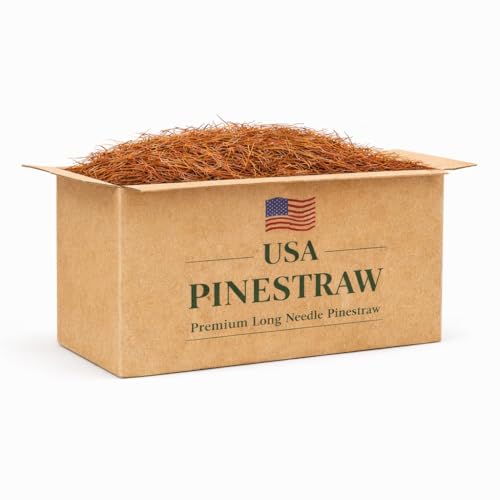
Long Needle Pine Straw Mulch 65-80 sq ft Bale

PlantBest Coco Mulch Compressed Block 9.1 lb
Why These Options Stand Out
SuperMoss Coco Mulch shows up in a small 200 cubic inch bag, which sounds modest until you remember it’s compressed coconut coir, the fibrous middle layer of a coconut husk. Once you add water, the brick blooms into a fluffy, soil-like medium that works as a top-dress for flower beds as well as a soil amendment. The natural brown tone blends with most landscape palettes, and the texture stays loose rather than crusting over like hardwood chips can in West Texas sun.
For most Texas patio gardeners, this is the easy entry point into coir mulches without committing to a full pallet. The bag handles well, hydrates in a bucket or wheelbarrow, and spreads quickly across a few small beds or a long row of containers. Pollinator-friendly beds with salvias, zinnias, and lantanas benefit from the moisture-buffering layer that coir creates, especially during July and August heat waves.
Advantages To Know
- Compressed format means less shipping weight and easier storage in a garage or shed.
- Neutral pH suits the slightly alkaline soils common across central and north Texas.
- Coir holds moisture longer than many wood mulches, stretching time between waterings.
- Natural brown color reads tidy without looking dyed or artificially dark.
- Breaks down slowly, so a single application can last most of a growing season.
Trade Offs
- At 200 cubic inches, the volume is better for small projects than full landscape overhauls.
- Requires pre-soaking before spreading, which adds a planning step on planting day.
Who It Suits Best
Apartment or patio gardeners with a few containers and a small front bed who want a tidy, slow-breaking mulch without hauling big bales.
Consider Something Else When
You’re covering a long row of large raised beds, in which case the HealthiStraw GardenStraw or Blue Mountain Hay Organic Garden Straw Mulch will give you more volume per dollar.
Wheat straw is one of those underrated Texas garden materials. HealthiStraw GardenStraw comes in 3 cubic foot bags of thoroughly cleaned, non-GMO wheat straw that’s been filtered to remove as much dust and seed content as possible. The straw lays down in a soft, golden mat that shades soil, slows evaporation, and breaks down into organic matter by the end of the season. Compared to the SuperMoss Coco Mulch above, this is a bulk-coverage option, not a polished decorative finish.
In our view, this is the mulch to reach for when you’re protecting a freshly planted flower bed or a new lawn patch through a hot Hill Country summer. The straw insulates seedlings, holds morning dew, and keeps heavy spring rains from washing seeds downhill. Once the flowers establish, the straw quietly decomposes and adds carbon back into the soil, which offsets some of the nitrogen drawdown you sometimes see with fresh carbon mulches.
Positive Takeaways
- Bulk 3 cu ft volume covers a meaningful section of bed per bag.
- Filtering process cuts down on the weed seed pressure that raw straw can introduce.
- Retains moisture and cools soil temperatures during peak summer.
- Breaks down into compost-friendly material within a single season.
Minor Gripes
- Loose straw can shift in high wind until it settles into the soil surface.
- Golden color fades to gray as it weathers, which may bother gardeners wanting a tidy look.
- Not the best choice where you want long-lasting curb appeal.
Made For
Vegetable gardeners, new flower bed installers, and anyone patching bare soil who values water savings over polished aesthetics.
Look Elsewhere When
You want a permanent decorative look around foundation shrubs, where the Rubberific Rubber Mulch Bagged Brown or PlantBest Coco Mulch Compressed Block 9.1 lb will hold appearance longer.
Blue Mountain Hay’s organic garden straw is sold in a 25-pound format, leaning toward gardeners who want to lay down a thicker blanket than a typical 2-cubic-foot decorative bag allows. The straw is harvested for durability, so the stems stay intact longer than the average small bale. For Texas flower beds that face direct afternoon sun from the west, that thicker layer translates to better root protection through the worst of August.
You may find this mulch most useful around native and adapted perennials: blackfoot daisy, Mexican feathergrass, salvia greggii, and similar plantings that handle reflected heat from a stone wall or driveway. The straw regulates soil temperature, holds moisture after deep soakings, and gives new transplants a few extra weeks to push roots before the worst stress arrives. Compared with HealthiStraw’s filtered product, this option trades some cleaning for raw coverage volume.
Everyday Wins
- 25-pound format suits larger beds and small farm-scale plantings.
- Organic certification supports chemical-free gardening approaches.
- Sturdy stems resist matting and crusting in summer heat.
- Useful for both flower bed cover and protecting new lawn seed.
Honest Caveats
- Bales arrive compressed and need fluffing before spreading.
- May contain more seed content than lab-filtered alternatives like HealthiStraw.
Right Fit For
Texas gardeners managing raised beds, pollinator plots, and lawn repair zones who want a thick organic blanket without paying for processed bricks.
Skip It When
You’re working with a tidy foundation planting where a finer, more decorative mulch like the Long Needle Pine Straw Mulch would look more intentional.
Rubberific Rubber Mulch is recycled tire rubber shredded into nugget-sized pieces and bagged in brown. It does not break down, does not need refreshing every season, and does not float away in a Texas thunderstorm. The trade-off is that this is a permanent surface, not a soil-building mulch, so it belongs in places where you’re not actively planting annual flowers or improving the underlying earth.
For most homeowners, the right role for this product is around play structures, fence lines, or landscape borders where the goal is long-term weed suppression and a tidy look. It also works well in transition strips between lawn and gravel paths. Compared to the organic options above, rubber mulch asks you to give up seasonal soil improvement in exchange for a one-time install that lasts for years.
Positive Points
- Won’t decompose, so a single install keeps working for many seasons.
- Holds color and shape through UV exposure better than dyed wood chips.
- Heavy weight resists washout during heavy rain events common in spring and fall.
- Suppresses weed germination by blocking light to the soil surface.
A Few Limitations
- Does not feed soil biology or improve structure over time.
- Heats up significantly in direct sun, which can stress shallow-rooted plants.
- Not appropriate for edible beds or active vegetable gardens.
Best Suited To
Homeowners establishing low-maintenance zones around playsets, fence lines, or decorative borders where plant growth is not the priority.
Reach For A Different Pick When
You’re mulching active flower beds where soil health matters, in which case the PlantBest Coco Mulch Compressed Block 9.1 lb or SuperMoss Coco Mulch 200 cu in will serve you better.
Where the SuperMoss bag is finely textured coconut coir, this Plantonix product is coconut husk chips: chunkier, longer-lasting, and more reminiscent of bark mulch in feel. The brick weighs 10 pounds and expands significantly when hydrated, giving you real coverage in a package small enough to fit on a shelf. The chip format breathes well around root crowns while still holding moisture underneath, which matters when daytime temperatures cross 100 degrees.
Coco chips tend to shine in shaded flower beds and around tropical-style plantings where the gardener wants a more substantial look than coir fiber provides. They’re also a smart pick for container gardens with large plants that need stable moisture without soggy roots. Depending on your soil, you may find that mixing chips into the top few inches of heavy clay opens up drainage while still protecting the surface from crusting.
Real Benefits
- Chunky texture holds moisture longer than finer coir grades.
- Expands from a compact brick for easy transport and storage.
- Organic material suitable for vegetable and herb beds.
- Resists compaction better than straw in humid Gulf Coast climates.
Softer Spots
- Requires soaking before spreading, which adds setup time.
- Light brown color can look pale in landscapes expecting a richer bark tone.
Who Will Love This
Shade gardeners, orchid and tropical plant owners, and anyone with heavy clay who wants a long-lasting organic surface that breathes.
Swap It Out When
You prefer a tidier fine-textured top layer for front-yard flower beds, where the SuperMoss Coco Mulch 200 cu in lays down more like traditional mulch.
EZ-Straw stands apart from the plain straw products above because of one key addition: a biodegradable tackifier, essentially a natural bonding agent that gives the straw a slight stickiness. That single detail turns this into a seeding mulch rather than just a cover. The straw stays put through wind and rain, which is exactly what you want when you’ve just scattered wildflower seed or laid down a fresh strip of lawn.
In most Texas seeding projects, the window between sowing and germination is the most vulnerable period. A heavy spring storm can wash seed into the gutter, and a single windy afternoon can redistribute everything you just spread. EZ-Straw’s bonding agent holds the straw down so the seed stays put, and the package covers up to 500 square feet per bale. Compared with Blue Mountain Hay Organic Garden Straw Mulch, this one is purpose-built for the seeding moment rather than long-term bed coverage.
Benefits That Matter
- Tackifier holds straw in place through wind and rain.
- Covers up to 500 square feet per 2.5 cu ft bale.
- Bonding agent is biodegradable and safe around pets and children.
- Processed and twice cut for easier, more even application.
- Reduces watering frequency during germination.
Practical Considerations
- Bonding breaks down within weeks, so it is not a long-term surface mulch.
- UV-protected plastic bag should be stored out of direct sun to preserve contents.
Perfect Match For
Wildflower and pollinator seed projects, new flower bed installations, and any gardener starting a fresh lawn patch in a windy or stormy location.
Not Your Match When
You want an attractive permanent layer around mature shrubs, where the Long Needle Pine Straw Mulch or Rubberific Rubber Mulch Bagged Brown will look better.
Long-needle pine straw, the fallen needles of pine trees, is one of the most traditional mulches across the South, and it has earned its place in Texas gardens for good reason. USA Pinestraw’s bale covers roughly 65 to 80 square feet at a standard 2 to 3 inch depth, depending on how thick you lay it. The long needles interlock into a mat that sheds water, blocks light to weed seeds, and breathes well around root crowns. The texture feels light and airy compared with wood chips.
You may find this is the right pick for acid-loving shrubs like azaleas, gardenias, and camellias that struggle in alkaline Texas soils. The needles break down slowly and gradually acidify the top layer of soil as they decompose. Compared with the straw products earlier in this list, pine straw offers a tidier finished appearance and a longer refresh interval. It also tolerates slopes better than most mulches because the needles knit together instead of sliding downhill.
Notable Gains
- Interlocking needles hold their shape on slopes and uneven beds.
- Sustainable harvest from managed pine forests.
- Gradually acidifies topsoil, suiting acid-loving ornamentals.
- Covers meaningful square footage per bale without weighing much.
- Decomposes slowly, reducing how often you need to refresh.
Less Ideal Details
- Bale format requires breaking apart and may include some debris.
- Not suitable where you want to raise soil pH for alkaline-loving natives.
Built With In Mind
Texas gardeners tending azaleas, blueberries, and other acid-loving shrubs, plus anyone with sloped beds who needs a mat-style mulch that won’t migrate.
Another Choice May Suit
You garden with alkaline-loving natives like Texas sage or cenizo, where the Blue Mountain Hay Organic Garden Straw Mulch or Plantonix Coco Chips Mulch Brick 10 lb fits better.
PlantBest’s compressed coco block is built for gardeners who are short on storage but long on bed space. A 9.1 pound brick expands to roughly 64 quarts, or about 17.5 square feet of coverage at a 2-inch depth, once you add water. Compared to bulky bagged mulches that take up half a garage shelf, this brick tucks into a closet corner until you’re ready to use it. That single detail matters for urban gardeners and apartment dwellers with no shed.
Assuming you have a wheelbarrow, tub, or large bucket, the hydration process takes around ten minutes of work. Once expanded, the coco coir lays down like a soft brown blanket that holds moisture without crusting. Compared with the SuperMoss Coco Mulch above, PlantBest offers more volume per dollar in a similar compressed format, which makes it the better value pick for slightly larger Texas flower bed installations.
Points In Its Favor
- Compact brick replaces multiple heavy bags for easier transport.
- Expands to roughly 64 quarts, enough for several small beds.
- Organic coconut coir suits most flower and vegetable plantings.
- Helps with weed suppression while keeping soil cool and moist.
- Stores indefinitely in dry conditions before hydration.
Factors To Consider
- Requires soaking in a large container, which is an extra step.
- At 17.5 square feet of coverage, large properties still need several bricks.
Whose Shelf It Belongs On
Apartment and townhome gardeners who need a real-volume organic mulch without dedicating garage space to bulky bags.
A Better Fit Elsewhere
You have a wide-open rural property needing an acre of coverage, in which case the EZ-Straw Seeding Mulch with Tackifier or HealthiStraw GardenStraw will scale more practically.
Picking The Right Mulch For Hot, Alkaline Soils
Choosing mulch for a Texas flower bed is really about matching material to two pressures: heat and soil type. Most of the state sits in USDA zones 7 through 9, with summer soil temperatures that climb well past 110 degrees in direct sun. A 2 to 3 inch layer of the right mulch can drop root-zone temperatures by 15 to 20 degrees, which is the difference between thriving salvias and roasted roots.
Heat And Moisture Trade-Offs
Organic mulches like wheat straw, pine straw, and coconut coir all insulate the soil, but they break down at different rates. Straw decomposes within a single growing season, which adds organic matter quickly but means you’ll refresh more often. Coconut coir and pine straw last longer, sometimes stretching across two seasons, which suits low-maintenance perennial beds. In dry West Texas, prioritize materials that hold water; in humid East Texas, prioritize airflow to prevent fungal issues under dense plantings.
Soil pH And Plant Compatibility
Most of Texas features alkaline clay soils with pH values often between 7.5 and 8.5. Acid-loving plants like azaleas, gardenias, and blueberries struggle in this environment, so pine straw’s gradual acidification can be a quiet helper. For native and adapted perennials that actually prefer alkaline conditions, look for neutral materials like wheat straw or coconut coir that won’t shift your pH in either direction.
Volume, Storage, And Refresh Cycle
A typical 4 by 8 foot flower bed at a 2-inch depth needs roughly 5.3 cubic feet of mulch to cover once. Bagged options like HealthiStraw give you that volume in a single purchase, while compressed blocks require hydration but reward you with easier storage. Permanent options like Rubberific last years but don’t feed the soil, so factor in whether your priority is convenience or long-term bed health.
Smart Shopping Notes For Mulch Shoppers
Where Shoppers Go Wrong
A common mistake is laying mulch too thin, which lets sunlight through and gives weed seeds a head start. Aim for a consistent 2 to 3 inches across the bed, less in heavy clay where drainage matters more, more in sandy areas that drain too fast. Another slip is piling mulch against plant stems and trunk flare, which traps moisture against bark and invites rot. Keep a small gap of bare soil right at the base of each plant.
The Upgrade Payoff
Spending a little more for a compressed coconut coir block or a tackified seeding straw often pays back through easier handling, longer refresh intervals, or better germination in tough spots. The premium tier buys you convenience (less storage, less mess), better water performance, and a more uniform finished look that holds up through Texas summers. The upgrade is worth it for established perennial beds where you’d rather not refresh every six weeks, but a basic straw product is plenty for a one-time wildflower seeding project.
Frequently Asked Questions
How often should mulch be refreshed in Texas flower beds?
Organic mulches typically need refreshing once per year in Texas, usually in late fall or early spring, while slower-breaking options like pine straw or coconut coir can stretch to 18 to 24 months. Rubber mulch does not require refreshing at all but does not feed the soil.
What mulch depth works best for hot Texas summers?
A 2 to 3 inch layer is the sweet spot for most Texas flower beds. Anything thinner lets soil temperatures climb too high and lets weeds germinate, while anything thicker can trap moisture against stems and invite fungal problems in humid regions.
Are pine needles a safe mulch for alkaline Texas soils?
Yes, pine straw is safe across most soil types, and it actually helps slightly acidify the top layer over time. For native Texas plants that prefer alkaline conditions, the effect is usually minor and won’t harm your bed.
Is rubber mulch a good fit for vegetable gardens?
No, rubber mulch does not break down and does not contribute organic matter, which means it works against the soil-building goal of a vegetable or herb garden. Stick to organic options like straw or coconut coir for edible beds.
Which mulch is best for sloped Texas flower beds?
Pine straw and tackified straw both hold their position on slopes because the needles or treated straw interlock and resist washout. Loose wheat straw can migrate downhill until it settles, so it works better on flat beds.
Closing Thoughts
Texas flower beds reward gardeners who match mulch to climate rather than chasing a single perfect product. Pine straw suits acid-loving shrubs and slopes, organic straw excels at seeding and water savings, and coconut coir offers tidy long-term coverage in a small package. Take stock of your soil, your slope, and your storage, then choose the material that lines up with those realities.
