

Winter garden prep matters more than most homeowners realize. A bare bed in January means root damage, soil heaving, and a slow start come spring, while the right mulch or cover acts like a thermal blanket for everything below. This list rounds up eight solid options for protecting beds, borders, young trees, and tender plants when temperatures drop and wind picks up.
A Snapshot Of The Selections

HealthiStraw GardenStraw, 3 cu ft All-Natural Mulch
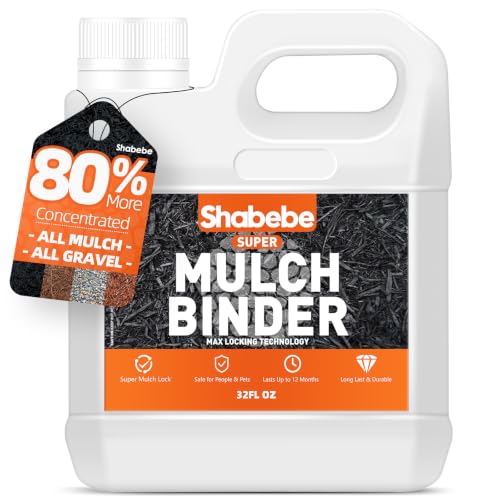
Shabebe Mulch Bond 32OZ Gravel Binder
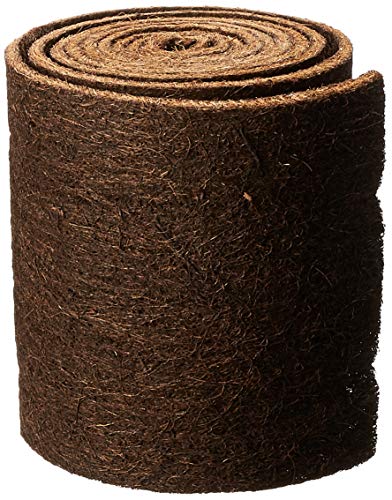
Bosmere Border Protection Edging Weed Mat

AlpineReach Plant Covers Frost Protection 10 x 30 ft

Halatool 2 Pcs Coco Husk Chips Mulch

Plantonix Coco Chips Mulch Brick 10 lbs

SYWHXY 12-Pack Non-Woven Tree Mulch Rings

EZ-Straw Seeding Mulch with Tackifier 2.5 cu ft
More Details On Our Top Picks
Wheat straw mulch suits gardeners who want winter coverage that does double duty in spring. The HealthiStraw bale comes pre-cleaned, so you spend less time shaking out dust before laying it across beds or newly seeded lawn patches.
A 3 cu ft bale spreads roughly across a small vegetable plot or a freshly overseed patch. Because the straw decomposes through the season, it feeds the compost pile and enriches soil as it breaks down, an appealing tradeoff for organic gardeners who dislike hauling away old mulch each spring.
Benefits That Matter
- Sustainably sourced wheat straw with non-GMO credentials and visible seed reduction during cleaning
- Holds soil moisture and shades roots, cutting winter watering demands for most home gardeners
- Breaks down into carbon-rich material that benefits compost and spring soil prep
- Works across vegetables, herbs, flower beds, raised planters, and patchy lawns without special prep
Things To Consider
- A single 3 cu ft bale covers limited ground, so larger beds typically need multiple bales or supplemental coverage
- Even cleaned straw can carry trace weed seeds, so expect a few volunteers in warmer stretches
- Loose straw tends to migrate in exposed, windy spots without a tackifier
Key Product Details
Who It Suits Best
Home growers maintaining modest kitchen gardens or repairing patchy lawns before frost arrive find the cleanest fit here.
Where Another Pick Suits Better
For windy slopes or paths where loose straw migrates, Shabebe Mulch Bond helps anchor coverage more reliably than straw alone.
Mulch glue solves a frustrating winter problem: blanket coverage that blows apart the first time wind picks up. Shabebe’s 32 oz bottle is a binder you spray over loose mulch, pine straw, or gravel so everything locks in place through storms.
Unlike the straw options earlier in this list, this is a treatment rather than a coverage layer. Apply it after laying your normal mulch on slopes, walkways, or decorative beds, and you get a cohesive mat that resists washout during freeze-thaw cycles and heavy rain.
Strong Points
- Holds loose mulch and pine straw in place on inclines where wind and rain normally scatter it
- Fast-drying formula speeds project completion when cold weather windows are tight
- Works on walkways, slopes, and decorative gravel areas beyond just garden beds
Points To Note
- Coverage area per bottle varies widely with mulch depth and application thickness, requiring extra bottles for large yards
- Surface must be dry at application, so wet winter stretches can delay use
- Reapplication may be needed mid-season in high-traffic or heavily weathered spots
Made For
Homeowners managing sloped beds or windy properties who want their winter mulch investment to actually stay where they placed it.
Skip It When
If you maintain flat vegetable plots without much wind exposure, plain straw mulch like HealthiStraw covers the job without extra product or cost.
Edge weeds are the stubborn kind that creep across clean borders all winter. The Bosmere mat runs 10 feet long by 9 inches wide, fitting exactly where grass tries to invade flower beds and pathway edges.
This isn’t bulky coverage like the straw or coco picks. Instead, it sits as a slim brown barrier that blocks sunlight so weed seeds can’t germinate along the border line. The muted color blends into mulch and soil so the visual focus stays on the plants.
Everyday Wins
- Slim 10-foot by 9-inch profile suits bed edges, lawn borders, and pathway lines without waste
- Brown tone blends visually into mulch and soil for cleaner curb appearance
- Blocks sunlight at the border where grass and weeds typically invade
Trade Offs
- Narrow dimensions suit borders but not full-bed coverage, so most gardeners pair it with another mulch layer
- Fabric edges may fray over multiple seasons and could need trimming during installation
- Anchoring staples typically require separate purchase for permanent installation
Best Suited To
Gardeners tired of fighting grass creeping into defined borders, especially along walkways and lawn edges where neat lines matter.
Look Elsewhere When
For full-bed winter insulation around shrubs or perennials, the AlpineReach Plant Covers deliver broader thermal protection beyond just border edging.
Fabric frost covers work differently from mulches: they trap radiant heat and block wind directly above plants. The AlpineReach blanket measures a generous 10 by 30 feet, big enough to drape over a hedge row or wrap a grouping of tender shrubs.
Rated for temperatures down to about 28°F, the 1.2 oz/yd² fabric creates a microclimate around foliage without suffocating it. Compared with the ground-level straw and coco options earlier, this product focuses on what’s above the soil line during hard freezes.
Where It Excels
- Large 10 by 30 ft dimensions cover long hedge lines or grouped shrubs in a single panel
- Fabric thickness rated for temperatures around 28°F, useful in most temperate winter zones
- Breathable material prevents moisture buildup that can rot foliage under plastic tarps
- Lightweight enough to drape over delicate branches without breaking stems
Things To Consider
- Single-layer fabric may not suffice in zones that regularly drop below the rated threshold
- Securing edges against wind typically requires additional stakes, bricks, or landscape pins
- Fabric may degrade with repeated UV exposure over multiple seasons if left out year-round
Key Product Details
Who Will Love This
Growers in moderate climates protecting borderline-hardy shrubs, citrus, or early-spring flowering plants benefit most from the size and rating.
A Better Fit Elsewhere
For protecting young tree trunks and root zones at ground level, the SYWHXY Tree Mulch Rings offer targeted protection the frost blanket can’t provide.
Coconut husk chips bring a different texture to winter mulching, one that suits container gardens especially well. Halatool ships two compressed bricks, each roughly 1.1 lb, that expand to about 7 quarts once hydrated.
The low EC and pH-balanced profile matters for sensitive herbs and ornamentals in pots. Compared with loose straw from earlier picks, the chip format stays put around container rims where wind normally strips lighter materials.
Useful Highlights
- Compressed bricks expand significantly, so storage stays compact before use
- pH-balanced and low-electrical-conductivity profile suits herbs and ornamentals without chemical adjustment
- Chip texture resists wind displacement better than shredded straw in exposed patio spots
Points To Note
- Hydration step adds prep time versus ready-to-spread straw mulches
- Each brick yields limited volume, so larger landscape projects need multiple packs
- Chips break down slower than straw, so spring cleanup involves more physical removal
Whose Shelf It Belongs On
Container gardeners managing potted herbs, patio ornamentals, or small citrus benefit most from the chip texture and balanced chemistry.
Not Your Match When
For wide garden bed coverage where volume matters more than texture, Plantonix Coco Chips Mulch Brick delivers a heavier 10-pound format at scale.
Plantonix ships a heavier 10-pound compressed brick that handles larger bed projects. Once expanded, the coconut husk chips form a moisture-retentive layer around shrubs, fruit trees, and raised bed perimeters.
The longevity stands apart from straw mulches, which break down within a season. Coco chips persist longer, holding structure through wet winter weather while continuing to suppress weed germination around permanent plantings.
What Makes Sense
- 10-pound compressed brick expands into substantial bed coverage from compact storage
- Longer decomposition timeline means less frequent mulch replacement through the season
- Moisture retention supports root hydration during dry cold snaps when soil otherwise dries out
Worth Bearing In Mind
- Soaking the brick before use takes planning and a large container
- Chip texture may need a top-up layer if displaced by animals or freeze-thaw heaving
- Higher upfront volume makes the product feel like overkill for small container setups
Built With In Mind
Growers tending established raised beds, orchard trees, or larger shrub borders find the volume and persistence match their winter workload.
Swap It Out When
For a small balcony herb collection, Halatool’s smaller brick format fits the scale without excess material to store.
Young trees take a beating from lawn equipment and grazing pets during the off-season. SYWHXY’s pack includes 12 non-woven mulch rings at 20.5 inches across, plus 16 anchor staples for installation.
Unlike the broad coverage picks earlier, these rings create a defined protected zone right at the trunk base. The reusable design means you can lift them in spring, store them flat, and redeploy next year without buying replacements.
The Upside
- Twelve rings let you protect an entire young orchard or sapling row in a single purchase
- Non-woven fabric lets water through to roots while blocking sunlight for weed suppression
- Reusable format avoids annual replacement costs once the initial investment is made
- Included staples simplify anchoring without a separate supply run
Honest Caveats
- 20.5-inch diameter fits saplings but may not extend far enough for mature tree root zones
- Fabric thickness can degrade after multiple seasons of UV and weather exposure
- Limited to circular trunk applications, not suitable for irregular shrub groupings
Feature Snapshot
The Right Fit
Homeowners establishing new fruit trees, ornamental saplings, or young shade trees benefit from trunk-level protection during their vulnerable early years.
Reach For A Different Pick When
For canopy and branch protection on established shrubs through deep cold, AlpineReach Plant Covers deliver broader overhead coverage that trunk rings can’t match.
Late-season overseeding faces a familiar enemy: wind and rain scattering the seed before germination. EZ-Straw bundles processed straw with a tackifier, a bonding agent that gives the straw a tacky quality so it stays in place through storms.
A 2.5 cu ft bale covers up to 500 square feet at a light seeding rate. Compared with the plain HealthiStraw bale earlier in this list, the tackifier eliminates the need to purchase a separate binding product like Shabebe Mulch Bond for small repair jobs.
Good Reasons To Consider
- Tackifier bonding agent helps straw resist washout without a separate glue product
- 2.5 cu ft bale covers up to 500 square feet for moderate overseeding projects
- Twice-cut straw spreads easily by hand for even coverage on patchy lawn areas
- UV-protected bag allows outdoor storage between seasonal applications
Trade-Offs To Consider
- Straw-based mulch breaks down within a season, so it doesn’t persist as long-term bed coverage
- Tackifier effectiveness diminishes under heavy rainfall, requiring reapplication in stormy climates
- Single bale may fall short for larger lawn renovation projects exceeding 500 square feet
Quick Facts
Right Fit For
Homeowners patching bare lawn spots or overseeding before winter dormancy benefit from the integrated tackifier without buying extra supplies.
Consider Something Else When
For established vegetable beds needing season-long insulation and soil enrichment, HealthiStraw’s compost-friendly wheat straw serves the longer timeline better.
What Matters Most Before Choosing Mulches For Winter Protection
Match The Format To The Job
Ground-level mulches like straw and coco chips insulate roots and feed soil, but they don’t protect branches from hard frost. Frost blankets work overhead, and tree rings shield only the trunk zone. Think about which part of the plant needs protection most, because each format solves a different problem.
Vegetable beds and new lawns typically benefit most from biodegradable ground coverage. Tender ornamentals and borderline-hardy shrubs usually need the overhead coverage a frost blanket provides.
Consider Your Local Winter Severity
Fabric rated for 28°F handles most temperate-zone winters, but colder regions need thicker materials or multiple layers. Coconut husk chips persist longer through wet conditions than straw, which matts down faster under snow.
Windy coastal or hilltop properties may need a binding product like mulch glue to keep loose materials from migrating before they can do their job.
Factor In Maintenance And Reuse
Annual straw application becomes routine for many gardeners, while reusable tree rings and longer-lasting coco chips reduce yearly labor. Storage considerations matter too, since compressed bricks and rolled fabric need dry space between seasons.
For most home gardeners, the honest read is that simple formats with minimal prep fit best during busy fall months.
Calculate Coverage Realistically
A 3 cu ft bale covers roughly 50 to 75 square feet at a 2-inch depth. Larger yards need multiple bales, which can shift the practical choice toward compressed formats that expand on site rather than bulky bagged products.
Key Considerations Across These Picks
Common Shopping Slip Ups
Buying based on volume alone can backfire when coverage depth isn’t factored in. A lightweight bale spread thin won’t protect roots through deep freezes, so depth and density matter as much as total cubic footage.
Another frequent miss is ignoring anchoring. Loose straw and coco chips migrate in wind without something holding them down, whether that’s a binding product, staples, or a natural sheltered location.
What The Higher Tier Buys
Premium picks in this category tend to deliver integrated convenience, like tackifier already mixed in, or reusable materials that survive multiple seasons. The upgrade is worth it for larger properties or gardeners tired of replacing disposable coverage every year.
For small one-off projects, the value-tier picks handle the core job without overspending on features you won’t use.
Frequently Asked Questions
How thick should winter mulch be applied?
Most ground mulches perform best at 2 to 4 inches of depth over the root zone. Thinner layers dry out and shift easily, while overly thick coverage can smother plant crowns and invite rot.
Can I leave mulch in place come spring?
Biodegradable straw and coco chips break down naturally and can be worked into soil as amendment. Synthetic fabric and plastic-based products should be removed once frost risk passes to prevent soil warming delays.
Do frost blankets work for all plants?
Frost blankets suit shrubs, citrus, and tender perennials but may crush delicate stems if laid directly on top. Use stakes or frames to create air space above foliage for best results.
Is tackifier safe around pets and kids?
Most biodegradable tackifiers are non-toxic once dry, though freshly applied product should be kept off paws and skin until it cures. Check individual product labels for specific guidance.
When should winter mulch go down?
Apply mulch after the first hard frost but before the ground freezes solid. This timing lets plants harden off naturally while still capturing insulating benefits through the coldest weeks.
The Takeaway
Winter protection comes down to matching format and severity to your garden’s real needs. Straw and coco chips handle ground-level insulation, frost blankets shield overhead growth, and tree rings guard vulnerable trunks. Pick the option that fits your plant profile, climate, and maintenance tolerance, and your beds will be ready to grow again when spring arrives.
