

If your garden borders a wooden deck, fence posts, or a foundation with direct soil contact, the termite question eventually arrives. Many gardeners reach for mulch first because it’s cheap, fast, and doubles as landscaping. The catch is that mulch alone rarely stops a determined colony, so this roundup blends true termite treatments with mulches that discourage pests, plus concentrates that protect wood around the yard.
The Choices Worth Comparing

Nisus Bora-Care Termiticide Concentrate, 1 Gallon

PetraMax Lockscape Mulch and Rock Glue Concentrated

Bifenthrin-Plus-C Insecticide, 96 oz
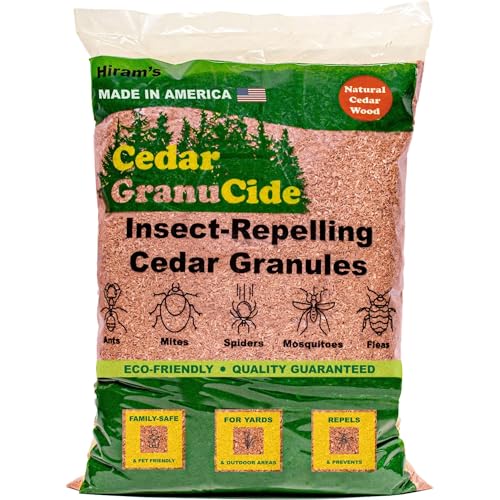
Hiram’s GranuCide Cedar Granules, 8 lb Bag

Control Solutions Cyper TC Termiticide, 1 Gallon

BASF Trelona Compressed Termite Bait Cartridges, 6-Pack

Ortho Home Defense Termite & Bug Killer Concentrate, 16 oz

Spectracide Terminate Termite & Ant Killer Concentrate, 32 oz
Meet The Standout Selections
Wooden landscape timbers, fence posts, and pergola beams take the most abuse from termites because they sit in or near soil. Nisus Bora-Care is a borate-based concentrate that soaks into wood fibers and stays there, creating a treated zone that discourages termites, carpenter ants, wood-boring beetles, and decay fungi for the life of the wood.
You apply it as a 2-foot band treatment to exposed lumber, which is faster than trenching soil around a structure. Coverage runs around 800 square feet per gallon, enough for a sizable deck frame or a long run of fencing. Owners with new construction or freshly replaced lumber tend to get the most value, since older sun-baked wood doesn’t absorb as deeply.
Where It Helps
- Penetrates deep into wood rather than sitting on the surface
- Targets multiple wood-destroying pests in one application
- Long treatment window means fewer repeat trips to the yard
- Works well for DIYers treating new landscape timber or framing
Things To Consider
- Dry, weathered wood absorbs less, so older lumber may need extra coats
- Borate products work by ingestion, so they pair best with bait or barrier strategies rather than as a stand-alone colony killer
Feature Snapshot
Who It Suits Best
Homeowners with new wooden landscape features or a freshly built deck frame who want a long-lasting preventive treatment on raw lumber.
Where Another Pick Suits Better
For active subterranean colonies around a foundation, BASF Trelona Compressed Termite Bait addresses the colony itself rather than just the wood.
Flooded mulch beds are termite magnets, since damp wood debris piled against a foundation gives colonies moisture and cover. PetraMax Lockscape is a landscape glue concentrate designed to lock mulch, pebbles, shells, and pine straw in place so they stay put through heavy rain and foot traffic.
Unlike ready-to-use sprays, this concentrated formula dilutes to cover large beds, which suits anyone maintaining a sloped yard or a path edge that constantly washes out. It does not repel termites on its own, but it keeps your mulch from drifting into the soil line where pests thrive, which is the practical value here.
Reasons It Performs
- Holds mulch and small gravel through wind and rain
- Concentrate format stretches further than pre-mixed sprays
- Useful on slopes, paths, and playground borders
- Helps keep mulch from migrating against the foundation
Worth Noting
- Not a pesticide, so it won’t repel or kill termites directly
- Requires mixing and a pump sprayer for application
- Reapplication may be needed once a year on high-traffic beds
Made For
Gardeners managing sloped or rain-prone beds who want their mulch to stay where they put it.
Skip It When
You need active termite control, since Hiram’s GranuCide Cedar Granules adds a natural scent-based deterrent to the mulch itself.
Bifenthrin-Plus-C is a synthetic pyrethroid concentrate, a class of insecticides modeled on natural chrysanthemum compounds, built for homeowners who want perimeter coverage without calling a service. The 96-ounce jug mixes with water in a pump sprayer and treats the soil band around a home, fence line, or garden edge.
Compared to Nisus Bora-Care’s wood-soak approach, this one creates an outdoor chemical barrier that interrupts termites, wasps, roaches, and a list of other crawling pests before they reach your siding. The trade-off is that it doesn’t treat wood, so pairing it with a borate product gives you the most complete yard setup.
Strong Points
- Targets termites along with wasps and roaches
- Liquid concentrate stretches across large perimeters
- Useful for outdoor barrier treatment around the home
- Works in tandem with a wood treatment for layered defense
Trade Offs
- Requires a pump sprayer and PPE during mixing
- Reapplication is typically needed once or twice a year
- Restricted in some states, so check local rules before ordering
Quick Facts
Right Fit For
Experienced DIYers maintaining a large yard who want a single concentrate to handle multiple crawling pests at once.
A Better Fit Elsewhere
First-timers who want a more forgiving ready-to-spray routine may prefer Ortho Home Defense Termite & Bug Killer Concentrate.
If your priority is keeping a play area or vegetable bed free of synthetic sprays, cedar chips pull double duty as mulch and pest deterrent. Hiram’s GranuCide Cedar Granules are 100% untreated cedar in an 8-pound bag, which spreads easily around the base of plants or across garden borders.
The aroma naturally discourages ants, aphids, spiders, mosquitoes, and other insects that dislike cedar oil. Cedar also resists rot slower than soft mulch, so the layer lasts through a season. You won’t get the aggressive kill power of a pyrethroid, but you also avoid chemical exposure near kids and pets.
What Makes Sense
- Pet and family-safe around edible gardens
- Smells pleasant while repelling common garden pests
- Functions as mulch and deterrent in one layer
- Spreads quickly from the bag with no mixing
Honest Caveats
- Termites aren’t the primary target, so heavier infestations may need a stronger treatment alongside
- Aroma fades after a few weeks and calls for a refresh
Technical Sheet
Who Should Grab It
Households with curious pets or edible gardens who want a chemical-free way to freshen beds and discourage crawling pests.
Another Choice May Suit
For a stronger chemical perimeter around structural wood, Control Solutions Cyper TC Termiticide is built for soil and foundation treatments.
Some yards demand a termiticide labeled for both pre- and post-construction, which is where Control Solutions Cyper TC earns its keep. It’s a cypermethrin-based concentrate designed for foundation walls, crawl spaces, basements, and the hollow voids of porches where subterranean termites travel.
The 1-gallon jug mixes into a fair amount of diluted spray, useful for trenching around a slab or treating a sizeable crawl space. Owners commonly report that this product also knocks down spiders, wasps, fire ants, and chinch bugs around the lawn, which makes it a versatile single-can solution for southern and coastal climates.
Positive Takeaways
- Labeled for both new builds and existing foundations
- Handles subterranean termites plus several lawn pests
- Reaches voids and crawl spaces other sprays miss
- Common choice for professional-grade perimeter jobs
Possible Compromises
- Stronger chemistry means stricter PPE during application
- Overkill for a small garden bed or a one-time spot job
- Restricted in certain states, so local regulations matter
Key Attributes
Built With In Mind
Homeowners with crawl spaces, slab foundations, or porches that need a labeled termiticide applied directly to the structure.
Swap It Out When
For colony-level control through ingestion, BASF Trelona Compressed Termite Bait works as a strategic in-ground station system.
Liquid termiticides repel, but baits aim to wipe out the colony. BASF Trelona uses novaluron, an insect growth regulator, meaning it interferes with a termite’s ability to molt and form new chitin, the hard outer shell insects need to grow. Workers carry it back through grooming and food sharing, spreading the effect across the population.
The 6-cartridge box fits into standard in-ground bait stations, which makes it a smart complement to a perimeter spray rather than a replacement for one. For homeowners with confirmed subterranean activity, this is the strategic pick that addresses the source instead of just the scouts.
Useful Highlights
- Targets the colony through shared feeding and grooming
- Insect growth regulator disrupts molting at the source
- Cartridges fit standard in-ground bait stations
- Pairs with a perimeter barrier for layered defense
Less Ideal Details
- Works slowly, since colonies take weeks to decline
- Requires compatible stations, which may be sold separately
Best Suited To
Homeowners with confirmed subterranean activity who want a colony-targeted addition to their perimeter treatment plan.
Look Elsewhere When
You only need a quick surface barrier, since Spectracide Terminate Termite & Ant Killer Concentrate handles spot applications without station hardware.
First-time homeowners often want something simple. Ortho Home Defense Termite & Destructive Bug Killer Concentrate mixes with water and goes onto perimeter soil or wooden surfaces around the home, which keeps the learning curve low.
The 16-ounce bottle is smaller than most pro-grade concentrates, which makes it easier to finish before the product loses potency. It’s not available in MA, NY, or RI due to local regulations, so shoppers in those states should weigh alternatives.
Practical Pluses
- Beginner-friendly mixing ratio and application
- Smaller bottle suits one-time or seasonal use
- Targets termites and a list of wood-destroying insects
- Affordable entry into outdoor termiticide treatments
Where It May Fall Short
- Not sold in MA, NY, or RI, limiting regional availability
- Smaller volume means refilling mid-project for large homes
Feature Card
Who Will Love This
New homeowners taking their first swing at perimeter pest control without committing to a pro-grade jug.
Reach For A Different Pick When
You need a label-friendly option across all 50 states, where Hiram’s GranuCide Cedar Granules sidesteps chemical restrictions entirely.
Spectracide Terminate splits the difference between the small beginner bottle and the pro-size gallon jugs. The 32-ounce concentrate mixes with water and treats outdoor wooden surfaces, deck posts, and the soil band around the home, which suits a typical suburban yard without buying in bulk.
It also covers carpenter ants, which often appear in the same wood damage as termites. For homeowners who want a middle-ground size without skipping the concentrate format, this lands as a flexible daily-driver option.
The Case For It
- Mid-size bottle fits most suburban yards
- Targets termites and carpenter ants in one product
- Spray concentrate dilutes to cover varied outdoor surfaces
- Reasonable step up from starter bottles without bulk commitment
Some Limits To Know
- Coverage depends on dilution, so plan mixing ratios carefully
- Surface treatment, not a colony strategy like a bait cartridge
- Reapplication typically needed through the warm season
Perfect Match For
Suburban homeowners who want a versatile concentrate size without jumping straight to a 1-gallon professional jug.
Not Your Match When
Your goal is wiping out a subterranean colony, since BASF Trelona Compressed Termite Bait works through ingestion and shared feeding.
What Matters Most Before Choosing Mulches To Repel Termites
Match the product to the pest pressure
Light prevention around a raised bed calls for a different tool than an active infestation near a foundation. Cedar granules and mulch glue work well when you’re discouraging pests before they arrive. Borate wood treatments fit new lumber or recently replaced timbers. Liquid termiticides build a perimeter barrier, while bait cartridges address the colony itself over time.
Layer your defenses instead of relying on one product
Owners with long-term success often combine two or three approaches: cedar mulch for the bed, a borate soak on the deck framing, and either a perimeter spray or in-ground bait stations around the foundation. A single product rarely covers every exposure point, and termites exploit the gaps.
Mind local rules and restrictions
Some concentrates are restricted in states like New York, Massachusetts, and Rhode Island, and a few products aren’t registered in every county. Check local regulations before ordering, especially if you live in a state where Ortho Home Defense isn’t sold. Natural options like cedar granules sidestep these restrictions entirely.
Plan for upkeep, not a one-time fix
Even the strongest termiticide breaks down in soil and UV exposure. Most concentrates need reapplication once or twice a year, cedar granules lose aroma after several weeks, and bait cartridges need monitoring. Your climate, rainfall, and mulch depth all change how often you’ll be back outside with a sprayer or a fresh bag.
Key Considerations Across These Picks
Pitfalls Shoppers Hit
Treating mulch as a stand-alone solution is the most common slip, because mulch alone rarely stops a determined colony. Another misstep is assuming any concentrate works on any surface, since borates need raw wood and pyrethroids need direct soil or perimeter contact. Skipping PPE during mixing also catches beginners off guard, since concentrates are stronger than ready-to-use sprays.
Where The Extra Money Goes
Higher-tier products in this category buy you longer residual activity, broader pest coverage, or colony-level strategy rather than a simple surface kill. A bait system like Trelona costs more up front because it requires station hardware and patience, but it tackles the source rather than just the scouts. For most yards, the upgrade is worth it once you’ve confirmed the pest you’re actually fighting.
Frequently Asked Questions
Do mulches actually repel termites?
Cedar-based mulches discourage many insects thanks to natural oils, but no mulch guarantees full termite prevention on its own. Pairing mulch with a borate wood treatment or a perimeter termiticide creates a layered defense that holds up better in real yards.
How far should mulch sit from the foundation?
A common guidance point is keeping mulch at least 6 to 12 inches away from siding and foundation walls. This reduces moisture contact and removes a direct bridge for termites traveling from soil into the structure.
Are termite concentrates safe around pets?
Most concentrates require pets to stay off treated areas until the spray dries. Cedar granules are a gentler option for households that want zero chemical exposure, though they don’t replace a stronger treatment during active infestations.
How often should I reapply a perimeter termiticide?
Most outdoor concentrates need reapplication once or twice a year, depending on rainfall, soil type, and product label directions. Areas with heavy rain or irrigation break down treatments faster and may need more frequent touch-ups.
Can I combine mulch glue with cedar granules?
Yes, the two serve different jobs. Glue keeps the granules and other mulches from washing into the foundation, while cedar adds a natural scent deterrent. Used together, they reduce both moisture and pest pressure at the soil line.
Closing Remarks
The smartest termite strategy is the one that fits your actual yard, your climate, and how much time you want to spend outside with a sprayer. Start with the most exposed point, whether that’s deck framing, a garden border, or a foundation wall, and build outward from there. With the right combination, you can keep your mulch looking sharp and your home protected at the same time.
