

Toadstools popping up after a wet week can turn a tidy lawn into something that looks neglected, and the underlying causes, usually decaying organic matter, shaded turf, or compacted soil, don’t disappear just because you kick the caps over. Real mushroom control in a lawn starts with understanding that the fungi are symptoms of conditions, not the disease itself, so the right product depends on whether you’re trying to dry out the habitat, treat the soil, or knock down the actual fungus growth.
Below are eight treatments worth your attention, ranging from broad-spectrum lawn fungicides to brush killers that clear the woody debris mushrooms love. Pick the one that matches your lawn’s real problem rather than the one with the loudest label.
The Essentials At A Glance

Fertilome Triple Action Insecticide Miticide Fungicide 32 oz

Fertilome F-Stop Fungicide Granules Eagle Systemic 20 lb

Jonathan Green Lawn Fungus Control 5,000 Sq Ft

Earth’s Ally Disease Control Fungicide Concentrate 32 oz

Southern AG 01113 Brush Weed Killer 1 Quart

Earth’s Ally 3-in-1 Plant Spray 32 oz

Garden Safe Fungicide3 with Neem Oil 1 Gal
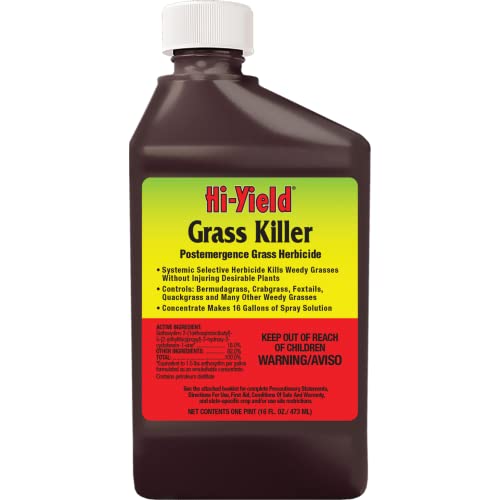
Hi Yield 16 oz Grass Killer
Inside Each Recommended Option
If mushrooms are showing up among your roses, herbs, and shrubs alongside a steady stream of aphids, the Fertilome Triple Action spray earns its keep by handling three problems with one bottle. A 32-ounce concentrate mixes into a foliar spray that reaches leaves, stems, and the soil line where fungal threads establish themselves.
Gardeners juggling fruit trees, vegetables, and ornamentals tend to like the broad label, which covers insects, mites, and common fungal issues in one pass. For mushroom issues specifically, the fungicide side targets surface growth and the conditions that let fruiting bodies reappear after rain.
Features That Help
- Three modes of action in one bottle cut down on the number of products cluttering the shed.
- Label coverage spans fruits, vegetables, herbs, roses, flowers, and shrubs, so one product handles most of the yard.
- Liquid concentrate format mixes quickly into a pump sprayer for even turf and foliage coverage.
- Useful when insects and fungal pressure hit the same plants in the same week, which is common in humid summers.
Things To Consider
- Spray coverage requires a pump or hose-end sprayer, and reapplication intervals depend on weather and growth flushes.
- Concentrate mixing means you measure and dilute before each use, which adds a small chore compared to ready-to-spray bottles.
Right Fit For
Gardeners managing a mixed yard of edibles, flowers, and shrubs who want to knock down insects, mites, and fungal pressure with one well-stocked bottle.
Look Elsewhere When
The Jonathan Green Lawn Fungus Control is a smarter pick if your problem is strictly turfgrass disease across a wide lawn without ornamental beds in the mix.
A 20-pound bag covers serious ground, and that’s the first thing to know about Fertilome F-Stop. This is a granular, systemic fungicide (meaning the active ingredient moves into the plant rather than sitting on the surface) designed to spread evenly with a broadcast spreader across thousands of square feet of turf.
Where the Fertilome spray above handles mixed beds, F-Stop is built for lawn-scale work. The granules feed into the root zone and travel up through the grass plant, addressing fungal pathogens from the inside out and protecting against more than a dozen listed turf diseases.
A Few Highlights
- Systemic uptake reaches pathogens inside the plant rather than only coating the surface.
- One application protects turfgrass for up to four weeks, reducing repeat treatments.
- Granular format spreads cleanly with a standard lawn spreader, no mixing required.
- Wide disease spectrum makes it a sensible choice for yards with recurring or unidentified turf issues.
Worth Noting
- A 20-pound bag is heavy to haul and store, and you may not need that volume on smaller lots.
- Granular fungicides need watering-in after application to activate and move into the root zone.
- Results depend heavily on timing, and applications during peak disease pressure yield the cleanest outcomes.
Key Specs
Best Suited To
Homeowners with mid to large lawns who want a spreader-friendly, systemic option that lasts through a month of disease pressure.
Consider Something Else When
The Hi Yield Grass Killer concentrate is a better match if the lawn problem is actually unwanted grass species rather than a fungal disease.
Jonathan Green has built a name around lawn-specific products, and the Lawn Fungus Control fits that focus by targeting the most common turf diseases homeowners actually see. The granular bag is sized for a typical suburban lot, with a coverage footprint around 5,000 square feet that matches the average city-yard reality.
Where Fertilome F-Stop brings a wider spectrum, this pick leans into the specific diseases that drive most lawn complaints: brown patch, dollar spot, red thread, leaf spot, and pink snow mold. For homeowners who recognize those names, the narrower focus reads as targeted rather than limited.
Bright Spots
- Granular spreader application skips the mixing and measuring that liquid concentrates require.
- Coverage footprint of around 5,000 sq ft suits a typical suburban lawn without leftover product.
- Formulated for both preventing new fungal outbreaks and slowing existing ones.
Trade Offs
- Like other granulars, watering-in is required to activate the active ingredient.
- The label focuses on common cool-season lawn diseases, which may leave gaps in warmer southern lawns.
- Storage in a dry shed or garage preserves potency since moisture can clump the granules.
Who It Suits Best
Suburban homeowners with cool-season turf who recognize common lawn diseases and want a granular option sized to a typical city lot.
Skip It When
Southern Ag 01113 Brush Weed Killer is a smarter fit if the real problem is brush and decaying woody debris feeding mushroom growth along a fence row.
Earth’s Ally takes a different angle with a citric-acid-based concentrate, leaning on a food-grade active ingredient that reads as gentler than traditional synthetic fungicides. The 32-ounce bottle dilutes into a foliar spray that handles powdery mildew, downy mildew, blight, canker, black spot, and leaf spot.
For households with curious dogs, kids who play on the lawn, or edible gardens close to harvest, the simpler active ingredient list often matters more than the deepest possible disease spectrum. You give up some of the systemic depth that products like Fertilome F-Stop offer, but you trade it for a more reassuring label.
Positive Takeaways
- Citric acid active ingredient keeps the formula approachable for households with pets and children.
- Targets the most common plant diseases on ornamentals and edibles without harsh residues.
- Liquid concentrate format covers a sizable garden on a single bottle when properly diluted.
Points To Note
- Reapplication cadence may be tighter than synthetic systemic options during heavy disease pressure.
- Concentrate still requires mixing before each spray session, which adds setup time.
- Storage in a cool, dark spot preserves the citric acid formula’s potency between seasons.
Built With In Mind
Households prioritizing a simpler active ingredient where pets, kids, or edibles share space with the lawn or garden being treated.
Reach For A Different Pick When
Fertilome Triple Action is the more capable option for large mixed plantings that need insect, mite, and fungal coverage in a single product.
Mushrooms often show up where there’s decaying wood, old stumps, or thick brushy growth feeding the underground mycelium (the thread-like fungal network that produces mushrooms). Southern Ag Brush Killer works on that habitat problem, clearing vines, brush, and stump regrowth that hold moisture and organic matter against the soil.
The active ingredient, triclopyr, handles the woody and viny growth that lawn fungicides won’t touch. Mix it as a foliar spray for brush or apply directly to freshly cut stumps to suppress regrowth, and you remove one of the persistent food sources for fungi over several seasons.
Where It Delivers
- Tackles the woody habitat mushrooms feed on rather than only the visible fruiting bodies.
- Useful for fence rows, pasture edges, and non-crop areas where brush piles collect moisture.
- Stump treatment option prevents the slow regrowth that creates new fungal habitat later.
- Concentrate format dilutes to the coverage level the job actually needs.
Less Ideal Details
- This is not a turf fungicide, so it won’t address the mushroom fruiting bodies themselves directly.
- Application timing and concentration matter, with brush and stump treatments calling for different rates.
- Goggles, gloves, and protective clothing are practical considerations during foliar spraying.
Perfect Match For
Property owners clearing fence rows, old stumps, or brushy edges where decaying wood keeps feeding mushroom colonies season after season.
Swap It Out When
The Fertilome F-Stop granules are a better fit if your goal is treating the lawn surface itself rather than clearing woody habitat around it.
Where Earth’s Ally Disease Control is a concentrate you measure and mix, this 3-in-1 Plant Spray comes ready to use, which is the whole point. The bottle screws onto a standard spray nozzle or works with a pump sprayer and gets to work without prep, and the botanical-oil blend addresses soft-bodied insects alongside common fungal issues.
For a weekend gardener treating a few problem shrubs or a small lawn section, the no-mix convenience often beats the per-ounce savings of a concentrate. You trade economy for time, and for many casual users that trade is worth making.
A Favorable Mix
- Ready-to-use bottle removes measuring and mixing from the routine.
- Botanical-oil active ingredient handles both soft-bodied insects and common fungal problems.
- Useful indoors and outdoors, which suits houseplants that spend part of the year on a patio.
Small Caveats
- Per-ounce cost is steeper than concentrate options for larger coverage areas.
- Botanical-oil contact action requires thorough leaf coverage to reach hidden pests on the underside of foliage.
- Reapplication during humid stretches is common since the active ingredient breaks down in sunlight.
Quick Facts
Who Should Grab It
Casual gardeners with small plantings who want to skip measuring and treat a few shrubs or houseplants in a single afternoon.
A Better Fit Elsewhere
Fertilome F-Stop is the smarter match for a full lawn that needs systemic turf disease coverage rather than spot treatments on a handful of plants.
Garden Safe’s Fungicide3 brings clarified hydrophobic extract of neem oil into a single gallon container that handles fungus, insects, and mites across ornamentals, vegetables, and houseplants. Neem oil works as both a contact treatment and a mild systemic, slowing fungal growth and disrupting insect feeding at multiple life stages.
For organic-leaning gardeners, the OMRI-listed (Organic Materials Review Institute) status and the broad use label make this a daily driver rather than a specialty tool. The gallon format suits gardeners who treat the same beds repeatedly through the growing season.
Practical Pluses
- Three functions in one bottle simplify treatment routines for mixed gardens.
- Neem oil addresses insect eggs, larvae, and adults rather than only the most visible life stage.
- Acceptable for organic gardening use, which matters for edible beds and pollinator-friendly plantings.
- One-gallon format keeps the bottle in regular rotation across the season.
Practical Considerations
- Neem oil has a distinctive sulfur-like odor that lingers on foliage for a day or two after spraying.
- Foliar coverage must be thorough, including leaf undersides, for full insect-stage effectiveness.
- Storage in moderate temperatures preserves the emulsion since neem oil can separate in extreme cold or heat.
Made For
Organic-leaning gardeners with edible beds and ornamentals who want one product that handles fungal and insect pressure across many plants.
Where Another Pick Suits Better
Jonathan Green Lawn Fungus Control is the cleaner choice for a full lawn of cool-season turf where granular systemic action beats foliar oil sprays.
Hi Yield’s Grass Killer is a selective post-emergent herbicide, meaning it targets grass weeds after they’ve already sprouted rather than preventing them. It earns a place on a mushroom-control list because it removes the weed grasses that often sprout through mushroom-rich patches along beds, fences, and pavement edges.
A 16-ounce concentrate dilutes into roughly 16 gallons of finished spray, which is plenty for spot-treating problem areas around vegetable plots and ornamental beds. For gardeners who want clean bed edges without harming the surrounding broadleaf plants, selective grass control is the right tool.
The Good Stuff
- Selective formula targets weedy grasses without harming broadleaf ornamentals and vegetables.
- Concentrate dilutes to a large finished spray volume from a small bottle.
- Useful around garden edges, driveways, and fence lines where unwanted grass keeps returning.
Honest Caveats
- Growth stops within roughly two days, but full die-off takes longer depending on grass species and weather.
- Spot treatment is the realistic use case since overspray can affect desirable lawn grass.
- Reapplication may be needed for perennial grasses that regrow from roots.
Feature Rundown
The Right Fit
Gardeners cleaning up grass weeds creeping into vegetable beds and ornamental borders where a selective herbicide fits the routine.
Not Your Match When
The Garden Safe Fungicide3 is a smarter pick when the real priority is treating fungal disease on ornamentals and edibles rather than removing weedy grass.
What To Weigh Before Buying A Lawn Mushroom Treatment
The first decision is whether your mushrooms are a symptom of a fungal disease attacking living grass, or whether they’re simply opportunistic fungi feeding on dead organic matter underground. The former responds to fungicides like Fertilome F-Stop or Jonathan Green Lawn Fungus Control, while the latter responds better to removing the food source through dethatching, clearing brush with Southern Ag 01113, or improving drainage.
Active ingredient matters, especially in households with pets or edible gardens. Synthetic systemics offer longer protection windows, while citric acid and neem oil options like Earth’s Ally and Garden Safe trade some depth for simpler labels and easier reentry times. For mixed plantings, a three-in-one bottle like Fertilome Triple Action or Garden Safe Fungicide3 reduces the number of products to manage.
Application format shapes the routine more than most shoppers expect. Granular products spread quickly with a broadcast spreader and need watering-in, while concentrates require mixing and pump-sprayer setup but cover more area per dollar. Ready-to-use sprays skip the prep but cost more per ounce, which adds up across a full lawn.
Coverage footprint and lawn size should match within reason. A 20-pound bag on a small city yard creates leftover storage concerns, while a 16-ounce concentrate on an acre leaves you mixing constantly. Scaling the product to your actual square footage saves both money and shelf space.
Key Considerations Across These Picks
Where Shoppers Go Wrong
Treating the visible mushroom rather than the habitat is the most common mistake, and the products here only work when matched to the actual cause. A fungicide won’t help if the real problem is a buried stump feeding mycelium for years, and a brush killer won’t fix a lawn-wide fungal disease outbreak.
Skipping the label reentry intervals is another avoidable trap. Pets and kids who walk across treated turf before the product has dried or been watered in can track residue indoors, and the reentry windows on the label exist for practical reasons worth respecting.
What The Higher Tier Buys
Stepping up to a broader-spectrum systemic fungicide like Fertilome F-Stop buys longer protection windows and wider disease coverage, which matters on larger lawns where repeat treatments multiply the cost of cheaper products. The upgrade pays off when disease pressure is high or unidentified, since the broader spectrum covers more possibilities with one bag.
Bigger container sizes bring a different return: a 20-pound granular bag or a one-gallon neem oil bottle costs less per ounce and reduces mid-season repurchasing. For gardeners treating the same lawn or garden beds through a full growing season, the upfront spend pays back in convenience and shelf-stable supply.
Frequently Asked Questions
Do I need a fungicide to stop mushrooms in my lawn?
Often the mushrooms themselves are harmless and the real issue is the conditions that feed them. Fungicides help when fungal disease is attacking living grass, but improving drainage, reducing thatch, and clearing buried wood addresses the habitat more directly.
Are natural options like neem or citric acid effective on lawn fungi?
They work well for surface fungal issues and as part of a routine, especially on ornamentals and edibles. For severe lawn-wide disease pressure, synthetic systemic fungicides typically provide longer protection windows and faster results.
How soon will I see results after treating?
Visible improvement on fungal growth often shows within one to two weeks under good conditions. Full die-back of mushrooms depends on weather, soil moisture, and whether the underlying habitat has been addressed, so patience matters as much as product choice.
Can I use these products around pets and children?
Always check the specific product label for reentry intervals and safety guidance. Botanical options like Earth’s Ally and Garden Safe generally offer shorter reentry times, but following the printed instructions is the responsible move regardless of which product you choose.
How often should I reapply a lawn fungicide?
Most granular systemic products protect turfgrass for roughly four weeks per application. Liquid and botanical options typically need more frequent reapplication during humid or wet stretches, with the label giving the precise interval for that specific product.
Bottom Line
The right product depends less on label promises and more on what’s actually causing mushrooms in your lawn, whether that’s a fungal disease, decaying wood, or just damp thatch. Match the treatment to the cause, follow the label, and expect to revisit the problem next season if the underlying conditions don’t change.
