

Ants seem to find every kitchen counter, garden path, and picnic blanket eventually, and most people would rather not reach for a harsh chemical spray when the trail shows up. Natural ant repellents lean on botanical oils and mineral powders to interrupt scent trails and discourage colonies from settling in. The trade-off is that results depend heavily on placement, persistence, and which formula matches your ant problem.
This list rounds up eight options worth considering, from gel barriers made for hummingbird feeders to indoor sprays designed around kids and pets. Each pick below is matched to a specific situation, so you can find a fit without overthinking the bottle.
The Picks In Brief
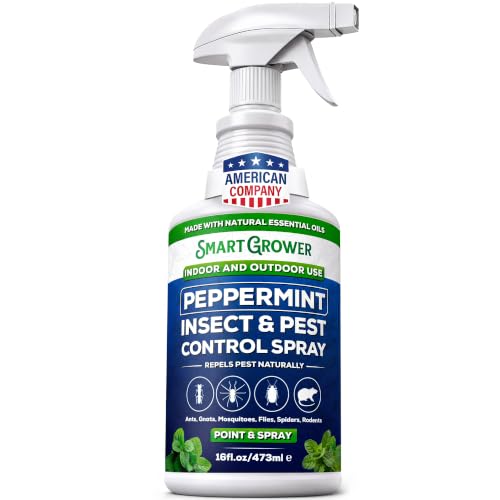
Peppermint Oil Spray for Rodents, Insects, Pest Control 16oz

Diatomaceous Earth & Peppermint Powder 1 lb
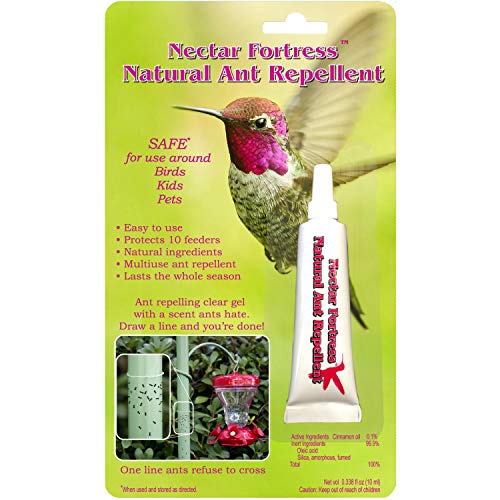
Sapphire Labs Nectar Fortress Gel Ant Guard
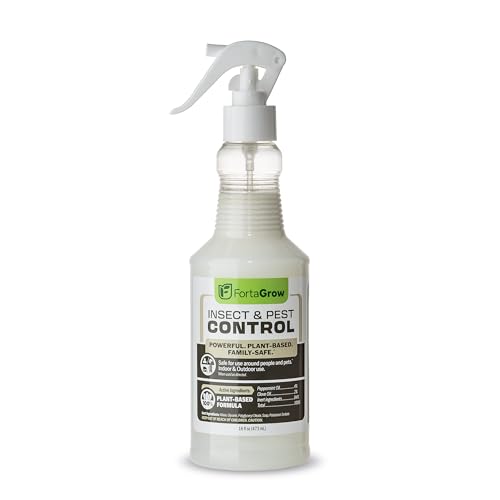
Extra-Strength Peppermint & Clove Oil Spray 16oz

Waspika Peppermint Insect Repellent 16 oz

Geomust DE and Peppermint Oil Insect Killer 1 lb

GoneNaturally Peppermint Bug Spray 16oz

CVKDGJD Ant Deterrent 4-Pack
This ready-to-use spray from Smart Grower goes after a wider list of pests than most bottles in this category. Peppermint oil (a botanical extract that disrupts ants’ scent trails and irritates their senses) sits at the center, and the 16-ounce bottle covers baseboards, entryways, and garage corners without dilution. Anyone dealing with ants plus occasional spiders or wasps benefits from the broader reach.
Unlike the powders further down this list, the liquid format lets you target vertical surfaces like door frames and window sills where ants tend to march. For households where the ant problem keeps shifting rooms, the versatility is a real plus.
Good Reasons To Consider
- Broad-spectrum formula covers ants, spiders, wasps, and other crawling pests
- Ready-to-use 16-ounce bottle needs no mixing or measuring
- Liquid spray reaches vertical surfaces where powders cannot stick
- Works indoors and outdoors on baseboards, patios, and entryways
- Larger 128-ounce refill option helps if you spray frequently
Worth Noting
- Peppermint scent reapplication is typically needed every few days in high-traffic areas
- Liquid can leave a light residue on untreated wood or unfinished surfaces
Made For
Households juggling multiple pest types in kitchens, garages, and outdoor entry points who want one bottle that handles most of the list.
Consider Something Else When
Waspika Peppermint Insect Repellent suits pet-heavy homes better, since it leans further into a plant-based safety profile for households with curious animals.
RobiGuard’s blend pairs food-grade diatomaceous earth (a fine powder made from fossilized algae that damages the exoskeletons of insects on contact) with peppermint powder for a two-way attack. The DE handles roaches, fleas, and silverfish through physical action, while the peppermint layer works on the ants’ scent trails. Garages, basements, and utility rooms are where this kind of dry formula shines.
Compared with the liquid sprays above, this powder reaches into wall voids, under appliances, and along baseboard edges where liquids would just run off. Coverage is measured by thin, even dust rather than soaking the surface.
A Favorable Mix
- Combines mechanical and scent-based repellent action in one container
- One-pound bag covers many small applications around a home
- Reaches cracks, voids, and under-appliance zones where sprays miss
- Targets a wider pest range including fleas and bedbugs alongside ants
Trade Offs
- Powder form becomes ineffective when wet, so outdoor placement needs dry shelter
- Visible dust on light-colored flooring requires careful application along edges
- Reapplication is the norm after cleaning or heavy foot traffic
Key Specs
Best Suited To
Homeowners with ant trails along baseboards and crawl-space-adjacent rooms who want a non-spray alternative that reaches the spots liquids miss.
Look Elsewhere When
CVKDGJD Ant Deterrent works better for open-plan homes needing perimeter coverage, since its multi-pack spray format covers wider areas faster.
The Nectar Fortress stands apart from the sprays and powders on this list because it solves a specific problem: ants raiding hummingbird feeders. The clear gel sticks to poles and hooks, creating a scent barrier ants refuse to cross. Bird-watchers who have fought the ant-moat battle for years tend to appreciate the simplicity.
It also extends beyond feeders, working on bird-house poles and hooks around the yard. Where the peppermint sprays above treat general indoor-outdoor ant traffic, this one targets a single high-stakes zone.
Practical Pluses
- Stays put on vertical poles and hooks without dripping
- Clear gel keeps feeders looking clean rather than coated
- Can replace a hanging ant moat entirely on most feeder setups
- Useful on multiple pole-mounted outdoor fixtures beyond feeders
Soft Spots
- Narrow use case limits value for households without bird feeders
- Gel dries out over time, so refresh intervals matter in hot climates
Whose Shelf It Belongs On
Backyard bird enthusiasts whose feeders get raided every summer and who want a non-spray option that does not bother the birds themselves.
A Better Fit Elsewhere
Smart Grower Peppermint Oil Spray covers broader indoor ant traffic, so apartment dwellers without a yard get more mileage from a bottle like that.
FortaGrow’s formula leans on a higher concentration of active oils than most bottles in this category. Peppermint and clove oils combine to create a botanical spray positioned for tougher ant and spider situations. Households with persistent infestations, or homes near wooded edges, are the natural audience here.
The catch is that extra strength also means stronger scent right after application. Most people acclimate after a few minutes, but a quick ventilation pass helps. Compared to the standard peppermint sprays above, this one trades a gentler aroma for stronger pest pressure.
Everyday Perks
- Higher oil concentration tackles active infestations faster
- Two complementary oils create broader repellent coverage
- Works indoors and outdoors around kitchens and storage areas
- Liquid spray reaches baseboards and entry points with no mixing
Honest Caveats
- Strong botanical scent lingers longer than milder sprays
- Reapplication windows shorten in humid or rainy outdoor conditions
Quick Facts
Who Should Grab It
Homeowners facing established ant colonies that milder peppermint sprays have not solved, especially in older homes with multiple entry points.
Reach For A Different Pick When
Waspika Peppermint Insect Repellent suits homes with small children and indoor pets better, where scent strength and gentleness matter more than extra potency.
Waspika’s spray focuses on indoor kitchens and living spaces where ants and spiders cross paths with people, food, and pets. The plant-based formula (built around peppermint oil rather than harsher synthetic actives) makes it a common pick for family homes that want pest control without chemical worry.
Compared to the broader Spectrum sprays earlier on this list, Waspika’s strength is gentleness over firepower. For light-to-moderate ant activity in homes with kids and pets, that trade-off usually lands well.
Strengths Worth Knowing
- Plant-based formula positions it well for homes with pets and children
- Suitable for kitchens where food prep surfaces need gentler products
- Covers ants and spiders with a single bottle
- Light scent fades faster than higher-concentration alternatives
Points To Consider
- Lower active concentration may struggle with established outdoor colonies
- Regular reapplication stays important for ongoing trail disruption
Who Will Love This
Parents and pet owners dealing with routine ant trails through kitchens and living areas who prefer plant-derived formulas over synthetic ones.
Skip It When
FortaGrow Extra-Strength Peppermint & Clove Oil Spray fits households with persistent infestations better, since it carries a higher active concentration for tougher pest pressure.
Geomust’s container pairs food-grade diatomaceous earth with peppermint oil for outdoor-leaning ant control. Garden beds, patio edges, and foundation perimeters are the intended zones, where the powder can dry-sit without rain washing it away mid-week. The 1-pound bag covers a meaningful chunk of yard perimeter.
Versus RobiGuard’s earlier powder, the Geomust blend leans further into outdoor versatility. Indoor placement still works, but this one is built to handle the weather-resistant use case better.
Notable Gains
- Food-grade DE makes it approachable for households wary of harsh powders
- Peppermint oil adds a scent element to the physical DE action
- Targets ants plus roaches, fleas, bedbugs, and silverfish
- Works indoors and outdoors depending on where the trails appear
A Few Limitations
- Powder needs dry placement to remain effective outdoors
- Application along light-colored garden stones can leave visible residue
Feature Snapshot
Right Fit For
Garden owners and patio entertainers dealing with ant trails along foundations and outdoor dining areas who want a powder that handles both sides of the wall.
Another Choice May Suit
GoneNaturally Peppermint Bug Spray makes more sense for indoor-heavy use, since its liquid format and three-oil blend suit baseboards and kitchen corners more cleanly.
GoneNaturally takes a three-oil approach, blending peppermint, clove, and spearmint into one spray bottle. The broader botanical mix gives it a slightly different scent profile than single-oil competitors, and the extra oils expand the repellent reach across ant, roach, and spider activity. Mixed indoor-outdoor homes tend to gravitate here.
Relative to the Waspika spray reviewed earlier, this one trades a single-oil simplicity for a layered botanical approach. The mint scent tends to feel slightly different to most people, which can matter for sensitive households.
Features That Help
- Three-oil blend covers ants, roaches, and spiders with one bottle
- Suitable for indoor and outdoor placement around the home
- Positioned for homes with kids and pets when used as directed
- Liquid format reaches baseboards and entry points
Room For Improvement
- Layered mint scent may feel stronger than single-oil alternatives for sensitive noses
- Outdoor longevity depends on weather and rainfall between applications
Perfect Match For
Households juggling ant trails on both sides of the wall who prefer one multi-oil bottle over buying separate indoor and outdoor products.
Not Your Match When
Sapphire Labs Nectar Fortress Gel Ant Guard suits backyard bird enthusiasts better, since the gel barrier is purpose-built for hummingbird feeder poles.
CVKDGJD’s ant deterrent comes in a four-bottle pack, which shifts the value proposition toward coverage rather than potency. Each bottle covers up to 120 square feet, and the multi-pack lets you place deterrents in several rooms or zones at once. Larger homes, multi-level apartments, and people managing chronic trails in different corners all benefit from the spread.
Compared with the single-bottle sprays above, this product trades concentrated firepower for quantity and placement flexibility. It also takes a different approach, working by causing ants to carry the formula back to the colony rather than only repelling on contact.
What Works In Its Favor
- Four-bottle pack lets you place deterrents in several zones simultaneously
- Coverage area of up to 120 square feet per bottle
- Targets visible ants and hidden colony members
- People-, pet-, and plant-friendly positioning for indoor and outdoor use
- Spray concentrate format suits refill and reuse patterns
Practical Considerations
- Multi-pack format adds storage needs compared with single-bottle options
- Spray concentrate often requires more careful application than ready-to-use sprays
Built With In Mind
Homeowners with ant pressure in multiple rooms or zones who want simultaneous placement rather than rotating a single bottle around the house.
Swap It Out When
Smart Grower Peppermint Oil Spray fits smaller homes and apartments better, where a single 16-ounce bottle covers the typical footprint without extra storage.
Picking Natural Ant Repellents That Actually Work
Matching the formula to the ant problem matters more than chasing the strongest bottle. Powders reach into voids and cracks where sprays cannot, gels solve targeted problems like feeder poles, and liquids handle baseboards and entry points where ants march in lines. The right shape depends on where your trails show up.
Spray vs Powder vs Gel
Liquid sprays suit vertical surfaces and quick reapplications around high-traffic entry points. Powders work in dry, sheltered zones like baseboard gaps and garage corners, where they stay put long enough to do their job. Gels fit narrow use cases like hummingbird feeder poles or specific outdoor fixtures. Most households end up combining two formats rather than relying on one.
Indoor Safety With Pets and Kids
Plant-based formulas built around peppermint, clove, and spearmint oils are the gentler choice for family homes. Even so, surface sprays should dry before pets walk through treated areas, and powders need placement out of reach of curious hands. Treat any repellent as a tool to use carefully rather than something to ignore after application.
Active Concentration and Scent Strength
Higher active-ingredient concentrations tackle established trails faster but bring stronger botanical scent right after application. Lower concentrations fade quickly and need more frequent reapplication. The honest trade-off is potency versus livability, and your tolerance for mint scent after spraying drives most of that decision.
Outdoor Durability
Rain, humidity, and sun all shorten the working life of natural formulas outdoors. Powders need dry placement, and sprays need reapplication after weather. Indoor placement tends to last longer simply because conditions stay more stable.
Common Shopping Slip Ups
Pitfalls Shoppers Hit
Choosing a bottle based on scent alone usually backfires. Ant trails often follow the same invisible highways regardless of which natural formula you pick, so the right product is the one that matches your ant pressure and your home’s layout. A strong-scent spray in a small apartment feels overpowering, while a mild bottle in a basement with established colonies barely makes a dent.
Where The Extra Money Goes
Higher-priced natural ant repellents typically buy higher active-ingredient concentrations, multi-oil blends, or larger pack sizes that cover more ground. For chronic infestations or multi-zone homes, the upgrade tends to earn its keep. For light, occasional ant activity, a standard bottle at a gentler price point usually delivers the same practical result without overspending.
Frequently Asked Questions
How long do natural ant repellents typically last once applied?
Most botanical sprays hold their scent and repellent action for several days indoors, with outdoor longevity dropping after rain or heavy sun. Powder formulas last longer when kept dry but need replacement after cleaning or foot traffic. Expect to refresh both formats on a weekly cadence in active problem zones.
Are natural ant repellents safe to use around pets and small children?
Plant-based formulas built around peppermint, clove, and spearmint oils are generally positioned as safer around families when used as directed. Surface sprays should still dry before pets walk through treated areas, and any repellent should be stored out of reach of curious hands. Treat each bottle as a tool requiring reasonable care.
Where should I spray or place natural ant repellents for best results?
Baseboards, door frames, window sills, and garage entry points are the highest-traffic ant paths in most homes. Outdoors, foundation perimeters and patio edges benefit from treatment. Powders fit gaps and voids, sprays fit vertical surfaces, and gels fit narrow pole-mounted fixtures.
Can natural ant repellents eliminate an entire ant colony?
Most natural repellents work by disrupting scent trails and discouraging ants from entering treated zones. Some formulations are designed to be carried back to the colony by worker ants, which can reduce the population over time. Full colony elimination typically requires persistence across multiple applications and addressing the nest directly.
Do natural ant repellents work on all ant species?
Peppermint and clove oils discourage many common household ant species through scent disruption, though results vary by ant type and environmental conditions. Larger carpenter ants and aggressive outdoor species may need more frequent application or a multi-format approach combining sprays, powders, and entry-point sealing.
The Takeaway
The right natural ant repellent depends on where the trails show up, how persistent the colony feels, and who shares the home. Sprays handle baseboards and entry points, powders reach the gaps liquids miss, and gels solve specific outdoor problems like hummingbird feeder poles. Matching the format to your situation usually beats chasing the strongest bottle on the shelf, and a steady weekly rhythm of reapplication tends to matter more than any single formula’s potency.
