

The backyard should feel like a refuge, not a feeding ground, and that’s exactly the gap plant-based mosquito sprays aim to close. Whether you host weekend cookouts, garden at dusk, or just want your patio chairs back, the right botanical formula can change how your outdoor space behaves from May through September. The eight options below cover everything from passive repellent balls to hose-end concentrates, so you can match the format to your yard, your tolerance for reapplication, and how much square footage you’re actually defending.
The Main Contenders
AUDQQM Mosquito Repellent Balls Outdoor-8P
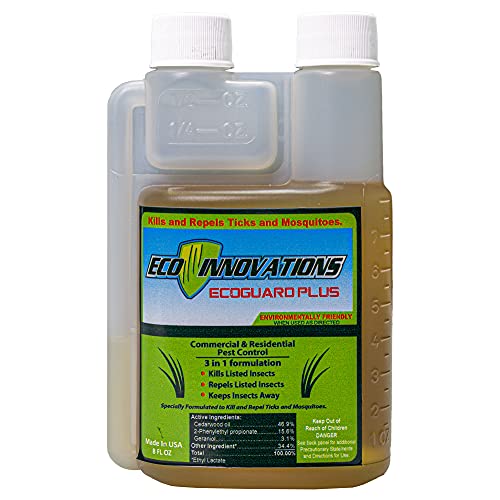
EcoGuard Plus Mosquito & Tick Yard Spray 8oz

Cedarcide YardSafe Cedar Oil Spray 1 Quart

Cutter Essentials Bug Control Concentrate 32 Oz

Wondercide Mosquito and Fly Aerosol 10oz 2-Pack

SUNDAY Cedar Oil Mosquito Yard Spray Hose-On 2-Pack

Kopplvn Mosquito Repellent Outdoor Patio 8-Pack
PetArmor Home Yard Spray 32oz
The Strengths Of Each Pick
Passive repellents earn their place when you don’t want to think about spraying, and the AUDQQM set leans fully into that hands-off pitch. You drop the balls around seating areas, planters, or deck corners and they quietly release scent for up to two months, which beats the daily cycle of a handheld spray. For renters and apartment dwellers who can’t hose chemicals across shared patios, the format solves a real constraint.
The eight-pack layout spreads coverage across multiple zones, so you’re not stacking all your defense into one basket. Compared with the EcoGuard Plus spray that follows, this AUDQQM option trades active saturation for a slower, ambient approach. You trade fast knockdown for a low-effort routine that fits quiet evenings outdoors.
What Helps Most
- Longevity rated at roughly two months per ball, cutting down on constant reapplication
- Eight-count bundle covers separate seating zones, planters, and entry points at once
- Set-and-forget format suits renters and shared patios where spraying isn’t practical
- No mixing, diluting, or hose attachment required
Honest Caveats
- Scent fades faster in open, breezy layouts away from sheltered corners
- Works best as a zone treatment, not full-yard coverage for large lots
Right Fit For
Apartment patios, small balconies, and covered porches where you want quiet, low-maintenance protection.
Look Elsewhere When
The Kopplvn 8-pack serves better if you camp or move between an RV, tent, and backyard, since that option lists broader portable use cases in its coverage claim.
The EcoGuard Plus 8oz bottle fits a different rhythm than the AUDQQM balls: you carry it out, mist the perimeter, and put it away. Plant-based essential oils drive the formula, and the small footprint makes it easy to keep by the back door for evening touch-ups around chairs, cushions, or a grill island. It hits that sweet spot for someone who wants spray control without hauling a hose-end jug around.
Where the AUDQQM balls passively surround a small patio, this spray gives you a targeted barrier you can refresh on demand. For porches and outdoor kitchens, that precision tends to matter more than full-yard saturation. You may find yourself reaching for it more often than expected once mosquitoes start cycling through.
What Pays Off
- Compact 8oz size stores easily by the door for evening reapplications
- Essential oil formula appeals to shoppers avoiding synthetic chemical residues
- Targets both mosquitoes and ticks in a single spray pass
- Handheld format lets you concentrate on door frames, cushions, and shaded corners
Small Caveats
- Smaller bottle means more frequent refills for larger yards
- Reapplication rhythm depends on weather, so humid evenings may shorten the window
Built With In Mind
Homeowners with compact outdoor living rooms who want targeted, on-demand coverage without breaking out a hose.
Swap It Out When
Pet owners should consider the PetArmor Home Yard Spray instead, since it’s designed around hose-on perimeter defense for dogs and broader tick exposure.
Cedarcide YardSafe steps up to serious acreage, with a hose-on quart bottle rated for up to 5,000 square feet and cedar oil as the active workhorse. The cedar-and-essential-oil blend aims at mosquitoes, ticks, fleas, and mites in a single pass, so households dealing with multiple pests don’t have to rotate products. You attach it to a standard garden hose and walk the perimeter, which keeps prep minimal.
Versus the Cutter Essentials concentrate that comes next, this Cedarcide leans into the natural-oil positioning and broader pest list. The trade-off shows up in price per ounce, where the more conventional Cutter typically undercuts botanical options. For families juggling dogs, kids, and tall grass, the multi-pest reach tends to justify the spend.
The Practical Payoff
- Hose-on quart covers up to 5,000 square feet in one application session
- Targets mosquitoes, ticks, fleas, and mites with the same cedar oil base
- No reentry wait time after spraying, so kids and pets can return quickly
- Family-and-pet positioning appeals to households avoiding harsher synthetics
Trade-Offs To Consider
- Cedar scent lingers longer than lighter essential oil blends
- Per-ounce cost runs higher than conventional concentrate options
- Coverage claim depends on consistent walking speed and overlap along the perimeter
Key Product Details
Whose Shelf It Belongs On
Families with mid-size yards, dogs, and ongoing tick exposure who want one botanical product that handles several pests at once.
Reach For A Different Pick When
The SUNDAY Cedar Oil hose-on 2-pack fits better for shoppers treating expansive lots who want a value-priced cedar formula on hand.
Cutter has been in the backyard game long enough that the Essentials concentrate feels like a familiar tool rather than a gamble. The 32-ounce bottle dilutes into a pump or hose-end sprayer, which gives you control over how far one jug actually stretches. For someone watching the budget, that flexibility tends to matter more than chasing a boutique botanical label.
Unlike the Cedarcide YardSafe that leans into cedar oil and pet-safe branding, Cutter plays the long game on volume and household recognition. The honest read is that this is a workhorse, not a specialty product. You mix, you spray, and you get coverage without ceremony.
A Strong Showing
- 32-ounce concentrate dilutes into multiple sprayer refills
- Established brand reputation for backyard mosquito programs
- Compatible with standard pump and hose-end applicators
- Lower cost per treated square foot than most natural alternatives
Points To Keep In Mind
- Concentrate requires measuring and mixing before each session
- Synthetic-leaning formulation may not suit shoppers wanting pure botanical ingredients
Made For
Budget-driven households who already own a pump sprayer and want reliable, repeatable coverage across a full yard.
Where Another Pick Suits Better
The Cedarcide YardSafe earns its place over Cutter for families prioritizing a cedar-oil base and broader pest targeting in one bottle.
Wondercide’s aerosol skips the mixing and the hose entirely, instead putting a contact-kill spray can in your hand. The lemongrass and geraniol formula lists over 20 flying insects, so mosquitoes share shelf space with house flies, gnats, and fruit flies. For indoor-outdoor crossover, that’s versatility rather than a one-note repellent.
Where the EcoGuard Plus bottle treats a small radius around your seating, Wondercide’s aerosol takes a more direct line: spray, kill, move on. The two-pack extends that reach across garages, kitchens, and patios without restocking mid-summer. It’s the grab-and-go companion to whatever hose-end jug sits in the shed.
A Favorable Mix
- Aerosol format requires no mixing, diluting, or sprayer maintenance
- Lemongrass and geraniol base appeals to shoppers wanting plant-derived actives
- Two-pack covers multiple zones, including garages and screened porches
- Works indoors and outdoors for flexible deployment
Some Limits To Know
- Aerosol cans deplete faster than concentrate or hose-on formats
- Not designed for broad-acreage perimeter defense
Best Suited To
Households that want a fast, contact-kill spray for visible mosquitoes around entryways, porches, and indoor spaces.
A Better Fit Elsewhere
The Cedarcide YardSafe quart serves shoppers who need broad yard coverage rather than targeted aerosol touch-ups.
SUNDAY leans into the same hose-on simplicity as Cedarcide but doubles down on volume with a two-pack format. The cedar-and-lemongrass oil blend targets mosquitoes with an expected residual window of up to four weeks, which puts it in the same longevity conversation as longer-lasting botanical options. Two bottles mean you can treat the front and back yard in separate sessions without rationing.
Compared with the single Cedarcide quart, the SUNDAY pair trades a slightly smaller individual bottle for redundant supply. For households that treat mosquito control as a recurring summer project, that redundancy reduces mid-season scrambling. The honest read is that this is cedar-oil coverage scaled up for larger properties.
Positive Points
- Two-pack supply supports multiple treatment sessions across a season
- Cedar and lemongrass oil base for shoppers avoiding synthetic actives
- Hose-on attachment eliminates mixing and measuring steps
- Targets mosquitoes alongside flea and tick concerns
Worth Bearing In Mind
- Residual window of up to four weeks may shorten in heavy rain or irrigation cycles
- Two bottles require storage space in a garage or shed
Who Should Grab It
Homeowners with larger suburban lots who want cedar-oil mosquito control with backup supply on the shelf.
Skip It When
The Cedarcide YardSafe quart is a better match for smaller yards where one bottle handles the whole property.
The Kopplvn 8-pack stretches the AUDQQM-style repellent ball concept into more lifestyle territory, claiming coverage up to 120 square feet per bag and a 60-day lifespan. The product leans on natural ingredients and frames itself around patios, decks, tents, and RVs, which puts it squarely in the portable crowd. Campers and weekend renters tend to appreciate that kind of flexible positioning.
Where the AUDQQM set focuses on stationary home placement, Kopplvn markets itself across more transient spaces. You can toss a few bags in a camper or cabin without committing to a hose or sprayer. For people whose outdoor life moves between locations, that portability does real work.
Noteworthy Benefits
- Listed coverage up to 120 square feet per bag handles single seating zones
- Eight-pack allows distribution across tents, RVs, and patio corners
- Sixty-day lifespan reduces how often you swap out bags mid-season
- No hose or sprayer needed, fitting renters and travelers
Practical Considerations
- Coverage assumes enclosed or sheltered placement, less effective in open breezes
- Performance varies with airflow and door/window positioning indoors
Perfect Match For
Campers, RV travelers, and renters who need mosquito defense that travels with the trip rather than staying anchored to one yard.
Consider Something Else When
The SUNDAY Cedar Oil hose-on pair fits better for stationary homeowners with full yards to treat rather than portable zones.
PetArmor enters the lineup with dog owners squarely in mind, framing its 32oz hose-end spray as perimeter protection rather than a botanical treat. The bottle attaches to a garden hose and targets fleas, ticks, mosquitoes, and ants across the property edge, where pests typically cross into pet space. For households where ticks are the bigger worry than mosquitoes, that positioning matters.
Versus the Cedarcide YardSafe that leads with natural oils and family-safe branding, PetArmor leans into conventional insect-control credibility. The trade-off shows up in ingredient sourcing: this reads more conventional than the strictly botanical options earlier in the list. For shoppers prioritizing proven flea-and-tick control over natural-oil purity, the PetArmor format often wins.
Notable Upsides
- Hose-end 32oz format treats the full property perimeter in a single session
- Listed effectiveness extends up to six weeks against fleas and ticks
- Broad pest list covers fleas, ticks, mosquitoes, and ants
- Perimeter focus suits dog owners managing tick pressure along fence lines
Things To Weigh
- Conventional formulation sits outside the natural-oil category some shoppers want
- Coverage depends on thorough perimeter walking and even overlap
Key Product Details
Who Will Love This
Dog owners managing flea and tick pressure along fence lines and yard perimeters where mosquitoes are a secondary concern.
Not Your Match When
The Cedarcide YardSafe is the better fit for households wanting a cedar-oil base and broader pet-safe positioning across multiple pest types.
What Matters Most Before Choosing Natural Mosquito Sprays For Yard
Yard size is the first filter, and it usually decides your format before anything else. Compact patios under a few hundred square feet do well with passive balls or a small handheld spray, while lots above 5,000 square feet almost always demand a hose-end concentrate or two-pack to cover ground without exhausting your supply mid-treatment. Skipping this step is how people end up frustrated after the first application runs out.
Active ingredients shape the second decision. Cedar oil, lemongrass, and geraniol are the botanical mainstays in this category, and each carries a slightly different scent profile and residual window. Households with curious dogs or kids crawling on the lawn should weigh how the formula interacts with surfaces they touch, not just how it smells in the bottle. Reading the actual ingredient list on the listing matters more than the marketing line on the front.
Application mechanics often decide whether you stick with a product all season. Aerosol cans are fast but deplete quickly, concentrates demand mixing and a pump sprayer, and hose-on bottles trade a little control for speed. Match the format to the storage space you actually have and the time you’re willing to spend on each treatment.
Finally, longevity claims should be read as ceilings, not guarantees. Heavy rain, irrigation cycles, and dense vegetation all shorten residual windows, so most households plan on re-treating every two to four weeks during peak mosquito months regardless of what the label promises.
Key Considerations Across These Picks
Wrong Turns To Avoid
Buying by bottle size alone is the most common misstep, since a 32oz concentrate that needs mixing behaves nothing like a 32oz hose-on ready-to-spray. Match the format to your equipment, not just the volume number on the label. Shoppers also tend to skip reading the pest list and end up with a mosquito-only product when ticks were their real concern, or vice versa.
Where The Extra Money Goes
Higher-tier botanical options like Cedarcide YardSafe and SUNDAY’s cedar pair cost more because the active ingredient is plant-derived essential oil rather than synthetic pyrethroids. You pay a premium for the natural-oil sourcing, broader pest targeting in a single bottle, and the pet-and-family positioning that goes with it. For households committed to botanical ingredients and managing multiple pest types at once, that upgrade typically earns its place.
Frequently Asked Questions
Do natural mosquito sprays actually work in a yard?
Plant-based formulas can reduce mosquito activity around treated zones, though results vary with coverage, weather, and mosquito pressure. They tend to work best as part of a broader strategy that includes removing standing water and treating shaded resting spots.
How often should I reapply a natural mosquito spray?
Most botanical options on this list suggest reapplication windows between two and six weeks. Heavy rain, irrigation, and dense foliage shorten that window, so plan on re-treating more often during wet summer stretches.
Are these sprays safe around dogs and kids?
Several options, including Cedarcide YardSafe and SUNDAY’s cedar pair, are positioned around family-and-pet use when applied as directed. Always read the product-specific instructions and keep pets off wet surfaces until the spray has dried.
Can I use essential oil sprays on edible garden plants?
Coverage and proximity to food crops vary by product, and most labels restrict treatment to perimeter zones rather than edible foliage. Check the listing’s application instructions before spraying anywhere near vegetable beds or herb gardens.
Do I still need to remove standing water if I spray?
Yes, because sprays treat surfaces and air around seating areas while larvae hatch in standing water elsewhere. Eliminating breeding sources multiplies the effectiveness of whatever spray you choose.
Bottom Line
Your yard’s shape, your household’s pest concerns, and how much hands-on time you want to spend each month should narrow this list to two or three contenders fairly quickly. Pet households with tick pressure tend to gravitate toward PetArmor or Cedarcide, while botanical-first shoppers with larger lots often settle on SUNDAY’s two-pack. For small patios where you’d rather not mix or spray at all, the AUDQQM and Kopplvn ball sets earn their place by staying out of your way.
