

Choosing the right nitrogen fertilizer shapes how your lawn, vegetable beds, and flowering borders look all season. From quick-release liquid feeds that wake up transplants to slow-release granules that hold a lawn through summer stress, the differences matter. This guide breaks down eight solid options across organic, synthetic, granular, and liquid formats so you can match the right blend to your soil, your plants, and the time you actually have to spread it.
How The Shortlist Stacks Up

Alaska Fish Fertilizer 5-1-1 (OMRI Listed)

The Andersons PGF 16-0-8 Fertilizer with Humic DG 18lb

Espoma Organic Bone Meal 4-12-0 (24 lb Bag)

Organic Fish Fertilizer for Vegetables and Flowers, 1 Gallon

Yard Mastery 24-0-6 Flagship Granular Lawn Fertilizer 45 lb

The Andersons New Lawn Starter 20-27-5 Fertilizer 18 lb
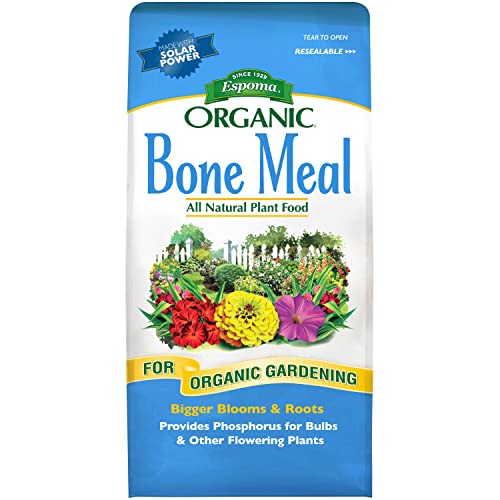
Espoma Organic Bone Meal 4-12-0 (4 lb Bag)

7-0-20 Summer Lawn and Turf Stress Fertilizer 45 lb
The Details Behind The Selections
Alaska Fish Fertilizer sits in the liquid organic category, which means you dilute it in water and apply it with a watering can or hose-end sprayer. The 5-1-1 ratio breaks down to 5% nitrogen, 1% phosphorus, and 1% potassium, leaning heavily toward leafy growth rather than blooms or roots. That makes it a sensible pick for vegetable gardens and leafy herbs during the active growing season, when steady nitrogen pushes lush green foliage without the burn risk that synthetic blends sometimes carry.
Home gardeners working with transplants, seedlings, or container tomatoes tend to get the most out of this profile. You may find the gentle feed especially useful right after setting out starts, when tender roots are vulnerable to salt-heavy fertilizers. OMRI-listed status also means it fits organic gardening standards, so vegetable gardeners who care about inputs can use it without second-guessing.
A Few Highlights
- Liquid format mixes fast and spreads evenly through watering cans or sprayers
- Gentle nitrogen delivery lowers the burn risk on tender seedlings and transplants
- OMRI-listed formula fits organic gardening programs
- 5-1-1 NPK ratio favors leafy growth over blooms, ideal for vegetables and herbs
Things To Consider
- The fish emulsion smell can linger for a day or two after application, especially in still air
- Lower phosphorus and potassium mean you will likely need a separate bloom or fruiting feed later in the season
- Repeated applications every two to three weeks add up in time and labor compared to slow-release granulars
Feature Snapshot
Made For
Organic vegetable gardeners and home cooks growing leafy greens, herbs, and tender transplants who want a gentle, frequent feed.
Look Elsewhere When
The Andersons PGF 16-0-8 fits better when you mainly feed a broad lawn and want a granular, slow-release option with fewer repeat applications.
PGF stands for Professional Grade Fertilizer, and this 16-0-8 blend is built around fine particles that spread evenly across a turf canopy. The combination of quick- and slow-release nitrogen gives the lawn an early green-up after application, then keeps feeding for up to eight weeks without forcing a second pass. Humic DG is a dry humate granule (a concentrated form of humic acid, the organic compound that improves soil structure) designed to help nutrient uptake and support soil biology over time.
The 18-pound bag covers a mid-size lawn, and the phosphorus-free profile suits areas with phosphorus restrictions or mature turf that no longer needs a starter boost. You may find the fine particle size especially helpful with rotary spreaders, since heavier prills tend to bounce or roll off the blades before breaking down. The iron and micronutrient package rounds out a balanced feeding that targets color and density.
The Value In It
- Fine particles spread evenly and reduce the streaking you can see with coarser granules
- Dual nitrogen source feeds the lawn immediately and continues for up to eight weeks
- Humic DG supports nutrient uptake and soil structure over multiple applications
- Phosphorus-free formula works where local regulations restrict P applications
Points To Note
- Not registered for sale in California and Oregon, so confirm availability in your state before ordering
- The fine particle size means you need a clean spreader; any clump or residue can throw the pattern off
- Higher nitrogen concentration raises burn risk on drought-stressed turf, so water in well after application
Built With In Mind
Homeowners with established cool-season lawns who want even coverage, slow-release feeding, and a single pass every couple of months.
A Better Fit Elsewhere
The Andersons New Lawn Starter 20-27-5 suits you better when you are seeding or sodding and need the higher phosphorus a young root system demands.
Bone meal is a finely ground natural phosphorus source made from animal bones, and the 4-12-0 ratio points clearly toward root and bloom development rather than leafy growth. The Espoma formula mixes into planting beds at install time or gets sprinkled around established perennials, then breaks down slowly as soil microbes process it. The 24-pound bag covers a large perennial border or a full bulb planting in fall.
Flower gardeners who plant tulips, daffodils, and lilies tend to favor this profile, since bulbs need a strong phosphorus push to set roots before dormancy breaks. The added calcium also helps build stronger cell walls in flowering stems. You will want to work it into the top few inches of soil rather than leave it on the surface, where it can attract animals or wash away before it does its work.
Reasons It Performs
- Slow-release phosphorus builds strong root systems over the full growing season
- Organic composition fits organic gardening programs and improves long-term soil health
- 24-pound bag covers large bulb plantings or a generous perennial border
- Added calcium supports stronger stems and overall plant structure
Small Caveats
- Low nitrogen means you may want a supplemental nitrogen source for heavy-feeding flowering plants midseason
- Bone meal attracts dogs and some wildlife, so water it in well or work it below the surface
- Very alkaline soils can limit phosphorus availability, so a soil test helps before relying on it as the main P source
Best Suited To
Flower gardeners planting spring and fall bulbs, along with perennial and rose beds that benefit from a slow-release organic phosphorus boost.
Consider Something Else When
The Andersons PGF 16-0-8 is the better call when your main goal is broad lawn feeding and you want even granular coverage with steady nitrogen release.
This gallon-size liquid fish fertilizer is cold-pressed rather than heat-processed, which preserves more of the amino acids and vitamins naturally present in whole fish. That matters if you are feeding tomatoes, peppers, and leafy greens through the fruiting stretch, since the broader nutrient profile supports both foliage and fruit set. The ready-to-dilute format works with hose-end sprayers, watering cans, or even small pump sprayers for spot applications.
Vegetable gardeners running an edible landscape tend to favor this style for the sustainability angle, since the manufacturer describes using parts of the fish that would otherwise go to waste. The one-gallon container covers a season of weekly feeds on a medium kitchen garden. You may find the odor noticeable during application, similar to other whole-fish formulas, so plan around open windows and outdoor watering days.
Benefits That Matter
- Cold-pressed process retains more amino acids and vitamins than heat-processed blends
- Liquid format feeds quickly through both roots and foliage
- One-gallon container covers a full growing season on a medium vegetable garden
- Sustainably sourced formula reuses fish byproducts that would otherwise be discarded
Worth Noting
- The whole-fish smell can be strong for a day or two, especially in still, humid weather
- Liquid feeding requires more frequent applications than granular slow-release options
- A one-gallon jug is bulky to store through winter if you garden in a cold climate
Right Fit For
Vegetable gardeners and small-orchard owners who want an organic, whole-food fertility program for tomatoes, peppers, and fruiting crops.
Swap It Out When
Espoma Organic Bone Meal 4-12-0 suits you better when you need slow-release phosphorus for bulbs or perennials rather than a fast-acting liquid nitrogen feed.
The Flagship blend delivers 24% nitrogen with a heavy slow-release component, meaning most of that nitrogen releases gradually over several weeks rather than all at once. The 24-0-6 analysis leaves phosphorus out and keeps potassium modest, leaning the formula toward nitrogen-driven growth and color. Bio-Nite, a biochar additive (a charcoal-like soil amendment that helps retain nutrients and water), supports soil structure and nutrient retention over time.
Large warm-season lawns benefit most from this profile, since Bermuda, Zoysia, and St. Augustine need steady nitrogen during peak summer growth. The 45-pound bag covers up to 15,000 square feet, so homeowners with quarter-acre yards get a single-bag solution for a full feeding pass. The 3% iron content pushes deep greening, which you may notice within a week of application under normal irrigation.
Advantages To Know
- Slow-release nitrogen feeds the lawn over weeks rather than forcing a quick flush and crash
- 3% iron supports deep greening without extra top-dressing passes
- Bio-Nite biochar helps soil retain nutrients and moisture between feedings
- 45-pound bag covers up to 15,000 square feet for one-pass convenience on large lawns
Room For Improvement
- Higher nitrogen concentration raises the burn risk on dry turf, so watering in promptly matters
- Granular spreaders can struggle with the heavier prill size if your equipment is older or worn
- Strong nitrogen push without phosphorus may not suit new lawns still building root systems
Feature Card
Whose Shelf It Belongs On
Homeowners managing large warm-season lawns who want a single-bag, slow-release nitrogen feed with built-in iron and biochar support.
Reach For A Different Pick When
The Andersons PGF 16-0-8 fits better when you have a smaller established lawn and prefer finer particles for a more even spread pattern.
New Lawn Starter uses a 20-27-5 ratio that leans heavily on phosphorus, since young turfgrass seedlings need that nutrient to push out root mass before top growth takes off. The 18-pound bag covers up to 5,000 square feet, which lines up with a typical seeding or sodding project for a suburban yard. The quick- and slow-release nitrogen split gives seedlings an early green-up while sustaining them through the establishment window.
The 1% iron adds deep greening once the turf is established, and the formula is safe across all common turf types, so you can use it on fescue, bluegrass, ryegrass, or Bermuda without compatibility worries. You may find the high phosphorus especially valuable when seeding in fall, when soil biology slows and seedlings need every advantage to anchor before winter. Working the granules into the top inch of soil before seeding gives the best root-zone contact.
Strengths Worth Knowing
- High phosphorus supports strong root development in seedlings and freshly laid sod
- Dual nitrogen sources feed new turf immediately and over several weeks
- Safe formulation works across all common turfgrass species
- 1% iron encourages deep green color once the lawn establishes
Trade Offs
- High phosphorus content may run afoul of local P-restriction rules in some regions
- Starter blends are not ideal as an every-feeding option for mature, established lawns
- Coverage tops out around 5,000 square feet, so larger properties need multiple bags
Perfect Match For
Homeowners seeding a new lawn, laying sod, or overseeding thin patches who need a phosphorus-forward starter to anchor young roots.
Not Your Match When
Yard Mastery 24-0-6 Flagship makes more sense when you maintain a mature, full-coverage lawn that does not need the extra phosphorus a starter supplies.
This is the smaller sibling to the 24-pound Espoma Bone Meal covered earlier, offering the same 4-12-0 organic formula in a more manageable 4-pound package. The smaller size makes sense for tight perennial borders, small bulb groupings, or a few rose bushes where the larger bag would mean storing extra product for months. The 4-12-0 profile still leans toward phosphorus for root and bloom support rather than leafy growth.
Home gardeners with limited storage or smaller planting projects tend to favor the compact bag, since it keeps the formula fresh and avoids the waste that comes from opened bone meal sitting through humid summers. You sprinkle it on the soil around established plants and work it in lightly, or mix it into the planting hole at install time. The organic composition fits organic gardening standards without fillers or synthetic additives.
Notable Upsides
- Compact 4-pound bag fits tight storage spaces and small planting projects
- Same organic 4-12-0 formula as the larger Espoma bag, scaled for smaller borders
- Slow-release phosphorus and calcium build root mass and stem strength over the season
- Approved for organic gardening programs with no fillers or synthetic additives
Factors To Consider
- Smaller bag means a higher per-pound cost than the 24-pound version for big projects
- Low nitrogen content means heavy feeders may need a separate nitrogen source midseason
- Bone meal smell can attract dogs and digging wildlife if left on the soil surface
Who Should Grab It
Apartment gardeners and small-yard homeowners maintaining tight perennial borders or a modest bulb planting who want organic, slow-release phosphorus without bulk storage.
Another Choice May Suit
The 24-pound Espoma Bone Meal fits better when you are planting a full bulb bed or larger perennial border and want better per-pound value.
This blend breaks from the high-nitrogen pattern of most lawn fertilizers by delivering only 7% nitrogen against 20% potassium, a ratio designed for heat-stressed turf rather than aggressive top growth. The 3% iron pushes deep color without forcing a flush of tender new growth that summer heat can scorch. Bio-Nite biochar supports soil structure and water retention during the dry stretches when turf struggles most.
Homeowners in transition zones and southern lawns benefit from the lower nitrogen profile during July and August, when pushing growth actually stresses the plant. The 45-pound bag covers up to 15,000 square feet, so a single pass handles most suburban lots. You may find the potassium boost especially useful ahead of a forecast heat wave, since potassium supports internal water regulation within the grass plant.
The Practical Payoff
- Low nitrogen prevents the tender growth flush that summer heat typically scorches
- High potassium supports internal water regulation and heat tolerance in turfgrass
- Bio-Nite biochar helps soil hold moisture through dry stretches
- 45-pound bag covers up to 15,000 square feet for one-pass convenience
Some Limits To Know
- Low nitrogen means spring or fall feedings need a separate, higher-NN product for active growth
- Not the right tool if your lawn is thin and needs establishment support rather than stress recovery
- Heavy 45-pound bag is awkward to carry and pour from a basic lawn spreader
Feature Rundown
Who Will Love This
Homeowners in hot-summer climates managing warm-season lawns that need stress support and color recovery without a growth flush during peak heat.
Skip It When
The Andersons PGF 16-0-8 makes more sense during spring or fall feeding windows when your lawn benefits from steady nitrogen release rather than potassium-led stress support.
What Matters Most Before Choosing Nitrogen Fertilizers
Match the Format to Your Routine
Liquid fertilizers feed quickly and let you dial in strength for seedlings, but they ask for repeat applications every two to three weeks. Granular options, by contrast, spread once and release nitrogen slowly over several weeks, which suits homeowners who want fewer trips across the lawn. Container gardeners and small-plot growers usually do fine with liquids, while anyone managing more than a few thousand square feet often prefers the convenience of granules.
The trade-off shows up in labor and timing. Liquids give faster visible results, especially when correcting a nitrogen deficiency midseason, but they demand more frequent reapplication. Granules require a spreader and a clean pattern, yet they free up weekends once the application is down.
Read the NPK Number Honestly
The three numbers on a fertilizer bag stand for nitrogen, phosphorus, and potassium by weight. Nitrogen drives leafy growth and green color, phosphorus supports roots and blooms, and potassium handles overall plant vigor and stress tolerance. Lawn fertilizers during the growing season typically lead with nitrogen, while starter blends lead with phosphorus for new roots.
You may find a high-nitrogen formula works well for spring green-up but burns during a July dry spell. In that case, switching to a lower-nitrogen, potassium-forward blend like the 7-0-20 option covered above protects the turf through heat without forcing vulnerable new growth.
Consider Soil Tests and Local Rules
A basic soil test tells you whether your lawn actually needs phosphorus, since many established soils already carry adequate P levels. Adding phosphorus you do not need wastes money and can run afoul of state or regional restrictions on P applications. Some blends on this list, like The Andersons PGF 16-0-8, are phosphorus-free for exactly that reason.
Local availability also matters, since some professional-grade fertilizers are not registered for sale in every state. Confirming registration before you order saves the headache of a canceled shipment or a refund.
Key Considerations Across These Picks
Where Shoppers Go Wrong
The most common slip-up is reaching for the highest-nitrogen bag on the shelf and assuming more nitrogen always means a greener lawn. Over-applying nitrogen during summer heat actually pushes tender growth that the sun then scorches, leaving the lawn looking worse than before the feed.
Another frequent miss is ignoring phosphorus restrictions in regions that limit P applications, which can lead to fines or required soil tests before reapplication. A quick check of your local extension service rules prevents the surprise.
What Separates Premium From Basic
Higher-tier fertilizers earn their place through particle uniformity, slow-release nitrogen content, and soil-friendly additives like humic acid or biochar. The Andersons PGF and Yard Mastery Flagship blends both include these refinements, which translate to even coverage and longer feeding windows.
The upgrade pays off when you have a larger lawn where uneven spreading shows up as stripes, or when you want fewer applications per season. For a small vegetable bed or a handful of containers, the premium profile adds cost without a clear return.
Frequently Asked Questions
How often should nitrogen fertilizer be applied to a lawn?
Most cool-season lawns do well with two to four applications per year, timed around spring green-up, early fall, and late fall. Warm-season grasses typically need three to five applications spread across their active growing window.
Slow-release formulas can stretch the interval since the nitrogen feeds gradually rather than all at once.
Can nitrogen fertilizer burn grass?
Yes, especially when applied at high rates during dry or hot weather without watering in. Granular nitrogen sitting on the blade under direct sun can scorch the tissue within hours.
Watering the lawn shortly after application dissolves the granules and pulls the nitrogen into the soil before it damages the turf.
Is organic nitrogen fertilizer slower than synthetic?
Generally yes, since organic sources depend on soil microbes to break down before plants can use the nitrogen. That process takes longer but produces a steadier, more even feed.
Synthetic nitrogen feeds faster and shows visible greening within days, which helps when correcting a deficiency midseason.
Do I need phosphorus in my fertilizer?
Only if your soil test shows low phosphorus or you are establishing new turf from seed or sod. Mature lawns in phosphorus-rich soils rarely benefit from added P.
Many regional regulations restrict phosphorus applications for that reason, so a phosphorus-free formula like PGF 16-0-8 often fits the rule.
What does the iron in lawn fertilizer do?
Iron pushes deep green color in turf without forcing extra top growth, which makes it useful during summer stress windows. The 7-0-20 blend and Yard Mastery Flagship both lean on iron for that reason.
Iron alone does not feed the plant the way nitrogen does, so it works as a complement rather than a replacement.
The Takeaway
Match the fertilizer to your lawn type, your season, and how often you want to head outside with a spreader. Cool-season turf benefits from a balanced granular feed like The Andersons PGF, while warm-season lawns thrive on slow-release nitrogen with iron like Yard Mastery Flagship. Vegetable and flower gardeners tend to get more from organic options like Alaska Fish Fertilizer or Espoma Bone Meal, depending on whether they need leafy growth or root support. The right bag is the one that fits your soil, your schedule, and the plants you actually grow.
