

Tired of spending every Saturday edging and bagging clippings? Modern no-mow and low-mow seed mixes let you reclaim your weekends while keeping a green, living ground cover that handles foot traffic, drought, and shade. Whether you’re seeding a brand-new yard, overseeding a tired patch, or replacing turf with clover, the right blend makes the difference between a thriving lawn and a season of frustration. Below are eight well-matched options covering northern and southern climates, full sun to dense shade, and traditional grass lovers as well as clover converts.
Your Options, Compared

Jonathan Green Black Beauty Sun & Shade Grass Seed – 50 lb

Jonathan Green Blue Panther Bermudagrass Grass Seed – 4 lb

Mountain Valley Seed Co Micro Clover Seed for Lawn – 1 Lb

Outsidepride Legacy Fine Fescue Grass Seed Mix – 5 lbs.
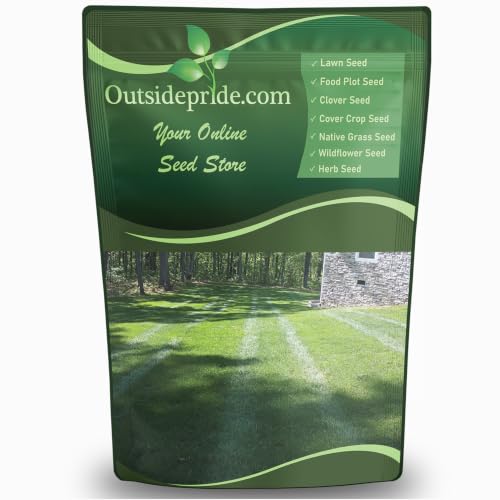
Outsidepride SPF-30 Hybrid Bluegrass Seeds – 5 lbs.

Scotts Grass Seed Drought Tolerant Mix, 4 lbs.

BuildASoil No-Till 60% Clover Seed Mix – 12 Species (1 lb)

Micro Clover Ground Clover Seeds (5 lbs.)
Why These Options Stand Out
When a yard runs from deep shade along the tree line into open, full-sun stretches, most single-purpose blends struggle. This 50-pound Jonathan Green mix handles that whole range, which is why it earns the top spot for homeowners who don’t want to buy two products and blend them by hand.
Owners commonly report that the seed germinates steadily when soil stays moist and that the resulting turf has a deep, dark green color that holds up through hot weeks. For most backyards between a quarter and half an acre, the bag covers both initial seeding and follow-up overseeding without needing a second purchase.
Why It Works Well
- Covers wide light-range variation, from full sun to partial shade, in a single mix
- 50-pound bag suits large or irregularly shaped yards without a second purchase
- Dark green color reads as a lush, healthy lawn once established
- Fills in bare patches well when used for overseeding in early fall
Worth Noting
- A 50-pound bag is heavy to handle and awkward to ship or carry to the yard
- Not engineered for deep southern heat the way the Bermudagrass option below is
- Results depend heavily on keeping soil consistently moist during germination
Key Specs
Best Suited To
Homeowners with mixed-light yards between a quarter and a full acre who want one bag that handles new seeding and overseeding alike.
Look Elsewhere When
Your yard sits in the Deep South with full, relentless sun, where Jonathan Green Blue Panther Bermudagrass Grass Seed handles the heat better.
Bermudagrass has a reputation for toughness, and this Jonathan Green formulation leans into that with strong vertical and lateral root spread. Compared to traditional Bermudagrass, the Blue Panther blend is positioned to reduce the need for winter overseeding, which is a real chore in southern lawn care.
If your yard lives in full sun through long, humid summers, this seed establishes aggressively once soil warms up. In cooler transition-zone climates, it can struggle to green up early in the season, so timing your seeding matters.
The Helpful Details
- Strong vertical and lateral root growth helps the lawn fill in quickly
- Engineered for southern heat and humidity with reliable summer color
- Reduces winter overseeding workload compared to older Bermudagrass strains
Trade Offs
- Goes dormant and browns in cool weather, which can read as dead grass to neighbors
- Not a match for shaded yards; needs direct sun to thrive
Whose Yard It Belongs On
Southern homeowners with full-sun yards who want a heat-loving turf that spreads aggressively and shrugs off summer stress.
Skip It When
You live in a northern climate with cool summers, where Outsidepride Legacy Fine Fescue Grass Seed Mix handles the conditions far better.
Micro clover is the quieter cousin of traditional white clover, with leaves about a third to half the size, which is what keeps a clover lawn looking tidy instead of patchy. Mountain Valley Seed Co offers this as a low-growing lawn alternative that fixes its own nitrogen and stays green with less water than turf grass.
As a Trifolium repens variety, this seed acts as a perennial in zones 3 through 10, so most U.S. climates can host it year after year. The honest read is that clover handles foot traffic differently than grass, so high-play zones may need a grass-clover blend.
Where It Helps
- Tiny leaves keep the lawn looking neat rather than weedy
- Fixes nitrogen in soil, reducing fertilizer needs over time
- Tolerates dry spells better than cool-season grasses
Things To Weigh
- One-pound bag covers a smaller area than the bulk Dibbs Farms option below
- Flowers attract bees, which can be a concern in yards used by small children
- Doesn’t handle heavy foot traffic as gracefully as a dense grass lawn
Quick Facts
Right Fit For
Eco-minded homeowners looking to swap thirsty turf for a low-input, pollinator-friendly lawn alternative.
Reach For A Different Pick When
You want broader species diversity and living-mulch behavior, where BuildASoil No-Till 60% Clover Seed Mix brings twelve species to the party.
Fine fescue is the family of cool-season grasses with thin, needle-like blades, and Outsidepride’s Legacy blend mixes three of them: Hard Fescue, Chewings Fescue, and Creeping Red Fescue. The OptiGrowth coating adds zinc, phosphorus, nitrogen, and kelp to support germination in tough conditions, which is where this product earns its keep.
Where traditional Kentucky bluegrass thins out under trees, fine fescue keeps its texture and color. You may find the fine blade looks different next to a broader-bladed neighbor lawn, but that’s a styling choice, not a problem.
Strengths Worth Knowing
- OptiGrowth coating supports germination on poor, sandy, or compacted soils
- Three-species blend adapts to dense shade and full sun alike
- Drought-resistant once roots establish in cooler months
Some Limits To Know
- Not ideal for southern heat, where Outsidepride SPF-30 Hybrid Bluegrass handles summers better
- Fine blade texture clashes visually with coarser grass types in mixed lawns
Who It Suits Best
Northern homeowners with tree-shaded or sloped lawns who want a fine-textured, low-input turf that stays green without constant attention.
Not Your Match When
Your yard runs through humid southern summers, where Outsidepride SPF-30 Hybrid Bluegrass Seeds deliver better heat tolerance.
The SPF-30 hybrid is a cross of Texas bluegrass and Kentucky bluegrass, designed for climates that punish traditional bluegrass. That makes it one of the better cool-season-style options for southern and transition-zone lawns that bake through July and August.
Assuming you live in a region like Florida or the lower Southeast where summers run long and hot, this seed establishes with less water and fewer mowings than Kentucky bluegrass alone. OptiGrowth coating helps the seed take in tough soils, which is a real plus for new builds with poor subsoil.
The Case For It
- Hybrid genetics handle heat and drought better than straight Kentucky bluegrass
- Lower mowing frequency than traditional bluegrass in southern summers
- Coating supports germination in poor, sandy, or low-organic soils
Points To Note
- Still goes semi-dormant in extreme heat, even with the Texas parent genetics
- More expensive per pound than pure Bermudagrass options
Feature Snapshot
Who Should Grab It
Homeowners in the lower South and transition zones who love the look of bluegrass but need something that survives brutal summer weather.
Another Choice May Suit
You want pure warm-season performance and don’t mind a brown winter lawn, where Jonathan Green Blue Panther Bermudagrass stays a more economical pick.
Scotts has been a household name in grass seed for decades, and this drought-tolerant mix leans on a Tall Fescue and Kentucky Bluegrass blend to chase water deep in the soil profile. Long roots mean you water less often and the lawn keeps its color through dry stretches.
For DIY homeowners planning a spring or fall seeding when daytime air sits between 65 and 85 degrees Fahrenheit, this is a low-fuss path to a thicker, self-repairing lawn. The trade-off is that four pounds won’t cover a huge yard without buying multiples.
Where It Delivers
- Tall Fescue roots reach deep for water, reducing irrigation needs
- Kentucky Bluegrass content lets the lawn self-repair minor damage
- 99.99% weed-free seed stock keeps the stand clean from day one
Less-Strong Areas
- Four-pound bag runs out quickly on large properties
- Application window is narrow: spring or fall only, between 65 and 85 degrees Fahrenheit
At A Glance
Perfect Match For
DIYers planning a spring or fall seeding project on a small to mid-size yard who value Scotts’ brand familiarity and predictable results.
Swap It Out When
You’re seeding an acre or more and don’t want to chain together multiple four-pound bags, where Jonathan Green Black Beauty Sun & Shade Grass Seed handles the volume better.
BuildASoil takes a different approach with a twelve-species cover crop blend, anchored by white and red clover at 60 percent of the mix. The remaining species bring diversity that supports soil biology, suppresses weeds, and creates a living mulch layer you don’t have to till under.
For gardeners treating lawn and vegetable beds as one ecosystem, this seed doubles as ground cover and soil builder. In our view, the more species you bring to a small yard, the more pollinator activity you’ll notice during bloom.
The Good Stuff
- Twelve species bring biodiversity that single-clover blends can’t match
- Functions as no-mow ground cover and living mulch for garden beds
- Supports soil biology without tilling or synthetic fertilizer inputs
Small Caveats
- Multi-species look reads less uniform than a pure micro clover lawn
- One-pound bag suits modest coverage; large yards need multiple purchases
Who Will Love This
Regenerative gardeners and no-mow enthusiasts who want their lawn to also feed pollinators and build soil over time.
Where A Sibling Pick Shines
You prefer a tidy, uniform clover look without the multi-species variation, where Mountain Valley Seed Co Micro Clover Seed keeps the texture consistent.
Dibbs Farms sells micro clover in a five-pound bulk bag aimed at homeowners converting a whole yard, not just a small patch. The seed comes coated and inoculated, which means the rhizobia bacteria that fix nitrogen are present, so the clover can start pulling free nitrogen from the air as soon as it germinates.
Compared to the one-pound Mountain Valley option, this bag covers significantly more square footage for a whole-yard project. Depending on your soil pH, micro clover prefers a range between 6.0 and 7.0, so a quick soil test before seeding pays off.
Everyday Advantages
- Five-pound bag suits whole-yard clover conversion without multiple purchases
- Coating and inoculation support early nitrogen-fixing activity
- Improves soil moisture retention through dry periods when blended with grass
Details To Watch
- Soil pH outside the 6.0 to 7.0 range can limit establishment
- Bulk seed has a longer shelf-life concern if you don’t use it within a season or two
Right Fit For
Homeowners ready to convert a full yard to clover or seed large borders who want bulk coverage and inoculated seed in one purchase.
Not Your Match When
You only need to test a small patch first, where the one-pound Mountain Valley Seed Co Micro Clover bag is a more sensible starting size.
What To Weigh Before Choosing No Mow Grass Seeds
The phrase “no mow” covers a wide spectrum, from truly self-sustaining clover lawns to slow-growing fescue blends that just need fewer cuts per season. Start by identifying your climate zone: northern cool-season lawns lean on fescues and bluegrasses, while southern warm-season yards lean on Bermudagrass and heat-tolerant hybrids. The Outsidepride SPF-30 sits in the middle for transition zones that swing between extremes.
Sun exposure matters as much as climate. Legacy Fine Fescue thrives in dense shade where Kentucky bluegrass thins out, while Bermudagrass demands full sun to behave well. For foot traffic and family use, dense grass blends usually outperform clover, but a clover-grass mix splits the difference nicely.
Soil pH and preparation often decide success more than seed choice. Most cool-season grasses prefer pH between 6.0 and 7.5, and clover prefers the same range. Taking a soil test before seeding lets you amend with lime or sulfur so the seed you buy actually establishes.
Matching Seed To Yard Conditions
For full-sun southern lawns, Bermudagrass and SPF-30 hybrid bluegrass deliver the heat tolerance you need. For shaded northern lawns, fine fescue blends and Black Beauty Sun & Shade mixes cover the range without constant reseeding. For eco-friendly lawn conversions, micro clover and multi-species blends cut water and fertilizer use dramatically.
Reading Seed Bag Labels
Look for germination rate, weed seed percentage, and inert matter on the bag. Scotts publishes 99.99 percent weed-free purity, which keeps the stand clean. Coatings like OptiGrowth add weight and nutrients that help in poor soils, but they also mean you need slightly more product per square foot.
Planning For The Long Haul
No-mow doesn’t mean no maintenance. Clover stays shorter than grass but still benefits from occasional edging along walkways. Fine fescue needs less water but rewards a fall overseeding every few years to stay thick. Bermudagrass demands sharp mower blades when you do cut, because dull blades shred the wide blades and stress the plant.
Key Considerations Across These Picks
Mistakes Worth Dodging
The most common mistake is buying a seed blend that doesn’t match your climate zone. Northern homeowners planting Bermudagrass watch it struggle and brown out, while southern homeowners planting Kentucky bluegrass watch it cook in July. Take a few minutes to confirm your hardiness zone before choosing.
Another pitfall is skipping soil prep. Seeding over compacted clay, thatch-heavy turf, or acidic soil wastes the seed and your time. A simple raking, a layer of compost, and a pH check set the stage for everything that follows. Skipping these steps is where most new lawns fail before they really begin.
Where The Extra Money Goes
Premium picks in this list, like Outsidepride SPF-30 and BuildASoil’s twelve-species blend, charge more for genetics and seed coatings that improve germination in tough conditions. If your soil is decent and your climate cooperates, a value pick like Scotts Drought Tolerant Mix performs well at a lower cost per pound.
Paying up makes sense when you’re dealing with poor soil, steep slopes, or a transition-zone climate where standard blends routinely fail. The OptiGrowth coating and SPF-30 hybrid genetics exist because ordinary fescue and bluegrass often don’t survive those conditions, and the upgrade pays off in fewer reseeding seasons.
Frequently Asked Questions
What does “no mow grass seed” actually mean?
No-mow grass seed refers to grass or clover blends that grow slowly, stay low to the ground, or replace turf entirely with ground-cover species like micro clover. You’ll still edge and occasionally tidy, but weekly mowing drops to a few times per season.
Can I plant no-mow grass seed over an existing lawn?
Overseeding works when the existing lawn is thin and the soil is in decent shape, since the new seed needs contact with soil to germinate. Dense, thatch-heavy turf should be dethatched or scalped first so seed reaches bare dirt.
How long does no-mow grass take to establish?
Most cool-season grasses germinate within seven to twenty-one days when soil stays moist, with full establishment over one full growing season. Micro clover and clover blends germinate faster but still need sixty to ninety days to fill in thickly.
Is clover a good replacement for grass?
Micro clover handles foot traffic differently than grass and flowers during warm months, which attracts pollinators. For low-use lawn areas, it cuts water and fertilizer needs dramatically, while high-play zones often do better with a clover-grass mix.
Do no-mow seeds work in both sun and shade?
Some blends, like Jonathan Green Black Beauty Sun & Shade and Outsidepride Legacy Fine Fescue, are designed for both light conditions. Others, like Bermudagrass and SPF-30 hybrid bluegrass, need full sun and struggle in shade.
Closing Remarks
The right no-mow seed depends less on marketing claims and more on your climate, sun exposure, and how you use the yard. Match the seed to your zone first, prep the soil second, and pick a blend whose strengths line up with your real conditions. A lawn that mostly takes care of itself is well within reach once those pieces fall into place.
