

A stubborn vine creeping up the fence line or a patch of crabgrass choking the driveway cracks has a way of turning a Saturday into a battle. Non-selective herbicides handle the worst offenders by killing virtually any plant they touch, which makes them a go-to for hardscapes, fence rows, and renovation projects where you want a clean slate. The eight picks below cover everything from budget concentrates to organic vinegar blends, so you can match the formula to your terrain and your tolerance for waiting.
A Side-By-Side Look

Hi-Yield Super Concentrate Killzall II, 2.5 gal
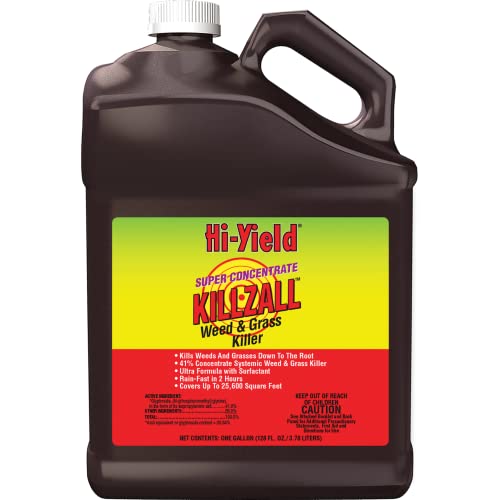
Hi-Yield Super Concentrate Killzall, 1 gal

Hi-Yield Killzall 365, 32 oz

Roundup Dual Action 365, 1.33 gal

Southern AG 01113 Brush Weed Killer, 1 qt

Roundup Poison Ivy Plus Tough Brush Killer2, 32 oz

Roundup Weed & Grass Killer4 Concentrate, 1 gal

Energen Vinegar Weed & Grass Killer, 1 gal
The Details Behind The Selections
Anyone managing a few acres or a long fence row knows that a quart bottle disappears in a single afternoon. The Hi-Yield Super Concentrate Killzall II arrives in a 2.5-gallon jug, which shifts the math for property owners who treat large gravel drives, fence lines, or right-of-ways every season. The formula targets annual grasses, perennial grasses, broadleaf weeds, and woody brush, which means a single product can clear what would otherwise require two separate treatments.
For rural landowners clearing pasture edges or prepping a garden bed for renovation, the bulk format keeps mixing simple and refills cheap. Compare that to the smaller Hi-Yield 1-gallon concentrate covered next, and the value case for big jobs becomes obvious.
Where It Excels
- Large 2.5-gallon size lowers the per-ounce cost for multi-acre treatment
- Reach into roots typically within 1 to 2 hours, with visible dieback starting around 3 hours
- Compatible with labeled Roundup Ready crop systems for agricultural use
- Covers trees, flower beds, buildings, driveways, and sidewalks from one container
Practical Considerations
- Jug weight is awkward at roughly 22 pounds full, so plan a sturdy cart for transport
- Not labeled for lawn use, so accidental overspray on turfgrass is a real risk
- Storage needs to stay out of direct sun and freezing temperatures to preserve potency
Feature Snapshot
Right Fit For
Rural property owners and acreage managers who treat fence lines, gravel drives, or large brush patches on a routine basis and want one concentrate jug that lasts.
Skip It When
Suburban gardeners with small beds should reach for the Hi-Yield Super Concentrate Killzall 1-gallon instead, since the smaller format is easier to store and measure.
The Hi-Yield 1-gallon concentrate has earned its reputation as the workhorse for suburban lots. A single gallon covers up to 25,600 square feet when mixed for general weed control, which is enough to knock out a quarter-acre of weeds in one tank fill for most backpack sprayers. The double-surfactant formulation (surfactants help the spray stick to waxy leaves instead of beading off) dries onto foliage fast, so the active ingredient starts moving into the plant before rain or dew can dilute it.
For homeowners battling driveway cracks, patio edges, or fence-line growth, the 1-gallon jug strikes a balance between the bulk 2.5-gallon pick above and the smaller 32-ounce option below. It is the practical middle ground for most weekend warriors.
Strong Points
- Covers up to 25,600 square feet per gallon, lowering cost per treated area
- Double-surfactant blend dries quickly on foliage for faster uptake
- Liquid concentrate format mixes cleanly into standard pump sprayers
- Targets grasses, broadleaf weeds, and woody brush in one pass
- Manageable jug weight for one person to carry and pour
Honest Caveats
- Not labeled for lawn turf, so applicator accuracy matters near desired grass
- Re-treatment often necessary on deep-rooted perennials like bindweed
Who Will Love This
Suburban homeowners with a typical quarter- to half-acre lot who want a versatile concentrate for driveways, patios, and fence rows without buying in bulk.
Look Elsewhere When
Those managing a few acres of fence line or pasture edge should pick up the Hi-Yield Super Concentrate Killzall II 2.5-gallon instead, since the bigger jug cuts down on refill runs.
Small bottle, big flexibility. The 32-ounce Killzall 365 handles spot jobs without committing you to a gallon jug that might sit in the garage for years. Each bottle treats up to 4,300 square feet when mixed for broadcast use, and the published mixing ratios run 6 ounces per gallon for spot brush work and 7.4 ounces per gallon for general vegetation control, which gives you room to dial the strength up or down.
For gardeners who want to knock out a single overgrown fence corner or strip a weedy strip before replanting, this bottle is easier to store on a shelf and lighter to haul up a ladder to a rooftop garden. It is the practical entry point for anyone new to non-selective herbicides.
Why It Works Well
- Compact 32-ounce size fits on a shelf and pours without a cart
- Flexible mixing ratios for both spot brush and broadcast vegetation work
- Covers up to 4,300 square feet, enough for typical small-lot projects
- Tackles broadleaf weeds, grasses, brush, and vine species in one bottle
Worth Noting
- Smaller bottle means more frequent repurchase on multi-acre jobs
- Measuring small mix ratios requires a dedicated measuring cup for accuracy
Feature Snapshot
Made For
First-time users and small-lot gardeners who want a manageable bottle for spot treatments around patios, walkways, and flower bed borders.
Consider Something Else When
Anyone clearing a half-acre or more should grab the Hi-Yield 1-gallon or 2.5-gallon concentrate, since the per-ounce cost drops significantly at larger sizes.
Most weed killers stop working the moment the plant turns brown, which means new growth can sprout within weeks. The Roundup Dual Action 365 changes that equation by adding a pre-emergent barrier (a pre-emergent is a chemical that stops weed seeds from germinating) that keeps many weeds from returning for up to 12 months. The 1.33-gallon container ships with a Pump ‘N Go 2 sprayer, so you can pressurize the bottle and start spraying without buying extra equipment.
For homeowners tired of re-treating the same gravel driveway every summer, the kill-plus-prevent combination is the practical upgrade. Compare that to the Roundup Weed & Grass Killer₄ covered later, which only handles the active growth above the surface.
Reasons It Performs
- Built-in 12-month preventer barrier reduces repeat treatments
- Targets tough species like clover, dandelion, crabgrass, and poison ivy
- Rainproof in as little as 30 minutes after application
- Pump ‘N Go 2 sprayer included, no extra gear required
- 1.33-gallon size handles medium-sized hardscape projects in one fill
Things To Consider
- Pre-emergent action can prevent desirable grass and flower seed from sprouting
- Requires dry weather at application and no disturbance of the soil surface afterward
- Not suitable near lawns where you plan to overseed within the year
Right Fit For
Homeowners with long driveways, gravel paths, or patio surrounds who want one application to carry them through an entire growing season without repeat trips with the sprayer.
Swap It Out When
Anyone preparing a vegetable garden bed for spring should pick the Energen vinegar-based spray instead, since the pre-emergent would block your planned crop seeds.
When the problem is not a flat patch of crabgrass but a thicket of vines climbing a tree or stubborn saplings resprouting from a cut stump, you need a brush-rated formula. Southern AG 01113 contains 8.8 percent triclopyr, the same active ingredient found in Garlon, which is the industry standard for woody vegetation control. The 1-quart bottle mixes at 4 to 8 ounces per gallon for foliar application, letting you adjust strength for delicate brush versus tougher stump regrowth.
For landowners clearing fence rows, pasture edges, or encroaching invasive vines like kudzu, this pick handles jobs that general-purpose concentrates struggle with. It is a different tool than the grass-and-broadleaf picks above, designed for woody plants specifically.
What Stands Out
- Triclopyr-based formula purpose-built for woody brush and vines
- Labeled for cut-stump treatment to prevent resprouting
- Approved for non-crop areas like fence rows and right-of-ways
- Adjustable mix rates from 4 to 8 ounces per gallon
Practical Considerations
- Quart bottle goes fast on dense brush infestations, plan for refills
- Restricted to non-crop sites, so it does not fit ornamental beds
Quick Facts
Best Suited To
Rural homeowners and small-acreage managers fighting invasive vines, encroaching brush, or persistent stump regrowth along fence lines.
Skip It When
For lawn-edge weed control around turfgrass, the Roundup Weed & Grass Killer₄ concentrate is a better fit since this formula targets woody plants specifically.
Poison ivy is the one weed that sends people to the doctor, and pulling it often makes things worse by releasing urushiol (the rash-causing oil) onto skin and tools. The Roundup Poison Ivy Plus Tough Brush Killer₂ concentrate zeroes in on poison ivy, poison oak, poison sumac, wild blackberry, and kudzu, with visible results showing up within hours. The 32-ounce bottle dilutes into a foliar spray that reaches the root system so the vine does not regrow from the same patch next spring.
For wooded property owners with kids, pets, or sensitive skin, the targeted formula avoids blanket spraying the entire backyard. Compared to the broader brush pick above, this one trades versatility for precision on the most hazardous weeds.
The Upside
- Formulated for the toughest rash-causing plants on residential lots
- Rainproof in as little as 30 minutes
- Visible browning typically within hours of application
- Replanting window of 1 to 30 days for replanting desirable vegetation
Soft Spots
- Small bottle runs out quickly on multi-acre poison ivy infestations
- Protective gear still required, even on targeted formulas
Feature Card
Who Should Grab It
Families with allergy-prone members and homeowners with wooded edges who need to clear poison ivy without spraying the entire yard.
Another Choice May Suit
For general lawn-edge weed control without specific ivy problems, the Roundup Weed & Grass Killer₄ concentrate covers more ground per bottle.
The Roundup Weed & Grass Killer₄ is the dependable mainstream pick for suburban weed control. A single gallon dilutes into a foliar spray that knocks down dandelion, large crabgrass, poison ivy, clover, spotted spurge, and most other broadleaf weeds down to the root. Visible wilting shows up within hours, and rainfast protection kicks in around 30 minutes after spraying.
For homeowners who want a familiar name with consistent results, this 1-gallon concentrate is the safe middle of the lineup. It is more versatile than the specialty ivy formula above and easier to handle than the bulk 2.5-gallon pick near the top of the list.
A Few Highlights
- Targets the most common lawn-edge weeds in one formula
- Rainfast in as little as 30 minutes
- Visible results within hours of application
- Replanting window of 1 to 30 days after treatment
Less Ideal Details
- No built-in pre-emergent, so re-treatments are likely across the season
- Requires a separate pump sprayer for application
Perfect Match For
Suburban homeowners who want a familiar concentrate for routine driveway, walkway, and fence-line weed control without specialty chemistry.
Reach For A Different Pick When
Anyone needing season-long prevention should grab the Roundup Dual Action 365 instead, since that formula includes a pre-emergent barrier.
For gardeners who want to skip synthetic chemistry entirely, the Energen vinegar-based spray delivers a non-selective burndown using food-grade acetic acid instead of glyphosate. The 1-gallon container ships with its own trigger sprayer, so you can unbox it and start treating weeds without buying extra gear. Because the active ingredient is vinegar, the formula is approved for organic production and aligns with households that want a pet-safer alternative around play areas.
Compared to the synthetic concentrates above, the vinegar approach trades persistence for peace of mind. You may need repeat applications on deep-rooted perennials, but for annual weeds in patio cracks or along garden paths, it gets the job done without synthetic residue.
Practical Pluses
- Glyphosate-free formula aligned with organic production standards
- Trigger sprayer included, no extra equipment needed
- Lower toxicity profile around children and pets on treated surfaces
- Fast burndown on young annual weeds and grass seedlings
Where It May Fall Short
- Repeat applications typically required on established perennial weeds
- Vinegar concentrate is corrosive to skin and eyes, so gloves and eye protection still matter
Quick Facts
Whose Shelf It Belongs On
Gardeners with kids, pets, or edible landscapes who want a non-synthetic option for young weed flushes and want to avoid glyphosate residue around food crops.
Where Another Pick Suits Better
For deep-rooted perennial weeds that resprout after foliar burndown, the Hi-Yield 1-gallon concentrate delivers more reliable root kill.
Choosing the Right Formula for Your Situation
Match the Chemistry to the Target Weed
The first call is whether the problem is grassy weeds, broadleaf weeds, or woody brush. General glyphosate-based concentrates handle the first two with ease, while woody intruders like poison ivy, kudzu, or stump regrowth respond better to triclopyr formulas like the Southern AG brush killer. Vinegar-based options work on young annual growth but rarely reach deep roots on the first pass.
Consider the Surface and Surroundings
Hardscape projects on driveways, sidewalks, and gravel paths allow broader products like the Roundup Dual Action 365 with its 12-month pre-emergent barrier. Garden beds, food crops, and play areas benefit from vinegar-based formulas that avoid synthetic residue. Always check the label for replanting intervals if you intend to seed or sod the area afterward.
Size the Container to the Job
A 32-ounce bottle handles a single fence corner or patio refresh. A 1-gallon jug covers most suburban lots in a single season. A 2.5-gallon container makes sense for multi-acre properties and pasture edges where refilling smaller jugs becomes a chore. Buying concentrate in bulk lowers the per-ounce cost but only if you can store the extra volume safely out of direct sun and freezing temperatures.
Plan for Re-Treatment and Patience
Most non-selective herbicides show visible wilting within hours, but complete root kill can take one to two weeks, and stubborn perennials often need a second pass. Factor in weather windows, since rain within the first 30 minutes can wash the product off before it penetrates the leaf surface.
Key Takeaways Before You Spray
Traps First Timers Fall Into
New users often grab the cheapest jug without checking the label, only to discover it is not approved for the surface they plan to treat. Others spray on windy days and watch drift kill a treasured shrub or vegetable row. Always read the label, pick a calm morning, and keep pets and kids off treated areas until the spray dries.
Where the Extra Money Goes
Higher-tier concentrates typically include surfactants for faster uptake, rainproof windows as short as 30 minutes, or pre-emergent barriers that extend control up to a year. For small one-time jobs, the basic formulas deliver solid value. For long driveways and fence rows treated every season, the upgrade to a dual-action or surfactant-boosted formula saves labor and repeat applications.
Frequently Asked Questions
What does “non-selective” actually mean?
A non-selective herbicide kills virtually any plant it contacts, including grass, broadleaf weeds, and woody species. Selective herbicides target only certain plant types, leaving others unharmed.
Can I use non-selective herbicides on my lawn?
No. Non-selective formulas will kill desirable turfgrass along with the weeds. Use a selective weed killer labeled for lawns when treating turf.
How long before rain can fall after spraying?
Most modern formulas are rainproof within 30 minutes to two hours. Check the specific product label, and avoid spraying when rain is forecast within that window.
Is a vinegar-based weed killer as effective as glyphosate?
Vinegar-based products burn down young annual weeds quickly but rarely reach deep roots on the first pass. Synthetic concentrates typically deliver more complete root kill on established perennials.
How should I store leftover herbicide concentrate?
Keep containers sealed in a cool, dry location out of direct sunlight and freezing temperatures. Most concentrates remain effective for several years when stored properly.
Wrap Up
Non-selective herbicides work best when you match the formula to the weed, the surface, and the size of the job. Concentrate jugs in 1- or 2.5-gallon sizes fit most property owners, while specialty formulas handle brush or organic-lot scenarios. Read every label before mixing, suit up with gloves and eye protection, and give the chemistry time to reach the roots. Done right, a single pass can keep your hardscapes clean for an entire growing season.
