

Spending summer evenings on the patio should not come with a side of buzzing and bites, especially when you want to keep kids and pets off the harsher chemicals. The non-toxic route leans on plant-based oils, cedar, and clever scent masking, but every option works a little differently once you start using it in a real backyard.
This roundup walks through eight picks that match common scenarios: a small deck, a half-acre lawn, a camping tent, a fenced garden. The goal is to help you match a format, scent, and coverage area to your actual outdoor life so mosquito season stops cutting evenings short.
An Overview Of The Picks

SCFKAOF Mosquito Repellent Balls 8 Packs
AUDQQM Mosquito Repellent Balls Indoor-8P

OFF! Backyard Pretreat Hose-End Spray 32 oz

Cedarcide YardSafe Cedar Mosquito Spray

Eco Defense Mosquito Flea Tick Yard Spray

Sunday Cedar Oil Mosquito Yard Spray 2-Pack
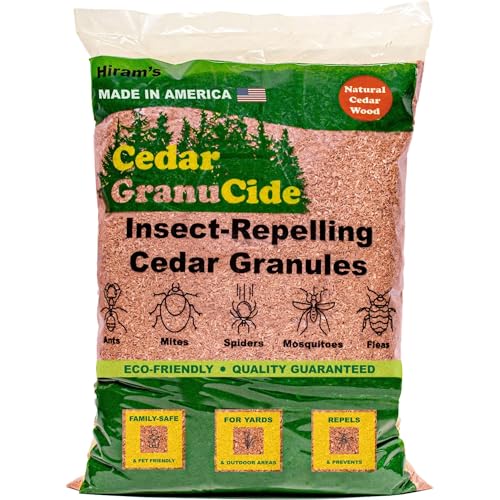
GranuCide Cedar Granules 8 lbs

Kopplvn Backyard Mosquito Repellents-8P
More On The Choices That Made The List
Tucked inside an eight-pack of small scent-emitting balls, this set leans on a plant-based fragrance rather than a spray, so your patio table stays free of residue and misting equipment. You drop the balls into bowls, planters, or low corners and the aroma does the quiet work of discouraging mosquitoes from hovering around your seating zone.
Coverage extends to roughly 120 square feet per ball, which lines up nicely with a modest dining set on a small deck or the inside of a family tent during a weekend trip. Apartment dwellers with narrow balconies also tend to appreciate the low-key format. For anyone who dislikes sprays on skin or hates the smell of citronella candles, this setup offers an unobtrusive alternative.
Noteworthy Benefits
- No spray means no chance of over-saturating furniture, cushions, or outdoor rugs.
- Compact balls fit into planters and small spaces where a diffuser or coil would look bulky.
- Plant-based scent appeals to households avoiding synthetic chemical sprays around food prep.
- Eight-pack stretches across multiple seating zones on a single patio.
Things To Consider
- Scent effectiveness fades in open, breezy layouts, so a fully exposed lawn will likely feel under-treated.
- Balls need occasional replacement once the fragrance weakens, a small maintenance habit to plan around.
Who It Suits Best
Hosts who entertain on compact patios or campers furnishing a tent for a long weekend benefit most from this format.
Look Elsewhere When
Homeowners with a wide-open lawn should pick the OFF! Backyard Pretreat instead, since a hose-on perimeter covers far more ground.
The AUDQQM set takes the place-and-walk-away approach and stretches it across roughly two months of steady scent release per ball, which makes it feel closer to a set-and-forget solution than a weekly chore. You place them in corners, planters, or under furniture and the mild fragrance handles the rest without requiring any heat source or flame.
For enclosed porches, three-season rooms, and covered gazebos, the longer life cycle pays off because airflow stays minimal and the scent lingers instead of scattering. Bedrooms with the doors closed also see better results than open breezeways. The trade-off shows up in wide-open decks, where moving air dissipates the aroma faster than the ball can replenish.
Everyday Wins
- Long-lasting scent reduces how often you swap balls mid-summer.
- No flame or heat means safer placement around kids’ play zones.
- Eight count covers a porch swing, dining area, and entryway at the same time.
Honest Caveats
- Effectiveness drops sharply in strong breezes, so sheltered placement matters.
- Subtle scent profile may feel underwhelming if you expect the bold perfume of a citronella candle.
Key Specs
Made For
Readers with a covered porch, sunroom, or three-season patio where airflow stays gentle see the strongest results from this format.
Skip It When
Anyone managing a wide, breezy lawn should reach for the SUNDAY Cedar Oil Yard Spray, which covers the whole grass area in one pass.
The OFF! Backyard Pretreat is a hose-end sprayer built for big perimeters, and a single 32-ounce bottle covers up to 16,000 square feet when applied as a perimeter band. You hook it to a standard garden hose, walk the edge of your lawn or the border of a wooded lot, and the bottle meters the formula out as you spray.
Pre-treat timing is the trick: most homeowners apply it the day before a backyard party or cookout, then let it dry so the barrier is in place when guests arrive. The format works well for suburban lots where you want to draw a clean line around play areas, gardens, or seating zones. Worth noting, this is the conventional option in the lineup, so if your priority is purely botanical ingredients, one of the cedar-based sprays later in the list is a closer match.
Why It Works Well
- Massive coverage area treats a full suburban lot in one bottle pass.
- Hose-end format means no mixing, no measuring, and no extra gear to store.
- Perimeter approach keeps treated zone off patios where food sits.
- Available in single, four-, five-, and nine-pack options for season-long coverage.
Practical Considerations
- Formula is a conventional insecticide rather than a plant-oil blend, which limits its fit for all-natural households.
- Coverage numbers assume full perimeter treatment, so partial-use coverage shrinks fast.
The Right Fit
Suburban homeowners preparing for a large outdoor gathering or pre-season barrier treatment benefit most from this scale.
Reach For A Different Pick When
Households committed to botanical ingredients should consider the Cedarcide YardSafe instead, which uses cedar oil for a similar perimeter effect.
Cedarcide YardSafe turns cedar essential oil into a full-yard treatment, attaching to a standard garden hose so you can walk the lawn and lay down a botanical barrier without any mixing. The cedar scent doubles as a mild tick and flea repellent, which makes the formula appealing if your pets roam the same grass where kids play.
One quart covers up to 5,000 square feet, which lines up nicely with a typical city lot or a smaller suburban yard, and there is no re-entry wait once the spray dries. Families with dogs that nap on the lawn often gravitate toward cedar over synthetic pyrethroids because the ingredient list reads more like a pantry than a chemistry set.
Practical Advantages
- Cedar oil base treats mosquitoes, ticks, and fleas in a single pass.
- No dry-time delay means kids and pets can return to the lawn quickly.
- Hose-end application skips the mixing bowl and measuring cup entirely.
Possible Compromises
- Cedar scent lingers for the first day, which bothers scent-sensitive noses.
- Coverage assumes consistent walking speed; rushed application reduces effective reach.
Feature Snapshot
Whose Shelf It Belongs On
Pet households wanting a botanical perimeter treatment that handles multiple biting pests in one pass benefit most from this formula.
Swap It Out When
Anyone working with a half-acre or larger property should consider the Eco Defense Yard Spray, which targets a similar coverage range at a different price point.
Eco Defense leans on a hose-on, ready-to-spray format that targets adult mosquitoes, flea eggs, and tick larvae in one pass, which makes it useful for homeowners dealing with layered pest pressure rather than a single species. Coverage lands at roughly 5,000 square feet, matching most mid-size suburban lots without forcing a second bottle.
Maintenance is the headline benefit: you reapply every 30 to 45 days through the warm season, so a single bottle stretches across multiple treatments if you store it in a garage. The trade-off appears in scent, which can read stronger during application than pure cedar blends, so application on a calm morning keeps it from drifting toward seating areas.
Key Advantages
- Targets adult pests along with eggs and larvae for a fuller population knockback.
- Hose-on design removes the mixing step from your routine.
- No waiting period after application, so the yard is usable the same day.
Trade-Offs To Consider
- Stronger scent during application compared with mild cedar-only formulas.
- Bottle storage matters, since leftover formula should stay sealed between treatments.
Perfect Match For
Homeowners balancing mosquitoes with flea or tick pressure in a mid-size lawn get the most mileage from this broad-spectrum formula.
Consider Something Else When
Households wanting the gentlest botanical scent should pick the SUNDAY Cedar Oil Yard Spray, which keeps the formula closer to a clean cedar profile.
SUNDAY stacks cedar oil and lemongrass into a hose-on yard spray that doubles as a flea and tick treatment, sold as a two-pack so you have a second bottle ready when the first runs dry mid-summer. You attach the bottle to a hose, walk the perimeter, and the formula lays down a botanical barrier that lingers around the property edges.
For households with young kids, the appeal sits in the ingredient transparency, since the formula leans on plant oils rather than synthetic pyrethroids. The two-pack format also reduces the chance you run out before peak season ends. Depending on your soil and grass type, you may find reapplication timing varies, so a quick walk-through every few weeks helps confirm the scent is still active.
The Case For It
- Cedar and lemongrass blend targets mosquitoes, fleas, and ticks together.
- Two-pack format covers a full season without reordering mid-summer.
- Plant-oil ingredient list suits families avoiding synthetic sprays.
Small Limitations
- Reapplication rhythm shifts with weather, so dry spells may shorten the effective window.
- Bottle size requires a garage or shed spot for off-season storage.
Best Suited To
Families with kids who play in the yard and want a transparent ingredient list benefit most from this two-pack format.
Not Your Match When
Anyone managing a tiny balcony should pick the Kopplvn Mosquito Repellent 8-Pack, which trades yard coverage for a smaller-scale placement solution.
GranuCide swaps the hose for a scoop, using untreated cedar chips that you scatter along garden borders, paths, or the edges of flower beds to release a steady cedar aroma. An 8-pound bag covers a meaningful stretch of edging, so you can ring a vegetable garden or line a walkway without running out halfway through.
Gardeners juggling aphids, ants, and spiders alongside mosquitoes tend to appreciate the broader reach, since cedar acts as a general insect deterrent rather than a mosquito-only product. The honest read is that granules need refreshing after heavy rain, so a monthly top-up during wet stretches keeps the scent barrier active. Used as a mulch layer, they double as a tidy edging material.
Everyday Advantages
- Scatterable format suits garden borders where hose spraying would damage blooms.
- Cedar aroma deters mosquitoes, ants, aphids, and spiders in one application.
- Untreated cedar stays safe around edible gardens and curious pets.
Where It May Fall Short
- Rain washes scent away faster than a sprayed film, so reapplication cadence rises in wet climates.
- Granules do not cover open lawn the way a hose-on spray can.
Who Should Grab It
Vegetable gardeners and tidy landscapers wanting a multi-pest barrier around beds and paths benefit most from this format.
A Better Fit Elsewhere
Homeowners focused on wide-open grass coverage should reach for the Cedarcide YardSafe, which handles broad lawn spraying with the same cedar base.
The Kopplvn set leans on natural ingredients covered under FIFRA 25(b) exemption, which is the EPA shorthand for minimum-risk botanicals, so the formula reads closer to a kitchen-cabinet list than a chemical shelf. Each bag is sized for roughly 120 square feet of coverage, and the eight-pack spreads that across multiple spots: a deck corner, an RV step, a tent corner, a balcony rail.
The brand cites up to 60 days of steady scent, which puts it in the same long-life conversation as the AUDQQM balls earlier on the list. For renters and travelers, the small bag format slides into storage bins without the bulk of a spray bottle. You may find the scent profile mild compared to citronella candles, so placing several bags close together builds a stronger local barrier.
Well-Handled Touches
- Plant-based formula fits renters and travelers wary of stronger insecticides.
- Compact bags store easily in RV bins, tent sacks, and balcony closets.
- Eight-pack spreads across multiple small zones without overlap.
Soft Spots
- Scent stays mild, so clustering several bags strengthens the effect.
- Open-air placement shortens the working window compared to enclosed setups.
Built With In Mind
RVers, campers, and renters without a yard hose benefit most from this low-storage, place-anywhere format.
Another Choice May Suit
Homeowners with a fixed suburban lawn should pick the SUNDAY Cedar Oil Yard Spray, which handles a full grass perimeter in one application.
What Matters Most Before Choosing Non-Toxic Mosquito Repellents For Yard
Coverage Area And Yard Size
The honest starting point is square footage, because a 120-square-foot ball works on a balcony but disappears into a half-acre lot. Hose-on sprays in the 5,000-square-foot range cover most suburban yards in a single bottle, while perimeter formulas can stretch past 16,000 square feet when applied in a thin band. Picking the wrong scale usually means re-treating mid-summer or buying a second bottle.
For renters and small-space dwellers, the scent-based formats make more sense than any spray. For homeowners with a real lawn, a hose-on cedar or botanical formula lines up with how the yard actually gets used.
Active Ingredient And Family Profile
Cedar oil, lemongrass, and other plant-based essential oils define the non-toxic category, and each formula reads a little different on an ingredient label. Cedar tends to double as a tick and flea deterrent, which helps households with pets. Lemongrass brings a brighter scent profile but may not extend to ticks the same way.
If your household includes dogs that roll in the grass or toddlers who sit on it, a formula with no re-entry wait and a transparent plant-oil list is the safer everyday choice. Skipping that check is how families end up retreating to a “safer” spray that still carries conventional insecticides.
Format Versus Routine
Scent balls and granules ask for occasional placement and replacement, while hose-on sprays ask for a quarterly walk around the yard. Your willingness to reapply every 30 to 45 days should drive the format choice, because a cedar spray left untouched past its window stops pulling its weight. Granules, meanwhile, fade faster in heavy rain, so wet-climate homeowners should plan a monthly top-up rather than a single seasonal scatter.
Points Worth Weighing Before You Buy
Common Shopping Slip Ups
Assuming all “natural” mosquito repellents work the same way is the most common slip, since scent balls and yard sprays target very different coverage scales. A second trip-up is ignoring reapplication timing, because botanical formulas fade faster than synthetic concentrates and need a calendar reminder to stay effective. Shoppers also tend to overlook wind exposure, placing delicate scent products in breezy open spots where airflow scatters the aroma before it has a chance to build.
What The Higher Tier Buys
The step up in this category usually buys two things: a larger coverage footprint and a multi-pest ingredient list that handles fleas and ticks alongside mosquitoes. Cedar-and-lemongrass blends cost a bit more because the sourcing and bottling run higher than single-ingredient formulas, and the two-pack formats reduce mid-season reordering. The honest read is that the upgrade pays off most for households with pets, larger lawns, or both, where a one-bottle seasonal solution saves more time than it costs.
