

Phalaenopsis orchids, the moth orchids you see cascading from windowsills and gift baskets, demand one specific thing above all else: air at the roots. In their native range, these plants cling to tree bark where their rhizomes breathe freely. A standard decorative pot traps moisture against those roots and invites rot within weeks. The right container changes everything, and after reviewing eight popular options, the differences in airflow, material, and size flexibility stand out.
A Side-By-Side Look

T4U Clear Orchid Pots 9 Pack 4.3 5.5 6.3 Inch
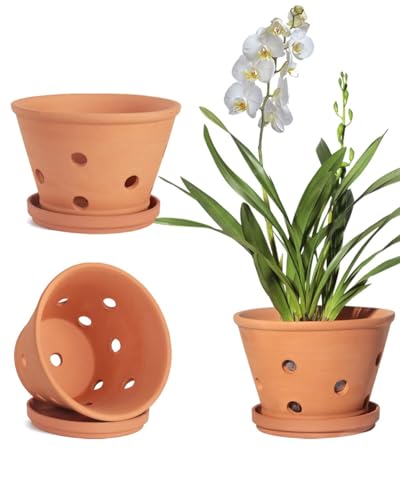
vensovo 6 Inch Terracotta Orchid Pots with Holes and Saucers
FUIJOL Orchid Pot 6 Pack 4 Inch Clear with Holes and Saucers

HOLANHING Orchid Pot 2 Each of 4.3 5.5 6.1 Inch

Orceler 6 Inch Terracotta Orchid Pots with Holes and Saucers

YOPIKUU Orchid Pot 8 Pack 6 Inch Clear with Holes and Saucers

BUYMAX 5&6 Inch Ceramic Orchid Pots with Holes and Trays

BUYMAX 5&6 Inch Ceramic Orchid Pots with Holes and Trays
Taking A Closer Look At The Options
Anyone juggling a small Phalaenopsis collection will appreciate having three pot sizes in a single purchase. The T4U set ships with 4.3-inch, 5.5-inch, and 6.3-inch clear containers, so a single order covers seedlings, juveniles, and mature bloomers on the same shelf.
Clear plastic lets you watch root development and moisture levels without unpotting the plant. Side and bottom slots keep air moving through the root zone, which matters most during the cool winter months when indoor humidity drops and pots stay wet longer.
Points In Its Favor
- Three sizes in one bundle, matching different growth stages without separate purchases.
- Clear walls make it easy to spot green algae buildup or rotting roots before they spread.
- Plenty of side and bottom openings support the dry-wet cycle Phalaenopsis roots prefer.
- Lightweight plastic moves easily between windowsills during seasonal shifts.
- Nine total pots give you spares for propagation or backup containers during repotting days.
Things To Consider
- Plastic scratches over time, which can dull the visibility you depend on for monitoring roots.
- No saucers included, so you’ll want to pair these with separate trays to protect wood furniture.
Feature Snapshot
Best Suited To
Collectors growing multiple Phalaenopsis at different stages who want one bundle for repotting rotations.
Consider Something Else When
The YOPIKUU 8 Pack works better for anyone who wants a single uniform 6-inch size across a large collection.
Terracotta has been the orchid-keeper’s standby for decades, and this vensovo set shows why. The clay body breathes from every angle, wicking moisture outward and pulling air inward through the porous walls. For Phalaenopsis in particular, that exchange mimics the bark-and-air environment they evolved in.
The 6-inch outer diameter fits most mature plants, and the included saucers catch the runoff that terracotta tends to shed after watering. You get a classic look that disappears nicely into a plant shelf rather than competing with the blooms.
Notable Upsides
- Porous clay walls pull moisture away from roots, lowering the risk of rot between waterings.
- Heavy base keeps top-heavy flower spikes from tipping over on narrow shelves.
- Each pot arrives paired with its own saucer, saving a separate accessory run.
- Clay temperature-shifts slightly with the room, which mimics outdoor conditions roots respond to.
Worth Noting
- Mineral deposits tend to show on terracotta over time, so you may want to rotate pots for even aging.
- Clay dries faster than plastic, meaning more frequent watering in dry winter homes.
Who It Suits Best
Traditional orchid keepers who prefer a natural material and don’t mind watering more often in dry climates.
A Better Fit Elsewhere
The T4U Clear Orchid Pots set is a smarter match for anyone who wants to watch root health without unpotting the plant.
Small orchids need small pots, and a 4-inch container suits Phalaenopsis that aren’t ready for a 6-inch upgrade. The FUIJOL set gives you six matched clear pots with their own saucers, which is unusual at this size class. Most 4-inch orchid pots arrive without drainage trays, forcing a separate purchase.
The slotted sides drain fast, which is exactly what a young orchid with tender roots wants. You may find the 4-inch top diameter limits you to single-crown plants only, but for a desktop or windowsill setup, that’s plenty.
Notable Gains
- Includes six matching saucers, so the kit works as a complete starter bundle.
- Compact 4-inch footprint suits tight desks, narrow shelves, and crowded greenhouse benches.
- Clear walls let you see when roots have filled the pot and it’s time to size up.
Points To Note
- All six pots are the same size, so this isn’t a multi-stage bundle like the T4U set.
- Lightweight plastic may need weighting in a drafty window where tall bloom spikes catch wind.
Made For
Beginners working with young Phalaenopsis plants who want a complete pot-and-saucer kit without sourcing extras.
Look Elsewhere When
The HOLANHING 4.3/5.5/6.1-inch bundle is a stronger pick when you want mixed sizes for a multi-plant rotation.
Thicker plastic sounds mundane, but on orchid pots it changes how long the container lasts. The HOLANHING set uses a heavier PP (polypropylene) body that resists cracking from temperature swings and accidental drops. Compared to the thinner walls on most clear orchid pots, this one feels more substantial in the hand.
Two of each size (4.3, 5.5, and 6.1 inches) gives you a balanced bundle for pairing up plants at the same growth stage. The total of six pots handles most home collections without leaving extras unused.
Everyday Wins
- Thicker PP walls resist cracking during cold shipping or accidental bumps on hard floors.
- Two pots per size supports matched-pair setups where multiple orchids share a shelf.
- Side drainage slots are large enough to release water but small enough to hold potting bark.
Trade Offs
- Higher plastic weight makes the bundle less convenient to move around during repotting sessions.
- No saucers bundled, so you’ll need to source trays separately for indoor surfaces.
Feature Snapshot
Right Fit For
Multi-plant households that need matched-size pairs across different growth stages.
Skip It When
The BUYMAX ceramic set is worth considering for anyone prioritizing decorative appeal over multi-size flexibility.
Firing temperature tells you a lot about a terracotta pot before you ever water it. Orceler pushes the kiln to 1922°F, well above standard pottery ranges, and the result is a denser, less porous clay body. For orchid keepers worried about cracking during cold delivery or winter repotting, that hardness matters.
The 6-inch diameter lands in the sweet spot for mature Phalaenopsis with established root systems. Matched saucers handle the runoff that terracotta sheds after a thorough soak.
Noteworthy Benefits
- High-fire clay resists cracking from temperature swings better than lower-fired alternatives.
- Breathable walls regulate root moisture without the over-drying some porous pots cause.
- Saucers included, so you get a complete setup without separate accessory orders.
- Three-pack supports a small collection of mature plants at the same growth stage.
Honest Caveats
- Heavier than plastic options, so repositioning pots during seasonal moves takes more effort.
- Mineral staining appears over time and may bother anyone who prefers a pristine clay surface.
Who Should Grab It
Long-term orchid keepers who want durable clay that survives years of seasonal repotting cycles.
Swap It Out When
The YOPIKUU 8 Pack clear plastic works better for large collections where weight and uniform sizing matter more than clay aesthetics.
Bulk orchid collections are a different animal than a single windowsill plant. YOPIKUU delivers eight matching 6-inch clear pots with their own saucers, sized for the standard mature Phalaenopsis. The slot pattern is tuned wider than most competitors, which speeds up drainage during heavy summer waterings.
Clear plastic keeps the focus on the plant rather than the container, and the consistent sizing means your shelf looks uniform even when individual plants bloom at different times. For anyone running a small greenhouse bench, that uniformity simplifies care routines.
The Value In It
- Eight matching pots support a larger collection or backup rotation during disease treatment.
- Wider slot pattern drains quickly, which helps in humid climates where pots stay wet longer.
- Clear walls keep visual focus on blooms and roots rather than the container itself.
- Saucers included, which is uncommon in 8-pack configurations at this size.
Small Caveats
- Single 6-inch size means you’ll need other pots for younger plants in the same setup.
- Larger pack arrives in bigger shipping box, so storage until use requires more space.
Quick Facts
Built With In Mind
Greenhouse growers and serious collectors running eight or more Phalaenopsis who need consistent sizing across the bench.
Reach For A Different Pick When
The Orceler terracotta set is the better call for anyone wanting heavier, decorative clay instead of uniform plastic.
Ceramic orchid pots sit at the intersection of function and decoration. The BUYMAX set ships with both 5-inch and 6-inch sizes, plus matched trays, so you can stage two plants of different ages side by side without mismatched proportions. The glazed finish shifts the look from utilitarian to intentional.
Air circulation holes run along the lower portion of the pot, and the bottom drainage hole does the heavy lifting for excess water. In your living room or entryway, these read as decor first and growing containers second.
What Helps Most
- Mixed 5- and 6-inch sizes let you stage plants at different ages with visual harmony.
- Glazed ceramic finish suits shelves, side tables, and entryway displays where plain plastic looks out of place.
- Matched trays protect wood and stone surfaces from water rings during regular watering.
Potential Drawbacks
- Ceramic hides root health, so you’ll need to unpot occasionally to check for rot or overcrowding.
- Heavier weight makes frequent repositioning harder than with plastic alternatives.
- Glaze can chip if bumped against hard surfaces during seasonal moves.
Feature Snapshot
Whose Shelf It Belongs On
Anyone staging orchids as part of the room decor in a living area, entryway, or styled home office.
Not Your Match When
The FUIJOL 4-inch clear set suits better for compact desks where visibility of the roots matters more than decorative finish.
The second BUYMAX listing in this roundup carries the same 5-inch and 6-inch ceramic configuration, but with a slightly different finish profile. If the previous BUYMAX set reads more matte and traditional, this one leans into a smoother, more polished surface that catches light differently on a shelf.
Side air holes and bottom drainage do the functional work. What separates this entry from its sibling listing is purely aesthetic, which is why it earns a different recommendation badge rather than being lumped together.
The Upside
- Smoother glaze finish offers a more polished look than typical utilitarian orchid pots.
- Two-size configuration suits plants at different maturity stages within a single styling concept.
- Ceramic weight provides stability for taller bloom spikes that catch drafts.
- Matched trays keep the styling consistent across both sizes in the set.
Where It Is Less Suited
- Heavier than plastic, so rearranging a plant shelf mid-season takes more effort.
- Opaque walls block the root inspection that clear plastic pots provide.
Perfect Match For
Decor-minded orchid keepers who want a refined ceramic finish and don’t need to inspect roots through the pot walls.
Where Another Pick Shines
The T4U Clear Orchid Pots set is a better call for anyone who values watching root development as part of their care routine.
What Matters When Picking Containers For Moth Orchids
Drainage And Airflow Are Non-Negotiable
Phalaenopsis roots photosynthesize and breathe, which is why a sealed pot slowly suffocates them. Side slots or holes let air reach roots that wrap around the inside of the container, while bottom drainage keeps the medium from staying soggy after each watering. Look for pots that combine both, since bottom-only drainage leaves the upper root zone stagnant. In practice, even a clear plastic pot with a dozen slots outperforms a beautiful ceramic cachepot with one center hole.
Material Choice Shapes Your Watering Rhythm
Terracotta wicks moisture outward through its porous walls, drying faster than plastic in the same room. Plastic holds water longer and gives you more margin if you forget a watering. Ceramic with a glazed finish behaves more like plastic than terracotta, since the glaze seals the clay. Matching your material to your watering habits matters more than aesthetics. In dry winter homes, plastic buys you a day or two of forgiveness. In humid summers, terracotta prevents the over-wet conditions that cause root rot.
Size Should Match The Root Ball, Not The Foliage
A common misstep is sizing up too early. Phalaenopsis prefer snug containers where roots fill the pot, since loose medium holds too much moisture around an underdeveloped root system. The rule of thumb is a pot just large enough to contain the roots with about an inch of clearance. Repot only when roots have clearly outgrown the container, usually every one to two years after flowering.
Clear Pots Help You Catch Problems Early
Green algae on the inside of a clear pot, or visible black root tips, tell you about watering habits before the leaves show damage. Opaque ceramic hides these signals, so you end up unpotting to inspect. For beginners especially, clear plastic acts as a built-in diagnostic window.
Where Shoppers Go Wrong And When Spending Up Pays Off
Common Slip Ups In This Category
The biggest mistake is choosing a pot without enough drainage and calling it good because it looks nice. Cachepots, the decorative outer containers without drainage holes, work fine as a sleeve over a properly draining inner pot, but planting directly into one slowly kills the orchid. Another trap is buying a pot far larger than the current root ball, which keeps the medium wet for too long and encourages rot before roots have a chance to fill the space.
Why Top Tier Costs More
Premium ceramic and high-fire terracotta command higher prices because the clay is fired at higher temperatures, the glazes are more uniform, and the pieces are inspected for hairline cracks before shipping. For a single windowsill orchid, the difference may not justify the cost. For a collection of a dozen or more plants that you’ll handle frequently over years, the durability pays off in fewer replacements and less worry about chipping or cracking during seasonal moves.
