

Growing citrus at home is one of those quietly rewarding hobbies. A lemon tree on the patio, a lime bush by the kitchen door, or a Meyer lemon in a sunny window box can turn an ordinary weekend into a small harvest. The catch is that citrus trees are hungry feeders, and ordinary lawn fertilizer rarely delivers the calcium and micronutrients they crave. Organic citrus fertilizers solve that problem with slow, steady nutrition your trees can actually use, whether you keep one potted plant or manage a backyard orchard. This guide walks through eight solid options worth your attention, covering everything from ultra-concentrated liquids to bagged granular blends that feed for months.
The Main Contenders

Farmer’s Secret Citrus Tree Booster Fertilizer 8oz

Farmer’s Secret Citrus Tree Booster Fertilizer 32oz

Espoma Organic Citrus-Tone 5-2-6 Fertilizer 4 lb

FoxFarm Happy Frog Citrus & Avocado Fertilizer 4 lb

Gardenera Premium Liquid Citrus Tree Fertilizer 8oz

Bloom City Organic Citrus & Fruit Fertilizer 32 oz
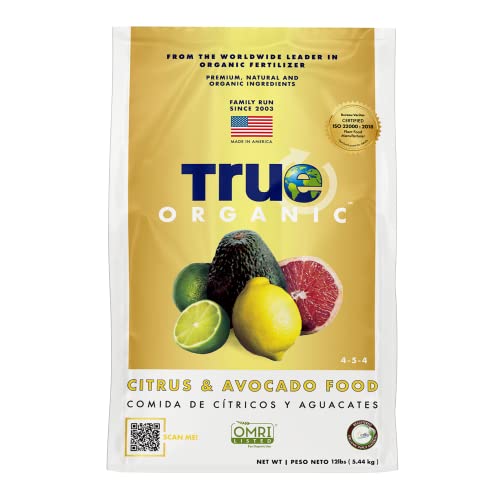
True Organic Citrus & Avocado Food 12lb Bag
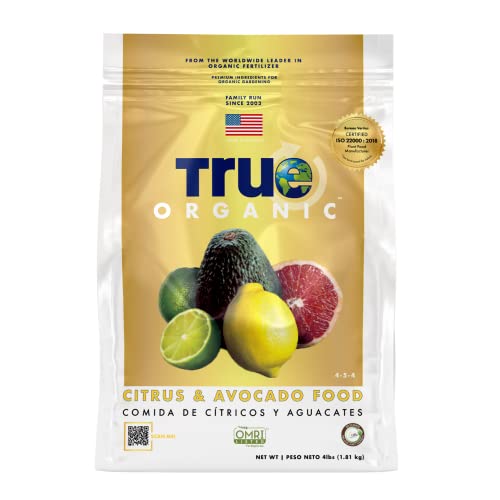
True Organic Citrus & Avocado Food 4lb Bag
A Deeper Look At The Lineup
Farmer’s Secret built this 8oz bottle for the homeowner who tends one or two citrus trees and doesn’t want a shelf full of fertilizer. The formula is super concentrated, which means a single teaspoon diluted into a gallon of water goes a long way along the drip line. First-season trees get a teaspoon per week, while mature specimens can handle two.
The narrow neck and small bottle make it easy to store on a garage shelf or in a utility drawer. For indoor citrus trees in containers, the dosing stays simple and predictable, with no measuring cups or scoop-and-sprinkle mess. Compared to the granular Espoma Citrus-Tone, this liquid approach gets to work faster, which is helpful when yellowing leaves hint at a nutrient gap.
Everyday Wins
- Super-concentrated formula stretches a small bottle across many feedings
- Simple weekly teaspoon-and-gallon mix for any gardener to follow
- Works for indoor container trees and outdoor plantings alike
- Liquid delivery reaches roots faster than granular alternatives
Points To Keep In Mind
- An 8oz bottle runs out quickly when feeding a backyard orchard of four or more trees
- Weekly mixing takes more routine than a once-per-season granular application
Feature Snapshot
Right Fit For
Apartment dwellers and patio gardeners keeping a single citrus tree in a container appreciate the compact footprint and easy weekly routine.
Consider Something Else When
Households tending four or more trees get better value from Farmer’s Secret Citrus Tree Booster Fertilizer 32oz, the larger sibling that cuts down on mixing cycles.
The 32oz version of Farmer’s Secret lands squarely in the multi-tree household. Same super-concentrated formula as the smaller bottle, but with enough volume to cover four or five mature citrus trees across a full feeding season without reordering. You dilute one teaspoon per gallon and apply along the drip line, which keeps measuring consistent regardless of bottle size.
For gardeners already using the 8oz bottle who find themselves refilling every few weeks, this size simplifies the routine. It also frees you from worrying about running out mid-season when fruit is setting. The trade-off is a slightly bulkier bottle on the shelf and a higher upfront cost per purchase.
What Helps Most
- Same proven dilution rate as the 8oz, just in a refill-friendly bottle
- Covers four to five mature trees across an entire growing season
- Liquid format delivers faster uptake than granular alternatives like Espoma Citrus-Tone
Honest Caveats
- Bulkier bottle takes up more shelf or cabinet space than the 8oz version
- Single-bottle cost runs higher, even though long-term value improves
Who It Suits Best
Suburban gardeners managing several citrus, lime, and orange trees across a yard find the volume matches the workload without constant reordering.
Swap It Out When
Container growers with just one windowsill tree save space and money stepping down to Farmer’s Secret Citrus Tree Booster Fertilizer 8oz.
Espoma Citrus-Tone is the long-running favorite in the granular citrus fertilizer world. The 5-2-6 analysis (that is, the ratio of nitrogen to phosphorus to potassium printed on the bag) leans toward fruit-bearing crops rather than leafy growth. Espoma also adds 5% calcium, which is a quiet hero for preventing blossom end rot in tomatoes and supporting thicker citrus peels.
The 4lb bag suits a backyard with two or three mature trees, or a stretch of potted citrus on a sunny patio. You sprinkle it along the drip line and water it in, then repeat on a schedule rather than every week. For gardeners who prefer a set-and-forget approach, that lower-maintenance rhythm is the main appeal over liquid concentrates.
Positive Takeaways
- Higher potassium ratio supports blossoms and fruit set rather than just foliage
- Added calcium helps prevent common citrus deficiencies during heavy fruiting
- Granular format means fewer feedings per season than weekly liquids
- Bio-tone ingredient blend supports long-term soil health, not just quick feed
Trade-Offs To Consider
- Granules take longer to start working than liquid concentrates like Farmer’s Secret
- 4lb bag runs short for orchards with five or more mature trees
Quick Facts
Built With In Mind
Backyard gardeners with two or three in-ground citrus or avocado trees who want a low-frequency feeding schedule benefit most from this format.
Look Elsewhere When
Orchard owners managing larger plantings find better coverage per dollar with True Organic Citrus & Avocado Food 12lb Bag.
FoxFarm’s Happy Frog line leans heavily on soil biology. The citrus and avocado blend includes mycorrhizal fungi, which are beneficial microorganisms that colonize roots and help trees pull in water and nutrients more efficiently. It also carries OMRI listing, which signals the product meets organic-input standards recognized in certified organic growing.
Slow-release nitrogen feeds the tree over weeks instead of days, so a single application supports steady vegetative growth without the feast-then-famine swings of fast-release feeds. The 4lb bag suits a small grove or a cluster of large container trees, though the upfront cost runs higher than basic NPK blends. For gardeners building long-term soil health rather than chasing quick green-up, the microbial angle sets this apart.
Where It Helps
- Mycorrhizal fungi improve root efficiency and water uptake over time
- Slow-release nitrogen keeps growth steady without burning tender roots
- OMRI listing fits organic gardening protocols and certification goals
- Also feeds avocado and other fruit trees beyond just citrus
Some Limits To Know
- Premium price per pound compared to entry-level granulars
- Granular format takes longer to show visible results than Gardenera liquid
Technical Sheet
Best Suited To
Container citrus growers and avocado enthusiasts willing to invest in soil biology see the strongest long-term returns from this blend.
Reach For A Different Pick When
Beginners on a tight budget get faster visible results from Espoma Organic Citrus-Tone 5-2-6 Fertilizer 4 lb at a lower cost.
Gardenera’s 3-1-2 liquid concentrate is dialed in for the specific environment of indoor citrus trees. That ratio (3 parts nitrogen, 1 part phosphorus, 2 parts potassium) mirrors the leaner feeding needs of potted plants, which can’t access the same microbial life as in-ground trees. For a Meyer lemon in a bright kitchen or a key lime by the patio door, that balance matters more than a backyard-grade feed.
The 8oz bottle is sized for one or two indoor trees across a season. Mixing instructions are straightforward, and the liquid format means nutrients reach roots quickly when leaves start to yellow. The smaller ratio of phosphorus and potassium versus nitrogen supports steady foliage without pushing weak, leggy growth indoors.
Useful Strengths
- 3-1-2 ratio tailored specifically to indoor container conditions
- Liquid concentrate delivers nutrients faster than granular options
- Compact 8oz bottle stores easily in a small kitchen or laundry room
Soft Spots
- Not optimized for outdoor or in-ground trees that need richer feeds
- Weekly mixing routine isn’t a fit for gardeners who prefer set-and-forget feeding
Whose Shelf It Belongs On
Apartment growers with one or two indoor citrus trees find the ratio and bottle size align with their setup.
A Better Fit Elsewhere
Outdoor in-ground citrus growers need the higher potassium ratio of Espoma Organic Citrus-Tone 5-2-6 Fertilizer 4 lb.
Bloom City takes a balanced approach to citrus and fruit feeding, supporting both root structure and steady fruit development without overstimulating foliage. The 32oz bottle is the heavy-hitter in this lineup, sized for households with multiple citrus trees plus other fruiting plants like figs, pomegranates, or stone fruit.
Liquid feeding at this volume keeps several trees on a consistent schedule without reordering every few weeks. Gardeners running a backyard food forest appreciate the bigger bottle, though casual patio growers may find it more than they need. The trade-off is shelf space and a higher upfront cost.
Real Benefits
- 32oz volume covers multiple fruit trees across a full season
- Balanced formula supports steady fruit development without pushing excess foliage
- Liquid format suits both indoor and outdoor feeding routines
Details To Watch
- Bottle takes up more storage room than smaller liquid options
- Diluted weekly application requires more active scheduling than granulars
Feature Snapshot
Who Should Grab It
Gardeners tending a small collection of citrus plus other fruit trees benefit most from the larger volume and broad fruit-tree focus.
Not Your Match When
A single patio tree’s needs are better served by Farmer’s Secret Citrus Tree Booster Fertilizer 8oz, which avoids the storage commitment.
The 12lb True Organic bag covers roughly 210 square feet, making it the orchard-scale option in this lineup. For homeowners with four or more mature citrus and avocado trees spread across a yard, that coverage means one purchase handles a full feeding cycle. The blend includes 7% calcium to support fruit quality and reduce blossom end rot.
True Organic also incorporates seabird guano and shrimp shell meal into its blend, both slow-release organic nutrient sources. Those ingredients feed soil microbes alongside the tree, building long-term fertility rather than just delivering a quick nutrient hit. The catch is the bulk. A 12lb bag needs dry storage and isn’t practical for apartment gardeners.
Where It Excels
- 210 sq ft coverage handles four-plus mature trees in one purchase
- 7% calcium supports fruit quality and reduces common deficiencies
- Organic ingredient blend feeds soil biology for long-term fertility
Worth Bearing In Mind
- 12lb bag is heavy and requires dry, indoor storage space
- Granular format works less well for small container trees on a balcony
Perfect Match For
Homeowners with established citrus and avocado trees across a yard find the coverage matches a multi-tree feeding schedule.
Where Another Pick Suits Better
Patio gardeners with one or two container trees get easier handling from True Organic Citrus & Avocado Food 4lb Bag.
The 4lb version of True Organic Citrus & Avocado Food covers roughly 70 square feet, which fits a patio setup or a couple of small in-ground trees. Same organic ingredient profile as the larger bag, including the 7% calcium and the seabird guano and shrimp shell meal blend, but at a weight the average gardener can comfortably lift and pour.
For container citrus on a balcony or two young trees planted last season, the smaller bag avoids the storage commitment of the 12lb version. The trade-off is more frequent reordering as trees mature or as you expand your collection. For gardeners who like to refresh their fertilizer each season rather than stockpile, that smaller commitment is the appeal.
What Makes Sense
- 70 sq ft coverage suits a patio or two small in-ground trees
- Same calcium and organic blend as the larger 12lb sibling
- Lighter bag is easier to handle and store than bulk orchard options
Smaller Limitations
- Runs out quickly for households with three or more mature trees
- Granular feeding takes longer to show visible results than Bloom City’s liquid
Made For
Patio and balcony gardeners keeping one or two small citrus trees find the coverage matches their setup without excess waste.
Skip It When
Orchard owners with established trees get better value from True Organic Citrus & Avocado Food 12lb Bag.
What Matters Most Before Choosing Organic Citrus Fertilizers
Format and Feeding Style
Granular organic citrus fertilizers like Espoma Citrus-Tone and True Organic release nutrients slowly over weeks, requiring only a few applications per season. Liquid concentrates such as Farmer’s Secret and Gardenera deliver faster uptake but ask for weekly mixing and application. The honest trade-off is convenience versus speed, and most backyard growers settle on whichever routine they will actually follow without skipping feedings.
Nutrient Ratio and Tree Needs
Citrus trees lean toward potassium and calcium rather than nitrogen-heavy blends. A 5-2-6 analysis like Espoma’s supports blossoms and fruit set, while a 3-1-2 ratio like Gardenera’s works better for indoor container trees with limited root zones. Watch for added calcium in the spec list, since citrus often shows deficiencies through thin peels and blossom end issues during heavy fruiting.
Coverage and Storage Realities
A 4lb bag fits a patio setup, while a 12lb bag makes sense for orchards but demands dry storage. Liquid bottles are lighter but require weekly mixing. The honest read is that matching the container size to your tree count avoids both waste and reordering headaches across the season.
Where Shoppers Go Wrong and Where The Extra Money Goes
Traps First Timers Fall Into
Reaching for the highest-nitrogen general fertilizer on the shelf is the most common mistake, since citrus actually wants more potassium than nitrogen for fruit production. Skipping calcium in the ingredient list leads to thin peels and blossom end rot later in the season. Another slip is treating indoor and outdoor trees with the same ratio, when container trees need a leaner feed than in-ground plantings.
The Upgrade Payoff
Higher-tier picks like FoxFarm Happy Frog and the larger True Organic 12lb bag cost more because they build long-term soil biology rather than just feeding the tree directly. Mycorrhizal fungi, seabird guano, and shrimp shell meal all support a living soil that retains nutrients and water better over years. For gardeners planning to keep their trees for decades rather than seasons, that investment compounds into healthier harvests and stronger root systems with time.
Frequently Asked Questions
How often should you feed a citrus tree with organic fertilizer?
Most organic citrus fertilizers call for applications every four to six weeks during the growing season, though weekly liquid concentrates like Farmer’s Secret use a different, smaller-per-application rhythm. Always check the specific product’s label, since overfeeding risks leaf burn and salt buildup in container soil.
Can you use the same fertilizer on indoor and outdoor citrus?
Technically yes, but indoor trees prefer a leaner ratio like Gardenera’s 3-1-2 because their limited root zones can’t access the same microbial life as in-ground plantings. Outdoor in-ground trees handle richer feeds like Espoma Citrus-Tone with stronger potassium support for fruit production.
What does calcium do for citrus trees?
Calcium supports thicker fruit peels, stronger cell walls, and reduces blossom end rot during heavy fruiting periods. Citrus frequently runs short on calcium in container soil, which is why most organic citrus blends include some percentage in their formulation.
Is OMRI listing important for organic citrus fertilizer?
OMRI listing means the product meets organic-input standards recognized in certified organic growing, which matters if you sell your fruit or follow organic certification protocols. For home gardeners, it also signals the ingredient list leans toward natural sources rather than synthetic nitrogen.
How long does a 4lb bag of citrus fertilizer last?
A 4lb bag covers roughly 70 to 90 square feet of feeding area, depending on tree count and application rate. For two or three mature trees, expect to refill every two to three months during the active growing season.
Closing Remarks
The right organic citrus fertilizer matches your tree count, your feeding routine, and the soil you already have. Liquid concentrates deliver fast results for indoor setups, while granular blends suit orchards and gardeners who prefer less frequent applications. Whichever format you pick, sticking to a steady schedule matters more than chasing the strongest formula on the shelf.
