

Healthy flower beds depend on steady, balanced nutrition rather than quick fixes. Synthetic feeds push leafy growth but often skip the slow, soil-building work that keeps roses, perennials, and container blooms coming back year after year. Organic options trade instant punch for a gentler, longer-lasting feed that improves soil structure alongside plant health. The eight picks below cover granular bloom boosters, all-purpose plant foods, and liquid concentrates that suit roses, flowering shrubs, vegetable plots, and patio pots alike.
An Overview Of The Picks
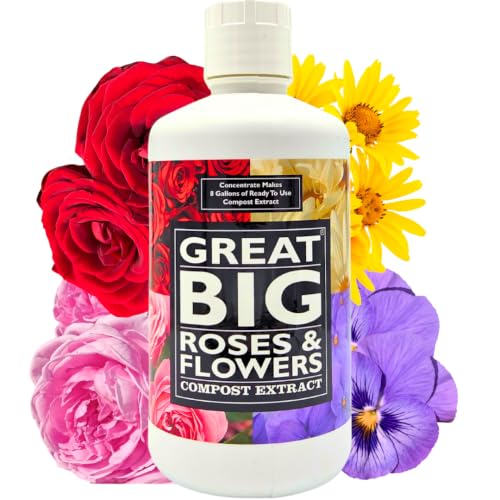
Great Big Roses Fertilizer Booster 32 oz

Jobe’s Organics Granular All Purpose Fertilizer 4 lb Bag

Miracle-Gro Performance Organics Blooms Granules 2.5 lb
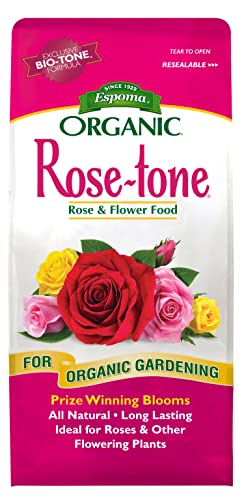
Espoma Organic Rose-Tone 4-3-2 Fertilizer 4 lb Bag, Pack of 2

Espoma Organic Plant-Tone 5-3-3 Plant Food 4 lb Bag, Pack of 2

Miracle-Gro Organic Plant Food 32 fl oz

FoxFarm Happy Frog Fruit & Flower Fertilizer 4 lb
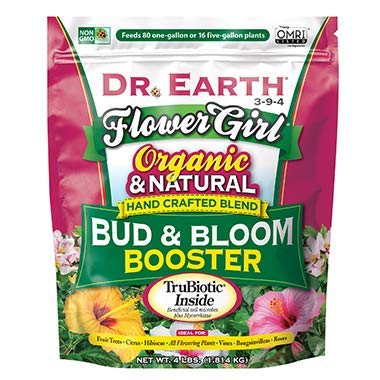
Dr. Earth Flower Girl Bud & Bloom Booster 4-10-7 4 lb
What Each Pick Brings To The Table
The Great Big Roses Fertilizer Booster comes as a 32 ounce liquid concentrate aimed squarely at rose beds and flowering shrubs. Unlike the granular options from Jobe’s and Espoma later in the list, this formula is designed to move through the soil column and reach the root zone quickly, where it works to activate nutrients already present in the ground. For gardeners whose roses and hydrangeas sit in tired, underperforming soil, that root-zone targeting can matter more than the N-P-K numbers on the label.
It’s a supplementary product rather than a stand-alone feed, so it pairs naturally with whatever soil amendment you’re already using. You’ll pour it around the dripline and let water carry it down, which keeps the application mess low and the timing flexible during the growing season.
The Value In It
- Liquid form delivers nutrients to the root zone faster than surface-applied granules
- Suitable for roses, hydrangeas, citrus trees, and general flower beds, reducing the need for multiple products
- Designed to complement whatever fertilizer program you already run, so it slots into an established routine
- The 32 ounce bottle mixes with water, so measuring and cleanup stay straightforward
Points To Keep In Mind
- Works best alongside an existing soil fertility program, on its own the results may feel limited
- Liquid feeding means more frequent applications than a slow-release granular option like Espoma Plant-Tone
Quick Facts
Right Fit For
Garden owners with established rose or hydrangea beds who want to push bloom performance on top of their existing fertility routine.
Look Elsewhere When
Vegetable-heavy gardeners and mixed annual beds will get more mileage from a granular all-purpose like Jobe’s Organics All Purpose Fertilizer, which covers a wider range of crops.
Jobe’s Organics Granular All Purpose Fertilizer takes the broadest swing in this roundup, covering flowers, vegetables, shrubs, and trees from a single 4-pound bag. The granular format is built for low-mess application; you scatter it around the base of plants and water it in, without the measuring cups and dilution ratios that liquid feeds like the Great Big Roses Booster require. For mixed backyard plots where roses sit next to tomatoes and herbs, that versatility removes the need to stock multiple products.
It’s marketed as a fast-acting organic formula, which means you should see greener foliage and stronger growth relatively soon after the first application. The trade-off is that you may need to reapply more often than with slower-release options, though for many home gardeners that rhythm matches the natural pace of the growing season.
The Practical Payoff
- One product covers flowers, vegetables, shrubs, and trees across the whole yard
- Granular form means no mixing, no measuring cups, and minimal splash or runoff during application
- Organic composition appeals to gardeners avoiding synthetic feeds around edible crops
- The 4-pound bag covers a respectable footprint for a small to mid-size home garden
Trade Offs
- Not specialized for heavy bloomers, so rose collectors chasing show-quality flowers may want a dedicated rose feed like Espoma Rose-Tone
- Granules need watering in to activate, which adds a step after spreading
- Smaller bag than the Espoma Plant-Tone pack of 2, so high-volume gardens may burn through it
Whose Shelf It Belongs On
Home gardeners running mixed flower and vegetable beds who want one bag to feed nearly everything without juggling separate products.
A Better Fit Elsewhere
Dedicated rose growers chasing abundant blooms should look at Espoma Organic Rose-Tone, which is formulated specifically for flowering woodies.
Miracle-Gro Performance Organics Blooms Plant Nutrition Granules is built for one job: pushing more flowers on plants that already want to bloom. The formula blends natural and organic ingredients with key nutrients aimed at flowering plants, and it works in both in-ground beds and containers. For patio gardeners growing annuals like petunias, calibrachoa, and geraniums, that container compatibility matters more than a broad N-P-K profile.
Application follows a simple pattern: scatter the dry granules, water them in, and let the feeding start. The trade-off versus all-purpose options like Jobe’s is a narrower use case, since this isn’t the right pick for leafy greens or root vegetables.
Where It Excels
- Specifically formulated for flowering plants, so nutrient ratios lean toward bloom production rather than foliage
- Works in containers as well as in-ground beds, fitting patio and balcony gardens
- Dry granules eliminate measuring and mixing, which suits casual gardeners
- From a recognized brand with wide retail availability and consistent supply
Small Caveats
- Only 2.5 pounds per bag, so large perennial borders may need multiple bags per season
- Focused on blooms means it’s not the right tool for vegetable gardens or lawns
Feature Snapshot
Made For
Container gardeners and patio growers who want a clean, no-mix option that targets flower production on annuals.
Swap It Out When
Vegetable gardeners running a productive food garden should reach for Espoma Organic Plant-Tone, which covers both flowers and edibles from one bag.
Espoma Organic Rose-Tone is the dedicated rose option in this lineup, built around a 4-3-2 N-P-K ratio with added calcium and the brand’s Bio-tone blend of beneficial microbes. The 4-3-2 ratio favors steady, balanced feeding over the high-phosphorus push of something like Dr. Earth’s Flower Girl, which suits gardeners who’d rather support overall plant health than chase a single bloom cycle. The Bio-tone microbes work quietly in the soil to improve nutrient availability over time, which matters in clay or sandy beds where roses often struggle.
The pack-of-two format gives you 8 pounds of product, enough to feed a meaningful rose collection through a full growing season. It covers knockout, climbing, and shrub roses, plus flowering companions like viburnum, bougainvillea, and clematis, so the formula isn’t as narrow as its name suggests.
Where It Delivers
- 4-3-2 ratio supports vigorous green growth alongside bloom production, avoiding the leggy look high-nitrogen feeds can cause
- Bio-tone microbial blend helps unlock nutrients already in your soil, which matters in established beds with tired ground
- Pack of 2 means fewer reorders across a long growing season, useful for gardeners with multiple roses
- Works across knockout, climbing, and shrub roses plus flowering shrubs like viburnum and clematis
A Few Limitations
- Rose-specific positioning means it isn’t the right pick if you also need to feed vegetables or fruit trees
- Lower phosphorus than bloom-pushing competitors like Dr. Earth Flower Girl, so show-quality rosarians may want to layer additional feeding
Spec Overview
Who Should Grab It
Rose gardeners with multiple bushes who want a dedicated formula that supports both foliage and blooms across a full season.
Consider Something Else When
Mixed edible and ornamental gardens will get broader use from Espoma Organic Plant-Tone, which spans flowers, vegetables, and shrubs from one bag.
Espoma Organic Plant-Tone runs a 5-3-3 analysis with 5% calcium and the same Bio-tone microbial blend that powers the brand’s rose-specific formula. The difference is reach: Plant-Tone is genuinely all-purpose, covering annuals, perennials, roses, vegetables like tomatoes and peppers, plus trees and shrubs. For gardeners running one bag across a mixed backyard, that span removes the need for separate flower and vegetable feeds.
The 5-3-3 ratio leans slightly toward nitrogen, which supports lush foliage growth that flowers and fruiting vegetables need to set buds. Calcium adds structural support that helps prevent blossom-end rot in tomatoes and peppers, making this a quietly useful pick for kitchen gardens with a flower border.
Useful Touches
- Truly all-purpose, covering flowers, vegetables, trees, and shrubs from a single bag
- Bio-tone microbial blend supports soil biology over time, building long-term fertility
- 5% calcium content helps prevent blossom-end rot in tomatoes and peppers
- Pack of 2 format covers a large mixed garden without reordering mid-season
Honest Caveats
- Not bloom-targeted, so heavy-flowering ornamentals may want supplemental feeding during peak season
- Slow-release organic breakdown means results build gradually rather than appearing in a week
Details At A Glance
Best Suited To
Mixed garden owners who want one organic feed to handle flower beds, vegetable plots, and foundation shrubs without separate products.
Reach For A Different Pick When
Dedicated rose growers chasing maximum blooms will get more targeted feeding from Espoma Organic Rose-Tone, which is calibrated for flowering woodies.
Miracle-Gro Organic Plant Food is a liquid concentrate that swaps the measuring and mixing of dry granules for a quicker pour-and-water routine. The 32 fluid ounce bottle is built around plant-based fertilizer ingredients, which makes it a comfortable choice for indoor houseplants, herb pots, and outdoor containers where you want organic credentials without a strong smell. It feeds instantly once diluted, which matters when a plant is showing signs of stress and you’d rather not wait for granular breakdown.
The bottle also carries OMRI listing for organic use, which is a meaningful distinction for gardeners keeping strict organic standards. Compared to the granular Espoma Plant-Tone, the trade-off is more frequent application, since liquids don’t persist in soil the way slow-release organics do.
Strong Points
- Liquid format delivers nutrients on contact, useful for showing-stressed potted plants
- Suitable for both indoor and outdoor container plants, covering houseplants and patio pots from one bottle
- OMRI listed for organic use, fitting strict organic gardening standards
- Plant-based ingredient profile keeps odor low, which matters for indoor feeding
Practical Considerations
- Liquid feeds require more frequent application than slow-release granular options like Espoma Plant-Tone
- 32 fluid ounces dilutes into a large volume of water, so a single bottle may deplete faster than expected across many houseplants
Who It Suits Best
Apartment and indoor plant owners who want a clean, low-odor organic feed that works across houseplants and patio containers.
Where Another Pick Suits Better
Large outdoor perennial beds will need greater volume and slower release, which makes Jobe’s Organics Granular All Purpose Fertilizer a better match.
FoxFarm Happy Frog Fruit & Flower Fertilizer is the microbial pick in this lineup, thanks to the inclusion of mycorrhizal fungi, a type of beneficial soil organism that forms symbiotic relationships with plant roots. The fungi extend the effective reach of root systems, helping flowering and fruiting plants access nutrients and water that would otherwise stay out of reach. For gardeners working with poor or compacted soil, that biological assist can matter more than raw nutrient numbers.
The formula also carries OMRI listing, which puts it on par with the Miracle-Gro Organic Plant Food in terms of organic credentials. Where it differs is the soil-building angle, since the microbial component keeps working long after the initial feeding.
Real Benefits
- Mycorrhizal fungi support root development, which helps plants in compacted or poor soils
- OMRI listed for organic use, suitable for organic gardening programs
- Targets fruiting and flowering plants, fitting edible landscapes with flower borders
- Granular format keeps application clean and low-mess compared to liquids
Points To Note
- Higher price point per pound than basic all-purpose options like Jobe’s, which may push budget gardeners toward simpler picks
- Mycorrhizal benefits build over time, so expect gradual rather than immediate results
Feature Rundown
Perfect Match For
Garden owners with poor or compacted soil who want a biological assist alongside nutrient feeding for fruit and flower crops.
Not Your Match When
Strictly budget-focused gardeners maintaining basic flower beds may find Jobe’s Organics Granular All Purpose Fertilizer a more practical everyday choice.
Dr. Earth Flower Girl Bud & Bloom Booster runs the highest phosphorus ratio in this roundup at 4-10-7, which directly targets flower formation rather than foliage growth. That makes it the most bloom-pushing option here, well suited to roses, annuals, and perennials where flower count matters more than leaf volume. For gardeners whose flowering plants sit close to where dogs and kids play, the pet-safe framing adds real peace of mind.
The 4-pound bag covers a meaningful bed footprint, and the formula works across vegetables, bedding plants, potted plants, trees, and shrubs. Where it differs from the more balanced Espoma Rose-Tone is the intensity of the bloom push, which can help in cases where flowers have been sparse.
What Helps Most
- 4-10-7 ratio puts phosphorus front and center, supporting heavy bloom production
- Safe for people and pets, fitting gardens where kids or dogs roam freely
- Versatile enough to feed flowers, vegetables, trees, and shrubs from one bag
- Free of GMOs, chicken manure, and sewage sludge, appealing to clean-gardening shoppers
Things To Consider
- High phosphorus can throw off nutrient balance in already fertile beds, so soil testing helps avoid over-application
- Narrower use profile than all-purpose picks, since heavy feeders like leafy greens don’t need this much phosphorus
Who Will Love This
Gardeners with flowering beds in family or pet-friendly yards who want a bloom-focused organic feed without safety concerns.
Skip It When
Mixed edible gardens heavy on leafy vegetables will benefit more from Espoma Organic Plant-Tone, which balances nutrients across a wider range of crops.
What Matters Most When Choosing Organic Fertilizers For Flowers
Match The Formula To Your Planting Style
Organic fertilizers come in three broad shapes: granular, liquid concentrate, and water-soluble powders. Granular options like Espoma Plant-Tone and Jobe’s Organics sit on the soil and break down slowly, which suits gardeners who’d rather feed once and move on. Liquid feeds like Miracle-Gro Organic Plant Food and the Great Big Roses Booster mix with water and deliver nutrients on contact, fitting container gardens and houseplants where quick uptake matters.
Read The N-P-K Numbers With Purpose
The three numbers on a fertilizer bag stand for nitrogen, phosphorus, and potassium, in that order. Nitrogen pushes leafy growth, phosphorus supports flowers and roots, and potassium builds overall plant resilience. Bloom-focused picks like Dr. Earth Flower Girl run higher in phosphorus (the middle number), while balanced options like Espoma Rose-Tone sit closer to even ratios. For most flower beds, a balanced or bloom-leaning ratio works better than high-nitrogen turf formulas.
Think About Soil Biology Over Time
Organic fertilizers do more than feed plants directly; they feed the soil. Products with microbial additives like FoxFarm’s mycorrhizal fungi or Espoma’s Bio-tone introduce organisms that improve nutrient availability season after season. In clay, sandy, or compacted soil, that biological boost often matters more than a small jump in nutrient numbers.
Consider Convenience And Reapplication Rhythm
Granular organic feeds typically need fewer applications per season, while liquids call for more frequent feeding. For gardeners who want a set-it-and-let-it approach, granular products lower the maintenance load. For those who enjoy regular garden routines or grow in containers that need frequent watering, liquid feeds slot in naturally.
Key Considerations Across These Picks
Traps First Timers Fall Into
New organic gardeners often expect overnight results similar to synthetic feeds, then conclude organics don’t work when nothing dramatic happens in a week. Organic fertilizers build soil biology gradually, and visible results typically take a few weeks rather than days. Another common slip is over-application, since the assumption that organic means unlimited can backfire in beds with already-rich soil, especially with high-phosphorus options like Dr. Earth Flower Girl.
When Paying More Pays Off
The higher-tier options in this list, including FoxFarm Happy Frog with mycorrhizal fungi and Dr. Earth Flower Girl with elevated phosphorus, cost more per pound than basic granular picks. The upgrade makes sense when soil biology needs rebuilding, when bloom count is the priority, or when pets and kids share the garden space. For routine feeding of healthy beds in decent soil, Jobe’s Organics or Espoma Plant-Tone deliver solid results without stretching the gardening budget.
Frequently Asked Questions
How Often Should Organic Fertilizer Be Applied To Flowers?
Most organic granular fertilizers benefit from applications every 4 to 6 weeks during the growing season, while liquid feeds often need feeding every 1 to 2 weeks. The exact rhythm depends on the product and how heavily the plants are blooming.
Can Organic Fertilizer Be Used On Both Flowers And Vegetables?
Yes, all-purpose organic options like Jobe’s Organics Granular and Espoma Plant-Tone are formulated for both flower beds and edible crops. Bloom-specific formulas may be too high in phosphorus for leafy vegetables.
Is Organic Fertilizer Safe Around Pets And Kids?
Many organic fertilizers are safer than synthetic alternatives, but safety varies by product. Dr. Earth Flower Girl specifically markets pet and people safety, while general-purpose organic granules should still be watered in and stored out of reach.
How Long Does It Take To See Results From Organic Fertilizer?
Organic feeds typically show visible results within 2 to 6 weeks, depending on soil condition and product type. Microbe-enhanced formulas like FoxFarm Happy Frog build benefits gradually over a full season.
Do Organic Fertilizers Improve Soil Over Time?
Yes, organic fertilizers feed soil biology alongside plant roots, building long-term fertility and structure. Microbial additives accelerate this process, but even basic organic options contribute to healthier soil with consistent use.
Closing Remarks
The right organic fertilizer depends less on brand hype and more on your garden’s shape: roses and flowering shrubs benefit from bloom-targeted ratios, mixed beds thrive on all-purpose blends, and containers appreciate the quick uptake of liquid feeds. Match the formula to your planting style, your soil condition, and how often you want to feed, and the rest tends to work itself out across the growing season.
