

Starting seedlings can feel like raising finicky eaters. They want steady nutrients without getting burned, and a balanced organic feed early on shapes how the whole plant performs. This roundup lines up eight liquid and granular options that work for trays, pots, and small garden beds, so you can match the right formula to the way you grow.
How The Shortlist Stacks Up

Alaska Fish Fertilizer 5-1-1 (OMRI Listed)
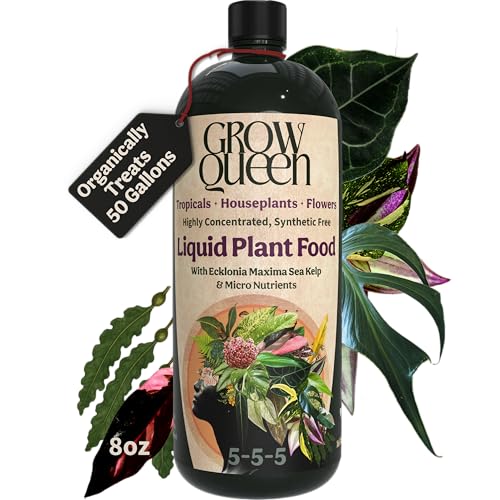
Grow Queen Organic 5-5-5 Liquid Indoor Plant Food

Espoma Organic Grow! Liquid Plant Food 2-2-2

The Grow Co Organic Fish Fertilizer 1 Gallon

FoxFarm Happy Frog Tomato & Vegetable 5-7-3

Miracle-Gro Organic Plant Food 32 fl. oz.

True Organic All Purpose Liquid Plant Food 3-2-2

Farmer’s Secret Plant Booster High Phosphorus
A Deeper Look At The Lineup
Alaska Fish Fertilizer 5-1-1 sits in the “gentle starter” lane that most seedling growers end up reaching for. The liquid fish emulsion (a concentrate made from processed fish, mixed with water before use) is OMRI Listed, meaning it has been reviewed for use in certified organic production, which matters if you want a clean feed for vegetable starts.
Because nitrogen leads the 5-1-1 NPK ratio (the three numbers that show nitrogen, phosphorus, and potassium content), young leafy growth tends to respond quickly without the harsh burn that synthetic feeds can cause. For most home setups, a light weekly dose during the first true-leaf stage is plenty.
A Few Strong Suits
- Mild 5-1-1 ratio is forgiving on tender roots
- Liquid form dilutes cleanly into a standard watering can
- OMRI Listed for organic gardening standards
- Trusted fish emulsion formula widely available
Things To Consider
- Carries the classic fish emulsion odor that lingers briefly indoors
- Low phosphorus means fruit and flower seedlings may want a richer feed later
Feature Snapshot
Who It Suits Best
First-time seedling growers who want a forgiving, widely available organic liquid that won’t punish small mistakes in dilution.
Where Another Pick Suits Better
Grow Queen Organic 5-5-5 Liquid Indoor Plant Food is a better fit for growers wanting equal nitrogen, phosphorus, and potassium from the start.
Grow Queen’s 5-5-5 blend is one of the few true balanced organic liquids aimed at indoor houseplants and seedlings. The equal NPK ratio is unusual in organic feeds, where phosphorus and potassium often run lower, so this bottle pulls double duty for starts that need root, leaf, and stem support at once.
Sea kelp is added for trace minerals and gentle growth hormones that help young roots push through potting mix. The 8-ounce bottle is sized for apartment windowsills and small tray gardens rather than backyard beds.
Everyday Wins
- True 5-5-5 NPK keeps nutrient delivery even across growth stages
- Sea kelp adds trace minerals seedlings can use right away
- Compact 8 oz bottle fits on a kitchen shelf
- Liquid form mixes in seconds for daily or weekly feeding
Worth Noting
- Small bottle means frequent replacement for anyone running many trays
- Higher overall nutrient load needs careful dilution on the most tender sprouts
Best Suited To
Apartment growers and indoor propagators who want a single balanced bottle for both seedlings and mature houseplants.
A Better Fit Elsewhere
The Grow Co Organic Fish Fertilizer 1 Gallon is the smarter pick for gardeners starting large numbers of outdoor vegetable seedlings.
Espoma Organic Grow! takes a soft 2-2-2 approach, the kind of mild dose that suits freshly germinated sprouts still building their first root hairs. The concentrate combines natural proteins with kelp extracts and humic acids (organic compounds that help soil hold and release nutrients), giving seedlings a multi-layered feed rather than a one-note nitrogen push.
The recommended cadence is every two to four weeks during active growth, which is easy to track for a kitchen gardener. You simply mix with water and water in normally, no separate feeding step needed.
What Works In Its Favor
- Gentle 2-2-2 ratio is hard to overdo on young plants
- Kelp and humic acids support soil biology long-term
- Works for indoor houseplants and outdoor beds alike
- No sludges or synthetic boosters in the mix
Trade Offs
- Mild numbers mean heavy feeders like tomatoes may need a richer feed once transplanted
- Liquid concentrate requires accurate measuring to stay consistent across batches
Made For
Growers running mixed indoor and outdoor seedling trays who want one bottle that handles herbs, lettuces, and ornamentals without overfeeding.
Consider Something Else When
FoxFarm Happy Frog Tomato & Vegetable 5-7-3 is the stronger pick once seedlings move into a heavy-feeding vegetable phase.
The Grow Co’s 1-gallon jug is built for gardeners starting dozens of trays at a time. It uses a cold-pressed fish emulsion process, which avoids the high-heat treatment that can strip out amino acids and vitamins, leaving a more nutrient-dense liquid feed than many alternatives.
Compared with the smaller Alaska bottle, this one stretches much further when you factor in the cost per mixed gallon. For a backyard nursery or community garden, that scale matters.
A Favorable Mix
- One-gallon size covers large seedling batches without repurchasing mid-season
- Cold-pressing retains amino acids and vitamins in the final emulsion
- Sustainably sourced fish minimizes waste
- Liquid works for both indoor trays and outdoor beds
- Suited to vegetables, fruits, and flower starts alike
Points To Note
- Larger jug needs cool, dark storage between uses to keep the emulsion fresh
- Stronger odor than milder formulations during mixing
Key Specs
Right Fit For
Backyard and community garden growers who push out large numbers of vegetable and flower seedlings each spring.
Look Elsewhere When
Alaska Fish Fertilizer 5-1-1 is the simpler shelf-stable choice for someone only running a couple of trays at a time.
FoxFarm Happy Frog brings a granular option into a list otherwise stacked with liquids, and the 5-7-3 analysis leans toward fruiting plants. Calcium is included to support cell structure, while mycorrhizal fungi (beneficial soil microbes that form partnerships with roots to expand nutrient uptake) help seedlings stretch their root reach.
For tomato, pepper, and berry starts that will eventually need bloom and fruit support, the phosphorus-heavy ratio is a sensible bridge from seedling to transplant.
Well-Handled Touches
- 5-7-3 ratio preps seedlings for the heavy fruiting stage ahead
- Mycorrhizal fungi boost long-term root efficiency
- Added calcium helps prevent blossom-end issues later
- Granular form means fewer mixing steps during the week
Honest Caveats
- Granular format needs careful surface application to avoid concentrate burn on tender stems
- Higher analysis is more than leafy greens and herbs actually need
Who Will Love This
Vegetable gardeners starting tomatoes, peppers, and berries that will graduate into a high-demand fruiting phase.
Skip It When
Espoma Organic Grow! 2-2-2 is the cleaner match for leafy herbs and lettuces that don’t need fruiting-level phosphorus.
Miracle-Gro’s organic liquid leans on plant-based ingredients rather than fish or manure, which keeps the odor profile neutral. For indoor growers who don’t want their living room smelling like a dock, that’s a meaningful daily-use advantage.
The 32-ounce bottle bridges the gap between small specialty liquids and the heavier 1-gallon options, fitting comfortably into casual seedling routines on a windowsill or patio.
Benefits That Matter
- Plant-based formula avoids strong organic odors indoors
- 32-ounce bottle covers a full seedling cycle
- OMRI Listed for organic use
- Works for both indoor containers and outdoor beds
Points To Keep In Mind
- Source description emphasizes plant-based inputs without listing a complete NPK
- Light analysis may require more frequent feeding than higher-numbered blends
Perfect Match For
Apartment and patio growers who want a neutral-smelling, easy-to-find organic option for small-batch seedling care.
Another Choice May Suit
Grow Queen Organic 5-5-5 Liquid Indoor Plant Food suits those who want a clearly stated NPK ratio for precise feeding.
True Organic draws on farm-grade ingredients that mirror what commercial organic produce growers use, which gives the 3-2-2 liquid a more agricultural backbone than typical consumer blends. The mild analysis keeps seedlings safe while still pushing steady growth.
The 16-ounce bottle handles a mix of indoor seedlings and a small outdoor bed, making it a flexible middle-ground choice between specialty indoor liquids and bulk fish emulsions.
Where It Delivers
- 3-2-2 ratio supports gentle seedling growth without burn risk
- Farm-grade ingredient profile appeals to serious organic gardeners
- OMRI Listed and CDFA listed for organic compliance
- Liquid form dilutes easily for weekly watering
Less Ideal Details
- Smaller nitrogen number means more frequent application than 5-1-1 options
- Less widely available than mainstream brand alternatives
Built With In Mind
Mixed indoor and outdoor gardeners who want a single organic liquid that handles seedlings, herbs, and established plants alike.
Reach For A Different Pick When
Miracle-Gro Organic Plant Food is the easier-to-source option for shoppers who prioritize retail availability.
Farmer’s Secret Plant Booster is built around a high-phosphorus formula aimed at early-stage plants, which is a deliberate bet on root development during the first few weeks of life. The super-concentrated design means a single 32-ounce bottle stretches through many seedling rounds.
The recommended dilution is roughly one teaspoon per two gallons of water, so measurement matters more than with pre-mixed liquids. Used carefully, it doubles as both a starter feed and a later transplant booster.
Practical Advantages
- Super-concentrated formula keeps cost-per-use low
- Phosphorus focus supports root mass during the first weeks
- Dilutes into regular watering for easy routine use
- Works on vegetables, flowers, and houseplant starts
Where It May Fall Short
- Concentrate requires careful measuring to avoid overfeeding young sprouts
- Less balanced than general-purpose options for long-term feeding
Quick Facts
Whose Shelf It Belongs On
Seedling growers who want a phosphorus-forward booster to anchor root development during the most sensitive early weeks.
Where A Sibling Pick Shines
Alaska Fish Fertilizer 5-1-1 is the better entry-level choice for growers wanting a milder, more forgiving feed right out of the packet.
What Matters When Choosing Organic Fertilizers For Seedlings
The first thing to weigh is the NPK ratio printed on the label. Seedlings benefit from balanced or nitrogen-leaning feeds early on, while fruiting crops like tomatoes and peppers appreciate higher phosphorus once roots are established. A 2-2-2 or 3-2-2 liquid works well for general use, and a 5-1-1 fish emulsion suits leafy greens.
Liquid concentrates are easier to control in small doses, while granular feeds reduce mixing time. Form matters less than timing; a young seedling in a four-inch pot wants diluted feed every week or two rather than a strong monthly dose.
The growing environment shapes the choice too. Indoor growers tend to prefer neutral-smelling, plant-based liquids to keep living spaces comfortable. Outdoor gardeners with many trays often benefit from bulk fish emulsion that costs less per mixed gallon.
Certification is a final checkpoint. OMRI Listed products have been reviewed for organic production, which matters if you want to keep the whole garden chemical-free. For mixed indoor and outdoor use, a versatile all-purpose liquid tends to cover more crops with fewer bottles.
Smart Buying Notes For This Category
Common Shopping Slip Ups
Choosing the strongest fertilizer on the shelf is one of the easiest mistakes to make. Seedlings have tiny root systems, and concentrated synthetic-grade feeds can scorch them quickly. Look for gentle organic ratios in the 2-2-2 to 5-5-5 range for the first few weeks.
Another trap is ignoring smell and storage. Fish emulsion works wonders outdoors but can be unpleasant in a small apartment. Plant-based or kelp-forward liquids offer similar nutrition with less aroma, and concentrated bottles should be stored in a cool, dark spot between uses.
Where The Extra Money Goes
Higher-priced organic fertilizers often include extras like mycorrhizal fungi, humic acids, or kelp extracts. These additions support soil biology and long-term plant health rather than just pushing quick leaf growth. Premium blends also tend to use cold-pressed or minimally processed ingredients that retain more of the original nutrient profile.
For gardeners starting heavy-feeding crops or working with poor soil, that extra investment pays off over a full season. For casual herb and lettuce growers, a balanced mid-tier liquid is usually plenty.
Frequently Asked Questions
How soon can you start fertilizing seedlings?
Wait until the first true leaves appear, usually two to three weeks after germination. Feeding before that point can overwhelm roots that haven’t formed yet. Start with a diluted dose at half the label strength for the first week.
Can you use organic fertilizer on all seedlings?
Yes, as long as the NPK ratio stays mild. A balanced 3-3-3 or nitrogen-leaning 5-1-1 liquid is safe across most vegetables, herbs, and flowers. Heavy feeders like tomatoes benefit from a richer feed once roots are established.
How often should seedlings be fed?
Most organic liquids work on a one-to-two-week schedule during active growth. FoxFarm’s granular option feeds less often but needs careful surface application. Always dilute concentrates slightly more than the label suggests for the first month.
Do organic fertilizers smell bad indoors?
Fish emulsion and manure-based options can have a strong odor for a few hours after feeding. Plant-based liquids like Miracle-Gro Organic Plant Food stay much more neutral. Kelp-based blends fall somewhere in between.
Is a higher NPK number always better for seedlings?
No. Higher numbers mean more concentrated nutrients, which can burn young roots. Seedlings thrive on mild doses applied more often rather than strong doses applied less frequently. Save the heavy feeds for established transplants.
Bottom Line
Your growing space, crop mix, and tolerance for odor all point the way to the right pick here. Casual indoor herb growers lean toward a balanced or plant-based liquid, while outdoor vegetable gardeners often get more mileage from a bulk fish emulsion or a phosphorus-forward granular. Match the feed to the seedling’s stage rather than reaching for the strongest bottle on the shelf, and the rest of the season takes care of itself.
