

A rose bed without a feeding plan is a coin flip. Roses pull phosphorus for big blooms, potassium for stem strength, and a steady trickle of nitrogen for that glossy leaf color, so a thoughtful organic feed turns a guessing game into a reliable seasonal routine. Many gardeners want flowers without synthetic residues, and that is exactly where this list lands. You will find granular rose foods, a bone meal amendment, and a living potting soil, each useful in a different corner of the rose calendar. The goal here is simple: match the right bag to the right stage of growth so your roses come back fuller every spring.
The Choices Worth Comparing

Espoma Organic Bone Meal Fertilizer 4-12-0 (24 lb. Bag)

Easy Gardener Rose & Flwr Food 4#
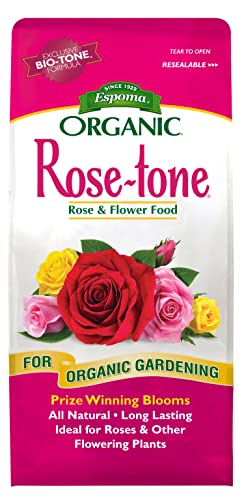
Espoma Organic Rose-Tone 4-3-2 (4 lb. Bag, Pack of 2)

Jobe’s Organics Granular Rose Fertilizer (4 lbs Bag)
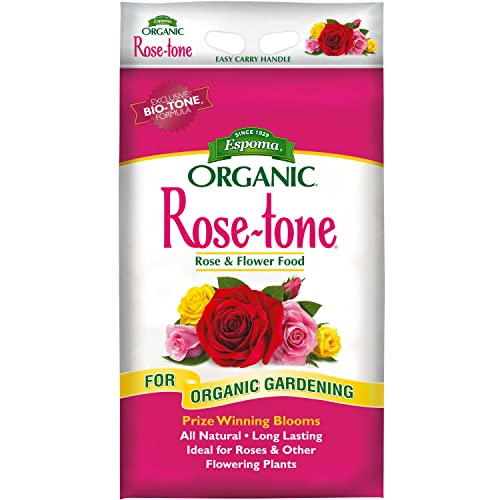
Espoma Organic Rose-tone 4-3-2 (18 lb. Bag)
Espoma Organic Rose-Tone 4-3-2 (4 lb. Bag)

Espoma Organic Flower-Tone 3-4-5 (4 lb. Bag)

FoxFarm Happy Frog Potting Soil (2 cu ft)
The Details Behind The Selections
Espoma’s bone meal is a classic amendment for gardeners who want to push phosphorus deep into the root zone at planting time. The 4-12-0 analysis (nitrogen, phosphorus, potassium) tells you where the bag puts its energy: very little leafy growth fuel and a heavy dose of bloom-building phosphorus, with calcium riding along as a quiet bonus for cell structure. Roses planted as bare-root or container transplants benefit most, since the granular texture releases slowly and stays put through spring rains.
Spread a small handful into the planting hole, then top-dress established shrubs in early spring before new canes push out. Many rose growers pair this with a separate nitrogen source later in the season, since the analysis here leaves the green-growth work to your compost or a balanced feed. If your soil already runs alkaline, owners commonly report that bone meal breaks down more slowly, so plan a soil check before relying on it as your primary feed.
Noteworthy Benefits
- High phosphorus ratio encourages strong root development and bigger bud sets.
- Slow-release granules feed over weeks rather than forcing a flush of tender growth.
- 24-pound bag covers multiple plantings or several seasons of small top-dressings.
- Works for spring and fall bulbs, so the bag earns its keep outside the rose calendar.
Things To Consider
- Minimal nitrogen means you will likely need a second feed for leafy summer growth.
- Granular form takes time and water to break down, so results trail liquid feeds.
- The 24-pound size is heavy to haul and store, especially in a small garden shed.
Who It Suits Best
Garden owners establishing new rose beds or transplanting bare-root roses who want a phosphorus-rich foundation without synthetic ingredients.
Where Another Pick Suits Better
For gardeners who want one bag that handles the whole growing season, the Espoma Organic Rose-Tone 4-3-2 (18 lb. Bag) covers feeding from May through September without a separate amendment.
The Easy Gardener Rose & Flwr Food leans into soil biology rather than chasing a high NPK number. Beneficial microorganisms (tiny soil-dwelling organisms that help roots absorb nutrients and crowd out disease) sit at the center of the formula, working to rebalance tired beds and rebuild the underground web that roses tap into. For a yard where synthetic fertilizers have been the default for years, this kind of biological reset often pays off by the second or third season.
The label describes a family-safe, pet-friendly profile that suits gardeners with curious dogs or toddlers roaming the beds. You sprinkle it around the drip line, the area directly under the outermost leaves where rain drips off the canopy, and water it in to wake the microbes up. Compared to the heavier Espoma options earlier on the list, this bag is lighter and easier to carry, though you trade some of the slow-release staying power for that microbial angle.
Useful Strengths
- Microbial blend helps rebuild soil structure in long-neglected beds.
- Safe profile around children and pets, with no harsh synthetic residues.
- Lightweight 4-pound bag is easy to carry to back garden corners.
Worth Noting
- Visible results can take longer than with a synthetic or high-analysis organic.
- The small bag may run out quickly on larger rose collections.
Made For
Organic-focused gardeners rebuilding tired soil or maintaining family-friendly beds where long-term soil health matters more than a quick color pop.
Look Elsewhere When
For gardeners chasing the biggest blooms in a single season, Jobe’s Organics Granular Rose Fertilizer brings a stronger nutrient charge to flowering shrubs.
This two-pack of Espoma’s flagship 4-3-2 Rose-Tone is aimed at gardeners who want the same proven formula without committing to a giant 18-pound sack. The balanced 4-3-2 analysis covers nitrogen, phosphorus, and potassium in proportions tuned for repeat-blooming roses like hybrid teas, floribundas, and climbers. You also get the Bio-tone additive, Espoma’s blend of beneficial bacteria, plus 5% calcium for stem strength and flower color depth.
Two smaller bags give you flexibility: keep one near the front-yard bed and the other by the back fence, and skip hauling a heavy sack between garden zones. For homeowners with a modest collection of five to ten roses, this pack usually covers a full May-through-September monthly schedule. The catch is that you are paying for two retail-size bags rather than bulk, so the per-pound cost runs higher than the 18-pound option further down the list.
The Good Stuff
- Balanced 4-3-2 ratio supports both leafy growth and flower production.
- Bio-tone microbial additive feeds the soil alongside the rose roots.
- Two-bag split makes storage and weekend hauling far easier.
- Works on roses plus flowering companions like viburnum and clematis.
Points To Note
- Per-pound cost is higher than the larger 18-pound Espoma bag.
- Two bags means two containers to seal, label, and keep dry.
Best Suited To
Mid-size rose collections where gardeners want a balanced monthly feed without committing to a single bulk bag.
Consider Something Else When
If your rose garden runs twenty or more shrubs and you feed monthly through summer, the Espoma Organic Rose-tone 4-3-2 (18 lb. Bag) is a better scale match.
Jobe’s Organics Granular Rose Fertilizer breaks out of the rose-only lane and targets the broader flowering shrub family. Roses, hydrangea, hibiscus, and azalea all sit inside the recommended plant list, which makes this a strong match for gardeners whose beds mix several acid-to-neutral flowering species. The OMRI-listed designation (a third-party organic certification reviewed for food-growing use) signals the formula meets organic gardening standards, and the Biozome microbial package inside helps roots process nutrients more efficiently through the growing season.
The granular format sprinkles cleanly around the base of shrubs and works in well with a light rake or watering can. For households with kids and pets, the safe-around-people-and-pets profile removes the worry that often comes with stronger synthetic feeds. If your yard has more than roses competing for attention, this bag lets you move between shrubs without juggling multiple products, though pure rose specialists may want the deeper calcium of an Espoma Rose-Tone instead.
Notable Gains
- Covers roses plus hydrangea, hibiscus, and azalea in one bag.
- OMRI-listed organic formula suits certified-organic food gardens nearby.
- Biozome microbial blend helps break down organic matter around roots.
- Safe application around children and pets with proper watering-in.
Honest Caveats
- Versatility means a slightly less rose-specific nutrient profile than Rose-Tone.
- 4-pound size runs out quickly on larger mixed shrub borders.
Right Fit For
Gardeners juggling roses alongside hydrangea, hibiscus, and azalea who want one organic bag to feed the whole flowering line-up.
A Better Fit Elsewhere
If your planting is rose-dominant and you want a calcium-fortified formula built specifically for roses, the Espoma Organic Rose-Tone 4-3-2 (4 lb. Bag) is a tighter match.
The 18-pound Espoma Organic Rose-tone is the bulk version of the same 4-3-2 formula covered earlier, sized for gardeners with serious square footage to feed. Knockouts, climbers, floribundas, hybrid teas, even companion shrubs like viburnum and clematis all fall inside the recommended plant list. You get Bio-tone microbes, 5% calcium, and the same monthly May-through-September cadence that defines the Rose-tone family.
Buying in this size makes sense the moment you maintain a dozen or more roses, because the per-pound cost drops noticeably versus the smaller bags. The trade-off is weight and storage: an 18-pound sack wants a dry corner in a garage or shed where you can keep it sealed. For rose gardeners feeding a generous bed every month through summer, this is the bag that stops you running out halfway through August.
The Helpful Details
- Lower per-pound cost rewards high-feed gardeners with many shrubs.
- Bio-tone microbial package supports steady nutrient release all season.
- Covers roses plus companions like bougainvillea and clematis.
- Ready-to-use granulars need no mixing or pre-dissolving.
Trade-Offs
- Heavy 18-pound sack is awkward to lift for some gardeners.
- Bulk format needs a cool, dry storage spot to stay fresh.
Who Will Love This
Rose growers maintaining large established gardens with monthly feeding routines who want the best per-pound value in the Rose-tone family.
Skip It When
If you only maintain a handful of roses or want two smaller bags to share between front and back yards, the Espoma Organic Rose-Tone 4-3-2 (4 lb. Bag, Pack of 2) is easier to handle.
This 4-pound bag is the smallest expression of Espoma’s Rose-Tone formula and the most approachable starting point for new rose gardeners. The 4-3-2 analysis with 5% calcium and Bio-tone microbes handles the same lineup of roses and flowering companions as its bigger siblings, just in a friendlier package. Sprinkle around the drip line, water thoroughly, and repeat monthly from May through September; the format requires no mixing and no special equipment.
For someone with two or three roses by the front walk or a small patio border, this bag covers a full season without waste. The trade-off shows up when your collection grows, since a 4-pound sack will not stretch across a dozen shrubs. Compared to the Easy Gardener option reviewed earlier, this leans further into rose-specific nutrition and less into a broad microbial rebuild.
What Stands Out
- Compact 4-pound bag is easy to store in a small shed or garage corner.
- Rose-specific 4-3-2 ratio with calcium targets the most common feeding need.
- No mixing required, so beginners can apply confidently on day one.
- Works on roses plus companion flowers like viburnum and clematis.
Points To Keep In Mind
- Small bag runs out fast on gardens with more than a few shrubs.
- Per-pound cost is higher than the bulk 18-pound sibling.
Perfect Match For
First-time rose growers with a small starter bed who want a proven organic formula without committing to a large bag.
Reach For A Different Pick When
Gardeners managing a wider mixed bed of roses and other flowering shrubs will find Jobe’s Organics Granular Rose Fertilizer covers more plant types in one bag.
Espoma’s Flower-Tone flips the Rose-Tone ratio on its head: lower nitrogen, higher phosphorus, and the highest potassium of the Espoma flower family at 3-4-5. That potassium lift is meaningful for rose growers, because potassium governs how efficiently a plant moves water and sugars through its tissues, which translates to sturdier canes and longer-lasting blooms. The label also mentions annuals, perennials, and hanging baskets, so the bag earns its keep beyond the rose bed.
Gardeners who already feed roses with a balanced product sometimes add Flower-Tone in late summer to push one last strong flush before fall dormancy. It also works as a primary feed for roses grown in containers, where potassium demand climbs faster than in-ground beds. The honest read is that beginners may find the lower nitrogen slightly counterintuitive for foliage, so pairing it with a compost top-dress keeps leaf color where you want it.
A Favorable Mix
- Higher potassium ratio supports stronger canes and richer bloom color.
- Bio-tone microbial blend for steady nutrient cycling in the root zone.
- Versatile across annuals, perennials, and hanging baskets, not just roses.
- 5% calcium adds structural strength to stems and flower tissue.
Practical Considerations
- Lower nitrogen means leafy growth may stall without a supplementary feed.
- 4-pound bag works best as a supplement rather than a sole fertilizer.
Built With In Mind
Rose growers chasing longer-lasting blooms and gardeners managing mixed flower plantings who want a phosphorus-and-potassium-forward organic feed.
Another Choice May Suit
For a more balanced single-bag routine across the whole season, the Espoma Organic Rose-Tone 4-3-2 (4 lb. Bag) handles nitrogen and bloom needs without a second product.
Quick Facts
FoxFarm Happy Frog Potting Soil is technically a soil rather than a fertilizer, but it earns a spot on this list because container-grown roses live or die by their potting medium. Earthworm castings, bat guano, and composted forest humus feed the soil food web, while beneficial microbes and fungi colonize the root zone and help break down organic matter into plant-available nutrition. For a patio rose in a 10-gallon pot, that biological head start often outperforms a generic potting mix with a synthetic fertilizer spike.
The 2-cubic-foot bag fills roughly two large patio containers, and the included plant tags help label varieties as you pot them up. Gardeners moving roses indoors for winter or building new container displays each spring tend to rely on this blend as a base, then supplement with a granular feed later in the season. The honest read is that in-ground rose gardeners do not need this bag, since native garden soil with compost is usually the better foundation.
What Makes Sense
- Living soil biology helps container roses establish without synthetic inputs.
- Includes earthworm castings and bat guano for slow organic feeding.
- Beneficial fungi support root expansion in confined container spaces.
- 2-cubic-foot volume fills several mid-to-large patio pots per bag.
A Few Limitations
- Not a fertilizer replacement for in-ground rose beds with native soil.
- 2-cubic-foot bag is heavy and awkward to move up stairs or across yards.
The Right Fit
Patio and balcony gardeners growing roses in containers who want a biologically active potting mix as the foundation for organic feeding.
Where A Sibling Pick Shines
For in-ground rose beds where native soil is the base, the Espoma Organic Rose-tone 4-3-2 (4 lb. Bag) delivers organic nutrition tailored to roses directly.
Feature Snapshot
Picking The Right Organic Feed For Your Roses
A good rose feed is a blend of analysis, format, and timing rather than a single magic number. The three numbers on any fertilizer bag stand for nitrogen, phosphorus, and potassium, in that order, and each pulls its own weight: nitrogen drives leafy green growth, phosphorus fuels root development and bud formation, and potassium moves water and sugars through the plant for stronger stems and richer color. For most repeat-blooming roses, a balanced 4-3-2 or slightly higher potassium 3-4-5 ratio covers the season cleanly, while bone meal-style amendments with a high middle number shine at planting. Organic feeds work more slowly than synthetics because they rely on soil microbes to break nutrients down, which is the trade-off you accept in exchange for gentler, longer-lasting feeding.
Match The Format To Your Routine
Granular organic feeds suit gardeners who feed on a monthly cadence and want to sprinkle, water, and walk away. They store well, apply without special equipment, and feed over weeks rather than minutes. Liquid organic feeds, which are not in this roundup, work better for gardeners who want a quick pick-me-up between granular applications. Container gardeners should think about potting mix first, since a biologically alive soil like FoxFarm Happy Frog Potting Soil sets the foundation that any follow-up granular feed builds on.
Time The Applications Around Bloom Cycles
Most repeat-blooming roses want their first feeding as new growth breaks in spring, then monthly through the main flowering window. Stop feeding roughly six weeks before your first expected frost so plants harden off properly. Soil biology matters too: beds that have had years of chemical fertilizer often need a season or two of microbial feeds like Easy Gardener Rose & Flwr Food before organic nutrition really kicks in.
Account For Climate And Soil
Sandy soils leach nutrients faster and may need slightly more frequent light feedings, while heavy clay holds nutrients longer but drains slowly and can lock up phosphorus. A simple soil test every two to three years reveals pH and major nutrient levels, and most roses prefer a slightly acidic pH between 6.0 and 6.8. Gardeners in short-summer climates benefit from higher potassium formulas like Espoma Organic Flower-Tone, while long mild seasons let you stretch a balanced Rose-Tone across May through September.
Common Slip Ups And Smart Upgrades
Pitfalls Shoppers Hit
First-time rose gardeners often grab the brightest bag on the shelf and skip the analysis entirely, only to push too much nitrogen and end up with leggy green shrubs that forget to bloom. Others feed mid-summer and then keep feeding through fall, which can leave tender new growth exposed to early frost damage. A third common slip is treating a bone meal amendment like a complete fertilizer; the high middle number helps roots and blooms, but it leaves leafy growth underfed.
When Paying More Pays Off
Premium organic rose feeds tend to include microbial packages and calcium that cheaper blends skip, and that extra biology adds up over several seasons as soil structure improves. Larger bulk bags like the 18-pound Espoma Organic Rose-tone cost more upfront but drop the per-pound price noticeably for gardeners with a dozen or more roses. The honest read is that the upgrade matters most for gardeners with established beds feeding multiple shrubs, while a small starter garden does fine with a modest 4-pound bag.
