

Strawberries ask a lot from a small root system, so the fertilizer you choose quietly shapes everything from berry size to flavor concentration. Most backyard growers wrestle with the same tension: organic methods sound appealing, but the labels blur together fast. This shortlist sorts through the noise, matching each formula to the kind of strawberry patch you actually tend, whether that’s a few containers on a patio or a long raised bed that needs feeding all season.
How The Shortlist Stacks Up

Jobe’s Organics Granular All Purpose Fertilizer 4 lbs Bag

Dr. Earth Natural Wonder Fruit Tree Fertilizer 4 lb

True Organic Berry Food 4lb Bag

Miracle-Gro Organic Plant Food, 32 fl. oz.

Espoma Berry Tone Plant Food 4-3-4 4-Lbs

Jobe’s Organics Granular Garden Fertilizer for Fruit and Nut Plants 4 lbs
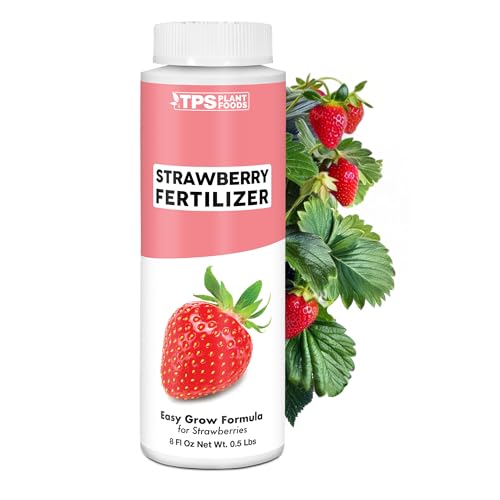
TPS Nutrients Strawberry Fertilizer Liquid Plant Food 8 oz

TPS Nutrients Strawberry Fertilizer Liquid Plant Food 1 Quart
A Closer Look At Each Pick
Strawberries rarely grow in isolation, and Jobe’s Organics Granular All Purpose Fertilizer is the kind of bag that earns its place when your patch shares space with tomatoes, herbs, or a row of flowering shrubs. The granules are designed to spread easily without the dust and runoff that plagues cheaper powders, so you can scatter a measured band along your berry rows without worrying about nutrient washout after the first watering.
For a gardener managing several beds in one weekend, the flexibility matters more than the brand name on the front. You can feed strawberries early in the season and pivot to flowering shrubs mid-summer with the same bag. Compared with the Berry Tone blend in spot five, this formula trades berry-specific micronutrients for broader versatility, which most mixed gardeners actually need.
The Upside
- Granular texture minimizes dust and runoff during application
- One bag covers flowers, vegetables, shrubs, and berry beds alike
- Organic formula supports soil microbe activity over time
- Easy spread-and-water routine suits weekend-only gardeners
- Bag size fits a single mixed garden without constant restocking
Small Caveats
- Not a berry-specific nutrient profile, so yields may lag dedicated formulas
- Granules need watering in to activate, which dry-climate gardeners must plan around
Who It Suits Best
Backyard growers tending mixed beds with a small strawberry corner benefit most from this flexible organic feed.
Skip It When
You run a dedicated strawberry-only patch and want berry-tailored nutrition, in which case Espoma Berry Tone offers a more focused blend.
Dr. Earth Natural Wonder Fruit Tree Fertilizer pulls double duty in yards where strawberries share ground with fruiting trees and vines. The NPK ratio of 5-5-2 leans toward steady fruiting support rather than leafy surge, which matters for berries that bloom heavily and need potassium to set fruit properly. People and pet safe labeling is a real comfort for households with curious dogs or toddlers wandering the beds.
Where it differs from Jobe’s all-purpose pick is intent: this blend is built around fruiting crops from the start, so the nutrient mix matches the metabolic demands of berry canes and small orchard trees. One 4-pound bag covers roughly 60 square feet, which is enough for a modest strawberry patch with room to feed a few adjacent cane fruits. It is Non-GMO Project Verified and OMRI listed for organic gardening, which suits growers who need documented inputs.
What Earns Its Place
- Balanced 5-5-2 NPK favors fruit production over leafy growth
- Pet- and people-safe certification eases concerns around edible beds
- Works at transplant or during active growth without burning roots
- OMRI-listed status supports organic certification requirements
Worth Noting
- Coverage of 60 square feet means reordering for larger berry patches
- Lower phosphorus may underperform for heavy-feeding June-bearing varieties
Made For
Households mixing strawberries with fruit trees, canes, and vines appreciate the broader fruiting-crop focus.
Look Elsewhere When
You garden in containers or raised beds only, in which case the TPS Nutrients liquid option in spot seven offers a cleaner application method.
Soil pH quietly makes or breaks a strawberry patch, and True Organic Berry Food addresses that head-on with sulfur to gently lower alkalinity over time. The blend is formulated for acid-loving plants, which captures blueberries and cane berries alongside strawberries without forcing you to buy three separate products. A 4-pound bag covers roughly 58 square feet, lining up neatly with a small raised bed or grouped container setup.
The biggest practical difference versus the Dr. Earth fruit tree pick in spot two is the inclusion of sulfur as a soil conditioner. Strawberries tolerate slightly acidic conditions, and the gradual pH shift improves nutrient uptake without shocking the roots. For gardeners whose tap water runs alkaline, that built-in correction saves the hassle of separate sulfur amendments.
Good Reasons To Consider
- Sulfur content naturally lowers soil pH for better nutrient uptake
- Covers strawberries, blueberries, and cane berries with one blend
- Organic certification supports natural gardening programs
Trade Offs
- Not suited for alkaline-loving crops growing in the same bed
- Coverage at 58 square feet means larger patches need multiple bags
Right Fit For
Growers in alkaline-soil regions who also raise blueberries alongside strawberries see the strongest gains.
A Better Fit Elsewhere
You already maintain acidic soil and want pure berry-targeted nutrition, where Espoma Berry Tone delivers a more traditional nutrient ratio.
Liquid feeding is a different rhythm than scattering granules, and Miracle-Gro Organic Plant Food turns that rhythm into a fast-acting routine. Made with 94% plant-based fertilizer ingredients and OMRI Listed for organic use, the 32-fluid-ounce bottle feeds instantly when applied as directed. The result is visible uptake within days rather than weeks, which matters when container strawberries show pale leaves mid-season.
This pick shifts the conversation from soil-building to targeted feeding. Where the True Organic Berry Food in spot three works on long-term pH correction, this liquid concentrate pushes nutrients directly into the root zone right when plants need them. For patio and balcony gardeners without compost bins, the convenience of a measured pour-and-water routine simplifies weekly maintenance considerably.
Why It Works Well
- 94% plant-based formula qualifies for organic gardening programs
- Liquid format delivers nutrients quickly through leaves and roots
- Bottle fits neatly on a potting bench or under a sink
- Works across indoor and outdoor container plantings
Points To Note
- Liquid feeding requires more frequent applications than granular options
- Bottle size means refills for gardeners with many large containers
Best Suited To
Container gardeners and apartment growers feeding a handful of potted strawberries benefit most from the quick uptake.
Consider Something Else When
You maintain a large in-ground strawberry bed and prefer set-and-forget feeding, where Espoma Berry Tone saves time over a full season.
Espoma Berry Tone has built its reputation on a single premise: berries have unique nutritional demands that general fertilizers ignore. The 4-3-4 analysis is rounded out with 5% sulfur, and the Bio-tone blend of natural and organic ingredients feeds soil microbes alongside the plant itself. For dedicated strawberry patches where yields matter more than versatility, this targeted profile delivers.
Used as directed, Berry Tone covers blueberries, strawberries, raspberries, and blackberries without forcing a compromise on nutrient ratios. The granular format spreads cleanly along berry rows and works during planting or top-dressing later in the season. In contrast to the broader Jobe’s all-purpose formula in spot one, this pick sacrifices flexibility for sharper berry-specific results that experienced patch growers appreciate.
A Favorable Mix
- 4-3-4 ratio with added sulfur supports fruit production and flavor
- Bio-tone formula feeds beneficial soil microbes over time
- Free of sludges and toxic ingredients for cleaner soil biology
- One bag covers multiple berry types in a single garden
Honest Caveats
- Higher cost per pound than general-purpose blends
- Granular format requires watering in to activate properly
- Not formulated for non-berry crops, limiting garden flexibility
Who Should Grab It
Dedicated berry gardeners running a strawberry-heavy patch alongside a few cane fruits see the cleanest results.
Reach For A Different Pick When
You want a quicker nutrient response or feed in containers exclusively, in which case the TPS Nutrients liquid formula in spot seven fits better.
Jobe’s Organics Granular Garden Fertilizer narrows the all-purpose formula from spot one into a fruit-and-nut-specific blend. The OMRI-listed organic profile increases microorganism activity in soil, which builds long-term fertility rather than delivering a quick chemical pop. Strawberry beds sharing ground with citrus or nut trees benefit from the focused fruiting-crop ratio.
The 4-pound bag size matches the rest of the granular lineup, keeping storage simple for gardeners already running Jobe’s products. Where this differs from Berry Tone is the broader fruit-and-nut positioning: it handles citrus and nut trees without complaint, while Berry Tone leans harder into cane berries and blueberries. For mixed orchard setups, that flexibility wins out over berry specialization.
The Helpful Details
- OMRI-listed organic formula supports soil microbe activity
- Covers fruit, citrus, and nut trees with one granular blend
- Easy spread-and-water routine matches standard granular habits
- No harmful chemicals for cleaner edible garden management
Some Limits To Know
- Berry-specific micronutrients are not the primary focus
- Granules require watering in after application
Whose Shelf It Belongs On
Garden sheds already stocked for citrus, nut, and fruit tree care benefit from this fruit-focused formulation.
Another Choice May Suit
You grow strawberries exclusively and want berry-tuned nutrition, where Espoma Berry Tone in spot five provides sharper fruit results.
TPS Nutrients Strawberry Fertilizer commits fully to a single crop, and the 8-ounce bottle is sized for the small-strawberry-patch reality most beginners actually manage. The liquid formula targets flowering and fruit set rather than leafy growth, which suits the way strawberries allocate energy once runners are established. Compact bottle footprint also matters: it tucks into a garden tote without dominating the storage shelf.
Compare that to the Jobe’s fruit-and-nut granular in spot six: this pick trades broad fruiting-crop coverage for strawberry-specific tuning. The smaller bottle means reordering more often for larger beds, but for a few containers or a single raised bed, the format is spot on. Where it really earns its keep is during the bloom-to-fruit window, when strawberries benefit from steady liquid feeding.
What Works In Its Favor
- Liquid format promotes quick nutrient uptake during fruiting
- Compact 8-ounce bottle fits small garden storage spaces
- Strawberry-specific formula targets flowering and berry set
- Suits container and small raised bed strawberry patches
Potential Drawbacks
- Small bottle size requires frequent repurchasing for larger patches
- Liquid feeding demands consistent application through the season
Who Will Love This
Beginners and small-space strawberry growers benefit most from the strawberry-tuned liquid format and modest bottle size.
Where Another Pick Suits Better
You tend a large strawberry bed and want fewer refill trips, where the 1-quart TPS Nutrients bottle in spot eight lasts through the season.
The 1-quart sibling of the 8-ounce pick in spot seven solves the most common complaint about liquid feeding: bottle churn. A quart covers a typical strawberry bed through an entire fruiting season without forcing mid-summer reorder trips. The strawberry-specific nutrient balance targets flowering and berry development, so the formula stays focused on what matters for a productive patch.
Against the Miracle-Gro organic liquid in spot four, this pick narrows its aim. Where Miracle-Gro covers all plants generically, TPS Nutrients commits to strawberry-tuned nutrition exclusively, which experienced patch growers tend to prefer. The trade-off is versatility: you wouldn’t pour this on your houseplants, but for the strawberry bed, it delivers the targeted support that fruiting crops reward.
Noteworthy Benefits
- 1-quart bottle spans a full strawberry growing season
- Strawberry-specific balance supports flowering and fruit development
- Liquid format feeds roots quickly during critical bloom stages
Practical Considerations
- Larger bottle takes up more storage space than the 8-ounce option
- Strawberry-only formula limits use across other garden beds
- Liquid feeding requires consistent application timing
Perfect Match For
Strawberry growers tending a larger bed or multiple raised beds appreciate the season-long bottle capacity.
Not Your Match When
You garden in just a couple of small containers, where the 8-ounce TPS Nutrients bottle in spot seven fits the scale without waste.
What Matters Most When Picking an Organic Strawberry Feed
Understanding NPK Ratios for Fruiting Crops
NPK stands for nitrogen, phosphorus, and potassium, the three macronutrients every fertilizer label reports. For strawberries, a balanced or potassium-leaning ratio supports fruit production more than leafy growth, which is why blends like 4-3-4 (Espoma Berry Tone) or 5-5-2 (Dr. Earth Natural Wonder) read well for berry patches. High-nitrogen formulas push leaves at the expense of berries, so beginners should match the ratio to the fruiting goal.
Granular vs. Liquid Feeding Rhythms
Granular organic fertilizers like Jobe’s and Espoma break down slowly and feed the soil biology over weeks, which suits low-maintenance gardeners and in-ground beds. Liquid feeds like Miracle-Gro Organic and TPS Nutrients work faster but require regular application, matching the routine of gardeners who already water frequently. For container strawberries with limited root volume, liquid feeding often outperforms granular because nutrients stay accessible in the small soil space.
Soil pH and Acid-Loving Considerations
Strawberries prefer slightly acidic soil, around pH 5.5 to 6.8, which is where True Organic Berry Food’s sulfur content earns its keep. Gardeners in alkaline-soil regions see the strongest case for pH-adjusting blends, while growers with already-acidic soil can focus purely on nutrient ratios. A simple soil test before the season starts prevents costly overcorrection.
Coverage Area and Bag Sizing
A 4-pound bag typically covers 50 to 60 square feet, lining up with a modest strawberry patch or a couple of raised beds. Larger plantings need multiple bags or a 1-quart liquid bottle for season-long coverage. Estimating square footage before ordering saves both money and mid-season restocking trips.
Key Considerations Across These Picks
Pitfalls First-Time Growers Hit
New strawberry gardeners often reach for general-purpose lawn blends or vegetable fertilizers, which carry nitrogen levels that push leaves instead of fruit. Another common trap is skipping a soil test, then overcorrecting with sulfur blends on already-acidic ground. Container growers also underestimate how quickly nutrients leach from potting mix, which leaves berries hungry mid-season without obvious warning signs.
Where the Premium Tier Earns Its Price
Specialty blends like TPS Nutrients strawberry-specific liquids and True Organic Berry Food cost more per pound than general fertilizers, and the premium reflects narrower formulation work. The upgrade pays off most in tight quarters, where every berry counts, and in alkaline-soil regions where pH correction alone justifies the spend. For large mixed beds where yield is measured in bulk rather than flavor intensity, the premium is harder to justify.
Frequently Asked Questions
How often should strawberries be fed during the growing season?
Most organic granular feeds are applied at planting and again at early bloom, with a light mid-season top-dressing for heavy producers. Liquid feeds typically go on every two to four weeks during active growth.
Can the same fertilizer work for blueberries and strawberries?
Yes, blends like Espoma Berry Tone and True Organic Berry Food cover both berries because they share an affinity for slightly acidic soil and similar fruiting-crop nutrition. Just confirm the pH profile matches your planting area before committing.
Are organic fertilizers slower to show results than synthetic options?
Granular organic feeds release nutrients over weeks through microbial activity, while liquid organics work more quickly through direct root uptake. Patience matters more with soil-building granules, but the long-term soil benefits tend to compound season after season.
Is it safe to use organic fertilizer around pets and children?
Several picks on this list, including Dr. Earth Natural Wonder, are explicitly labeled people- and pet-safe. Even so, keeping pets out of freshly fertilized beds until the product is watered in remains a sensible habit.
Do container strawberries need different fertilizer than in-ground plants?
Containers benefit from liquid or water-soluble feeds because nutrients leach faster from potting mix than from garden soil. Slow-release granular options also work, but expect to supplement with liquid feeding during peak fruiting.
Bottom Line
Strawberries reward consistency more than intensity, so the right fertilizer is the one you will actually apply on schedule. Container growers tend to get the most from liquid options like the TPS Nutrients bottles or Miracle-Gro Organic, while in-ground patch managers often prefer granular blends like Espoma Berry Tone for set-and-forget feeding. Match the format to your watering rhythm and the scale of your patch, and the rest tends to fall into place across a full growing season.
