

Healthy flower beds start underground, and the right organic feeding routine shapes everything above the soil line. Choosing among organic flowering fertilizers gets confusing fast, because labels lean on similar buzzwords yet the underlying ingredients, NPK ratios (nitrogen, phosphorus, and potassium, the three numbers that tell you how a fertilizer feeds), and feed schedules vary widely. The eight picks below cover roses, bulbs, container bloomers, and full flower beds, so you can match the formula to the way you actually garden. Each one is framed around a real gardening scenario, not a lab chart.
Your Options, Compared
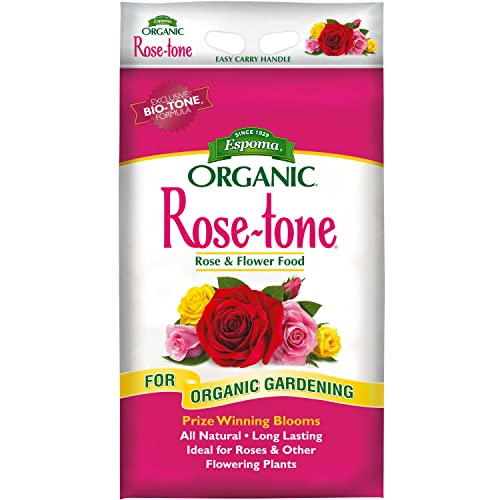
Espoma Organic Rose-Tone 4-3-2 Fertilizer 18 lb. Bag

FoxFarm Ocean Forest Potting Soil 1.5 cu ft

Jobe’s Organics Granular Rose Fertilizer 4 lbs Bag

Dr. Earth 705P Organic 6 Flower Garden Fertilizer 4-Pound
Espoma Organic Rose-tone 4-3-2 Fertilizer 18 lb. Bag

Jobes 6105 Potted Plant Fertilizer Spikes 6-18-6

Espoma Organic Bulb-Tone 3-5-3 Fertilizer 18 lb. Bag

Humboldt Nutrients BUP410 Big Up Powder 1-Pound
The Details Behind The Selections
Espoma’s Rose-Tone is the kind of granular food that suits a gardener who wants a steady, predictable routine across an entire rose bed. The 4-3-2 analysis (4% nitrogen for foliage, 3% phosphorus for blooms, 2% potassium for overall vigor) leans gentle, which means you can apply it monthly from May through September without burning roots, even on younger shrubs. You sprinkle it along the drip line (the outer reach of the plant’s branches, where rain drips off the leaves and onto the soil) and water it in, with no mixing or measuring jugs to deal with.
The formula is designed for traditional roses, knockouts, and climbers, and the brand extends its use to flowering companions like viburnum, bougainvillea, and clematis. That flexibility makes it useful for gardeners running a mixed border where roses share space with other bloomers. The 18-pound bag covers a sizeable bed, and the Bio-tone blend (Espoma’s mix of organic matter and beneficial microbes that help roots absorb nutrients) supports long-term soil life rather than a quick chemical spike.
Reasons It Performs
- Slow, steady feeding reduces leaf burn on tender new growth
- Ready-to-use granules mean no mixing or measuring cups
- 5% calcium supports stronger cell walls in stems and buds
- Works on climbers, knockouts, and companion bloomers alike
- Monthly cadence fits neatly into a weekend gardening habit
Worth Noting
- An 18-pound bag is bulky to store in a small garden shed
- Lower phosphorus than bloom-hungry plants may want during peak season
- Granules can attract curious pets before being watered in
Key Specs
Made For
Home gardeners maintaining a dedicated rose bed who want a once-a-month routine that supports both established shrubs and first-year plantings.
Consider Something Else When
Bulb-heavy gardens get a better fit from Espoma Organic Bulb-Tone 3-5-3 Fertilizer, since that formula targets phosphorus needs specific to tulips and daffodils.
FoxFarm Ocean Forest earns its place here because container flowers lean heavily on whatever’s in the pot, and this blend comes loaded. The pH is pre-adjusted between 6.3 and 6.8, which sits in the sweet spot where most flowering plants can actually absorb the nutrients you feed them. You can pot up a hanging basket or patio planter straight from the bag without amending anything.
The 1.5 cubic foot size is the right scale for a small container garden, and the package includes two plant tags so you can label starts at the same time you pot them. The texture stays light and aerated, which keeps roots from suffocating in tightly packed soil. Container flowers tend to dry out fast in summer, and a loose medium like this absorbs water without turning into concrete.
Good Reasons To Consider
- Pre-adjusted pH removes guesswork for new gardeners
- Aerated texture protects roots in tight patio pots
- Ready to use straight from the bag
- Includes plant tags for labeling new starts
Small Caveats
- One bag only covers a handful of mid-size pots
- Not a substitute for ongoing fertilizer on heavy feeders
- Heavier than typical indoor mixes, so balcony planters add up fast
Who It Suits Best
Patio and balcony gardeners running a handful of containers who want a clean, pre-balanced medium without the trial-and-error of mixing their own.
Look Elsewhere When
Beds of roses and large flowering shrubs do better with Espoma Organic Rose-Tone 4-3-2 Fertilizer, since granular food feeds in-ground root systems more efficiently than a potting medium swap.
Jobe’s Organics Granular Rose Fertilizer works well for gardeners whose beds mix roses with hydrangea, hibiscus, and azalea rather than running a dedicated rose display. The 4-pound bag fits easily on a shelf, and the granules broadcast quickly across a small-to-medium shrub border. It’s a forgiving formula for people still learning how aggressively to feed their ornamentals.
The OMRI listing (Organic Materials Review Institute, the organization that verifies products for use in certified organic growing) means it can be used around edible landscaping nearby without raising concerns about chemical runoff. Safe use around children and pets is part of the formula’s design, which matters for anyone gardening in a yard where the dog likes to sniff around the flower beds.
What Earns Its Place
- OMRI-listed for organic gardening standards
- Compact 4-pound bag stores easily
- Covers roses, hydrangea, hibiscus, and azalea
- Safe to use around kids and pets
Honest Caveats
- Smaller bag means more frequent repurchasing on large properties
- Granular form still needs watering in to activate
Best Suited To
Gardeners with mixed flowering shrub borders who want one product to handle roses alongside acid-loving bloomers like azalea and hydrangea.
Skip It When
Heavy bulb plantings need the higher-phosphorus profile of Espoma Organic Bulb-Tone 3-5-3 Fertilizer, which is tuned for the planting hole rather than established shrub borders.
Dr. Earth 705P stands apart from most granular flower foods because of what’s living inside the bag. The formula includes beneficial soil microbes plus ecto- and endo-mycorrhizae, which are fungi that attach to roots and extend their reach into the soil. That microbial activity is what helps the plant take up nutrients more consistently, avoiding the feast-and-famine cycle that some synthetic fertilizers create.
The poly bag keeps things lightweight and easy to carry from the car to the garden. For a gardener building a diverse flower bed with annuals and perennials mixed together, that microbial layer tends to pay off over a couple of growing seasons. The 4-pound size makes sense for a single bed or a small cluster of containers.
The Practical Payoff
- Microbial content supports steady nutrient uptake
- Mycorrhizae extend root reach over time
- Avoids harsh growth spikes common with synthetics
- Built from organic and natural ingredients
- Replaces chemical fertilizer routines when used as directed
- Lightweight poly bag is easy to haul to the bed
Trade-Offs
- Higher cost per pound than basic granular feeds
- Results build over seasons rather than showing overnight
Feature Snapshot
Perfect Match For
Long-term gardeners building soil health in established flower beds who care more about season-over-season improvement than quick visible spikes.
Another Choice May Suit
Small-scale container gardeners should consider FoxFarm Ocean Forest Potting Soil, since it delivers pre-balanced nutrition without the higher per-pound cost of a microbe-rich feed.
This second Espoma Rose-tone entry serves the gardener whose property outgrew the smaller bag. The 4-3-2 analysis with 5% calcium matches the original formula, so the feeding behavior in the soil is identical; you simply get more of it per purchase. That makes it a more efficient choice for a yard running multiple rose beds or a long border of climbers along a fence.
You still apply it the same way, along the drip line with a thorough watering afterward, and the monthly cadence holds from May through September. The Bio-tone blend is unchanged, so the soil-life benefits remain consistent with what gardeners have come to expect from the line. For anyone who has already trusted the brand on a smaller scale, this is the same product in a bigger package.
The Value In It
- Same trusted formula in a larger quantity
- Cuts down on repurchase frequency for big properties
- Calcium supports stem strength on taller climbers
- Still requires no mixing or pre-measuring
Practical Considerations
- Bulky bag demands dedicated shed or garage space
- Granular feed takes longer to break down than liquid alternatives
Right Fit For
Homeowners tending extensive rose borders or multiple climbing varieties who want fewer restock runs over the season.
Swap It Out When
Tight container setups suit Jobe’s Organics 6105 spikes better, since granular feed in a small pot risks overfeeding and wasted product.
Spikes solve the problem gardeners hate most: measuring and remembering to feed every couple of weeks. The 6-18-6 analysis (6% nitrogen, 18% phosphorus for strong bloom development, and 6% potassium) leans heavily toward flower production, which suits hanging baskets and patio pots packed with petunias, calibrachoa, or geraniums. You push a spike into the soil and walk away.
The slow-release format keeps nutrients feeding the plant for weeks at a time, which matters when pots dry out fast under summer heat. For renters or apartment dwellers who can’t build a shed full of granular bags, spikes stay tidy in their original container. The cylindrical shape also means no measuring spoons and no dust to clean up after an application.
Advantages To Know
- Push-in application with no measuring or cleanup
- Slow-release feeding lasts up to 8 weeks
- High phosphorus ratio pushes more blooms per stem
- Compact packaging suits small-space storage
Things To Weigh
- Spikes can crack dry, compacted potting soil
- Not ideal for large in-ground beds due to coverage limits
- Feeding zone stays narrow around each spike
Feature Card
Who Should Grab It
Balcony and patio gardeners maintaining hanging baskets or window boxes who want bloom production without a granular feeding routine.
Reach For A Different Pick When
Large in-ground rose beds need broader coverage than spikes can offer, and Espoma Organic Rose-Tone 4-3-2 Fertilizer spreads more evenly across a wide root zone.
Bulb-Tone is tuned for the two narrow windows when bulbs actually eat: at planting and right after spring bloom. The 3-5-3 ratio delivers more phosphorus than a standard flower food, which is what bulbs use to build next year’s flower inside the bulb before the foliage dies back. You sprinkle it in the planting hole for new tulips and daffodils, or work it into the soil surface for established crocus and hyacinths.
The same Bio-tone blend that anchors the Espoma line runs through this formula, so the soil-life benefits carry over. The 18-pound size covers a generous fall planting session, and the 6% calcium helps build stronger bulb skins going into winter. Used twice a year on the right schedule, this bag lasts a long time.
Well-Handled Touches
- Higher phosphorus supports stronger bulb development
- Doubles as a planting-hole and a post-bloom feed
- Covers fall-planted and spring-planted bulb types
- Calcium content helps bulbs overwinter well
- No mixing required at application time
Some Limits To Know
- Specialized formula gives little benefit to non-bulb plants
- Two narrow application windows per year
Technical Highlights
Whose Shelf It Belongs On
Fall and spring gardeners running dedicated bulb displays who want a formula matched to the way bulbs actually feed through the year.
A Better Fit Elsewhere
Beds dominated by roses and summer-flowering shrubs do better with Espoma Organic Rose-Tone 4-3-2 Fertilizer, which carries the same brand quality in a rose-friendly ratio.
Big Up Powder lives in a different lane from the rest of this list. It’s a soluble powder built to deliver a concentrated dose of phosphorus and potassium during the bloom stage, which is why most gardeners reach for it as a supplement rather than a primary feed. Used in the first week of flowering, it pushes plants to set additional bloom sites. Used in the final weeks, it gives the plant extra energy to finish blooms at full size.
The 1-pound tub dissolves into water and feeds through a watering can or a reservoir system. That flexibility suits indoor gardeners running a small flower room, or outdoor growers managing a few heavy feeders like dahlias in containers. The powder format keeps the shelf footprint small, though the feeding schedule demands more attention than a granular option.
Points In Its Favor
- Concentrated phosphorus and potassium for late-stage bloom push
- Soluble format works with watering cans or reservoir systems
- Compact 1-pound tub stores on a shelf
- Useful as a supplement alongside a base fertilizer
Details To Watch
- Not a complete fertilizer on its own
- Demands a more attentive feeding schedule than granular options
- Best suited to gardeners comfortable mixing soluble feeds
Built With In Mind
Experienced growers running heavy feeders like dahlias, or indoor flower gardeners who want to push a final bloom swell in the last weeks of the cycle.
Where A Sibling Pick Shines
Casual perennial gardeners get more value from Espoma Organic Rose-Tone 4-3-2 Fertilizer, which handles the entire season’s schedule without mixing soluble feeds.
What Matters Most Before Choosing Organic Flowering Fertilizers
Match The NPK Ratio To The Plant
NPK tells you what a fertilizer actually does in the soil. Nitrogen pushes leafy growth, phosphorus drives blooms and root development, and potassium supports overall plant vigor. Roses and flowering shrubs typically thrive on balanced ratios like 4-3-2, while bulbs and bloom-heavy annuals appreciate higher phosphorus numbers such as 3-5-3. Match the ratio to the plant’s growth habit rather than assuming one formula works everywhere.
Decide Between Granular And Soluble
Granular organic flowering fertilizers release slowly over weeks and need only monthly applications, which suits gardeners who want a low-maintenance routine. Soluble powders dissolve into water and act faster but demand more frequent mixing and feeding. Spike formats split the difference for small containers, releasing nutrients steadily without any measuring at all.
Think About Soil Life Over Time
Organic fertilizers feed the soil as much as the plant. Products with Bio-tone, mycorrhizae, or microbial blends build long-term soil structure and nutrient availability. Synthetic-leaning organic blends act faster but do less for soil biology across seasons. Gardeners planning to stay in one place for years tend to benefit most from soil-building formulas.
Match Bag Size To Bed Scale
A 4-pound bag covers a small shrub border or a cluster of containers, while an 18-pound bag suits a long rose bed or a multi-fall bulb planting session. Buying too small leads to midseason restock runs, and buying too big risks product that loses potency before you finish it. Estimate square footage before choosing a bag size.
Key Considerations Across These Picks
Pitfalls Shoppers Hit
A common mistake is picking a high-phosphorus bloom booster for a plant that actually needs balanced feeding, which can lead to leaf burn without improving flower count. Another trap is assuming every organic fertilizer works the same day; granular feeds need water to activate and may take weeks to show visible results. Pet owners sometimes overlook that even organic granular products can attract curious animals before being watered in, so plan applications around watering schedules.
Where The Extra Money Goes
Premium organic flowering fertilizers often include microbial blends, mycorrhizae, or higher calcium content, all of which build long-term soil health rather than forcing a single flush of growth. Larger bags offer better per-pound value but only when the gardener has enough bed space to use the product within a season. Specialty formulas like bloom-stage powders cost more because they target a narrow feeding window with concentrated nutrients.
Frequently Asked Questions
How Often Should Organic Flowering Fertilizers Be Applied?
Most granular organic flowering fertilizers perform well with monthly applications during the active growing season, generally May through September. Soluble and spike formats follow their own timing, often every two to eight weeks depending on the product.
Can Organic Fertilizers Burn Plants Like Synthetic Ones?
Quality organic blends release nutrients slowly, which reduces the burn risk common with quick-release synthetics. The greater risk with organics is underfeeding rather than overfeeding, since the nitrogen source is less concentrated.
Are Organic Fertilizers Safe Around Pets And Kids?
Many organic flowering fertilizers are designed with safe use around children and pets in mind, though granular products still need watering in to discourage curious animals. Always check individual product labeling for specific guidance.
Do I Need Different Fertilizers For Roses Versus Bulbs?
Roses do well on balanced ratios like 4-3-2 across the growing season, while bulbs appreciate higher phosphorus ratios like 3-5-3 at planting and after spring bloom. Matching the formula to the plant’s feeding window tends to produce better results.
How Long Does One Bag Typically Last?
A 4-pound granular bag generally covers a small bed for a full growing season with monthly feedings. An 18-pound bag stretches across larger rose borders or fall bulb plantings, depending on application rate.
The Takeaway
The right organic flowering fertilizer depends less on brand loyalty and more on what you’re growing and how you like to garden. Roses lean toward balanced, monthly granular feeds. Bulbs want phosphorus-forward formulas at two narrow windows. Containers and baskets often do best with spikes or a quality potting medium. Match the format and ratio to your bed scale and your routine, and the rest of the season tends to take care of itself.
