

A weedy driveway or a creeping patch of crabgrass in the lawn can undo a weekend of yard work in no time. For gardeners who want a cleaner approach, organic herbicides offer a way to fight unwanted growth without the harsher synthetic chemicals. This roundup walks through eight options worth knowing, from large-area concentrates to ready-to-use sprays built around households with pets and kids.
The Leading Options At A Glance
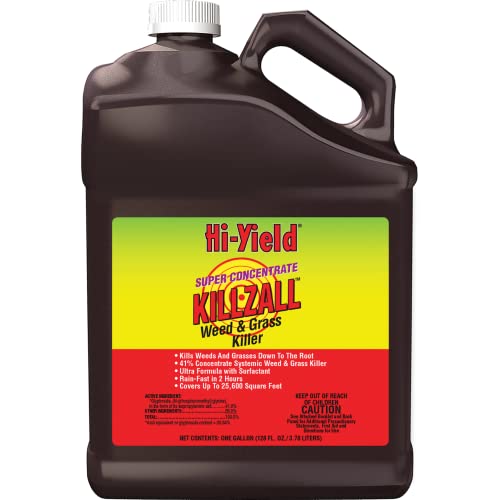
Hi-Yield Super Concentrate Killzall Weed & Grass Killer 1 gal

Fertilome Weed Free Zone Broadleaf Weed Killer 1 gal

Airmax Shoreline Defense Emergent Weed Control 1 gal

Sunday Weed Warrior Organic Weed & Grass Killer Concentrate Kit 2-Pack
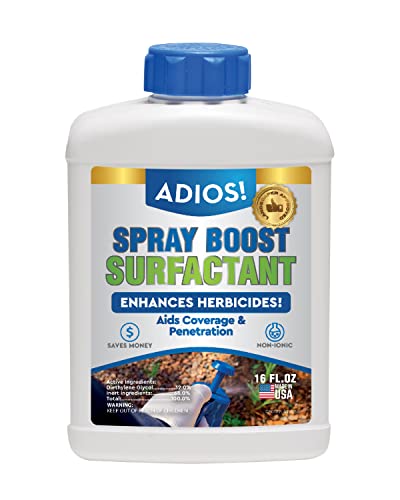
ADIOS! Non Ionic Herbicide Surfactant 16oz 50-Gallon Mix

Avenger Weed Killer Concentrate for Organic Gardening 32 oz

Roundup for Lawns2 Concentrate 32 fl. oz.

Pet’s Pal Natural Weed Killer Pet Safe Spray 1 Gallon
A Breakdown Of The Leading Choices
Driveways, gravel paths, and fence lines often need a no-nonsense sweep, and that is exactly the space where the Hi-Yield Super Concentrate earns its keep. The label describes coverage up to roughly 25,600 square feet per gallon once diluted, which is the kind of number that matters on big rural lots where you would otherwise refill a small bottle every weekend.
The double-surfactant formula is built to help the active ingredient cling to broadleaf weeds, grasses, and woody brush species. For most homeowners tackling a barnyard corner or an overgrown easement, the trade-off is the non-selective nature of the product. Anything green it touches is at risk, so precision spraying matters around desirable plants.
Practical Pluses
- Wide coverage from a single one-gallon jug, useful for large rural lots
- Targets both grassy weeds and woody brush species in one pass
- Surfactant blend helps the mix spread and stick to leaf surfaces
- Concentrate format lowers per-square-foot cost over time
- Compatible with standard pump sprayers already in most sheds
Trade Offs
- Non-selective action can damage nearby turf and ornamentals if spray drifts
- Not suited for use on lawn areas where you want grass to survive
- Storage in a cool, dry spot away from pets and kids is wise given the potency
Key Attributes
Right Fit For
Owners of large properties who need to clear gravel areas, fence rows, and other open stretches where no vegetation should survive.
Look Elsewhere When
The Fertilome Weed Free Zone Concentrate is a smarter pick if you actually want to keep your lawn and only remove broadleaf weeds.
Where the Hi-Yield is built for bare-ground cleanup, the Fertilome Weed Free Zone heads the other direction. It is a selective herbicide aimed at broadleaf invaders like clover, spurge, chickweed, and thistle, with grass-safe use on common lawn types including Kentucky bluegrass, Bermudagrass, Bahiagrass, and zoysiagrass.
The product label points to visible injury within hours of application under the right conditions, which matters if you have a thin lawn and want fast feedback before scheduling follow-up treatments. For most cool-season yards, spraying during active growth in spring or fall delivers the strongest result.
The Helpful Details
- Targets an extensive list of common broadleaf weeds without harming listed turf types
- Fast-acting formula that shows injury within hours under good conditions
- Concentrate format dilutes to a large finished spray volume per gallon
Honest Caveats
- Effectiveness drops sharply when weeds are dormant or stressed by drought
- Restricted to the grass species listed on the label, so warm-season lawns outside that list may be at risk
- Sprayers used for this concentrate should be cleaned thoroughly before any other garden use
Built With In Mind
Cool-season and common warm-season lawn owners who want broadleaf weeds gone while keeping their turf intact.
Not Your Match When
The Hi-Yield Killzall is a better match for non-lawn areas where you want everything green stripped down to bare soil.
Pond and lakefront owners face a unique weed problem: cattails, phragmites, and shoreline grasses that creep into open water. The Airmax Shoreline Defense is labeled for emergent aquatic weeds in fresh and brackish water, which makes it one of the few mainstream options designed for that specific edge.
The label claims the product travels into the root system of emergent weeds, which is the kind of detail that matters when the same plants keep resprouting after a quick trim. Depending on your water chemistry, you may find a second pass needed for stubborn colonies.
Advantages To Know
- Designed specifically for emergent aquatic weeds rather than generic lawn use
- Suitable for both fresh and brackish water environments
- Targets roots, reducing the chance of quick regrowth after treatment
A Few Limitations
- Restricted-use category in some regions, so local regulations should be checked first
- Not the right tool for typical backyard weeds far from open water
Made For
Lakefront and pond owners wrestling with cattails, phragmites, and other emergent shoreline weeds along their swim areas.
Consider Something Else When
The Sunday Weed Warrior makes more sense for a regular backyard gardener who just needs to clear a driveway or vegetable bed edge.
The Sunday Weed Warrior kit stands out for the hardware as much as the chemistry. Two 22-ounce concentrate bottles yield around two gallons of finished spray in total, and the package includes a reusable mix-and-spray pouch plus a battery-powered wand sprayer. For shoppers who do not already own a pump sprayer, that is a meaningful head start.
The label calls out a non-selective profile, meaning it kills anything green it touches. For most organic gardeners that is the point: driveway cracks, walkway seams, and fenceline edges where you want a clean reset.
Where It Helps
- Comes with a reusable spray pouch and battery-powered wand, so no extra equipment purchase
- Two-pack format stretches to about two gallons of finished spray for larger projects
- Concentrate delivers more finished spray than ready-to-use options per ounce
Points To Keep In Mind
- Non-selective action rules out spraying near desired lawn or ornamental plants
- Organic contact herbicides generally need repeat applications for stubborn perennial roots
Best Suited To
Organic-minded homeowners who want a complete kit for tackling patio edges, walkway cracks, and garden bed cleanups without buying extra gear.
Reach For A Different Pick When
The Avenger Weed Killer Concentrate is a more economical alternative for gardeners who already own a sprayer and want a smaller bottle to start with.
The ADIOS! Surfactant is not an herbicide on its own. A surfactant is a wetting agent that helps sprays spread and stick to waxy leaf surfaces. According to the listing, one 16-ounce bottle is rated to enhance up to 50 gallons of mixed herbicide, which is a generous dilution rate for hobby applications.
For most DIYers, the appeal is versatility. Beyond herbicides, surfactants are often used with fungicides, insecticides, and defoliants, so the bottle keeps working across multiple garden jobs throughout the season.
What It Does Well
- Single bottle handles up to 50 gallons of mixed spray, lowering per-use cost
- Useful across herbicides, fungicides, and insecticides in one container
- Helps reduce spray runoff on waxy or hairy leaf surfaces
Softer Spots
- Not a weed killer on its own, so it must be paired with a labeled herbicide
- Overuse can cause excessive runoff or foaming in the tank
Who It Suits Best
Experienced gardeners who mix their own tank solutions and want better leaf coverage from whatever herbicide they are already using.
A Better Fit Elsewhere
The Sunday Weed Warrior kit is a stronger starting point for first-timers who need a complete, ready-to-spray system rather than an additive.
Avenger has long carried a citrus-oil based reputation among organic gardeners who want a non-synthetic option for spot treatment. The 32-ounce concentrate bottle is sized for smaller jobs around vegetable bed edges, landscape borders, and patio seams.
For most backyards, the practical appeal is the organic gardening positioning combined with a contact-kill profile. Depending on your weed pressure, repeat treatments are common because organic contact herbicides primarily affect what they directly coat.
Positive Points
- Marketed for organic gardening use, fitting into chemical-light routines
- Concentrate format stretches across multiple small-area treatments
- Smaller bottle size is easy to store on a shelf between seasons
Things To Weigh
- Contact-only action means deep-rooted perennials often regrow after the first pass
- Strong citrus scent may bother gardeners sensitive to fragrant sprays
Quick Facts
Whose Shelf It Belongs On
Organic-focused gardeners who want a concentrate alternative for spot-treating weeds around vegetable beds and landscape borders.
Skip It When
The Roundup for Lawns2 Concentrate is the better tool for homeowners who need to clear many listed lawn weeds without harming the surrounding turf.
The Roundup for Lawns2 Concentrate targets the troublesome weeds that show up year after year in Northern lawns. The label lists crabgrass, dandelion, clover, yellow nutsedge, poison ivy, chickweed, oxalis, and purslane among the weeds it aims to control, which covers a wide slice of typical homeowner complaints.
For most Northern grass yards, the practical appeal is keeping the lawn while clearing the invaders. The 32-ounce bottle dilutes into a meaningful spray volume for multi-thousand-square-foot lawns.
Where It Excels
- Targets a long list of common lawn weeds including stubborn options like poison ivy
- Labeled for use on Northern grass types, protecting the surrounding turf
- Concentrate format offers more finished spray than a ready-to-use equivalent
Worth Noting
- Restricted to the Northern grass types listed on the label, so warm-season lawns need a different product
- Concentrate requires careful measuring and a dedicated sprayer to avoid over-application
Core Details
Who Should Grab It
Homeowners with Northern grass lawns who want one concentrate that handles a long list of common lawn weeds in a single product.
Where Another Pick Suits Better
The Pet’s Pal Natural Weed Killer is a smarter option for households that prefer a ready-to-use, naturally formulated spray over a synthetic concentrate.
For households where pets and small children share the yard, the Pet’s Pal Natural Weed Killer offers a ready-to-use format with no mixing required. The label markets the product as natural, glyphosate-free, and bee safe, which addresses three of the most common hesitations around conventional weed control.
For most backyards, the trade-off is the same one that affects any natural herbicide: effectiveness varies, and repeat applications are common on tougher perennial weeds.
Useful Touches
- Ready-to-use spray cuts out measuring and mixing steps
- Marketed as natural, glyphosate-free, and bee safe for sensitive households
- One-gallon size handles larger pet-active areas without frequent refills
Small Caveats
- Natural formulas typically need repeat treatments on deep-rooted perennial weeds
- Per-gallon cost runs higher than concentrates, which matters on acreage-sized yards
Feature Snapshot
Perfect Match For
Families with dogs and kids who want a ready-to-use, naturally positioned weed spray for everyday backyard touch-ups.
Swap It Out When
The ADIOS! Surfactant plus an existing favorite herbicide is a more cost-effective path for owners who already mix their own tank solutions.
Shopping Smart For Organic-Style Weed Control
Start by separating selective from non-selective formulas. Selective herbicides leave listed grass types intact while removing broadleaf invaders, which fits homeowners trying to rescue a lawn. Non-selective herbicides kill anything green they touch, which fits driveway cracks, fence lines, and garden bed edges where a clean reset is the goal.
Consider the application format next. Concentrates cost less per square foot but require a pump sprayer, careful measuring, and clean storage. Ready-to-use sprays cost more but skip the mixing and the extra gear. For most small yards, ready-to-use is the easier path. For most large properties, concentrate wins on value.
Match the weed type to the product label. A bottle that targets aquatic weeds like the Airmax Shoreline Defense has no place in a flower bed, while a turf-safe broadleaf killer has no place on a gravel path. Reading the label before buying saves the cost of returning the wrong product.
Finally, weigh household factors. Pets, kids, pollinator gardens, and proximity to wells all push toward naturally formulated options. Convenience and acreage scale push toward concentrates with a surfactant boost for better leaf coverage.
Key Considerations Across These Picks
Common Shopping Slip Ups
Many shoppers grab a non-selective herbicide when they actually need a selective lawn product, only to watch their turf yellow along with the weeds. Others underestimate how much finished spray a project needs and run out halfway through. The honest read is: measure your square footage first, then match the bottle size and dilution rate to the job.
Where The Extra Money Goes
Higher-tier concentrates typically buy better surfactant systems, longer coverage per bottle, and selective chemistries that protect surrounding turf or aquatic life. The upgrade pays off most on large or specialized jobs, like the Airmax for shoreline use or the Roundup for Lawns2 for Northern grass lawns, where off-the-shelf sprays rarely cut it.
Frequently Asked Questions
Do organic herbicides work as well as synthetic options?
Organic herbicides rely on contact action rather than systemic movement, so visible results often take longer and repeat applications are common. For most homeowners tackling light weed pressure, that trade-off is reasonable. Heavy infestations may still call for a stronger selective product.
Can I use weed killer on a windy day?
Spraying in calm conditions reduces drift onto wanted plants and improves coverage. For most gardens, early morning or late evening with little wind is the safer window.
Will rain wash away my herbicide?
Most liquid herbicides need a dry window after application to be fully absorbed. For most products, that means avoiding rain for at least several hours, with the exact interval listed on the bottle.
Are pet-safe sprays actually safe for dogs?
Naturally formulated sprays generally reduce risk, but keeping pets off treated areas until the spray dries is a common-sense precaution regardless of the label.
How often should I reapply?
Light weed pressure may clear in one pass, but perennial weeds usually need two or three follow-up treatments spaced per the label directions. For most gardens, patience between applications beats spraying more product more often.
Wrap Up
The right organic herbicide depends on where the weeds are, how much ground you need to cover, and who shares the yard. Large bare-ground jobs lean toward a heavy-duty concentrate, lawn rescues call for a selective formula, and pet-active backyards often reward a naturally positioned ready-to-use spray. Match the bottle to the job, and the weeds lose their grip without forcing the rest of the garden to bend to the bottle.
