

Setting up a small indoor garden, whether a countertop AeroGarden, a closet DWC (deep water culture) rack, or a couple of tomato buckets on the porch, brings up the same question fast: what do you actually feed the plants? Organic hydroponic nutrients solve that puzzle without leaning on harsh synthetics, and they tend to be gentler on root zones, reservoirs, and curious pets. The eight options below cover everything from concentrated mineral blends to classic two-part A&B systems, so you can match a formula to your setup instead of forcing your setup around a formula.
A Closer Look At The Lineup

VIVOSUN Liquid Nutrients A & B Bundle, 8oz

VIVOSUN Liquid Nutrients A & B Bundle, 32oz

General Hydroponics BioThrive Grow 4-3-3, 1 qt

Tigvio 800ml A&B Nutrients for AeroGarden
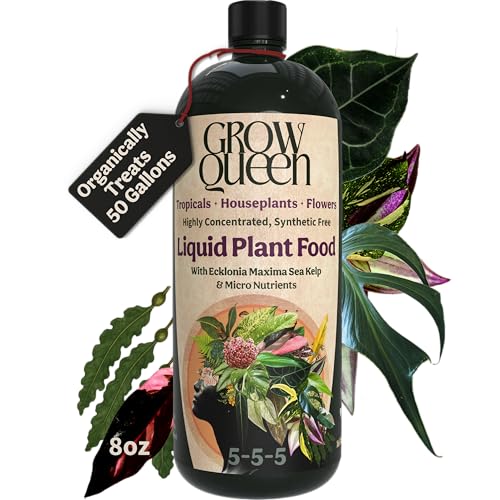
Grow Queen Organic 5-5-5 Indoor Plant Food, 8oz

OceanSolution 2-0-3 Liquid Mineral Fertilizer, 32oz
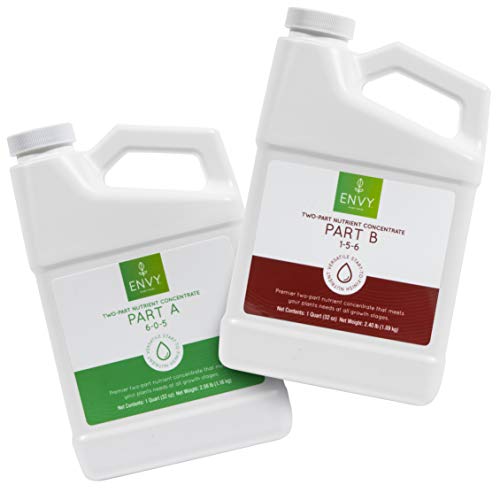
ENVY Hydroponic A & B Quart Set

HiThrive Aeroponic 4-3-6 Fertilizer, 32oz
The Strengths Of Each Pick
Small-scale growers dipping a toe into soil-free gardening often overbuy at the start, then watch half a jug of nutrients oxidize on a shelf. VIVOSUN’s 8oz A&B bundle answers that pattern with a low-commitment two-part system, covering the major macro and micro elements (nitrogen, phosphorus, potassium, calcium, magnesium, plus trace minerals) without forcing you to stock three separate bottles.
For a countertop herb jar or a single AeroGarden reservoir, the 8oz size lands in the right zone. You get the same balanced vegetative-through-flower coverage as the bigger VIVOSUN jug, just in a footprint that won’t collect dust. Two-part systems like this one also simplify mixing: shake A, shake B, dose both, done.
The Practical Payoff
- Compact 8oz format prevents waste for small gardens and short grow cycles.
- Two-part design supports vegetative and flowering stages in one routine.
- Covers key macros and micros, removing the need to stack single-nutrient bottles.
- Lower up-front cost makes it accessible for first-time hydroponic growers.
Worth Noting
- 8oz runs out quickly in any multi-plant reservoir, so you’ll likely repurchase or move up a size.
- Mixing ratios require separate dosing of A and B; never combine them concentrated, or they’ll lock each other out of solution.
Who It Suits Best
Beginners running a single small reservoir or AeroGarden who want a forgiving, all-in-one A&B introduction without committing to quart bottles.
Where Another Pick Suits Better
Anyone filling multiple reservoirs each week will get better value and fewer reorder headaches from the VIVOSUN 32oz A & B bundle covered next.
The 32oz VIVOSUN bundle is the same balanced formula as the 8oz starter, just in a jug that survives a full multi-plant cycle. For growers running a closet DWC tub, a small tent, or several AeroGarden refills, the larger format means fewer restock trips and less packaging waste.
You still get the full macro and micro spectrum (nitrogen, phosphorus, potassium, calcium, magnesium, plus secondary nutrients) and the same vegetative-through-flower coverage. The honest read is that this is a workhorse pick: it won’t wow with exotic sourcing, but it does the routine feeding job reliably across a wide range of common hydroponic crops.
Why It Works Well
- 32oz bottles stretch across multi-plant reservoirs and longer grow runs.
- Same two-part design supports vegetative and bloom stages without separate bottles.
- Broad macro and micro coverage fits herbs, lettuce, peppers, and tomatoes alike.
- Larger format lowers the per-dose cost compared to the 8oz starter.
Trade Offs
- Two-part dosing still requires careful measuring, since combining A and B undiluted causes nutrient lockout.
- For a single AeroGarden, 32oz can sit partially used for months; storage in a cool, dark spot matters.
Quick Facts
Made For
Growers maintaining several reservoirs or a small tent who want a single two-part system to anchor their feeding schedule.
Look Elsewhere When
Growers committed to fully organic inputs may prefer the General Hydroponics BioThrive line, which leans into organic-certified formulation.
BioThrive Grow is the vegetative half of General Hydroponics’ organic sub-line, and it has a long track record among growers who want organic inputs without giving up hydroponic consistency. The 4-3-3 NPK (nitrogen-phosphorus-potassium) ratio tilts slightly toward nitrogen, which is what leafy greens and young vegetative plants crave during their push for canopy and root mass.
For a kitchen herb wall or a lettuce DWC tub, this one-quart bottle pulls its weight quietly in the background. It mixes cleanly into reservoirs and pairs with a BioThrive Bloom bottle if you later move into fruiting crops. The honest read is that this is the bottle you reach for when you want a familiar name with documented organic credentials.
What Pays Off
- 4-3-3 NPK ratio suits vegetative-heavy crops like lettuce, herbs, and leafy greens.
- One-quart format fits standard home reservoirs without oversupply.
- Organic formulation appeals to growers avoiding synthetic mineral salts.
- Plays well with a BioThrive Bloom companion for full-cycle growers.
Points To Keep In Mind
- Organic inputs can leave mild residue in reservoirs, so weekly cleaning is a good habit.
- It is the vegetative formula only; fruiting plants need a separate bloom-stage nutrient.
Right Fit For
Home growers focused on vegetative leafy crops who want an organic-certified liquid that handles the early growth stage cleanly.
Skip It When
Tomato or pepper growers looking for a single-bottle full-cycle feed will find better support from a two-part A & B system like the VIVOSUN 32oz bundle.
AeroGarden owners know the frustration of empty nutrient slots mid-grow, and Tigvio’s 800ml A&B kit answers it directly. The bundle ships with two main bottles plus a few smaller pack refills, sized to match the reservoir cycles AeroGarden owners tend to run. For a kitchen-counter setup where you’re topping off every couple of weeks, that sizing lands well.
It also works in any standard indoor hydroponic reservoir, not just AeroGarden units, so you can pour the same formula into a DWC bucket or a small NFT (nutrient film technique) channel. The two-part design keeps the macro and micro coverage simple, with separate bottles for the elements that need to stay apart until dilution.
Practical Pluses
- 800ml A&B bottles plus refill packs sized for AeroGarden reservoir cycles.
- Compatible with AeroGarden and other indoor hydroponic systems.
- Two-part format supports both vegetative and flowering stages.
- Compact footprint suits kitchen counters and small grow shelves.
Small Caveats
- The smaller pack refills may not last as long as the main bottles if you run multiple reservoirs.
- Dosing instructions can take a session or two to internalize for first-time two-part users.
Best Suited To
AeroGarden owners and small-reservoir growers who want a tidy two-part kit sized for countertop cycles without buying more than they need.
Consider Something Else When
Closet growers filling a tent reservoir will get more mileage from the VIVOSUN 32oz A & B bundle, which stretches across many more feedings.
Most indoor fertilizers lean heavily toward nitrogen for foliage, then ask you to swap bottles when flowering kicks in. Grow Queen’s 5-5-5 with sea kelp takes a different path: equal parts nitrogen, phosphorus, and potassium, which means one bottle covers leafy houseplants, tropicals, and basic edible crops without a stage change.
For apartment growers watering a monstera, a pothos, and a few herb pots, that balanced profile simplifies life. The 8oz bottle treats up to 50 gallons when diluted, so a little goes a long way in a watering can. Sea kelp adds trace minerals and natural growth stimulants that tend to keep leaf color steady without forcing aggressive green pushes.
A Few Highlights
- True 5-5-5 NPK ratio removes the need to swap formulas across growth stages.
- Sea kelp component adds trace minerals and gentle growth support.
- One 8oz bottle dilutes to treat up to 50 gallons, stretching across many waterings.
- Works for houseplants, tropicals, and basic edible indoor crops.
A Few Limitations
- Balanced 5-5-5 isn’t tuned for heavy feeders in fruiting stage, so tomatoes and peppers may need a boost later.
- It’s a soil-and-coco-friendly general fertilizer rather than a strict hydroponic concentrate, so reservoir dosing differs from A&B systems.
Perfect Match For
Apartment growers tending a mix of houseplants and tropicals who want one balanced bottle for routine watering across the whole shelf.
Reach For A Different Pick When
Hydroponic reservoir growers running leafy greens or herbs will find the two-part VIVOSUN A&B system easier to dial into a recirculating setup.
OceanSolution leans into an ocean-mineral source story, advertising more than 90 trace minerals pulled from seawater and concentrated into a liquid format. The 2-0-3 ratio is unusually low in nitrogen and phosphorus, which sounds counterintuitive for vegetative growth, but it positions the bottle as a supplement-style feed rather than a primary macronutrient source.
For microgreens, indoor hydroponics, and lawn touch-ups, that profile makes sense: microgreens and lawns rarely need heavy nitrogen pushes. The 32oz bottle dilutes at one ounce per gallon, and the formulation is OMRI-listed, which matters if you garden with strict organic-input expectations.
Advantages To Know
- 2-0-3 ratio supports microgreens and lawn top-offs without overstimulating foliage.
- OMRI-listed status suits growers following organic-input routines.
- Concentrate dilutes at 1oz per gallon, stretching a 32oz bottle across many feedings.
- Mineral-sourced trace elements complement other primary nutrient lines.
Softer Spots
- Low nitrogen and phosphorus mean this is not a standalone feed for heavy fruiting or vegetative crops.
- Works best alongside another primary nutrient line, so it adds a bottle rather than replacing one.
Who Should Grab It
Microgreens growers and lawn-care folks who already run a primary nutrient line and want a trace-mineral supplement to round out their routine.
A Better Fit Elsewhere
Hydroponic growers wanting a single primary feed should start with a two-part A&B system like the ENVY Hydroponic A & B Quart Set instead.
Some growers run mixed gardens: a hydro bucket here, a soil planter there, a coco-coir tower on the porch. ENVY’s quart A&B set is built for that scattered reality. The two-part formula works in soil, coco, and hydroponic systems including DWC, which removes the need to stock different nutrient lines for each environment.
For a beginner working out whether they prefer hydro or soil over the next few cycles, that cross-medium flexibility is genuinely useful. The set also covers vegetative and heavy blooming stages in the same routine, simplifying feeding across a full crop cycle from leafy greens to flowering tomatoes.
Everyday Wins
- Two-part system works across soil, coco, and hydroponic systems including DWC.
- Quart bottles support full vegetative and bloom stages without mid-cycle swaps.
- Suitable for vegetables, herbs, fruits, flowers, and specialty crops.
- One feeding routine simplifies scheduling across mixed growing environments.
Honest Caveats
- Mixing two parts every watering adds a step versus single-bottle fertilizers.
- Quart bottles are mid-sized, so larger setups will still need restock planning.
Feature Card
Whose Shelf It Belongs On
Growers running mixed media (some soil, some hydro) who want one two-part system that follows the plants rather than the planter.
Swap It Out When
Strict organic-input gardeners will find the General Hydroponics BioThrive Grow more aligned with their feeding philosophy.
Aeroponic systems mist roots rather than submerging them, which changes what a nutrient line has to deliver. HiThrive’s 4-3-6 NPK formula leans toward higher potassium to support fruiting and flowering stages, with enough nitrogen to keep vegetative growth moving in mist cycles where nutrient uptake is faster than in soil.
The 32oz bottle is rated for roughly 96 feedings, which works out to a long runway for a small aeroponic tower or a high-pressure mist setup. For growers running leafy greens or strawberries in a mist environment, the higher K ratio supports the heavy-fruiting stage without forcing a mid-cycle bottle swap.
What Works In Its Favor
- 4-3-6 NPK ratio suits aeroponic mist cycles and heavy-fruiting crops.
- 32oz bottle covers up to 96 feedings in a typical small reservoir.
- Single-bottle format simplifies feeding compared to two-part A&B systems.
- Higher potassium supports fruiting and flowering stages in tower gardens.
Possible Compromises
- Single-bottle format lacks the precise separation of elements that two-part systems provide.
- Higher potassium may push vegetative-only growers toward more leafy growth than they want.
Built With In Mind
Aeroponic tower gardeners and high-pressure mist growers who want a single-bottle formula tuned for fruiting-stage crops.
Another Choice May Suit
DWC and NFT growers running leafy greens will find the BioThrive Grow 4-3-3 a better vegetative fit for their reservoir cycles.
What To Weigh Before Choosing Your Nutrient Line
Two-part versus single-bottle matters more than the brand on the label. A two-part A&B system separates elements that react badly when concentrated, giving you cleaner dosing and a wider working range. A single-bottle formula trades some precision for convenience, which works in casual watering-can routines but can fall short in a recirculating reservoir. Match the format to your setup rather than your preference.
NPK ratios tell you what stage the bottle is built for. A 4-3-3 leans vegetative, a 4-3-6 tilts toward fruiting, and a true 5-5-5 covers both at a balanced level. If you grow only leafy greens, you rarely need the bloom-side numbers; if you grow tomatoes or peppers, you eventually do.
Organic-input credentials matter when they matter to you. OMRI-listed and organic-certified formulations signal verified sourcing and fewer synthetic salts, which matters for edible crops, curious pets, and growers following strict organic routines. They also tend to leave more residue in reservoirs, so weekly cleaning becomes part of the deal.
Reservoir-friendly versus watering-can-friendly is a quiet but real distinction. Some fertilizers, like Grow Queen’s 5-5-5, mix cleanly into a watering can and work well in soil or coco. Others, like VIVOSUN or HiThrive, are designed for hydroponic reservoir cycles where pH and EC (electrical conductivity, a measure of nutrient concentration in the water) tracking become part of your routine.
Key Considerations Across These Picks
Pitfalls First-Timers Often Hit
The most common slip is treating organic hydroponic nutrients like soil fertilizer, dumping generous amounts into a small reservoir. Hydroponic systems feed roots directly, so nutrient concentration builds quickly without soil to buffer it. A simple EC meter prevents most early overfeeding mistakes. The second slip is ignoring pH (the acidity or alkalinity of the water, measured on a 0-14 scale). Even a perfect nutrient mix locks out at the wrong pH, leaving plants hungry despite a full reservoir.
Why Some Bottles Cost More
Higher-tier nutrient lines tend to invest in chelation (a process that binds minerals so roots can absorb them more easily), micronutrient breadth, and organic-certified sourcing. You pay for trace minerals your plants use in tiny amounts but cannot skip, and for bottles that mix cleanly without leaving sediment. For a single countertop herb jar, the premium rarely earns its place; for a multi-stage fruiting run, the cleaner mix and broader spectrum tend to pay back across the cycle.
Frequently Asked Questions
Do organic hydroponic nutrients work as well as synthetic ones?
For most home and small-scale setups, yes. Modern organic formulations deliver the full macronutrient and micronutrient spectrum through chelated minerals and natural sources, producing results comparable to synthetic salts in vegetative growth. The honest read is that the gap narrows once you dial in pH and EC properly.
How often should I change my reservoir?
For small home reservoirs, a full change every 7 to 10 days keeps nutrient balance from drifting. Larger systems can run longer between changes if you top off with fresh water and monitor EC, but the longer the water sits, the more the ratio skews as plants drink selectively.
Can I mix organic and synthetic nutrients?
You can, but it complicates pH and EC tracking, since organic inputs buffer the solution differently than mineral salts. Most growers pick a lane and stay there for at least a full grow cycle before experimenting.
What NPK ratio do I need for leafy greens?
A balanced or nitrogen-leaning ratio like 4-3-3 or 5-5-5 supports lettuce, herbs, and other leafy crops through their full cycle. They rarely need the higher potassium numbers that fruiting crops demand.
Do I need a separate bloom nutrient?
For fruiting and flowering crops like tomatoes, peppers, and strawberries, yes. Switching to a higher-phosphorus and higher-potassium formula during the bloom stage supports fruit set and ripening. For leafy greens only, a vegetative formula covers the entire cycle.
The Takeaway
The right organic hydroponic nutrients come down to your setup, your crop list, and how much weekly maintenance you actually want to do. Two-part A&B systems like the VIVOSUN bundles give you the most flexibility across reservoirs; organic-certified lines like BioThrive and Grow Queen cover the spectrum for growers who prioritize input sourcing. Match the bottle to the routine you will realistically keep, and your plants will tell you when it is working.
