

Spring planting shapes the whole gardening year, and choosing the right mix of seeds and bulbs sets the tone for every bed, border, and container that follows. Picking a packet that matches your climate, sun exposure, and patience level matters more than chasing whichever option promises the loudest color.
Beginners benefit from forgiving species that germinate easily and bloom the same season, while experienced gardeners often look for perennial picks that return year after year. This roundup covers ten solid starting points for fresh planting, with options for sun-soaked yards, shaded corners, and pollinator gardens.
The Main Contenders

ZEshops Blue Pink Purple Hydrangea Seeds Mix (35pcs)

Willard & May Complete Flower Bulb Garden (75 Bulbs)

PLANTMEW Wildflower Seeds Bulk Mix (10,000+ Seeds)
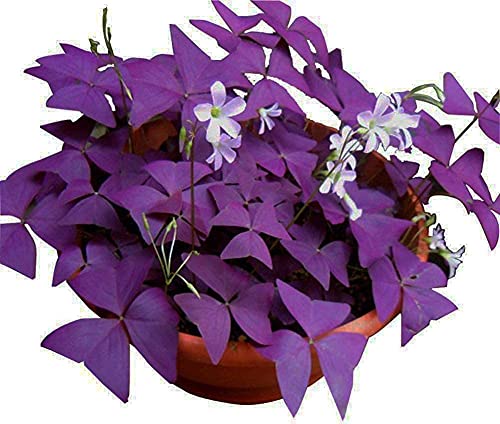
Ficoszo Purple Shamrocks Bulbs (12 Pack, Oxalis Triangularis)

SURVIVAL GARDEN SEEDS Purple Alyssum Seeds (1 Pack)

Marde Ross Forget Me Not Seeds (6,000 Seeds)

Mixed Color Hosta Seeds (185+ Seeds)

HOME GROWN Bachelor Button Tall Mix (700+ Seeds)

Touch Of ECO Spring & Summer 100 Bulbs Bee & Butterfly Collection

Seeds Of Strength Calla Lily Seeds (100 Pcs, Mixed Colors)
A Breakdown Of The Leading Choices
Hydrangeas carry a kind of weight in the garden that few flowers match, and this 35-seed mix leans into that presence by offering three color expressions in a single packet. The listing is aimed at gardeners who want a classic shrub border rather than a fast-blooming annual bed, so patience matters here. Compared with the wildflower mixes that follow, the payoff is slower but the structure is permanent.
For most yards, hydrangeas thrive in morning sun with afternoon shade, and the color of the blooms often shifts based on soil pH. You may find the color expression less predictable when starting from seed, since named cultivars don’t always come true from seed, so treat this as an experimental bed rather than a guaranteed showpiece.
What Helps Most
- Perennial growth means plantings return each year without replanting
- Multi-color packet offers visual variety in a single bed
- Hardy shrub form provides garden structure beyond just flowers
- Works in mixed borders alongside lower-growing picks from this list
Points To Keep In Mind
- Hydrangea seeds germinate slowly and unpredictably for many home gardeners
- Final bloom color often depends on soil chemistry you may need to test
- Seed-grown plants take two to three years to reach flowering size
Feature Snapshot
Who It Suits Best
Patient gardeners in temperate climates who want long-lived shrubs rather than quick color will get the most from this packet.
Where Another Pick Suits Better
For gardeners wanting fast first-year color, the HOME GROWN Bachelor Button Tall Mix delivers blooms in a single season.
This collection pulls together five bulb varieties into a single package, which makes the leap into bulb gardening feel manageable for first-timers. You get 18 Tutti-Frutti Gladiolus, 40 Harlequin Flowers, 10 Stargazer Lilies, 5 Mixed Asiatic Lilies, and 5 Mixed Calla Lilies, all sized for summer-through-frost displays. Bloom time runs from July through early October, so the color stretches deep into the gardening year.
The trade-off is light. The package includes both full-sun and partial-shade suitability, so you have flexibility on placement. For most backyards, planting in clusters of odd numbers creates a more natural look than straight rows, and these bulbs handle that style well.
Features That Help
- Five distinct varieties offer layered textures and colors in one purchase
- Long bloom window from midsummer to first frost extends visual interest
- Flexible light requirements fit most garden spots
- Curated count makes planting math easy for newcomers
Trade Offs
- Harlequin flowers can naturalize aggressively in some regions
- Gladiolus may need staking in exposed or windy beds
Made For
New gardeners who want a guided introduction to bulbs without researching individual varieties separately.
Look Elsewhere When
Native plant gardeners focused on regional ecology will find the PLANTMEW Wildflower Seeds Bulk Mix a better ecological fit.
The PLANTMEW mix is built for gardeners who want a meadow effect without the fuss of starting dozens of individual seed types. With over 10,000 seeds across roughly 25 varieties, you get a genuinely diverse blend designed for hummingbird, butterfly, and cut-flower use. Cosmos anchors the mix visually, and the rest of the blend fills in around it with native-leaning annuals and perennials.
Throw-and-grow doesn’t mean no effort, and you may find the best results come from raking the area lightly before broadcasting. For most backyards with full sun, this mix establishes quickly and rewards patient watering during the first few weeks.
Everyday Advantages
- Large seed count covers meaningful square footage from a single packet
- Curated mix attracts pollinators without separate species research
- Cosmos and similar varieties work well for casual cut-flower use
Possible Compromises
- Annual varieties need reseeding for repeat displays the following year
- Performance varies by region and microclimate
- Less control over exact species ratios than individual packets
Right Fit For
Homeowners with sunny open patches who want a low-effort meadow rather than a structured formal bed.
Skip It When
Formal landscape designers will find the structure of the ZEshops hydrangea mix better suited to a planned border.
Oxalis triangularis stands apart from the other picks here because the appeal is the leaf, not the flower. These 12 purple shamrock bulbs produce triangular, deep purple foliage that folds up at night, giving the plant a gentle motion throughout the day. It grows equally well in indoor pots or outdoor shaded beds.
Compared with the hosta seeds later in the list, oxalis delivers visual impact much faster and works well on bright windowsills. The catch is that the bulbs sometimes arrive small and dry, so you may find the first sprouting takes longer than expected.
Useful Strengths
- Foliage color holds year-round in mild indoor conditions
- Doubles as a windowsill plant and outdoor accent
- Compact growth habit suits apartment dwellers
A Few Limitations
- Some gardeners report slow initial sprouting from dormancy
- Bulbs may dry out during shipping and need inspection on arrival
Who Will Love This
Apartment gardeners and houseplant enthusiasts who want unusual foliage without dedicating outdoor space.
Not Your Match When
Gardeners planning large landscape color will get more visual impact from the Touch Of ECO 100 Bulbs collection.
Sweet alyssum earns its place in spring gardens because it fills the gaps between larger plants with a low carpet of honey-scented purple flowers. This Royal Carpet-style variety attracts bees and butterflies, making it a useful underplanting for any of the larger bulb collections on this list. The fragrance is a real draw on warm afternoons.
The honest read is that alyssum is frost-sensitive, so depending on your last frost date, you may want to wait until nights stay warm before direct sowing. It typically performs as a self-seeding annual in most regions.
The Good Stuff
- Fragrant flowers enhance pathways and seating areas
- Pollinator activity supports nearby vegetables and fruits
- Low ground-cover habit suppresses some weed pressure
Things To Consider
- Frost sensitivity pushes planting later than most spring options
- Heat in midsummer may cause flowering to slow or pause
Perfect Match For
Gardeners building pollinator-friendly beds who want a fragrant filler layer beneath taller flowers.
Reach For A Different Pick When
If you need a low-growing carpet in shadier spots, the Marde Ross Forget Me Not Seeds handle shade better.
Forget-me-nots are a workhorse for softening the base of taller bulbs and shrubs, and this bulk packet of 6,000 seeds gives you enough to cover meaningful ground. The plants reach 6 to 12 inches tall and produce delicate sky-blue clusters with yellow centers from spring into early summer. They’re especially lovely weaving between tulip plantings or along borders.
You may find these reseed readily once established, which becomes either a feature or a maintenance task depending on your style. The seed count makes this a strong value pick for filling larger areas.
A Few Strong Suits
- Adapts to both sun and shade conditions
- Bulk seed count suits larger garden footprints
- Classic blue color pairs well with yellows and whites
Potential Sticking Points
- Self-seeding can require thinning in following seasons
- Biennial habit means first-year growth is mostly foliage
Best Suited To
Gardeners pairing forget-me-nots with spring bulbs who want a soft blue carpet at their base.
A Better Fit Elsewhere
For instant color without biennial planning, the HOME GROWN Bachelor Button Tall Mix blooms the same year you plant.
Hostas are the go-to foliage plant for shaded gardens, and this mixed-color seed packet offers a budget-friendly way to start a collection. The source notes the mix features blue, purple, and white hues with unique leaf patterns, and the seeds carry shade tolerance for USDA zones 3 through 9. Pollinator-friendly summer flowers add a secondary layer of interest.
Same story with most perennial seeds: starting from seed requires patience, and the resulting plants won’t match named cultivars exactly. You may find the best results come from starting indoors and transplanting after the last frost.
Notable Gains
- Cost-effective compared to buying mature potted hostas
- Wide zone range covers most U.S. climates
- Leaf color variety creates visual depth in shade
Honest Caveats
- Seed-to-mature-size timeline is multi-year
- Color and pattern of mature leaves can vary from expectations
Built With In Mind
Patient shade gardeners who want to fill large shady areas without the cost of mature plants.
Swap It Out When
Gardeners wanting immediate shade impact should consider the Ficoszo Purple Shamrocks for a faster visual payoff.
Bachelor buttons, also called cornflowers, are one of the easiest spring-planted annuals to grow from seed, and this tall mix delivers the classic blue with variations. The 700+ seed count gives you enough for a real cutting garden rather than a token cluster. Non-GMO, heirloom, and open-pollinated qualities matter to gardeners saving seed for next year.
For most beds, bachelor buttons germinate in cool soil and tolerate light frost, so you can direct sow earlier than many picks on this list. The ruffled blooms work well as cut flowers and dry nicely for arrangements.
Useful Touches
- Quick-blooming habit rewards early-season planting
- Heirloom genetics allow seed saving year over year
- Pollinator-friendly without being invasive
- Cutting garden performance with strong stems
Smaller Trade-Offs
- Annual growth means replanting each spring
The Right Fit
Cottage garden enthusiasts and cut-flower arrangers who want quick, reliable color from a spring sowing.
Another Choice May Suit
For perennial color that returns without replanting, the ZEshops Blue Pink Purple Hydrangea Seeds Mix offers more permanence.
This 100-bulb collection brings together 30 Anemone Blanda, 20 Gladiolus Mixed, 20 Allium Moly, and 30 Ixia Mixed, creating a succession of blooms that runs from spring through summer. The variety is the selling point here, and the bulb count per variety gives you enough of each to create real visual impact rather than sparse single stems.
You may find the anemones naturalize over time, which suits a relaxed garden style. Hardy perennial behavior means the plantings strengthen in subsequent seasons with minimal effort.
Strong Points
- Succession planting built into the variety selection
- Pollinator magnetism across multiple species
- Hardy perennials return and multiply year over year
Practical Considerations
- Gladiolus may still need staking in exposed locations
- Bulb sorting and planning required before planting day
Who Should Grab It
Wildlife-conscious gardeners building layered bloom schedules without researching each species individually.
Where A Sibling Pick Shines
For strictly summer color, the Willard & May Complete Flower Bulb Garden concentrates blooms in one season.
Calla lilies bring a sleek, sculptural quality that few spring-planted flowers can match, and this 100-seed mixed-color packet offers the variety without the cost of established rhizomes. The mixed color range means each planting produces a surprise assortment rather than a uniform bed. The source recommends pre-soaking seeds for 12 to 24 hours and starting indoors in early spring for the best germination rates.
The trade-off is that calla lilies from seed need a long head start and consistent warmth around 70 degrees Fahrenheit. Depending on your climate, you may want to plan for indoor starting before the typical transplant window.
Good Reasons To Consider
- Sculptural form suits modern garden designs
- Long-lasting cut flowers for arrangements
- Mixed colors create visual interest in containers
What To Weigh
- Seed-starting requires indoor space and warmth control
- Germination rates can be inconsistent for beginner seed starters
Whose Shelf It Belongs On
Patient gardeners with indoor seed-starting setups who want showy, architectural flowers for cutting or containers.
Consider Something Else When
Direct-sow gardeners will find the PLANTMEW wildflower mix far easier to establish without indoor setup.
Matching The Right Seed And Bulb Picks To Your Garden
Start with your climate and your patience level, not with a color wish list. Perennial picks like the ZEshops hydrangea mix and the hosta seeds reward gardeners who can wait multiple seasons for full establishment, while annuals like the HOME GROWN Bachelor Button Tall Mix deliver same-year color without the long ramp-up.
Match the plant to the actual sun conditions you have, not the conditions you wish you had. Full-sun wildflower mixes underperform in deep shade, and shade-loving hostas scorch in afternoon sun. Honest site assessment beats seed selection every time.
Consider bloom timing as a system, not a single moment. Layering the Touch Of ECO 100-bulb collection with the Willard & May Complete Flower Bulb Garden creates continuous color from spring bulbs into summer-flowering varieties, while adding sweet alyssum or forget-me-nots as underplantings fills the visual gaps at ground level.
Mistakes Worth Dodging And Where The Upgrade Pays
Common Shopping Slip Ups
Buying more seeds than your bed can support leads to overcrowding, which reduces airflow and increases disease pressure. Match packet size to actual square footage, and resist the urge to broadcast an entire 10,000-seed wildflower mix into a four-by-eight bed. The other common slip is choosing shade plants for full-sun beds or vice versa, which leads to disappointment regardless of seed quality. Read the light requirements before checkout.
Where The Extra Money Goes
Higher-tier bulb and seed collections typically include more varieties per purchase, which translates to longer bloom windows and better visual layering. The Touch Of ECO 100-bulb collection, for example, costs more than a single-species packet but gives you four different bloom periods in one order. The upgrade pays off when you have a garden large enough to display the variety, and when you lack the time to research individual species combinations yourself.
Frequently Asked Questions
When should I start planting flowers in spring?
Most spring-planted flowers can go into the ground after your last frost date, though hardy annuals like bachelor buttons tolerate earlier sowing. Starting seeds indoors 4 to 6 weeks before the last frost gives slower growers like calla lilies a useful head start.
Do I need full sun for spring flowers?
Many spring flowers prefer full sun, but options like forget-me-nots and hostas handle partial to full shade. Always check the light requirements on the listing before choosing a spot, since mismatched light leads to weak growth regardless of seed quality.
How long until I see blooms?
Annuals like the HOME GROWN Bachelor Button Tall Mix typically bloom within 8 to 12 weeks of sowing. Perennials started from seed often need a full year or more before their first significant bloom, which is part of the long-term trade.
Can I mix different seed packets in one bed?
Layering varieties works well when you match plants with similar light and water needs. Combine the Touch Of ECO bulbs with forget-me-nots or alyssum as a ground layer, and you’ll have vertical interest plus carpet color in the same space.
How do I store leftover seeds?
Keep unused seeds in a cool, dry, dark location, ideally in a sealed container with a desiccant packet. Most flower seeds remain viable for 2 to 3 years under proper storage, though germination rates typically decline each year past the first.
Wrap Up
The right flower choice depends on your sun, your soil, and how patient you’re willing to be. Quick-blooming annuals deliver same-season satisfaction, perennial seeds reward longer commitment, and bulb collections bridge both worlds with structured color. Pick the option that matches your timeline, and you’ll spend more time enjoying the blooms than troubleshooting the setup.
