

Mid-July beds don’t have to look half-finished. With the right summer-planted bulbs, seeds, and roots, your yard can hit full stride right when neighbors’ gardens start to fade. Below are ten well-matched options for filling in late gaps, refreshing a tired border, or building a new bed from scratch.
How The Shortlist Stacks Up

Willard & May Complete Flower Bulb Garden

Ficoszo Purple Shamrocks Bulbs

Survival Garden Seeds Purple Alyssum

Generic 185+ Mix Color Hosta Seeds

Groundio 300+ Sunflower Seeds 15-Variety Blend

HOME GROWN Bachelor Button Tall Mix

Touch Of ECO 100-Bulb Bee & Butterfly Collection

Seeds Of Strength 100 Calla Lily Seeds
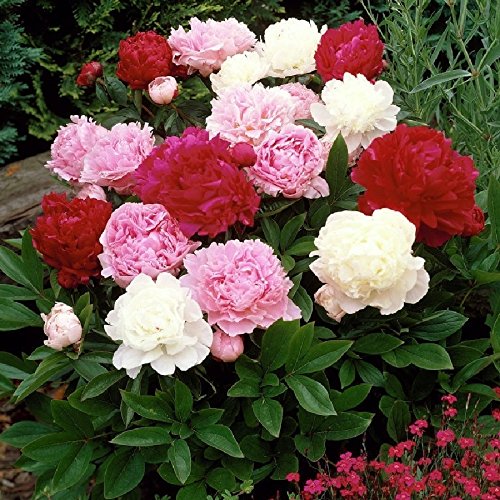
Willard & May Mixed Peony Jumbo Pack

Seed Needs Sunset Mixture Sunflower Pack
Inside Each Recommended Option
If you’ve never planted a summer bulb before, this Willard & May bundle is the easiest on-ramp on the list. It pulls together a curated set of varieties, so you skip the guesswork of matching bloom times and just dig, drop, and water. The package targets a roughly 50-day color window from July through early October, which lines up nicely with the late-summer lull when many early beds start to look tired.
Compared to the single-variety packs later in this roundup, the trade-off is less control. You won’t pick every cultivar by name, but the upside is a layered, mixed look that works even if your design sense is still developing. It performs well in full sun and tolerates partial shade, so a typical backyard bed is fair game.
Useful Touches
- Pre-curated mix covers a long bloom window without extra planning on your part.
- Full sun to partial shade flexibility, useful for beds that shift light through the day.
- Good intro pack for someone building their first summer bulb rotation.
Things To Consider
- You don’t get to choose each variety by name, so color coordination is partly a surprise.
- Gladiolus and lilies often need staking as stems lengthen in late summer.
Key Product Details
Who It Suits Best
First-time summer bulb planters who want a low-fuss, high-reward introduction to layered color.
Skip It When
You want a specific color story; the Ficoszo Purple Shamrocks bulbs give you a tighter foliage palette to design around.
Shamrocks (Oxalis triangularis) are the foliage plant most people don’t realize they’re missing. The deep purple, geometric leaves stay interesting long after any short-lived bloom has faded, which is exactly why this pack earns its place in a summer planting list. Twelve bulbs give you enough to fill a few small pots or one wide indoor bowl.
Use these where you want movement and color without a riot of petals. They handle indoor bright windows or a shaded patio, and they keep performing as long as the soil doesn’t fully dry out. Compared with the broader bulb garden from Willard & May, this is a focused accent, not a full bed.
Noteworthy Benefits
- Foliage-first color that lasts across multiple seasons in mild climates.
- Equally at home on a sunny kitchen counter or shaded patio corner.
- Compact size suits apartment windowsills and tight shelves.
Worth Noting
- Foliage may go semi-dormant in peak summer heat, which can read as “dying” to new gardeners.
- Bulbs are small and easy to overplant, so thin them once clumps fill in.
Made For
Apartment dwellers and container gardeners who want year-round leaf color in a tight footprint.
Consider Something Else When
You want tall vertical drama; the Seed Needs Sunset Mixture sunflowers push much higher in the same season.
Sweet alyssum is the workhorse carpet plant that quietly fills every gap you forgot about. This Royal Carpet-style purple strain stays low, blooms heavily, and pulls in bees and butterflies without any fuss. One pack covers a generous patch when scattered thinly along a path edge or around taller specimens.
It’s a frost-sensitive perennial most people grow as a cool-season annual, so plant it where spring transplants have finished. Pair it with the larger Touch Of ECO bulb collection if you want a layered bed with a low purple skirt around taller pollinator favorites.
What Stands Out
- Honey-scented blooms that pollinators actively seek out.
- Low mat habit softens hard edges along paths and stone walls.
- Quick coverage from a single seed packet.
Trade Offs
- Tends to fade in peak summer heat, so partial shade helps in hot zones.
- Self-seeds readily, which can be a feature or a weeding chore depending on your style.
Feature Snapshot
Best Suited To
Eco-minded gardeners who want a fragrant, low-maintenance carpet that supports pollinators all season.
Look Elsewhere When
You need a tall, structural plant; the Mixed Peony Jumbo Pack from Willard & May delivers much more vertical presence.
Most of this roundup leans sunny, but a real yard has shade, and that’s where hostas live. This mixed-color seed pack targets blue, purple, and white leaf variations with patterned foliage, giving you the kind of texture and color story that normally takes years of potted nursery trips. The price-to-quantity ratio is friendlier than buying individual mature plants.
The honest read: starting hostas from seed is slower than buying established plugs, so you’ll want patience. In our view, this works best for someone filling a wide, dim border rather than a single statement spot.
Real Benefits
- Thrives in shaded areas where most flowering options struggle.
- Mixed seed pack delivers variety without a dozen separate orders.
- Budget-friendly route to a full shade border over multiple seasons.
Points To Keep In Mind
- Seed-to-mature foliage is a multi-year project in most climates.
- Leaf color from seed can vary, so don’t expect a perfectly matched palette.
- Slugs and deer often target hostas, so plan on some protection in vulnerable yards.
Whose Shelf It Belongs On
Patient shade gardeners building a layered, low-light border on a tight budget.
A Better Fit Elsewhere
You want flowers this summer; the HOME GROWN Bachelor Button seeds bloom much faster from sowing.
If you want maximum reward for minimum cost, sunflowers are hard to beat. This 15-variety blend gives you reds, oranges, yellows, and the occasional surprise, all from a single packet. Three hundred-plus seeds is enough for a generous drift along a fence line or a whole dedicated row for the kids.
Unlike the Seed Needs Sunset Mixture, this blend trades tight color control for variety, so don’t plan a specific palette around it. Plant it where the look of mixed meadow works, not where you need a single statement hue.
Everyday Wins
- Large seed count covers a big area for very little cost.
- Tolerates a wide range of soil and weather conditions.
- Fast growth keeps kids engaged from sow to first bloom.
Minor Gripes
- Color spread is unpredictable, so this isn’t the right pick for a designed color scheme.
- Taller varieties may need staking in exposed, windy sites.
Quick Technical Notes
Who Should Grab It
Families with kids and anyone wanting a cheerful, low-cost meadow of summer color.
Reach For A Different Pick When
You want a tight color story; the Seed Needs Sunset Mixture stays in the warm orange-to-red family for a more cohesive look.
Bachelor buttons (cornflowers) are the kind of flower that quietly does a lot of work. The HOME GROWN Tall Mix brings 700-plus heirloom seeds, which is enough to cover a real wildflower strip, not just a single border. Tall stems make them excellent for cutting, so the bouquet people in your life get a side benefit.
They handle poor soil better than most picks on this list, and the fringed blue, pink, and white mix is the classic cottage look. Use this where you’d like pollinators and a steady supply of cut flowers through mid- to late-summer.
Positive Points
- Heirloom seed count is one of the largest in this category.
- Tall stems are ideal for cutting and arranging.
- Tolerates lean soil, which helps in newly developed yards.
Honest Caveats
- Direct sowing is more reliable than transplanting for this strain.
- Can self-sow enthusiastically, so plan for next year’s volunteers.
The Right Fit
Cottage-garden enthusiasts and anyone wanting armfuls of cut flowers from a single inexpensive packet.
Where A Sibling Pick Shines
You want pollinator variety rather than cornflower dominance; the Touch Of ECO bee and butterfly collection spreads the love across species.
This is the collection for gardeners who measure success in wings per minute. The Touch Of ECO mix is built around four pollinator favorites: Anemone Blanda, mixed Gladiolus, Allium Moly, and mixed Ixia. Each variety blooms at a slightly different moment, so the bed keeps feeding bees and butterflies across a long stretch rather than for a single peak week.
You get 30 Anemone, 20 Gladiolus, 20 Allium, and 30 Ixia, totaling 100 bulbs, which is enough to make a real statement. Compared to the smaller Willard & May beginner bundle, this one trades some beginner-coddling for stronger pollinator focus and a wider bloom window.
The Upside
- Staggered bloom timing keeps the bed interesting from spring into summer.
- Strong mix of pollinator-attracting species in a single pack.
- Hardy perennials that return and multiply over several seasons.
Possible Compromises
- Gladiolus often need staking once spikes get tall in mid-summer.
- Anemone Blanda is a spring performer, so peak color starts earlier than the rest of this list.
Spec Overview
Who Will Love This
Wildlife-friendly gardeners who want a long, layered bloom season designed around pollinators.
Swap It Out When
You want flower color specifically in late summer; the Willard & May bulb garden targets the July-to-October window more tightly.
Calla lilies bring the kind of sculptural line that turns a plain patio into a designed space. This mixed-color pack of 100 seeds lets you grow a coordinated batch for pots or a cutting bed without buying tubers one at a time. Calla foliage alone is worth the space, even before the blooms open.
Starting from seed is slower than starting from rhizomes (the thick underground stem many perennials grow from), so plan on one season of patience for blooms. If you want faster impact, the Willard & May peony roots below deliver a more immediate anchor plant.
Well-Handled Touches
- Mixed colors give a curated, designed look without separate purchases.
- Perennial in mild climates, with rhizomes that can return year after year.
- Long, elegant stems work beautifully in vases.
Some Limits To Know
- Pre-soaking seeds for 12 to 24 hours is required for best germination.
- Callas are sensitive to overwatering, so drainage matters in containers.
Perfect Match For
Design-minded gardeners who want elegant, photogenic flowers for patios and arrangements.
Another Choice May Suit
You’d rather plant once and enjoy big blooms the same year; the Willard & May peony roots skip the seed-starting stage entirely.
Peonies are the slow, deliberate pick. This jumbo pack includes six large Paeonia roots across white, pink, and red, so you plant once and enjoy for decades. Roots are graded 2/3 eye, meaning each division has two or three visible growth buds, the parts of the root that push up new stems.
Plant them in early summer, and they settle in over the rest of the season for a strong early-summer show next year. Compared with the Calla Lily seeds above, you’re trading seed-starting effort for a much bigger, longer-lived plant.
Strengths Worth Knowing
- Perennial in zones 3 to 8, covering a wide swath of the country.
- Three colors in one pack, so the bed reads as designed without extra orders.
- Long-lived plants that gain size and bloom count every year.
Practical Considerations
- Peonies are famously slow to establish, so a full bloom often takes two to three seasons.
- Heavy blooms may need peony rings or stakes in rain-prone climates.
Built With In Mind
Long-term gardeners planting a permanent border they expect to enjoy for twenty years or more.
Not Your Match When
You want color this season; the HOME GROWN Bachelor Buttons bloom in their first year from seed.
Where the Groundio blend goes wide on variety, this Seed Needs pack keeps the color story tight. Sunset Mixture leans on warm reds, oranges, and yellows, which is why it earns a spot even though we’ve already covered sunflowers. The Helianthus annuus species here is the classic single-stem annual, easy to grow and reliable.
It’s a strong pick for late-summer bouquets where you want tones that read as autumn even in August. Pair it with the cooler bachelor buttons above for a designed warm-meets-cool contrast.
Why It Works Well
- Coordinated warm-tone palette for cohesive border design.
- Classic single-season annual that performs reliably from seed.
- Strong stems hold up well as cut flowers.
Less Ideal Details
- Annual only, so you’ll be replanting each spring.
- Tall varieties need protection from strong winds in exposed beds.
The Right Fit
Design-minded gardeners planning a warm-toned late-summer border or a cutting patch.
Where Another Pick Suits Better
You want maximum variety rather than a tight palette; the Groundio 15-variety blend spreads across more color families.
Building A Summer Flower Bed That Actually Performs
Good summer plantings start with honest assessment of three things: light, soil, and timing. Get those right and almost any of the picks above will reward you.
Reading Your Light Before You Buy
Spend a few days watching the bed at morning, midday, and late afternoon before ordering anything. A spot that looks sunny at noon may be deeply shaded by 3 p.m. if a neighbor’s maple is in the way. Most flowering picks in this list need at least six hours of direct sun, while the Hosta seed pack and the Purple Shamrocks bulbs are the rare options that actually prefer shade. Misreading this is the single most common reason a summer bed underperforms, so don’t skip the homework.
Matching Plant Type To Your Patience Level
Seeds, bulbs, and roots each have a different feel in the garden. Seeds are cheap and abundant but ask for a full season of growth before peak display. Bulbs like the Willard & May and Touch Of ECO collections are a middle path: you plant, you water, and you wait a few weeks for color. Roots like the Mixed Peony Jumbo Pack are the slowest start but the longest payoff, with plants that can outlive the gardener. Your tolerance for waiting should drive the mix more than the catalog photos do.
Designing For Pollinators Without Overdoing It
A pollinator bed works best when something is always in bloom, not when one variety dominates. The Touch Of ECO collection handles this naturally through staggered bloom timing, but you can mimic the effect by mixing early bachelor buttons with later sunflowers and a ground-layer alyssum. Resist the urge to plant all one species just because the seed count is high; diversity keeps bees and butterflies coming back.
Soil Prep And After-Plant Care
Summer heat punishes unprepared soil. Work two to three inches of compost into the top six inches before planting, and mulch lightly to hold moisture. Most of these picks want consistent water for the first three to four weeks, then moderate soakings once established. Stake tall gladiolus, sunflowers, and peonies before storms hit; supporting a top-heavy plant after the fact usually breaks the stem.
Smart Choices For Summer Plantings
Common Buying Mistakes To Avoid
The most frequent slip is ordering by seed count alone. A 700-seed bachelor button packet sounds huge, but if you want mixed color across the season, those cornflowers won’t do what the Touch Of ECO pollinator mix does. The other classic error is ignoring zone and timing. Peony roots are gorgeous, but planting them where summers are too hot or winters too warm means sparse blooms and stressed plants. Match the plant to the place, not the other way around.
When The Higher Price Earns Its Place
Paying more for the Willard & May peony roots or the curated bulb garden is worth it when you want a designed, multi-season look rather than a one-summer splash. Premium picks typically come with larger, more established root stock, tighter bloom timing, and stronger perennial performance. For a single cutting bed or a kids’ project, the cheaper seed packs are a smarter spend. For the border you expect to photograph in five years, the upgrade is the right call.
Frequently Asked Questions
Can I Plant Bulbs In The Middle Of Summer?
Yes, most summer-flowering bulbs are designed exactly for mid- to late-season planting. Gladiolus, calla, and allium bulbs all go in after the last frost and bloom within weeks. Spring-blooming bulbs like tulips are a different story, since they need a cold period before they flower.
How Long Until I See Blooms From Seed?
It depends on the species, but most annuals on this list bloom within 60 to 90 days of sowing. Bachelor buttons and sunflowers are on the faster end, while hostas grown from seed focus on foliage first and flowers later. Starting seeds indoors a few weeks before transplanting shortens the wait noticeably.
Do I Need To Fertilize Summer Flowers?
A balanced, slow-release fertilizer at planting covers most needs. Heavy feeders like dahlias and callas appreciate a midseason boost, but the picks above generally perform well in average garden soil with compost worked in at the start.
Can I Mix Bulbs And Seeds In The Same Bed?
Absolutely, and combining them is often the best move. Plant bulbs first at their proper depth, then scatter seeds over the top, since each has different spacing and depth requirements. The Touch Of ECO collection paired with a border of Purple Alyssum seeds is a textbook example of this layered approach.
Are These Picks Safe For Pollinators?
All ten options support bees, butterflies, or hummingbirds in different ways, and none rely on the systemic insecticides (pesticides absorbed throughout the plant’s tissue) often used in conventional nursery stock. For the highest pollinator value, lean toward the Touch Of ECO collection, the alyssum, and the bachelor buttons.
The Takeaway
Pick the option that matches your light, your patience, and the corner of the yard you’re filling. Sun-soaked border? Start with the Groundio sunflower blend or the bachelor buttons. Shaded patch? The Hosta seeds earn their place. Long-term anchor? The Willard & May peony roots will outlast trends. A thoughtful match now means a fuller, more colorful garden for years to come.
