

A food plot only performs as well as the soil feeding it, and most hunters and land managers discover that fact the hard way. Seed selection gets the headlines, yet the right (or wrong) fertilizer decides whether brassicas bulb out, clover thickens, or the whole stand stalls in thin, acidic ground. This roundup sorts ten fertilizers and plot enhancers that address that reality in different ways, from nine-month time-release granules and fish emulsion liquids to lime alternatives and soil-carbon boosters. Read on for a practical mix suited to spring plantings, late-summer plots, and everything in between.
The Picks In Brief

BLACK (GOLD) KOW Dynamite 2 lb 9 Month Plant Food

Alaska Fish Fertilizer 5-1-1 OMRI Listed

Evolved Harvest 7 Card Stud Adaptive Food Plot Seed
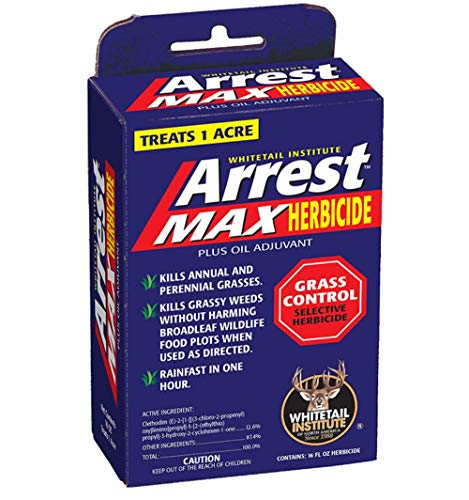
Whitetail Institute Arrest Max Selective Grass Herbicide 8 oz

Ironite Plus Shrubs & Trees Plant Food 12-10-10, 3 lb
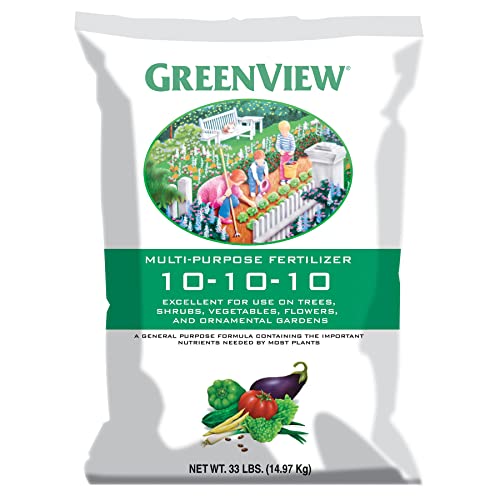
GreenView Multi-Purpose Fertilizer 10-10-10, 33 lb

Gold Leaf All-in-One Liquid Fertilizer 16.9 fl oz

Antler King Clover Fuel Food Plot Enhancer

O.M. Scott & Sons Natural Grass Food, 12.72 lb 2-Pack

Antler King Plot Max Liquid Carbon 32 oz
A Breakdown Of The Leading Choices
Dynamite is the kind of fertilizer you work into a plot once and basically forget about. The 2 lb container holds time-release granules engineered to feed plants steadily over roughly nine months, which lines up nicely with a spring planting that needs to push growth through summer and into early fall.
For a small kill plot or a back-forty food strip where you’re not driving a four-wheeler past every weekend, that feeding window is the real draw. You measure it out, scratch it into the seedbed, and let soil moisture do the rest. Compared with the liquid fish-based options lower on this list, you skip the sprayer and the repeated mixing, which suits anyone working a remote lease without easy water access.
What Makes Sense
- Time-release feeding over about nine months, so a single application can carry a plot from spring planting through hunting season.
- All-purpose formula works across flowering trees, shrubs, houseplants, ferns, palms, and grasses, giving you flexibility in mixed-use landscape edges.
- Includes essential micronutrients alongside the main N-P-K (nitrogen, phosphorus, potassium) feed, supporting root development rather than just leafy top growth.
- Granular form is easy to broadcast by hand or with a small spreader, and there’s no mixing or sprayer cleanup afterward.
Small Caveats
- At 2 lb total, coverage is suited to smaller plots, so large-acreage food plots would need multiple containers.
- Granular time-release depends on soil moisture and microbial activity, which can slow nutrient release in cold or very dry stretches.
Key Product Details
Right Fit For
Hobbyist food plotters running small kill plots who want a single spring application to last into bow season.
Where Another Pick Suits Better
GreenView Multi-Purpose Fertilizer 10-10-10 fits better for anyone managing several acres who needs a much higher volume per purchase.
Alaska’s fish emulsion is an OMRI-listed liquid (meaning it’s approved for organic production by the Organic Materials Review Institute), and that single detail shapes who it makes sense for. If your food plot program also includes a vegetable garden, an orchard, or a berry patch, the same bottle feeds everything from brassicas to tomatoes without a second product on the shelf.
The 5-1-1 N-P-K ratio is mild by design, and that’s the point: a low-analysis feed favors slow, steady growth over the leafy flush that high-nitrogen synthetic blends can push. You dilute and apply it through a hose-end or pump sprayer, repeating every few weeks through the growing season. For food plotters leaning organic, that trade-off is usually worth the extra passes.
What Works In Its Favor
- OMRI-listed formulation suits organic gardening and food plot programs where synthetic fertilizers are off the table.
- Gentle 5-1-1 nutrient ratio is far less likely to burn tender seedlings or shock young transplants.
- Liquid format mixes into water for foliar feeding (spraying directly on leaves) and root drench applications across many plant types.
- Multi-purpose enough for vegetable gardens, ornamentals, and food plots from the same bottle.
Points To Note
- Fish emulsion has a distinct odor that lingers for a day or two after application, noticeable near homes or property lines.
- Low nutrient analysis means you apply more product per acre and repeat applications more often than a synthetic blend.
Best Suited To
Plot managers who keep a kitchen garden alongside deer plots and want a single organic-approved fertilizer across both.
Consider Something Else When
Antler King Clover Fuel fits better for someone running a dedicated clover or alfalfa plot that needs plot-specific legume support.
Seven Card Stud isn’t a fertilizer in the strict sense, but it earns a place in a fertilizer roundup because the seed blend determines what your fertilizer actually feeds. The mix of triticale, oats, winter peas, clover, chicory, turnip, and radish staggers growth windows across the calendar, so something is always green and palatable for incoming deer.
For land managers who want one product decision to cover early-season attraction, late-fall hunting, and a winter holding area, the multi-species approach simplifies planning. It’s a different category than the granular and liquid fertilizers above, and it works alongside them rather than replacing them. Think of it as the foundation you fertilize around, not the soil amendment itself.
Useful Touches
- Seven plant species in one blend deliver forage across early, mid, and late hunting seasons without replanting.
- Adaptable to a wide range of regions and soil types, reducing the risk of a total stand failure in variable conditions.
- Combines grains, legumes, brassicas, and chicory in one pass, supporting both attraction and herd nutrition.
Trade Offs
- A multi-species blend typically costs more per acre than a single-species planting like pure clover or pure brassica.
- Several components are annuals, so you’ll need to re-seed or rotate plots yearly to maintain the same attraction cycle.
Whose Shelf It Belongs On
Land managers running a one-and-done fall planting who want year-round attraction from a single seed purchase.
Skip It When
GreenView Multi-Purpose Fertilizer 10-10-10 is a better fit for a manager focused on established perennial plots that need broad-spectrum feeding instead of fresh seeding.
Arrest Max isn’t a fertilizer either, but every fertilizer on this list works harder when grass and weeds aren’t stealing the nutrients. This is a selective grass herbicide built specifically for deer food plots, so it knocks back competitive grasses without harming clover, alfalfa, chicory, or the perennial Whitetail Institute blends.
The 8 oz bottle is sized for spot treatment on a couple of acres, and you can tank-mix it with crop oil for stronger uptake on tougher grass stands. Pairing this with a legume-friendly fertilizer like the Antler King Clover Fuel below is the most common program for serious clover plots, since grass pressure is what thins those stands fastest over a typical season.
Well-Handled Touches
- Selective formulation targets grasses specifically, sparing clover, alfalfa, and chicory that would otherwise be collateral damage.
- Developed and labeled for food plot use, which simplifies compliance compared with general-purpose ag herbicides.
- Tank-mix compatible with crop oil additives for heavier grass pressure.
Factors To Consider
- An 8 oz bottle covers a limited acreage, so larger operations may need several containers per treatment cycle.
- Sprayer calibration and timing matter; misuse on stressed plants or wrong growth stages can set back your plot.
Made For
Plot managers maintaining perennial clover or alfalfa stands who need to keep grass competition in check.
Look Elsewhere When
Alaska Fish Fertilizer 5-1-1 is a smarter pick for someone who needs actual plant nutrients rather than grass suppression.
Ironite Plus splits the difference between a fertilizer and a mineral supplement, and that blend makes it a strong choice for the woody edges of a food plot. The 12-10-10 N-P-K ratio carries a balanced feed, while a meaningful iron content drives the deep green color that deer-keyed food plotters tend to associate with healthy browse.
The 3 lb granular container suits small targeted applications around individual trees and shrubs along travel corridors, where a full broadcast spreader pass would be wasteful. For anyone running a mature oak fringe or fruit tree plot, that flexibility is the appeal.
The Upside
- Balanced 12-10-10 N-P-K supports steady growth in woody ornamentals and tree lines around food plots.
- Mineral-rich formulation addresses iron and micronutrient deficiencies common in alkaline or over-worked soils.
- Granular form is easy to work into the soil around individual shrubs without specialized equipment.
Practical Considerations
- Iron content can stain concrete, stone, and clothing, so application near driveways or hardscapes needs care.
- 3 lb volume is best for spot feeding rather than full-plot broadcasting across acreage.
Feature Snapshot
Who It Suits Best
Hobbyists maintaining a food plot bordered by oak, persimmon, or crabapple trees who want the canopy layer to perform as well as the ground layer.
A Better Fit Elsewhere
Antler King Plot Max suits someone more interested in building organic matter in the soil profile than greening up foliage.
GreenView’s 10-10-10 is the workhorse of the list. The 33 lb bag covers roughly 3,300 square feet, and the equal-parts nitrogen, phosphorus, and potassium ratio makes it forgiving across vegetables, ornamentals, food plots, and lawn edges without a second product on the shelf.
For someone running a few acres of food plots and a big kitchen garden, the same bag moves between both jobs. It’s a generalist by design, not a specialist like the legume-focused Antler King Clover Fuel or the iron-forward Ironite, and that versatility is the point.
Positive Points
- Equal-ratio 10-10-10 formula works across vegetables, flowers, trees, shrubs, and food plots without rebalancing.
- 33 lb bag at 3,300 square feet of coverage suits mid-to-large plot operations.
- Straightforward broadcast application with a rotary or drop spreader, no mixing required.
Potential Compromises
- A generalist ratio doesn’t match the specific needs of legume-heavy plots that need less nitrogen and more phosphorus.
- Heavy bag weight is awkward to haul without a small cart or ATV-mounted spreader.
Who Should Grab It
Multi-acre food plot owners who also manage a garden and want a single fertilizer bag to serve both.
Reach For A Different Pick When
Antler King Clover Fuel is a better fit for managers running a pure clover or alfalfa plot that benefits from legume-specific nutrition.
Gold Leaf earns its place here for the food plot owner who starts seeds in trays or a small indoor rig before transplanting. The 16.9 fl oz bottle is a single-bottle nutrient program, replacing the multi-part grow and bloom bottles that complicate most feeding schedules.
It’s not a broadcast fertilizer for an established stand, and that’s the honest read. Treat it as a transplant-stage or supplemental foliar feed, and the concentration and convenience make sense. Drop it on a multi-acre plot and you’ll burn through the bottle in a single application, so the use case is narrower than the larger bags above.
Where It Delivers
- All-in-one formula replaces separate grow and bloom bottles, simplifying feeding for new gardeners and plot starters.
- Liquid format mixes easily for both soil drench and foliar spray application.
- Compact bottle is easy to store in a shed or garage without taking up much space.
Honest Caveats
- Small bottle size is not cost-effective for broadcast application on established multi-acre food plots.
- Formulated more for indoor and hydroponic use (growing plants in nutrient-rich water without soil) than for direct in-ground plot feeding.
Built With In Mind
First-time food plotters starting brassica or clover transplants indoors who want one simple liquid to feed seedlings through the transplant window.
Where A Sibling Pick Shines
Alaska Fish Fertilizer 5-1-1 is a smarter pick for organic-minded food plotters who need a multi-purpose liquid that handles both garden and plot at once.
Clover Fuel is a liquid plot enhancer engineered for legumes, including clover, soybeans, and alfalfa. The whole point of a legume-specific blend is that broad-spectrum fertilizers like GreenView’s 10-10-10 push too much nitrogen, which feeds the grass and weeds competing with your clover rather than the clover itself.
Used alongside a grass-control herbicide like Whitetail Institute Arrest Max, Clover Fuel is the cornerstone of a serious legume plot program. You can mix it with other plot chemicals in the same tank pass, which cuts the time between mixing and spraying on busy spring weekends.
Practical Advantages
- Targeted formulation supports thicker, longer-lasting stands in clovers, soybeans, and alfalfa without excess grass growth.
- Tank-mix compatible with herbicides and other plot chemicals, reducing the number of separate spray passes.
- Works on both new seedings and existing established legume stands.
Some Limits To Know
- Specialty focus means it does double duty for legume plots but limited use elsewhere on the property.
- Liquid spray application requires a pump or backpack sprayer, adding equipment overhead for some users.
Feature Card
Who Will Love This
Clover-and-alfalfa plot managers who want a legume-tuned boost instead of a general-purpose blend.
Swap It Out When
GreenView Multi-Purpose Fertilizer 10-10-10 suits food plotters running mixed-species plots who want one bag for everything.
O.M. Scott’s natural grass food is a yard-first fertilizer, but it has a place in a food plot program around the edges. The 2-pack of 12.72 lb bags handles the lanes, shooting lanes, and travel corridors between plots that look more like lawn than forage.
Where it earns its keep is in keeping a green buffer visible from a stand without committing specialty legume fertilizer to non-food acreage. Compared with the Ironite Plus above, this is a broader grass-driven formula rather than a woody-edge iron supplement.
What Stands Out
- Natural formulation supports traditional grass growth without the higher-analysis synthetic push of a starter fertilizer.
- Two-pack packaging handles medium-sized yard and lane coverage without a second purchase.
- Trusted brand background in residential lawn care, with consistent granule sizing for spreader application.
A Few Limitations
- Grass-focused formula delivers limited value if applied directly to a clover or brassica food plot.
- Granular spreader application is less precise than liquid foliar feeding for targeted plot work.
Perfect Match For
Food plotters who also maintain groomed access lanes and want a single fertilizer for the property’s non-plot grass areas.
Not Your Match When
Antler King Plot Max is the better soil-focused choice for someone rehabilitating worn, low-organic-matter plot ground.
Plot Max is a humic-based (humic substances are decomposed organic matter compounds that improve soil structure and nutrient availability) liquid carbon product, which puts it in a different category than the granular and liquid fertilizers above. The goal is to rebuild the soil itself: bump pH toward more plant-friendly levels, lift organic matter content, and make locked-up nutrients more available to whatever you plant next.
For worn plots that have been hammered by years of tillage, monoculture seedings, or simply neglect, Plot Max is the kind of restorative pass that pays back across several future seasons. You mix it with water and spray it on the soil, and a 32 oz bottle scales to a small-to-medium plot. Pair it with a real fertilizer like GreenView’s 10-10-10 for a soil-first program that builds structure and feeds plants in the same year.
Strong Points
- Liquid humic carbon formulation increases organic matter and helps unlock tied-up nutrients in tired soil.
- Can raise soil pH in acidic plots, supporting better nutrient availability for brassicas, clovers, and grains.
- Mixes easily with water for spray application on new or existing plots.
Worth Bearing In Mind
- Soil-conditioner focus means benefits show over multiple seasons rather than within a single hunting cycle.
- A 32 oz bottle is sized for smaller plots, so larger acreage may need several bottles per treatment.
Feature Rundown
Right Fit For
Land managers rehabbing a tired plot whose forage production has dropped despite regular fertilizer applications.
Where Another Pick Suits Better
GreenView Multi-Purpose Fertilizer 10-10-10 fits better for someone needing immediate, balanced feeding across a large plot rather than a soil rebuild.
What Drives The Right Fertilizer Decision
Plot size and species mix are the two filters that narrow this list fastest. A small kill plot under an acre planted in clover benefits most from a targeted legume product like Antler King Clover Fuel paired with a selective grass herbicide like Arrest Max. A multi-acre mixed planting leans on a balanced workhorse like GreenView’s 10-10-10, while a soil-rehab situation calls for Antler King Plot Max before any broadcast fertilizer goes down.
Delivery format matters as much as analysis. Granular products like Dynamite and Ironite Plus are spreader-friendly and need no water, which is a real advantage on a remote lease. Liquids like Alaska Fish Fertilizer and Clover Fuel mix into a sprayer for foliar feeding and faster uptake, but they need clean water and time to apply. The N-P-K ratio (the percentage of nitrogen, phosphorus, and potassium by weight in the bag) is the third filter: legumes want a low-nitrogen, higher-phosphorus feed, brassicas and grains tolerate balanced or nitrogen-leaning ratios, and woody browse does best with the iron and balanced minerals of a product like Ironite Plus.
Finally, organic versus synthetic is a real fork in the road. The OMRI-listed Alaska Fish Fertilizer is the entry point for organic-minded plot owners, while everything else on the list uses conventional fertilizer chemistry. Both approaches work, but the timing, frequency, and equipment overhead are different enough that the choice should be made once, not improvised each season.
Plot Nutrition From The Ground Up
Mistakes Worth Dodging
The most common error in food plot fertilization is reading the bag’s coverage rate as gospel and ignoring what your soil actually needs. A generic 10-10-10 spread across an acre of clover feeds the grass and weeds more than the legumes themselves, and the result is a thinner stand year over year. Pull a soil test before each major fertilizer buy, and match the analysis to the test results rather than to the bag’s marketing copy.
Second, skipping the conditioner pass on worn ground is a slow leak. Plots that have been in continuous production for years lose organic matter, drop in pH, and start holding fertilizer less effectively. A humic carbon product like Antler King Plot Max, applied before the main fertilizer pass, stretches every dollar of N-P-K you put down afterward.
When Paying More Pays Off
The higher-tier products in this category earn their premium by addressing problems a budget bag cannot. Specialty legume formulations, selective herbicides, and soil-carbon enhancers solve specific issues like grass competition, nutrient lockup, and pH drift. For a single backyard plot, that specificity may be overkill. For a hunting property where you measure results in inches of antler and pounds of forage, paying more per acre for the right tool tends to pay back across multiple seasons.
Frequently Asked Questions
How often should fertilizer be applied to a food plot? Granular time-release products like Dynamite typically feed for several months from a single application, while liquid feeds like Alaska Fish Fertilizer and Antler King Clover Fuel are usually reapplied every two to four weeks through the growing season.
Do food plots need different fertilizer than a regular lawn? Yes, food plots are usually planted in specific forage species like clover, brassicas, or grains, and each responds better to a tailored N-P-K ratio than a generic lawn blend like O.M. Scott’s grass food.
Can one fertilizer work for both a garden and a food plot? A multi-purpose balanced fertilizer like GreenView’s 10-10-10 or an organic liquid like Alaska Fish Fertilizer 5-1-1 can serve both, though specialty plots like pure clover will perform better with a legume-specific product.
What does a soil test tell you before you buy fertilizer? A soil test reports current pH, organic matter, and the levels of major nutrients already present, which tells you whether to invest in a soil conditioner, a high-nitrogen feed, or simply skip fertilizer for the season.
Is liquid fertilizer better than granular for food plots? Liquids offer faster uptake and easier foliar application, while granular products are simpler to broadcast and often last longer in the soil. Many experienced plot managers use both formats across the year rather than picking one.
Wrap Up
The right fertilizer for your plot depends on the seed you plant, the soil underneath, and the time you have to apply it. Granular workhorses handle big acreages, liquids deliver fast foliar uptake, and soil conditioners rebuild the foundation when plots start to tire. Match the product to the species and the soil, and the rest of the program falls into place.
