

A well-timed food plot can turn a quiet piece of ground into a magnet for both deer and turkey, but the difference between a herd magnet and a weed patch often comes down to matching seed to soil, season, and equipment access. Hunters, landowners, and small-acreage managers all run into the same core question: which blend actually performs on the land I have? The list below sorts through ten widely used food plot seed options, breaking down what each one brings to the field, where it shines, and which scenarios call for a different pick from the lineup.
The Essentials At A Glance

Evolved Harvest 7 Card Stud Adaptive Food Plot Seed

Whitetail Institute No-Plow Deer Food Plot Seed

Whitetail Institute FUSION Deer Food Plot Seed

Whitetail Institute Winter-Greens Deer Food Plot Seed

Whitetail Institute Secret Spot Deer Food Plot Seed
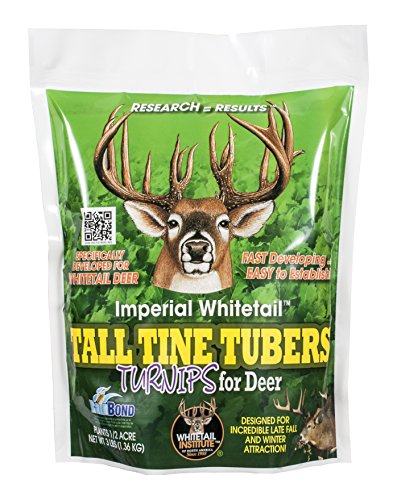
Whitetail Institute Tall Tine Tubers Deer Food Plot Seed
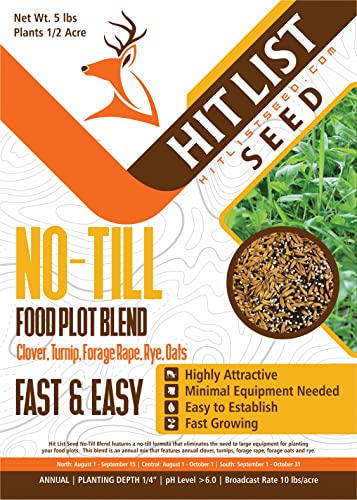
Hit List Seed No Till Food Plot Seed Mix

Whitetail Institute Beets & Greens Deer Food Plot Seed
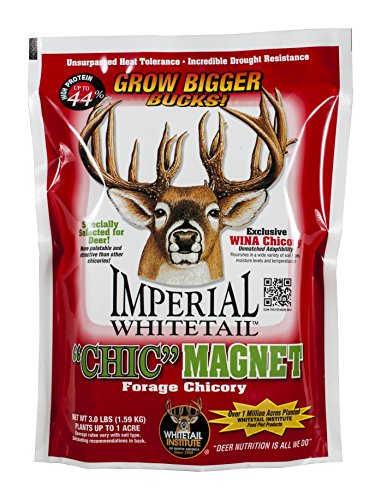
Whitetail Institute Chic Magnet Deer Food Plot Seed
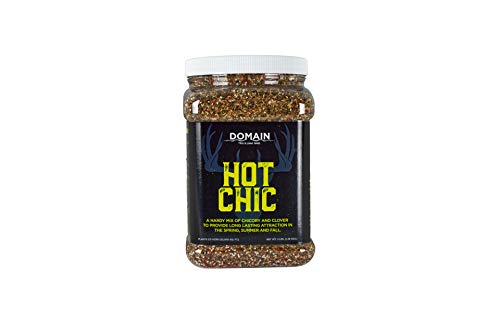
Domain Outdoor Hot Chic Food Plot Seeds
What Each Pick Brings To The Table
For a hunter juggling one main plot across the whole season, the Evolved Harvest 7 Card Stud leans into variety as a hedge. It layers triticale, oats, winter peas, clover, chicory, turnip, and radish into a single bag, so something is usually working whether the plot gets an early shower or a late dry spell. In practice, that means less replanting and a steadier draw on whitetail traffic from bow season through the late firearms push.
For turkey hunters, the early-season clover and chicory tend to pull hens into the plot edge, which can be a useful secondary benefit. The blend is sold in a 10-pound pack (and a three-pack option), and the included species make it forgiving on marginal soils. Compared to the more specialized picks later in this list, the trade-off is depth: no single plant dominates, so peak attraction at any one moment may be lower than a dedicated brassica or chicory plot.
What It Does Well
- Seven forage species spread risk across weather, browse pressure, and soil variability, so a slow-starting clover doesn’t sink the whole plot.
- High-protein grains and brassicas keep does and bucks returning once a feeding pattern locks in.
- The sweet brassica component (turnip and radish) tends to fire hardest in cooler months, useful for late-season retention.
- Adaptable to many regions, which simplifies buying decisions for hunters managing multiple properties in different climates.
Things To Consider
- No single species dominates, so peak attraction at any given window may be lower than a dedicated brassica or pure clover stand.
- Owners commonly report needing a soil test and lime application for the clover and chicory to truly thrive in acidic ground.
Who It Suits Best
Land managers running one general-purpose plot across early, mid, and late hunting seasons will get the most mileage from this blend.
Where Another Pick Suits Better
For hunters with a tiny, shaded clearing far from a tractor, the Whitetail Institute No-Plow covers that same season in a single can without tillage.
Remote plots are usually the ones deer and turkey use the most, which is exactly the problem No-Plow was designed for. If the only way in is an ATV or a walk-in trail and you can find three to four hours of sunlight a day, this 9-pound (.5-acre) annual blend establishes a forage crop without disking, spraying, or a tractor. The seed is built to germinate on rough, exposed ground and still feed deer for a long stretch of the hunting season.
Think of it as the practical pick for a hinge cut, a logging road bend, or a tucked-away clearing that gets hammered with hunting pressure from the main plot. The catch is that a true no-till seedbed still benefits from a rake, a leaf blower, or a chain dragged over the top to give the seed soil contact, so this is not a hands-off miracle. When matched to its real use case, it pulls consistent traffic from deer without dragging equipment into a swamp.
A Few Strong Suits
- Establishes forage on sites a tractor, disk, or sprayer cannot reach.
- The annual blend is formulated for fast germination, helping plots pull deer early in the season.
- Works in partial shade, opening up hidden pockets most tillage-based blends cannot use.
Worth Noting
- Still needs at least a raked or dragged seedbed for solid germination, so some prep work on foot is unavoidable.
- Annual species mean replanting each year, adding to long-term cost on a multi-year plan.
- Less effective in fully shaded or heavily root-bound clearings where the seed cannot reach mineral soil.
Key Product Details
Made For
Land managers working backwoods pockets, swamp edges, and ATV-only clearings where heavy gear simply cannot go.
Consider Something Else When
If the only spot is truly tiny and the access is on foot, the Whitetail Institute Secret Spot is even more compact and adds a soil pH booster for tougher ground.
FUSION pairs Whitetail Institute’s proprietary clover with WINA perennial forage chicory, a combination that aims to fix the two classic weaknesses of a pure clover plot: summer slump and heat stress. Where the Evolved Harvest 7 Card Stud tries to win on species count, FUSION narrows the cast to plants that share a similar management style and protein profile. The result is a denser, more uniform stand with stronger tonnage per acre during the hot months when plain clover often stalls.
Spring or fall planting makes this a flexible choice for hunters who didn’t get their seed down in time, and drought tolerance helps in southern plots where July and August are cruel on shallow-rooted legumes. The chicory component drives much of that heat resistance, and it also gives the plot a longer effective lifespan. Turkey hunters get a quiet bonus: the lush clover-chicory mat pulls insects and offers a steady browse edge that hens check throughout the spring.
A Few Highlights
- Perennial blend keeps producing across multiple seasons, reducing annual seed cost.
- Clover-chicory pairing holds up better in heat and dry stretches than clover alone.
- Denser tonnage per acre typically means heavier daytime browse pressure from does and young bucks.
- Compatible with both spring and fall planting windows for flexible timing.
Trade Offs
- Perennial legumes need a higher pH, so a lime application is usually required before planting in acidic ground.
- Longer establishment timeline before the plot reaches full attraction compared to a fast brassica.
Best Suited To
Hunters building a multi-year food plot focused on summer and early-fall nutrition rather than a quick late-season draw.
Skip It When
For a fast late-season hunt, the Whitetail Institute Winter-Greens brassica fires much sooner after planting.
When the temperature drops and most other forages have either gone dormant or been grazed down, brassicas tend to take over. Winter-Greens is a cool-season brassica blend, available in 3-pound (.5-acre) and 12-pound (2-acre) bags, designed for fall planting and built to stand through frost and even snow. Whitetail Institute fortified the mix with a small amount of their Tall Tine turnip, which gives the plot a sweet bulb component deer seem to key in on once natural browse dries up.
The big draw of this seed is timing. Plant it in late summer and it can be drawing consistent does and bucks right when most clover plots have stopped pushing new growth. Cold tolerance means the greens stay upright and accessible after a hard freeze, and the bulbs remain a carbohydrate source buried under the snow line. In our view, this is the late-season workhorse on a property that already has a clover or chicory plot running for spring and summer.
Positive Takeaways
- Highly attractive to deer in the late season when most other forages have gone dormant.
- Very cold tolerant, with greens that stay accessible even after hard frosts and snow.
- Drought tolerant during establishment, helping in dry late-summer seedbeds.
Points To Note
- Annual blend, so the plot must be replanted each year for continued late-season use.
- Brassicas need proper soil pH and nitrogen to reach full bulb size, which means soil testing and likely lime.
Feature Snapshot
Perfect Match For
Northern and Midwestern hunters who need a reliable late-season draw on a dedicated fall kill plot.
A Better Fit Elsewhere
For warm southern plots where summer heat is the real stressor, the Whitetail Institute FUSION handles drought and heat more naturally.
Secret Spot is built for the smallest, quietest clearings a hunter is willing to crawl into. It pulls together twelve forages chosen for fast attraction in tight kill plots, and it is genuinely plantable with hand tools, a rake, and a backpack spreader. The bag also includes a soil pH booster to help the blend establish in slightly acidic ground, which matters more in a shaded pocket than in an open field.
The honest read is that this blend thrives on stealth. Tucked along a creek bend or in a bedding-area funnel, a small Secret Spot plot often pulls daytime movement when a larger field gets too much hunting pressure. You may find the attraction curve slightly narrower than a full-acre clover plot, since the stand is much smaller, but the location advantage is hard to replicate with a bigger blend.
Useful Strengths
- Twelve-forage mix designed for strong attraction across the hunting season in tiny plots.
- Plantable with hand tools, so it works where tillage and spraying are not options.
- Soil pH booster gives seedlings a head start in slightly acidic clearings.
Honest Caveats
- Annual blend, so the plot must be replanted each season to keep the draw going.
- Best performance still requires exposing bare soil before broadcasting seed.
Whose Shelf It Belongs On
Mobile hunters and run-and-gun bowhunters planting surprise kill plots in hidden pockets the herd already uses.
Reach For A Different Pick When
For a large open field where you can actually run equipment, the Whitetail Institute Tall Tine Tubers pushes much more tonnage per acre.
Tall Tine Tubers is a turnip-heavy brassica blend aimed squarely at the late hunting season, and the selling point is the dual food source: leafy greens up top and bulbous turnips below. The leaves feed deer during the early frosts, and once those are grazed down, the bulbs stay accessible underground through fall and into winter. Bag options are 3-pound (.5-acre) and 12-pound (2-acre), so it scales from a small kill plot to a substantial feeding field.
Whitetail Institute developed this blend around the idea that deer in colder climates key in on sweet, starch-rich bulbs once other food is buried or gone. The result tends to be a very strong rut and post-rut draw, especially in northern states. Compared to Winter-Greens, this is more of a turnip specialist, which means the attraction window is intense but narrower. The honest trade-off is that the bulb crop needs time and decent soil to fully develop.
Benefits That Matter
- Two food sources in one plot, leafy greens and bulbs, that deer use at different points in the season.
- Strong late-season draw for rut and post-rut hunting in northern climates.
- Annual species that establish fast from a late-summer planting window.
Small Caveats
- Heavier on turnips than Winter-Greens, so the attraction curve is narrower.
- Bulbs need adequate soil depth and moisture to fully size up, so shallow or rocky plots underdeliver.
Quick Facts
The Right Fit
Northern and Midwestern hunters running dedicated fall kill plots where late-season attraction is the top priority.
Swap It Out When
For a sweet beet draw on drier fall sites, the Whitetail Institute Beets & Greens spreads the attraction across kale, turnip, radish, and sugar beet.
Hit List Seed’s No Till mix is the closest thing on this list to a true throw-and-grow food plot. The bag combines crimson clover, purple top turnips, forage brassica, forage oats, and rye, and it germinates fast enough that a property owner can get a draw going with little more than a broadcast spreader and a stiff rake. Available in 5-pound and 10-pound sizes, it targets small plots and first-timers who do not want to invest in lime, tillers, or soil work before opening weekend.
The honest read is that this is the entry-level pick in the lineup. It will not outperform a tuned Imperial blend on a well-prepped seedbed, but it lowers the barrier to actually planting a plot, which is often the bigger hurdle. For turkey hunters, the oats and rye give early-spring cover, and the clover component pulls hens once it establishes. The trade-off is longevity: as an annual mix, it must be replanted each year, and germination drops sharply if it is broadcast into thick thatch without any soil prep.
A Favorable Mix
- Quick germinating blend that establishes with minimal equipment.
- Mix of legumes, grains, and brassicas provides attraction from early fall through the first frosts.
- Beginner-friendly packaging and instructions, good for new land managers.
Some Limits To Know
- Annual blend, so replanting each year is required for ongoing attraction.
- Performs noticeably better with at least a light soil prep, even though it markets as no-till.
- Less tuned variety selection than the Whitetail Institute lines for high-pressure, low-pH sites.
Who Will Love This
First-time food plotters, small-property owners, and anyone who wants a quick, low-fuss fall plot without renting equipment.
Another Choice May Suit
For an established property that already has a clover base, layering Whitetail Institute Winter-Greens over the top tends to outperform a basic throw-and-grow.
Beets & Greens leans hard into sugar content, mixing proprietary kale, turnip, and radish varieties with sweet sugar beets. The 3-pound bag covers roughly half an acre, and the blend is formulated to attract and hold deer across the fall and into winter. Sugar beets give the plot a long-window carbohydrate source underground, while the kale, turnip, and radish offer a continuous leafy browse above.
On pressured land where deer have seen every standard brassica before, the sugar beet tends to be the differentiator. The sweet, energy-dense root crop is the kind of change-up a wary herd notices, and it often produces strong daylight movement. Compared to a turnip-only blend, this one spreads attraction across more plant types, which can help when browse pressure is high. The honest trade-off is that sugar beets need decent soil depth to bulb up properly.
The Practical Payoff
- Sugar beets add a sweet, calorie-dense food source other brassica blends often lack.
- Mix of kale, turnip, and radish keeps leafy browse available across a long fall window.
- Strong draw on pressured properties where deer have grown wary of standard brassica plots.
Factors To Consider
- Annual blend, so replanting is required to maintain the late-season draw.
- Sugar beets need adequate soil depth to develop full bulbs, so rocky or shallow plots may underdeliver.
Feature Card
Built With In Mind
Hunters running fall food plots on heavily hunted properties where a sugar beet component changes the pattern.
Look Elsewhere When
If you want a multi-year stand instead of an annual, the Whitetail Institute Chic Magnet perennial chicory avoids the yearly replant cycle.
Chic Magnet is built around WINA-100 perennial forage chicory, a softer, more tender chicory than older waxy varieties. The seed is coated with Rainbond for stronger seedling survivability, and the mature stand delivers very high protein content that supports antler growth through the summer stress period. A 3-pound bag covers roughly one acre, and a single planting can stay productive for up to three years.
This is the perennial low-maintenance option in the lineup, and the honest read is that it pairs especially well with clover for a layered summer plot. Where the FUSION blend mixes chicory with clover for variety, Chic Magnet goes pure chicory to maximize tonnage and longevity. Heat, cold, and drought tolerance come standard with WINA-100, which matters on southern plots where summer is the killer. The trade-off is that pure chicory has a narrower window of peak attraction than a multi-species blend, and it benefits from rotational mowing or grazing management.
The Case For It
- Perennial chicory that can stay productive for up to three years from a single planting.
- High protein content supports antler growth during summer and early fall.
- Strong tolerance to heat, cold, and drought, useful across a wide geography.
- Rainbond seed coating helps seedlings establish in tougher seedbeds.
Practical Considerations
- Pure chicory stand has a narrower peak attraction window than a multi-species blend.
- Best performance comes with rotational mowing or controlled grazing to keep plants tender.
Who Should Grab It
Landowners building a multi-year summer protein plot who want to skip the annual replant cycle on at least one field.
Not Your Match When
For a season-long plot that needs both early and late attraction, the Evolved Harvest 7 Card Stud’s species spread is a better fit.
Domain Outdoor’s Hot Chic is built for the property owner who has stared at a soil test and seen a pH that would burn most clover blends. The bag combines chicory with two clover varieties into a hardy perennial mix that tolerates acidic soils, withstands drought, and crowds out competing weeds during establishment. The 3-pound jug covers roughly half an acre, and the seed can go in during spring or fall, which is useful when the calendar and the weather don’t agree.
This is the new-plot pick on the list, and it shows. For hunters breaking ground on a freshly logged clearing or a previously neglected field, the soil tolerance gives a margin of error that more demanding blends do not. Perennial lifespan means the plot can keep producing for several years without reseeding, and the chicory content keeps browse attractive into the heat of summer. The honest trade-off is that establishment is slower than a brassica, so the first fall hunt on a new plot may be quieter than expected.
A Strong Showing
- Tolerates acidic soils, opening up new plots where clover alone would struggle.
- Drought tolerance helps on thin, rocky, or southern sites with poor moisture holding.
- Perennial blend that can keep producing for several years from a single planting.
- Spring or fall planting window gives flexibility on timing.
Less-Strong Areas
- Slower establishment than a brassica, so the first-season draw may feel light.
- Reusable jug packaging is convenient, but the half-acre coverage is modest for larger fields.
Right Fit For
Landowners establishing a new food plot on acidic or marginal soils who want a multi-year perennial stand without major soil amendments.
Where A Sibling Pick Shines
For a hotter, more aggressive late-season draw, the Whitetail Institute Beets & Greens outperforms on a well-prepped seedbed.
Plot Planning Basics Worth Getting Right
Building a food plot that actually pulls deer and turkey starts with honest answers to a few site questions before opening a seed bag. Sunlight exposure, soil pH (a measure of how acidic or alkaline your soil is, on a 0-14 scale), equipment access, and the hunting season you most want to influence all matter more than the brand on the front of the bag.
Match The Seed To The Season You Hunt
The biggest split in this category is between annuals and perennials. Annuals like brassicas, rye, and oats establish fast and burn hot during a narrow window, then need to be replanted. Perennials like clover and chicory take longer to peak but keep producing across multiple years. A property with both spring and fall hunting pressure usually does best with a perennial base for summer and early fall, layered with an annual brassica for the late season.
Account For Equipment Access Before You Buy
A tractor and a disk open up tillage-based blends and unlock higher tonnage, but most food plot acreage in the country is reachable only by ATV or on foot. No-till and throw-and-grow blends exist specifically for those sites, and they trade peak yield for the ability to plant where heavy gear cannot go. The honest read is that matching the seed to your access is usually more important than chasing a higher-performing blend on a site you cannot actually plant.
Do A Soil Test, Even A Basic One
Perennial legumes and most brassicas want a pH in a fairly narrow range to truly thrive, and lime applications take months to work. A basic soil test kit removes the guesswork and lets you match the seed to the soil you have, or at least know what amendments to plan for. Plots planted into acidic ground without testing tend to establish thin stands, which then get overrun with weeds before the seed can take hold.
Common Pitfalls And Where The Extra Money Goes
Pitfalls Shoppers Hit
The most common food plot mistake is buying a premium perennial blend for ground that was never limed, then watching the seed germinate and stall in acidic soil. Another frequent slip is treating a throw-and-grow seed as a substitute for any soil prep, when most still benefit from a raked seedbed. A third trap is planting too small a plot to handle local browse pressure, where the herd grazes it down before it can establish.
When Paying More Pays Off
Higher-tier blends in this category typically buy stronger variety genetics, coatings that protect seedlings, and a longer productive lifespan. A perennial chicory like the Whitetail Institute Chic Magnet is a good example: the upfront cost is higher than a one-season annual, but the plot keeps producing for up to three years. The case for spending up is strongest when the soil is well prepped, the site is well chosen, and the seed will actually get the management it needs to reach full potential.
Frequently Asked Questions
How long does a typical food plot seed take to germinate?
Most brassica and rye blends germinate within five to ten days under adequate moisture, while clover and chicory can take two to three weeks to emerge and longer to reach full attraction.
Can I plant food plot seed without tilling the ground?
Several blends in this category are designed for no-till or throw-and-grow planting, but they still need exposed soil for solid seed-to-soil contact, so a rake, drag, or spray is usually part of the process.
How much seed do I need per acre?
Coverage varies by blend, but most .5-acre bags on this list cover roughly half an acre, with larger bags sized for one to two acres, so the bag label is the most reliable guide.
Will turkeys use the same food plot as deer?
Yes, clover and chicory plots are particularly attractive to turkey hens in spring and summer, and the leafy greens in brassica blends can draw turkeys as well, though deer are usually the heavier users.
How often do perennial food plots need to be replanted?
Perennial blends like chicory and clover can stay productive for two to four years depending on management, while annual brassicas need to be replanted every fall for continued attraction.
Closing Remarks
The right food plot seed depends less on the brand name and more on the soil under your boots, the equipment you can get to the site, and the season you most want to influence. Spend a few minutes with a soil test and a clear hunting plan, and the choice between these ten options tends to make itself.
