

Sandy soil drains fast, dries out, and rarely holds the organic matter that brassicas and clover dream about. Picking seed for it means focusing on deep-rooted varieties that chase moisture, tolerate low fertility, and germinate in loose, gritty ground. Land managers and weekend hunters planting on coastal scrub, pineywoods, or reclaimed sandy lots will find a shortlist that actually fits those conditions.
How The Shortlist Stacks Up

Evolved Harvest 7 Card Stud Adaptive Food Plot Seed

Whitetail Institute No-Plow Deer Food Plot Seed

Whitetail Institute FUSION Deer Food Plot Seed

Whitetail Institute Winter-Greens Deer Food Plot Seed

Outsidepride Purple Top Turnip Seeds 5 Lb
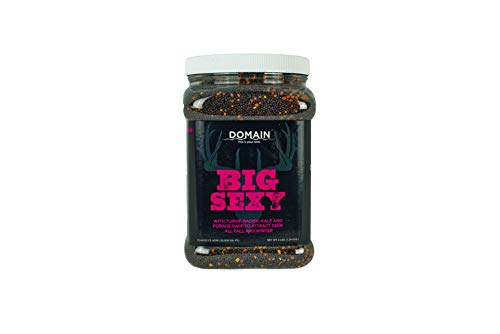
Domain Outdoor Big Sexy Food Plot Seed

Whitetail Institute Secret Spot Deer Food Plot Seed
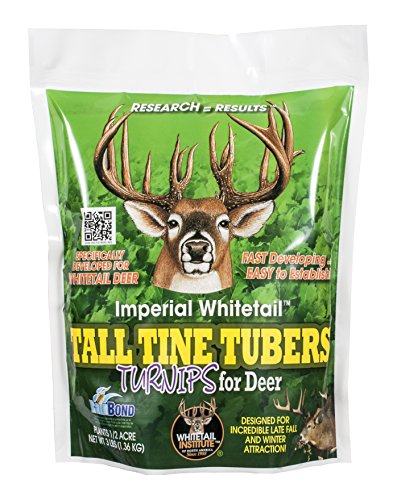
Whitetail Institute Tall Tine Tubers Deer Food Plot Seed
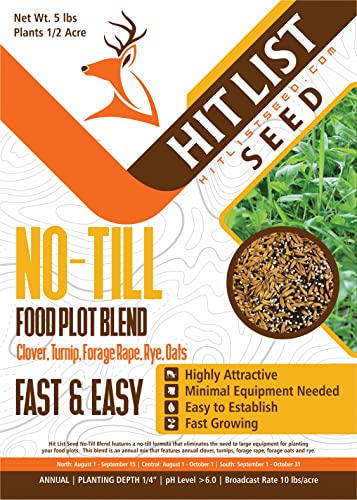
Hit List Seed No Till Food Plot Annual Mix

Whitetail Institute Beets & Greens Deer Food Plot Seed
Meet The Standout Selections
Sandy ground rewards seed mixes that hedge their bets, and the Evolved Harvest 7 Card Stud Adaptive Food Plot Seed pulls seven species into one jug for exactly that reason. Triticale, oats, and rye build a deep fibrous root mat, while winter peas, clover, and chicory fix nitrogen in lean, washed-out subsoil. Turnips and radishes handle the bulk taproot work, pushing through crusty sandy layers that often stop smaller brassicas cold.
Available in 10-pound bags, it covers roughly a half acre to a full acre depending on how heavy you seed. For a hunter managing a single edge plot on a coastal tract, this is the kind of “set and forget” mix that doesn’t punish you for skipping a soil test.
The Practical Payoff
- Seven-way blend covers early, mid, and late season attraction in one pass
- Deep-rooted species (radish, turnip, chicory) tolerate fast-draining sandy profiles
- Higher protein and mineral content support antler growth and herd health
- Adapts to varied climates, so it works across the southern Coastal Plain and northern pine belts alike
- Single-jug format makes it easy to spread without a planter
Things To Consider
- Owners commonly report spotty germination in dry summers without supplemental irrigation
- Annual components mean you’ll need to re-seed yearly for consistent attraction
Key Specs
Right Fit For
Weekend hunters managing one or two plots across multiple climate zones who want a single mix that draws deer from early fall straight through late winter.
Look Elsewhere When
Whitetail Institute No-Plow is a smarter call for tiny hidden plots where a four-wheeler can’t reach and a tractor isn’t an option.
The Whitetail Institute No-Plow Deer Food Plot Seed earns its place on any sandy-soil list because it removes the one barrier most weekend hunters hit: equipment. Designed for areas accessible only by ATV or boot, it germinates fast in plots that get as little as three to four hours of sun a day. A 9-pound bag covers roughly half an acre, which is right in the sweet spot for the kind of tucked-away opening a bulldozer can’t reach.
The annual blend tolerates the low organic matter of sandy ground, though you’ll see the best response in a spot where the previous litter layer is still partly intact. For first-timers and busy land managers, it removes a lot of the planning headaches.
Real Benefits
- No disking or tilling required, which protects loose sandy topsoil from wind erosion
- Establishes quickly, putting green forage on the ground within weeks
- High-protein annual holds attraction for up to nine months in milder climates
Worth Noting
- Annual species must be replanted each year for consistent attraction
- Shade below three to four hours of sun may produce thin stands
- Seed is optimized for broadcasting, not drilling in rows
Best Suited To
Hunters planting small, remote plots behind locked gates or in cuts that a tractor simply cannot reach.
Consider Something Else When
Whitetail Institute Secret Spot is a better match when the planting area is tiny and slightly acidic, since it includes a soil pH booster to improve early growth.
Perennials make sense on sandy ground if you pick species that don’t mind heat, cold, and dry summers. Whitetail Institute FUSION Deer Food Plot Seed pairs proprietary clover with WINA perennial forage chicory, which sends a deep taproot down into subsoil moisture other clovers never reach. The result is a plot that comes back for multiple seasons without annual re-seeding.
It plants in either spring or fall, giving sandy-soil managers flexibility around rainy windows. The 9.25-pound bag covers 1.5 acres, and the smaller 3.15-pound option fits food plots roughly half that size. Compared to the brassica-heavy No-Plow, this is the slow-and-steady option that keeps drawing does through summer stress when other plots have gone dormant.
Features That Help
- Heat, cold, and drought tolerance for the temperature swings of sandy open ground
- Perennial blend returns for several seasons, reducing yearly seed costs
- Clover and chicory together produce more tonnage than either alone
Trade Offs
- Establishes more slowly than annual brassicas, so don’t expect instant attraction
- May need mowing a couple of times per season to keep weeds from crowding young plants
Quick Facts
Who Should Grab It
Land managers willing to invest in a multi-year perennial plot and who manage larger sandy openings with reasonable equipment access.
A Better Fit Elsewhere
Outsidepride Purple Top Turnip Seeds work better for plot owners focused on one fast fall rotation rather than a long-term perennial stand.
Cold late-season plots in sandy soil demand brassicas that don’t turn to mush at the first hard freeze. Whitetail Institute Winter-Greens Deer Food Plot Seed leans on a blend of WINA brassicas that stay standing through frost and snow, including a touch of the institute’s Tall Tine turnip for bulb production. You plant it in fall, let it establish before the first freeze, and the leafy tops hold their sugar content well into January.
Bag options run 3 pounds for a half acre or 12 pounds for 2 acres, which makes it easy to size for whatever opening you’ve cleared. Compared to the FUSION clover blend reviewed earlier, this is purely an attraction-and-hold tool for the late season rather than a year-round nutrition base.
Advantages To Know
- Tolerant of cold and drought, the two stress factors sandy soils deliver hardest
- Stays tall above snow so deer can find forage when other food is buried
- Annual brassica growth is fast, with green tops usually ready within 60 to 90 days
Some Limits To Know
- Annual only, so it requires replanting each fall
- Heavy grazing pressure can wipe out small plots before season ends
Whose Shelf It Belongs On
Late-season hunters in the North and upper Midwest who need a cold-hardy brassica on a sandy ridge or a cutover.
Reach For A Different Pick When
Domain Outdoor Big Sexy suits southern hunters better, since its kale and forage rape hold well in mild coastal winters without bolting.
Sometimes the smartest seed choice on sandy ground is the simplest one. Outsidepride Purple Top Turnip Seeds deliver a 5-pound bag of a single workhorse brassica that thrives in well-drained soil. The deep purple-shouldered bulbs break up compacted layers and pull nitrogen from deeper in the profile, which doubles as a cover-crop benefit for the following season.
You’ll plant it in late summer or early fall, and the leafy tops combined with bulb forage give deer two food sources from one seeding. The 5-pound size covers a sizable half-acre-plus plot, which keeps cost per acre low compared to the multi-species blends higher on this list.
Everyday Advantages
- Single species makes germination and weed competition easier to read
- Tolerates a wide range of soils, including the loose, dry, sandy profiles other brassicas struggle in
- Doubles as a cover crop, improving organic matter and breaking hardpan
- High protein and energy content for fall and early winter attraction
Points To Note
- Monoculture is more vulnerable to pest outbreaks than multi-species blends
- Without a grass or legume in the mix, soil can wash during summer fallow periods
Who It Suits Best
Cost-conscious land managers who want a high-volume brassica plot and don’t mind a single-species approach.
Swap It Out When
Whitetail Institute Tall Tine Tubers makes more sense when you want leafy greens plus bulbs in a research-tested package.
The Domain Outdoor Big Sexy Food Plot Seed earns its name honestly. Each reusable 3-pound jug covers half an acre, and the four-species blend is built around leafy bulb producers like turnip and radish with kale and forage rape filling in the canopy. Sandy ground responds well to the diversity, since some species will always outperform others in any given microclimate.
Cold tolerance is the headline feature, which makes this a good fit for hunters running late-season food plots on sandy ridges across the lower Midwest and Mid-South. You can broadcast by hand or with a small spreader, and the resealable jug keeps leftover seed viable for the next patch.
Well-Handled Touches
- Reusable container keeps seed fresh between seasons
- Four-species diversity reduces risk if one species fails to establish
- Fast germination, with green growth typically visible within a couple of weeks
Honest Caveats
- Annual only, so the plot needs re-seeding every fall
- Half-acre bag size means a bit of math for plots that don’t divide cleanly
Perfect Match For
Hunters running a few smaller plots in the same hunting area who want a quick-establishing, cold-hardy brassica mix.
Where Another Pick Suits Better
Whitetail Institute Winter-Greens is a smarter match for very cold northern sites where forage rape can winterkill.
Most food plot seeds assume you have a tractor, a tiller, or at least a chainsaw brush hog. The Whitetail Institute Secret Spot Deer Food Plot Seed skips all of that. It’s built for those tucked-away pockets where you clear a few saplings, scratch the soil with a rake, and broadcast seed by hand. The 12-forage blend includes a soil pH booster, which matters on sandy ground that’s often slightly acidic and depleted of calcium and magnesium.
You clear the existing vegetation, expose bare soil, ensure good seed-to-soil contact, and let the mix do the rest. For a hunter with a single, hard-to-reach hidey-hole, this is a focused, no-pretense tool.
Strengths Worth Knowing
- Twelve forage species spread attraction risk across weather and browsing pressure
- Built-in pH booster helps establishment in sandy, slightly acidic soils
- Hand tools and a rake are all you need, with no mechanical prep required
Practical Considerations
- Annual blend must be re-seeded each year for ongoing attraction
- Smaller bag coverage means you need to plan carefully for non-rectangular plots
Feature Snapshot
Made For
Solo hunters maintaining one or two small kill plots in rugged, equipment-free terrain.
Not Your Match When
Whitetail Institute No-Plow is a better fit if you want similar low-prep convenience but also need a high-protein annual that holds attraction for up to nine months.
Turnip plots can do double duty on sandy ground: leafy tops feed deer early, and the bulbs keep producing forage long after frost. Whitetail Institute Tall Tine Tubers Deer Food Plot Seed was developed over six years of field research, and the result is a turnip blend that gives hunters two distinct food sources in one seeding. The leafy greens stay accessible above the snow line, while the bulbs sit just below the surface for late-season digging.
Bag options cover half an acre (3 pounds) or 2 acres (12 pounds). The deep taproots also work as natural subsoilers, which helps sandy plots that have started to crust over from years of tillage or heavy rain.
Strong Points
- Two food sources, leafy greens and bulbs, from a single planting
- Deep taproots help break up sandy hardpan layers
- Tested by Whitetail Institute for whitetail preference over time
Small Caveats
- Annual, so it must be replanted each fall
- Smaller-seeded varieties may struggle in plots with heavy weed competition
Right Fit For
Hunters who want a focused turnip plot in a mid-sized opening and value a longer window of attraction through the cold months.
Skip It When
Outsidepride Purple Top Turnip Seeds are a more cost-effective single-species option if you need a larger acreage on a tighter budget.
If you want the lowest possible barrier to entry on a sandy plot, the Hit List Seed No Till Food Plot Annual Mix delivers exactly that. Crimson clover, purple top turnips, forage brassica, forage oats, and rye make up a balanced throw-and-grow blend that germinates quickly and establishes without a tractor. The 5-pound bag is sized for smaller plots, with a 10-pound option available for larger areas.
You clear the existing vegetation, expose bare soil with a rake or light disc, broadcast the seed, and let rain do the rest. For first-timers who aren’t sure where to start, this is a low-risk introduction to food plotting on sandy ground.
Where It Delivers
- Broadcast-and-grow simplicity for hunters without planting equipment
- Diverse blend offers flexibility across weather conditions
- Works in both early and late season depending on planting date
Worth Bearing In Mind
- Annual mix requires yearly re-seeding for consistent attraction
- Smaller plot coverage per bag means more frequent seed orders
- Without proper seed-to-soil contact, germination can be uneven
Who Will Love This
New land managers and first-time food plotters working small sandy openings who want a forgiving, low-prep mix to learn on.
Where A Sibling Pick Shines
Whitetail Institute FUSION is the smarter move once you’re ready to invest in a multi-year perennial stand that requires less annual reseeding.
Sugar content is what draws deer back to a plot, and the Whitetail Institute Beets & Greens Deer Food Plot Seed leans hard into that fact. Sugar beets deliver a high-energy root crop, while the institute’s proprietary kale, turnip, and radish varieties round out the buffet with leafy greens and bulbs. Sandy ground drains well, which sugar beets actually prefer, so this blend tends to thrive where heavier brassicas sometimes stall.
The 3-pound bag covers half an acre and is sized for the kind of fall hunting plots that get hammered by deer pressure. Compared to the Big Sexy mix reviewed earlier, the addition of sugar beets gives this one a sweeter attraction profile, which can be the difference on a heavily hunted tract.
Useful Touches
- Sugar beets deliver a high-energy food source deer can detect from a distance
- Proprietary kale, turnip, and radish varieties round out seasonal attraction
- Performs well in well-drained soils where other brassicas struggle
A Few Limitations
- Annual blend must be replanted each fall for consistent results
- Smaller bag size may require multiple orders for larger plots
Built With In Mind
Hunters managing fall food plots on sandy coastal or pineywoods tracts where sugar content drives the early season traffic.
Another Choice May Suit
Whitetail Institute Tall Tine Tubers is a stronger fit when you want dual leafy and bulb forage in a longer, heavier-bulb turnip stand.
Picking The Right Blend For Sandy Ground
Sandy ground punishes seed that depends on moisture and fertility staying put. The right pick comes down to three things: how deep the species can root, how well it tolerates heat and dry stretches, and whether the planting window matches your equipment.
Sandy soils lose water fast, so brassicas with bulb-forming taproots (turnip, radish, sugar beet) tend to outperform shallow-rooted clovers unless you’re prepared to manage moisture with irrigation. For a plot that needs to last multiple seasons, perennial blends like FUSION pair clover with chicory for a deep-reaching stand. Annual mixes, including No-Plow, Beets & Greens, and Big Sexy, give faster attraction but require re-seeding each year. Soil pH matters more than most plot owners realize, since sandy ground often runs acidic and locks out key nutrients; the Secret Spot blend builds in a pH booster for exactly that reason.
Climate and Region Fit
Match the seed to your growing season. Northern hunters on sandy ridges want cold-tolerant brassicas like Winter-Greens that stand tall above snow. Southern and coastal hunters running sandy longleaf or pineywoods tracts need heat- and drought-tolerant species, which is where FUSION, Big Sexy, and Beets & Greens earn their place. If your hunting area covers a wide temperature range, the seven-species Evolved Harvest 7 Card Stud spreads risk across the whole calendar.
Plot Size and Equipment Access
Bigger plots with tractor access support drilled clover and chicory stands. Smaller, remote plots accessed only by ATV or boot call for broadcast-friendly no-till options like No-Plow or Secret Spot. The 9-pound No-Plow bag covers roughly half an acre, while the 5-pound Hit List mix gives beginners a manageable starting size without committing to a large spend.
Annual vs. Perennial Cost
Annual blends need re-seeding every year, which adds up across multiple plots. Perennials like FUSION cost more upfront but spread that cost over three to five seasons. On sandy ground, perennials can also improve soil structure and organic matter over time, which compounds the value of the initial investment.
Key Considerations Across These Picks
Pitfalls Shoppers Hit
Sandy-soil food plotting has a few recurring traps. The biggest is planting shallow-rooted species without irrigation, which leaves you with bare ground by midsummer. The second is skipping a soil test, because sandy ground often hides low pH and missing micronutrients that brassicas and clovers need to thrive. Finally, over-seeding in a small plot can crowd seedlings before they establish, especially in fast-germinating annuals like No-Plow or Beets & Greens.
Where The Extra Money Goes
Premium blends like Whitetail Institute FUSION and Secret Spot charge more because the seed varieties are proprietary and selected for whitetail preference, not just generic forage performance. Higher-tier mixes also tend to include pH boosters, coatings, or seed treatments that improve establishment in marginal soils. The premium pays off most on smaller plots where every square foot needs to produce, and on heavily hunted tracts where you can’t afford a thin stand.
Frequently Asked Questions
Do food plot seeds actually grow in sandy soil?
Yes, but the species matters. Sandy ground favors deep-rooted brassicas, clovers, and chicories that can chase moisture below the surface, while shallow-rooted forages often stall without supplemental irrigation. Picking seed with built-in drought tolerance is the simplest path to a reliable stand.
Should I lime sandy soil before planting food plots?
Most sandy soils benefit from lime to bring pH into the 6.0 to 7.0 range, especially for clover and chicory stands. Without a soil test, applying lime based on past experience can over-correct, so a basic test before planting is worth the small effort.
When is the best time to plant food plot seeds in sandy soil?
Fall plantings of brassicas usually go in 60 to 90 days before your first expected frost, while clover and chicory blends can be planted in either spring or fall. Sandy ground warms quickly in spring but dries out fast, so timing your planting just ahead of a soaking rain makes a real difference.
How much seed do I need per acre on sandy ground?
Most annual brassica blends call for 8 to 12 pounds per acre, while perennial clover and chicory blends usually need 4 to 8 pounds. Sandy ground often benefits from slightly higher seeding rates to compensate for the loss of smaller seeds to dry conditions.
Can I plant food plot seeds without tilling?
No-till blends like Whitetail Institute No-Plow, Secret Spot, and the Hit List No Till mix are designed for broadcast planting on exposed soil. They work best when you’ve cleared competing vegetation first and ensured good seed-to-soil contact through raking or dragging.
The Takeaway
Sandy soil rewards seed choices that respect how it drains, dries, and shifts through the seasons. The picks on this list cover everything from large perennial stands to tiny hand-planted kill plots, so the right call depends on plot size, equipment, and the kind of attraction window you’re trying to build. Start with a soil test, match the species to your climate, and let the seed do the work.
