

Feeding a Venus fly trap looks simple until you actually own one. Indoor plants rarely catch enough gnats on their own, and tossing in random kitchen scraps or generic fertilizer burns roots and kills traps. The fix comes down to three matching choices: the right low-mineral substrate, a dedicated fertilizer, and a clean source of live or dried food your plant can actually digest.
This roundup pulls together the soil blends, foliar sprays, dried insect feeds, and full starter kits that match how fly traps grow in the wild. Each pick comes with a real trade-off noted, so you can match the option to your setup rather than guess.
The Choices Worth Comparing
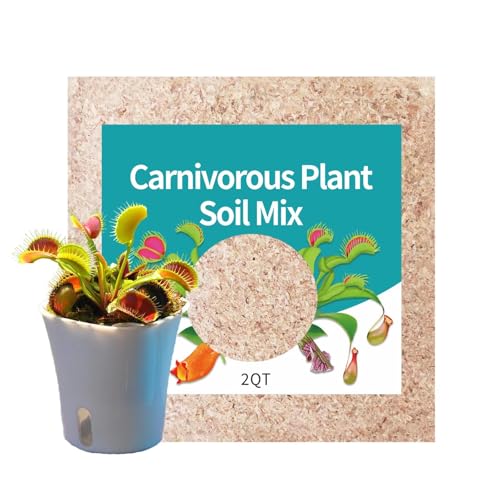
Yilotuce 2 Qt Carnivorous Plant Soil Mix

HiThrive Venus Fly Trap Fertilizer Drops 4oz
E SUPEREGROW Smart Terrarium with Fan and Timer

Fluker’s Grub Bag Calcium-Fortified Mealworms 3oz

Soil Sunrise Dried Mealworm Plant Food 1oz

Omitgoter Premium Carnivorous Plant Soil 1qt

Nature Gift Store Live Fly Trap with Terrarium

GARDENWISE Organic Marina Mist Kelp Spray 8oz

Fluker’s Fresh Feeder Vac Pack Variety Mix 0.7oz

HiThrive Tropical Fertilizer Spray 4oz
The Picks, Examined More Closely
Setting up a new fly trap usually starts with the soil, and this Yilotuce blend takes the guesswork out of the first repotting. The two-quart bag pairs sphagnum moss chips with perlite, which is the classic mineral-light, airy combo fly traps need. Sphagnum holds the steady moisture these bog plants crave, while perlite keeps the root zone from compacting into a soggy brick.
If you keep more than one carnivorous plant, the bag volume spreads across several small pots without running dry mid-repot. Compared to plain peat, the moss chips tend to rewet evenly after a dry spell, which matters in homes with low humidity. For most indoor growers, it lands as a sensible first soil.
A Strong Showing
- Mineral-light blend, safe for sensitive fly trap roots
- Moss chips rewet easily after dry stretches
- Two-quart size covers multiple small pots
- Ready to use straight from the bag, no mixing required
Things To Consider
- Open bag should be sealed tightly to keep perlite dry
- Smaller particles may compact in deep, narrow pots over time
Key Specs
Who It Suits Best
First-time owners repotting a new arrival into a proper bog-style mix benefit most from this straightforward, no-fuss substrate.
Where Another Pick Suits Better
Plant collectors juggling pitcher plants, sundews, and butterworts in one tray may prefer the Omitgoter Premium Carnivorous Plant Soil for its wider ingredient spread.
Most people want a simple way to feed a hungry fly trap, and the HiThrive drop format cuts the measuring step. Each dose delivers nitrogen and soluble potash, two macronutrients (the headline nutrients plants need in the largest amounts) that support leaf growth and root resilience. The bottle is small enough to keep near the plant, and the drops dissolve into your usual watering can.
For indoor growers who forget to chase bugs around the house, this becomes a low-effort feeding routine. The formula stays gentle enough for weekly use during active growing months. Compared to the HiThrive spray version covered later, this one leans toward soil application, which suits people who already bottom-water their plants.
Everyday Perks
- Pre-measured drops remove any guesswork
- Two macronutrients cover the basics of active growth
- Compact bottle fits neatly on a plant shelf
- Mixes easily into a standard watering routine
Points To Note
- Designed for supplement feeding, not a replacement for live insects
- Bottle should be stored away from direct sun to keep the formula stable
Right Fit For
New owners who want a measured, soil-applied feeding step without tracking bug harvests benefit most from this format.
Swap It Out When
Anyone who prefers foliar feeding (spraying nutrients directly onto the leaves) will find the HiThrive Tropical Fertilizer Spray easier to work into a daily routine.
Fly traps sulk in stagnant air, which is why the E SUPEREGROW terrarium caught attention with a built-in ventilation fan. A quiet fan keeps air moving across the leaves, lowering the risk of fungal spots that show up in still, humid enclosures. The transparent cover and LED grow light give the plant a steady day-night rhythm without a sunny windowsill.
The timer function removes the daily on-off habit, which is genuinely helpful for office desks and bedrooms. A mini grow setup like this earns its keep in apartments with weak natural light. Against the open-pot approach most growers use, the trade-off is less ambient airflow, so the fan matters.
Advantages To Know
- Integrated fan keeps air moving across leaves
- Built-in light supports growth in dim rooms
- Timer automates the lighting cycle
- Clear cover doubles as a display case
Soft Spots
- Enclosed space needs occasional wipe-downs to prevent mineral spots on the cover
- Compact size limits the plant to a single juvenile fly trap
Feature Snapshot
Made For
Office growers and apartment dwellers with limited natural light get the most from a self-contained environment like this one.
Look Elsewhere When
Owners planning a multi-plant collection should pick the Nature Gift Store Live Plant with Terrarium bundle for a more traditional open setup.
Sharing a pantry between a fly trap and a bearded dragon usually ends with one bag that does both jobs, and the Fluker’s Grub Bag fits that brief. The dried mealworms are calcium-fortified, all-natural, and need no refrigeration, so they sit in a closet until the next feeding. A fly trap only needs a small piece per trap, so a 3 oz pouch lasts through many sessions.
For households that already keep insect-eating reptiles, the dual-purpose appeal is real. Compared to plain dried mealworms, the added calcium nudges the nutritional profile closer to what whole prey would offer. The honest trade-off is portion size: a single fly trap uses tiny pieces, and the rest of the bag lives for the gecko.
Practical Advantages
- Calcium boost supports stronger plant tissue over time
- Shelf-stable, no fridge space required
- Shares a single bag across plant and pet routines
- Resealable pouch keeps dried worms from going stale
Honest Caveats
- Hard exoskeletons need softening in water before feeding traps
- Calcium enrichment adds minerals some purists prefer to avoid
Best Suited To
Multi-pet homes with a bearded dragon or leopard gecko alongside a fly trap get the most mileage from this shared bag.
Reach For A Different Pick When
Single-purpose growers who want a pure dried mealworm with no added nutrients may prefer the Soil Sunrise Dried Mealworms instead.
Some growers want a stripped-down feed with nothing added, and Soil Sunrise keeps the ingredient list to one item. The 1 oz pouch of freeze-dried mealworms works for fly traps, pitcher plants, and sundews, which is helpful for a mixed carnivorous shelf. Each trap only needs a partial worm, so the small bag covers a long stretch of feeding sessions.
The clean profile is the real draw for owners who are wary of additives around sensitive bog plants. The trade-off shows up in convenience: dried worms rehydrate slowly, so a short water soak before feeding helps the trap seal properly. For most indoor setups, that small extra step is worth the purity.
A Favorable Mix
- Single-ingredient list with no additives or preservatives
- Compatible across fly traps, pitcher plants, and sundews
- Compact 1 oz size fits easily in a plant supply drawer
- Shelf-stable format works for travel and dorm rooms
Trade Offs
- Hard texture needs a quick water soak before feeding
- Smaller pouch means more frequent repurchasing for big collections
Perfect Match For
Purist growers who want a clean, single-ingredient dried feed for sensitive bog plants benefit most from this format.
Consider Something Else When
Anyone running a shared plant and reptile household may prefer the Fluker’s Grub Bag for its calcium-fortified, resealable pouch.
Long-term collectors tend to outgrow simple two-ingredient soils, and the Omitgoter blend answers that next step. The mix layers peat moss, perlite, sphagnum moss, and horticultural sand, giving roots a wider range of textures to grip. The added sand helps drainage in deeper pots where water tends to settle.
This sits a tier above the Yilotuce option for owners juggling several carnivorous species. Drainage is the headline feature, which matters in trays that hold water for the tray-watering method. The honest read is that this is more soil than a single fly trap needs, so small households may not finish a full quart before the next repotting cycle.
What It Does Well
- Four-component blend supports drainage and root grip
- Higher airflow reduces rot risk in tray-watered setups
- Mineral-light ingredients suit a wide range of carnivorous plants
- Texture variety suits both small and mature root systems
Small Caveats
- Quart size is more than a single fly trap will use in one season
- Sand particles can shift during transport, so fluff the bag before potting
At A Glance
Whose Shelf It Belongs On
Collectors running mixed carnivorous trays with pitcher plants and sundews alongside fly traps will appreciate the wider ingredient spread.
A Better Fit Elsewhere
Single-plant households starting with one fly trap will find the Yilotuce 2 Qt Carnivorous Plant Soil Mix a more efficient use of the bag.
For anyone buying their first fly trap, the Nature Gift Store bundle skips the hardest early step: finding a starter feed. The 4.5 inch blue terrarium ships with a young plant carrying at least three active traps, plus a small portion of dried fly larvae. The clear walls turn the setup into a display piece rather than just a pot on a shelf.
The catch is timing: live plants don’t ship well in extreme temperatures, and the listing warns against ordering below 40°F or above 85°F in your area. That temperature window rules out winter porch deliveries in cold climates. For most indoor placements and mild shipping weeks, though, the all-in-one approach removes a lot of beginner friction.
Why It Works Well
- Bundled dried fly larvae covers the first weeks of feeding
- Glass terrarium doubles as a display case
- Plant ships with multiple ready-to-fire traps
- Compact 4.5 inch size fits a desk or windowsill
Where It Is Less Suited
- Temperature-sensitive shipping rules out harsh winter and summer weeks
- Bundled food amount is small, so plan a refill source early
Built With In Mind
First-time plant parents who want a single, complete starter package benefit most from this all-in-one bundle.
Not Your Match When
Growers in regions with shipping temperature swings may prefer starting with a plant from a local nursery and the Soil Sunrise Dried Mealworms separately.
Kelp-based plant foods have a long track record in horticulture, and the GARDENWISE Marina Mist leans into that heritage. The foliar spray (a fertilizer misted directly onto the leaves rather than poured into the soil) draws from Ascophyllum nodosum seaweed, a source of trace minerals, amino acids (the small building blocks plants use to grow), and natural growth hormones. The 8 oz bottle lasts through many light mistings across a small collection.
This is the option for growers who want to skip synthetic macronutrients entirely. The spray format suits people who already mist their bog plants for humidity. The trade-off shows up in concentration: a kelp feed is gentle, so results are slower than the HiThrive drop formula, depending on the season.
Points In Its Favor
- Seaweed base provides a wide trace mineral profile
- Foliar format doubles as a humidity boost on dry days
- Compatible with sundews, butterworts, and pitcher plants too
- Large 8 oz bottle stretches across a small collection
Practical Considerations
- Gentle concentration means slower visible results than synthetic drops
- Misting should land on leaves, not pooled in the crown of the plant
Feature Snapshot
The Right Fit
Organic-focused growers who already mist their plants for humidity get a two-in-one benefit from this seaweed foliar feed.
Another Choice May Suit
Growers chasing faster, more concentrated macronutrient delivery should consider the HiThrive Venus Fly Trap Fertilizer Drops instead.
Different carnivorous plants prefer different prey, and a single-insect feed gets boring fast. The Fluker’s Vac Pack mixes crickets, mealworms, and Dubia roaches in one small pouch, which is genuinely useful for mixed collections. Sterilization removes parasites and bacteria, so you avoid introducing hitchhikers to indoor plant pots.
The vacuum-sealed format keeps the insects shelf-stable without preservatives, which matters for anyone squeamish about fridge storage. The 0.7 oz size covers a small group of plants for a few weeks. Compared to a single-mealworm bag, the variety supports a more natural rotation in feeding.
Where It Delivers
- Three insect types in one pouch
- Sterilized to remove common parasites
- Vacuum-sealed for preservative-free shelf life
- Useful across reptiles, fish, and carnivorous plants
Things To Weigh
- Smaller pouch size runs out faster with active collections
- Hard insect shells still benefit from a quick soak before trigger feeding
Who Should Grab It
Growers who maintain pitcher plants, sundews, and fly traps in one tray will value the variety rotation this pouch delivers.
Where A Sibling Pick Shines
Single-plant households may find the Soil Sunrise Dried Mealworms a simpler, more focused daily option without the multi-insect complexity.
Spray bottles earn their place on a plant shelf, and the HiThrive Tropical Fertilizer Spray slots into a quick morning routine. The fine mist delivers nitrogen and soluble potash to the leaves, which is the side of the plant that photosynthesizes most actively. The 4 oz size holds enough for steady weekly use across a small fly trap collection.
This works as a complement to dried feeding rather than a replacement, and that pairing is realistic for most indoor growers. The format beats measuring drops on rushed mornings, depending on how often you forget. The honest read is that foliar feeding alone won’t fully substitute for whole-inset meals during peak growth.
Everyday Wins
- Spray format skips measuring steps
- Foliar delivery goes straight to the leaves
- Compact 4 oz bottle fits a kitchen or office shelf
- Pairs well with a dried worm routine
Some Limits To Know
- Not a full substitute for live or whole-insect feeding
- Leaves should dry between sprays to prevent spotting
Made For
Busy owners who want a fast, hands-off supplement to their main feeding routine will appreciate the spray convenience most.
Skip It When
Purists who prefer a soil-applied routine may find the HiThrive Venus Fly Trap Fertilizer Drops a better match for their habits.
Choosing the Right Setup for Your Fly Trap
A healthy fly trap rests on three matching decisions. First, the substrate sets the root environment, and mineral-heavy bagged soils will burn sensitive roots within weeks. Second, the feeding method has to match your space: indoor plants without a steady bug supply need a dried or foliar supplement to stay vigorous. Third, the enclosure choice shapes humidity and airflow, which swings the whole plant in either direction.
Beginners tend to do best with a bundled starter that includes the plant, the pot, and a small food supply, since it removes the trial-and-error phase. Experienced collectors usually prefer separate, single-purpose products: a richer soil blend, a pure dried feed, and a kelp foliar for trace minerals. A terrarium with a built-in fan earns its keep in dim or dry rooms where open pots struggle.
Key Things to Know Before You Order
Common Shopping Slip Ups
The biggest mistake is grabbing a generic tropical plant fertilizer and trusting the label. Most bagged plant foods contain mineral salts that fly traps absorb through their roots and cannot flush out, which leads to leaf blackening over time. Another trap is buying regular potting soil for the repotting step, since the fertilizers in those mixes cause similar damage. Stick to blends that list sphagnum, peat, and perlite without added plant food.
Where The Extra Money Goes
Premium soils and kelp sprays cost more because the ingredient list runs longer and the sourcing is cleaner. That extra spend pays off when you keep a mixed collection, where pitcher plants and sundews benefit from a wider soil texture and a more diverse mineral feed. For a single indoor fly trap, a basic moss and perlite mix plus a simple drop fertilizer handles the job without the upgrade.
Frequently Asked Questions
How often should a Venus fly trap be fed?
A single trap only needs feeding every two to three weeks during active growth. Overfeeding stresses the plant and shortens trap life, so less is more once dormancy hits in winter.
Can a Venus fly trap survive without catching bugs?
Yes, with a supplement. Indoor plants rarely catch enough on their own, so a dried mealworm piece or a foliar spray fills the nutrition gap without stressing the plant.
Is tap water safe for Venus fly traps?
Most tap water contains minerals that build up in the soil and harm roots over time. Rainwater, distilled water, or reverse osmosis water is the safer long-term choice.
Should the soil stay soggy all the time?
It should stay consistently moist, not waterlogged. The tray-watering method works well: let the pot sit in a shallow layer of water and let the medium wick up moisture as it dries.
Do Venus fly traps need fertilizer at all?
In small doses, a gentle feed supports growth, especially in low-bug indoor settings. Heavy fertilizing burns roots quickly, so any product used should be specifically formulated for carnivorous plants.
Closing Remarks
The right combination of soil, feed, and environment makes a fly trap easier than its reputation suggests. Start with a mineral-light substrate, add a feeding method that matches your routine, and keep the air moving. Your plant will reward a steady setup with active traps and reliable seasonal growth cycles.
