

Growing fruit trees means sharing them with aphids, scale, and codling moths. Choosing the right spray shapes the size of the harvest, the timing of applications, and how much chemistry comes into contact with fruit you’ll eventually eat. This roundup walks through nine well-regarded options, matching each to a specific orchard scenario so you can pick confidently based on tree type, infestation severity, and your comfort with conventional versus botanical formulations.
The Leading Options At A Glance

Bonide Captain Jack’s Citrus, Fruit & Nut Orchard Spray

Earth’s Ally 3-in-1 Plant Spray for Pests & Disease
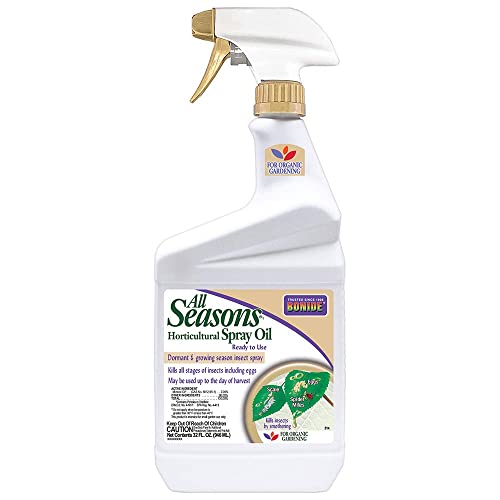
Bonide All Seasons Horticultural & Dormant Spray Oil

EcoVenger Garden Insect Control 16 oz

BioAdvanced 3-in-1 Fruit, Citrus, and Nut Tree Spray

BioAdvanced Tree & Shrub Insect Killer Spray

Bonide Captain Jack’s Neem Max 16 oz

BioAdvanced 3-in-1 Insect, Disease, and Mite Control

Bonide Fruit Tree & Plant Guard 16 oz
What Each Pick Brings To The Table
A 32-ounce concentrate that handles insects, mites, and fungal issues in a single bottle, this orchard spray is the sort of multi-tool that suits a backyard with apples, peaches, citrus, and ornamentals all sharing the same space. The active ingredient is a microbial-based control that targets common orchard pests like beetles, caterpillars, mealybugs, thrips, and scale while also keeping powdery mildew, rust, and brown rot in check.
One pint stretches to roughly 6.4 gallons of finished spray when diluted properly, which makes it economical for growers managing several trees. A hose-end or tank sprayer handles application, and you can spray right up to the day before harvest on listed crops. Gardeners maintaining a mixed orchard of fruit trees, nuts, and vegetables will appreciate the breadth of crops on the label.
Advantages To Know
- Targets beetles, fruit flies, caterpillars, mealybugs, thrips, scale, and spider mites across many crops
- Controls powdery mildew, rust, leaf spots, brown rot, and blight in the same application
- Covers apples, citrus, avocados, peppers, pecans, roses, and many other ornamentals and edibles
- One pint dilutes to roughly 6.4 gallons, lowering the cost per application for larger yards
- Labeled for use up to the day before harvest, simplifying late-season timing decisions
- Pairs with a standard hose-end or tank sprayer, so no specialty equipment is required
Things To Consider
- Mixing and dilution take a few extra minutes compared to a pre-mixed spray
- Thorough coverage of canopy and undersides of leaves is required for full effectiveness
Feature Snapshot
Who It Suits Best
Backyard orchardists with several fruit, citrus, and nut trees who want a single bottle that covers both insect and disease pressure across multiple crop types.
Look Elsewhere When
Homeowners who only need a quick, no-mix option for a couple of small trees may find the ready-to-use Bonide Fruit Tree & Plant Guard easier to handle.
A ready-to-use botanical oil spray, this 32-ounce bottle relies on a blend of essential oils rather than synthetic chemicals to deal with soft-bodied insects and common plant diseases. The formula is designed to work as an insecticidal soap-style treatment, which means it interferes with the outer coating of pests on contact rather than acting as a long-lasting residual.
For households with children or pets, the botanical ingredient list tends to feel more comfortable around edibles, though you’ll still want to follow the label carefully. The bottle works on indoor and outdoor plants, so the same product can move between a windowsill herb garden and a backyard plum tree. It suits gardeners who prefer a plant-based approach and want something they can grab and spray without mixing.
Positive Takeaways
- Botanical essential oil blend with no synthetic active ingredients
- Ready-to-use format skips measuring and dilution steps
- Effective against soft-bodied insects like aphids, whiteflies, and mites
- Also addresses common fungal issues on the label
- Safe to deploy on both indoor houseplants and outdoor fruit trees
Worth Noting
- Contact action means thorough coverage is critical, especially under leaves
- Reapplication intervals are shorter than residual synthetic products
- Essential oil scent can be noticeable during application, particularly indoors
Right Fit For
Gardeners who prefer botanical ingredients and want a grab-and-spray bottle for a small orchard or a mix of indoor and outdoor edibles.
Consider Something Else When
Anyone dealing with heavy infestations of scale or overwintering eggs should look at Bonide All Seasons Horticultural & Dormant Spray Oil for a more targeted dormant-season approach.
A paraffinic horticultural oil with a triple-use label, this 32-ounce bottle works as a dormant spray, a delayed dormant spray at the green-tip stage, and a growing-season foliar spray. That flexibility is the real draw: you can use the same product to smother overwintering eggs in February, then return to it during the season for soft-bodied pest outbreaks.
The oil targets aphids, scale, red spider mites, mealybugs, whitefly, leaf rollers, and a long list of other orchard pests. Because the action is physical (smothering eggs and insects under a thin oil film), resistance buildup is less of a concern than with many conventional insecticides. For growers who want a single product for their winter and spring spray program, this oil earns its shelf space.
What Earns Its Place
- One bottle handles dormant, delayed dormant, and growing-season applications
- Smothers overwintering eggs of aphids, scale, mites, and codling moth
- Physical mode of action makes resistance far less likely
- Listed for fruit trees, shade trees, and shrubs on the label
Trade Offs
- Must be applied at the right growth stage to avoid leaf burn or flower damage
- Requires accurate mixing ratios to avoid phytotoxicity (plant tissue damage from over-application)
- Dormant timing window is narrow in many climates, so plan applications in late winter
Quick Facts
Made For
Orchardists who follow a seasonal spray schedule and want one oil product that covers dormant, green-tip, and summer applications.
A Better Fit Elsewhere
Beginners who want a single ready-to-spray bottle without measuring or timing decisions may prefer the Bonide Fruit Tree & Plant Guard for its simpler approach.
Built around a plant-based formula, this 16-ounce ready-to-use spray targets aphids, mealybugs, spider mites, gnats, and their eggs on contact. Unlike the concentrate picks earlier in this list, it arrives pre-mixed, so there’s no measuring or diluting before you walk out to the tree. The formula also addresses fungus gnats indoors, which is useful if you’re rotating between an indoor citrus and an outdoor fig.
For delicate new growth, the label calls for diluting with water to avoid leaf damage, which gives you some flexibility. Households with curious dogs and cats tend to gravitate toward this kind of plant-based option, though the label still deserves a careful read. Small yards with a few patio trees are where this 16-ounce size makes the most sense.
Useful Touches
- Plant-based formula appeals to pet households and cautious gardeners
- Pre-mixed bottle eliminates measuring and dilution guesswork
- Kills listed insects and their eggs, not just adults on the surface
- Works on indoor houseplants and outdoor fruit trees alike
- Optional dilution extends the bottle for routine maintenance sprays
Points To Note
- 16-ounce bottle is smaller than the 32-ounce picks, so larger orchards go through it quickly
- Contact action requires direct spray coverage for full effectiveness
- Reapplication is needed more often than residual products, raising seasonal time investment
Best Suited To
Households with pets and small children who want a ready-to-spray, plant-based option for a modest number of trees and potted plants.
Not Your Match When
Large orchards with multiple fruit trees will get more coverage from a concentrate like the Bonide Captain Jack’s Orchard Spray, which dilutes into multiple gallons.
A 32-ounce spray formulated specifically for fruit, citrus, and nut trees, this BioAdvanced option covers three problems in one bottle: listed insects, listed diseases, and listed mites. Caterpillars, aphids, and mites are among the pests targeted, while black spot, powdery mildew, and rust fall under the disease umbrella.
Where it differs from the Bonide orchard spray earlier is focus: the label leans toward fruit, citrus, nut, and vine plantings rather than also stretching into lawns and ornamentals. For a dedicated fruit tree grower, that focus actually helps because every ingredient is aimed at orchard-relevant pests and pathogens. You can apply it up to the day before harvest on listed crops, which is a meaningful scheduling benefit during late summer.
What Works In Its Favor
- Triple-action 3-in-1 formula addresses insects, disease, and mites in one application
- Labeled for fruit trees, citrus, nut trees, vegetables, and vine plants
- Day-before-harvest interval gives flexibility in late-season scheduling
- Targets common orchard pests like caterpillars, aphids, and mites
Honest Caveats
- 32-ounce ready-to-spray bottle runs through quickly on larger trees with dense canopies
- Coverage of all three problem categories means you may pay for capability you don’t need if pests are your only issue
At A Glance
Who Will Love This
Home orchardists focused on fruit, citrus, and nut production who want a single product that covers insects, disease, and mites without juggling multiple bottles.
Skip It When
Gardeners who also manage lawns, roses, and ornamentals may prefer the broader crop list of Bonide Captain Jack’s Orchard Spray for the same kind of 3-in-1 coverage.
When chewing damage shows up fast and the tree needs help now, this 32-ounce BioAdvanced spray goes after aphids, adult Japanese beetles, caterpillars, leafhoppers, and whiteflies with a contact kill. The action is fast and primarily aimed at insect control rather than disease, which makes it a complement to a fungicide in a full orchard program.
For a backyard with a Japanese beetle problem on a plum tree or an aphid explosion on a young apple, this is the kind of product you reach for between scheduled treatments. Because the focus is purely insecticidal, you won’t be paying for fungicide capability you don’t need. The bottle connects to a standard hose-end setup, simplifying application on taller trees.
What It Does Well
- Fast-acting contact formula tackles heavy infestations quickly
- Covers a wide range of listed tree and shrub pests
- Hose-end application keeps things simple for homeowners without tank sprayers
- Pairs well with a separate fungicide in a layered orchard program
Small Caveats
- No fungicide or miticide component, so you’ll need a second product for disease control
- Contact action means thorough coverage is non-negotiable for full effectiveness
- Reapplication may be needed during peak insect pressure periods
Perfect Match For
Gardeners battling active infestations of Japanese beetles, caterpillars, or aphids on fruit and ornamental trees who want a dedicated insect killer rather than an all-in-one formula.
Swap It Out When
Anyone who needs both insect and disease coverage from one bottle should look at the BioAdvanced 3-in-1 Fruit, Citrus, and Nut Tree Spray instead.
A 16-ounce ready-to-spray built around cold-pressed neem oil, this Bonide product pulls double duty as an insecticide, fungicide, miticide, and nematicide. Cold-pressed neem retains more of the natural compounds that give the oil its broad activity, which is why growers seeking organic options tend to reach for this type of formulation over clarified hydrophobic extracts.
Neem works through multiple modes of action: it disrupts feeding, interferes with insect growth cycles, and smothers soft-bodied pests on contact. The trade-off is a slower knockdown compared to a contact synthetic, but the broader effect on different life stages is part of the appeal. For an orchardist committed to plant-based management, this bottle handles a lot of jobs in one.
Noteworthy Benefits
- Cold-pressed neem oil retains a wider range of active compounds than clarified versions
- Acts as an insecticide, fungicide, miticide, and nematicide in a single bottle
- Ready-to-spray format skips the mixing step
- Fits organic and natural orchard management programs
Possible Compromises
- Knockdown is slower than fast-acting contact synthetics, so patience is required
- Neem oil can cause leaf burn if applied in direct sun or extreme heat
- Smaller 16-ounce bottle means more frequent reordering for larger orchards
Feature Rundown
Who Should Grab It
Organic-minded orchardists with a small to medium tree count who want a plant-based four-in-one product and don’t mind a slightly slower knockdown.
Reach For A Different Pick When
Gardeners dealing with a fast-moving Japanese beetle infestation will get faster results from the BioAdvanced Tree & Shrub Insect Killer Spray.
A 32-ounce ready-to-spray with the same three-in-one structure as BioAdvanced’s fruit tree formulation, this version is built for broader outdoor garden use rather than strictly fruit, citrus, and nut trees. The combination of insect, disease, and mite control in a hose-end bottle removes the mixing step entirely, which is the main reason it earns a spot on this list.
For homeowners who manage ornamentals, roses, and shrubs alongside their fruit trees, the broader use site list helps. It targets aphids, adult Japanese beetles, whiteflies, black spot, powdery mildew, and rust, so it covers the most common outdoor garden issues. The trade-off compared to the dedicated fruit tree version is slightly less specificity toward orchard pests.
A Few Highlights
- Ready-to-spray hose-end format removes measuring and mixing
- Insect, disease, and mite control in a single bottle
- Targets common pests like aphids, Japanese beetles, and whiteflies
- Addresses listed diseases including black spot, powdery mildew, and rust
Factors To Consider
- Broader garden focus means less specificity toward fruit tree pest profiles than the dedicated BioAdvanced Fruit, Citrus, and Nut Tree Spray
- Hose-end sprayers can produce uneven coverage on very tall or dense canopies
Built With In Mind
Homeowners who want a single no-mix bottle for fruit trees, ornamentals, and shrubs, and who appreciate the convenience of hose-end application.
Where A Sibling Pick Shines
Orchardists focused strictly on fruit and nut production should consider BioAdvanced 3-in-1 Fruit, Citrus, and Nut Tree Spray, which targets the same three problems with a more orchard-specific label.
A water-based combination spray that arrives ready to use, this 16-ounce Bonide bottle is built for gardeners who want to skip the measuring step entirely. The broad-spectrum formula covers a long list of listed fungal diseases and insect pests on fruit trees, nuts, flowers, shrubs, and ornamentals.
For someone new to fruit tree care, the appeal is straightforward: no concentrate to dilute, no separate fungicide and insecticide to buy, and a label that walks you through application. The 16-ounce size suits a small yard with a few trees rather than a half-acre orchard. It’s the kind of starter bottle that helps you learn the spray rhythm of the season before graduating to a larger concentrate.
Good Reasons To Consider
- Pre-mixed ready-to-spray format is approachable for first-time growers
- Broad-spectrum formula handles both insects and listed fungal diseases
- Listed for fruits, nuts, flowers, shrubs, and ornamentals
- Water-based formula rinses off equipment easily after use
Less Ideal Details
- 16-ounce ready-to-spray volume is modest for multi-tree orchards
- Pre-mixed convenience typically costs more per ounce than concentrate options
- Broad-spectrum formula may include capability you don’t need for a single pest problem
Whose Shelf It Belongs On
New fruit tree owners managing a couple of trees who want one straightforward, pre-mixed bottle to handle routine insect and disease issues across a mixed yard.
Where Another Pick Suits Better
Growers with several trees and a tight spray budget will get more value per ounce from the Bonide Captain Jack’s Orchard Spray concentrate, which dilutes into multiple gallons.
What To Weigh Before Choosing A Fruit Tree Spray
Matching The Formula To The Pest
Start by identifying the actual problem. Insecticides, fungicides, and miticides each address a different category, and combining them matters when your tree is fighting on multiple fronts. For a single pest issue, a targeted product keeps the spray program simpler. For mixed pressure, a 3-in-1 like the BioAdvanced options or Bonide’s orchard concentrate saves a step.
Considering Application Format
Concentrates cost less per ounce and let you scale tank size, but they require measuring and a working sprayer. Ready-to-spray bottles cost more up front but eliminate mixing mistakes, which is helpful for beginners. Hose-end formats trade precision for speed, while pump sprayers give better coverage on taller trees.
Timing Around Harvest
Pre-harvest intervals (the time you must wait between spraying and picking) shape when you can safely use a product. Several picks in this list allow application up to the day before harvest, which is meaningful during peak pest pressure in late summer. Dormant oils like Bonide All Seasons work only at specific growth stages, so timing matters more than product choice.
Active Ingredient Philosophy
Conventional synthetics often act faster but raise more questions for organic-minded growers. Botanical oils, neem, and microbial controls offer plant-based or naturally derived alternatives, though they typically need more frequent application and more thorough coverage. Choosing between them is partly about pest pressure and partly about your comfort with different ingredient families.
Key Considerations Across These Picks
Pitfalls Shoppers Hit
The most common misstep is grabbing a general-purpose insecticide when the real problem is fungal, or vice versa. Reading the label’s listed pests and diseases saves wasted applications. Another trap is skipping the pre-harvest interval check, which can lead to residue concerns on fruit you’re about to pick. Finally, underestimating the size of the job leads to buying a 16-ounce bottle for a 10-tree orchard and running out mid-season.
What The Higher Tier Buys
Larger concentrate bottles and 3-in-1 formulations cost more up front, but they typically reduce the per-application cost and the time spent switching products. A concentrate that dilutes into multiple gallons also gives you flexibility to spray more thoroughly or treat more trees with the same purchase. The upgrade tends to pay off once you have more than two or three trees to manage or once you’re committed to a multi-product seasonal program.
Frequently Asked Questions
When Is The Best Time To Spray Fruit Trees For Insects?
Dormant season applications target overwintering eggs before bud break, while growing-season sprays work best during early morning or evening when beneficial insects are less active and temperatures stay below 85°F to reduce leaf burn.
Are Botanical Sprays As Effective As Conventional Insecticides?
Botanical options like neem and essential oil blends can be effective against soft-bodied pests, but they generally require more thorough coverage and more frequent reapplication than fast-acting synthetic contact killers.
Can Fruit Tree Sprays Harm Pollinators?
Many insecticides pose risks to bees and other pollinators, so applying them before bloom or after petal fall, and spraying when bees aren’t foraging, helps protect the pollinators your orchard depends on.
Do I Need A Separate Fungicide And Insecticide?
Not always, since several picks in this list combine both functions in one bottle. If your tree only faces one problem category, a targeted product can be more efficient than a 3-in-1 formula.
How Often Should I Reapply Fruit Tree Sprays?
Reapplication intervals vary by product, but most sprays need to be reapplied every 7 to 14 days during active pest pressure, and always after heavy rain that may wash the residue off the foliage.
Wrap Up
The right spray depends on the size of your orchard, the pests you’re actually facing, and your comfort with different ingredient families. Concentrates reward larger plantings with lower per-application cost, ready-to-spray bottles reward simplicity, and dormant oils reward growers who follow a seasonal schedule. Pick the format that matches your routine, and revisit the label each season as conditions change.
