

Georgia’s climate opens the door to figs, mulberries, pomegranates, and plums in a way that surprises a lot of first-time backyard orchardists. Long, humid summers and mild winters (mostly USDA zones 7 through 9) let subtropical and temperate species thrive side by side, but picking the wrong variety still costs you a couple of growing seasons.
The picks below lean heavily on chill-hour tolerance, disease resistance in humid conditions, and the practical reality of how much space a young sapling actually needs. Live starter plants arrive small, so the choice you make today is really a bet on what your yard will look like three to five summers from now.
A Snapshot Of The Selections

Wellspring Gardens Chicago Hardy Fig Starter

Fam Plants Mulberry Illinois Everbearing (4 Pack)

Fam Plants Chicago Hardy Fig (4 Pack)

Perfect Plants Russian Pomegranate (1 Gal)

Seeds*Bulbs*Plants*&More Illinois Everbearing Mulberry

Fam Plants Barbados Cherry (4 Pack)

Isla’s Garden Seeds American Red Plum
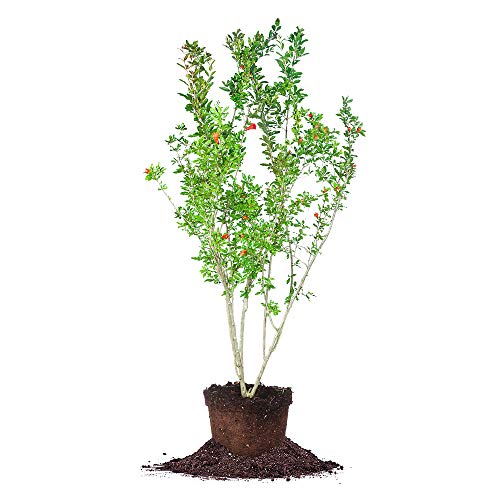
Perfect Plants Wonderful Pomegranate (2 Gal)

Wekiva Foliage Patio Fruit Variety Pack (4)
A Breakdown Of The Leading Choices
The Wellspring Gardens Chicago Hardy arrives as a small tissue-cultured starter, but don’t let the 3-to-8-inch size fool you: this cultivar is the workhorse fig for Georgia yards where winter snaps can dip into the low teens. It settles into full sun, pushes out medium purple fruit earlier than most figs, and tolerates the humidity that wrecks less-adapted varieties.
Where some figs sulk through muggy South Georgia summers, this one tends to keep fruiting. Compared to the larger Fam Plants 4-pack coming up next, this single starter is the right call for a tight courtyard or a single accent bed.
Practical Pluses
- Cold tolerance down to USDA Zone 6, which covers most of north and central Georgia
- Tissue-cultured (propagated in a lab from parent plant tissue for genetic consistency) stock tends to establish quickly
- Mature height around 15 to 20 feet gives plenty of canopy for a backyard harvest
- Early-fruiting habit shortens the wait between planting and first pickings
- Dormant in winter, which simplifies pruning and cuts pest pressure in the cold months
Worth Noting
- The 3-inch-deep starter pot means you will repot or transplant within a few weeks of arrival
- Fig rust (a fungal leaf disease common in humid Georgia summers) shows up in poorly ventilated spots, so pruning for airflow matters
Feature Snapshot
Right Fit For
Backyard orchardists in zones 7 and 8 who want one reliable fig tree without committing to a multi-pack.
Consider Something Else When
You want to plant several figs at once for a hedgerow effect, in which case the Fam Plants Chicago Hardy 4-pack offers better value per tree.
Mulberry trees earn their keep in Georgia because they fruit young, fruit often, and ask for very little in return. The Illinois Everbearing 4-pack from Fam Plants extends that generosity across multiple plants, useful when you want a small grove or to share starts with a neighbor. The fruit ripens mid-July and keeps coming into late summer, sometimes stretching into October in milder zones.
For a family that wants continuous snacking straight off the branch, this is the most productive pick on the list. Where the single Wellspring fig is a soloist, this mulberry pack behaves more like a small chorus.
Good Reasons To Consider
- Self-fertile (one tree can pollinate itself, so no partner tree needed), so all four plants will fruit independently
- Extended harvest window keeps fresh berries on the table for weeks
- Hardy across USDA zones 4 through 9, covering all of Georgia
- Sweet, seedless fruit works for fresh eating, jams, and baking alike
Points To Keep In Mind
- Mature height can climb past 20 feet, so plan for spacing
- Dropped fruit stains patios and driveways, which matters near high-traffic areas
- Four plants may be more than a small urban yard can comfortably absorb
Best Suited To
Suburban gardeners with room for a row of small trees and a household that will actually use a heavy fruit yield.
Look Elsewhere When
You only have space for one tree, in which case the Seeds*Bulbs*Plants*&More single Illinois Everbearing starter is a cleaner fit.
Same dependable Chicago Hardy genetics as the Wellspring starter, but bundled into a 4-pack that makes sense when you want a fig hedge, a row along a fence, or several gifts for friends. The cold tolerance, often cited around -10°F once established, holds up across north Georgia winters without coddling.
This is the bulk option in the fig category, so it makes the most sense for someone planning a real edible landscape rather than a single specimen tree. Compared to the single starter, the per-tree cost drops noticeably, and you get a built-in backup if one transplant struggles.
Reasons It Performs
- Four rooted starters let you space a small grove or try multiple microclimates
- Hardy enough for zone 6 plantings, which covers mountain and north Georgia reliably
- Purple medium fruit ripens earlier than many common fig varieties
- Edible-landscape appeal: figs work as both ornamental and productive plants
Honest Caveats
- Four plants require real estate; a half-acre suburban lot will feel crowded fast
- Like all figs, young plants need consistent watering through the first two Georgia summers
Who Will Love This
Anyone building an edible hedge or stocking a community garden plot with reliable cold-hardy figs.
A Better Fit Elsewhere
Container-only gardeners should look at the Wekiva Foliage Patio Fruit Variety Pack, which mixes species sized for pots.
Pomegranates have a reputation for being warm-climate only, but the Russian cultivar pushes that boundary north. For Atlanta, Athens, and even parts of the foothills, this 1-gallon starter from Perfect Plants offers a shot at homegrown pomegranates without the gamble of a Mediterranean variety. Orange-red spring blooms double as ornamental value before the fruit sets in mid to late September.
Where the Wonderful pomegranate later in this list chases maximum fruit size, the Russian leans into survivability. For a colder pocket of Georgia, that trade usually pays off.
Where It Delivers
- Self-pollinating, so a single tree produces a full crop
- Cold-hardy enough to handle occasional dips that would damage the more common Wonderful variety
- Showy orange-red flowers add landscape interest before fruiting
- Low-maintenance once established, with modest pruning needs
Smaller Compromises
- Not suited as a houseplant, so it needs a real outdoor planting site
- Fruit size tends to run smaller than the more common Wonderful pomegranate
Feature Rundown
Right Fit For
North and central Georgia gardeners who want pomegranates without gambling on a heat-loving variety.
Swap It Out When
You live in coastal or South Georgia, where the Perfect Plants Wonderful Pomegranate will likely reward you with bigger fruit.
This single-tree Illinois Everbearing option suits the gardener who wants the mulberry harvest without dedicating a full row of plants. The starter arrives potted at 6 to 10 inches tall, ready to grow on through the warm season. Source data notes a mature range of 25 to 35 feet, so the early years are about staking, watering, and patience.
For a tight lot, this is the more disciplined mulberry play. It trades the 4-pack’s bulk for a single, focused investment.
A Few Strong Suits
- Compact shipping size makes transplanting and patio placement easy
- Same everbearing habit as the multi-pack, so fruiting runs through summer
- Hardy across zones 3 through 10, which more than covers any Georgia location
Trade-Offs
- Source data is light, so growth-rate and fruiting-age details may need confirmation after arrival
- Mature height up to 35 feet is taller than the Fam Plants 4-pack describes, so site selection matters more
Right Fit For
Single-tree shoppers who want one mulberry specimen as a focal point rather than a row.
Not Your Match When
You want a quick visual hedge, where the Fam Plants 4-pack fills in noticeably faster.
The Barbados cherry is technically tropical, but it has quietly become a favorite for South Georgia yards where the summers feel more like north Florida. The Fam Plants 4-pack delivers a manageable mature height around 12 feet, which keeps it workable in tight spaces or large containers. The fruit carries serious vitamin C content, and pinkish-lavender blooms add visual texture between fruiting flushes.
Compared to the temperate plums and mulberries, this one leans into the heat. Gardeners in zone 8b and south will see it thrive where colder-climate picks would still grow but sulk a little.
What Helps Most
- Compact mature height around 12 feet, friendly to small yards and large pots
- Long fruiting season from spring into fall in warm zones
- Bright red cherries with notable vitamin C content
- Sun-loving habit suits open South Georgia exposures
Points To Note
- Source data is sparse, so germination and first-year vigor may vary between batches
- Not suited to north Georgia mountain zones, where winter lows can damage tropical wood
- Four plants again means committing real space, even at a compact mature size
Best Suited To
Coastal and South Georgia gardeners willing to gamble on a tropical favorite with high rewards in the right microclimate.
Reach For A Different Pick When
You garden above zone 8a, where the Perfect Plants Russian Pomegranate handles cold snaps more reliably.
Seeds are a different kind of commitment than live plants, and the Isla’s Garden Seeds American Red Plum packet leans into that. Five non-GMO heirloom seeds (open-pollinated varieties passed down for their flavor and resilience) of Prunus americana, a species native to much of the eastern US including Georgia. Germination takes patience, and fruiting is several years away, but the payoff is a tree raised from seed in your own soil.
Among the live plants on this list, the plum packet is the slowest route to fruit. The upside is a deep, locally-adapted root system if you give it the time.
A Few Highlights
- Native species with natural tolerance for Georgia soils and weather
- Yellow-to-red fruit suited to jellies and jams, useful for preserving
- Heirloom seed stock appeals to gardeners who want to save and replant
Smaller Caveats
- Seed-to-fruit timeline commonly runs several years, so patience is required
- Germination rate varies, and only five seeds arrive in the packet
- Wild-form trees can reach 25 feet or more, so a long-term planting plan helps
Who Should Grab It
Growers who enjoy starting from seed and want a native plum rooted in their own backyard soil.
Look Elsewhere When
You want fruit within a year or two, in which case any of the live starter picks above will get you there much faster.
The Wonderful is the variety most shoppers picture when they think pomegranate, and the 2-gallon size skips the slowest part of the establishment phase. Showy blooms arrive in mid to early spring, with the fruit ripening mid to late September. It is self-fertile, so one tree is enough.
Where the Russian pomegranate prioritizes cold tolerance, this one chases fruit size and yield. For coastal and South Georgia lots, that is usually the right call.
Noteworthy Benefits
- Larger 2-gallon container means a head start over 1-gallon or 3-inch starters
- Self-pollinating, so no second tree is required
- Showy ornamental blooms add spring value beyond fruit
- Fruit tends to run larger and more plentiful than the Russian variety
Less-Strong Areas
- Not rated for north Georgia mountain zones where winter lows can damage wood
- Like all pomegranates, it appreciates well-drained soil and struggles in waterlogged beds
Feature Snapshot
Right Fit For
South and coastal Georgia gardeners who want classic large pomegranates and a faster start than a small starter offers.
Where A Sibling Pick Shines
North Georgia shoppers should consider the Perfect Plants Russian Pomegranate, which tolerates colder winters more reliably.
The Wekiva Foliage variety pack trades focus for fun. You get one fig, one blueberry, one pineapple, and one pomegranate starter, with the exact variety hand-picked by the grower based on what’s thriving that season. For someone still figuring out what they like, that sampling approach is genuinely useful.
Compared to the single-species picks above, this is the lowest-commitment way to learn which fruit types you actually want to scale up. The trade-off is that you don’t get to choose specific cultivars, so care and timing may differ between plants.
The Case For It
- Four different species in one shipment, ideal for sampling
- Hand-picked healthy stock based on seasonal availability
- Suits both experienced growers and curious first-timers
- Compact fig and blueberry starters work well in patio containers
Honest Caveats
- Grower’s-choice selection means you cannot pick specific cultivars in advance
- Pineapple and pomegranate care differ sharply, so a single care routine won’t fit all four plants
- Source data is limited, so growth expectations per species may need confirmation
Right Fit For
Curious first-time growers who want a sampler before committing to a full row of any single fruit type.
Skip It When
You already know you want a fig hedge or a mulberry grove, where the dedicated multi-packs deliver more of the same species for less.
What Matters Most Before Choosing Fruit Trees For Georgia
Match The Tree To Your Hardiness Zone
Georgia stretches from the cold pockets of the Blue Ridge to the subtropical coast, and that range shows up in what survives the winter. A Wonderful pomegranate thrives in Savannah but struggles in Blairsville, while a Russian pomegranate flips that script. Always check the USDA zone on the label before you fall in love with a cultivar. The picks table here spans zones 3 through 10 collectively, but no single tree covers all of Georgia.
Size And Spacing Are Not The Same Thing
Mature height tells you how tall the tree gets, but spacing tells you how many you can fit. A 15-foot fig and a 35-foot mulberry both need elbow room, but the mulberry casts wider shade and drops more fruit. Before you order, walk your yard and pick the planting site. The difference between a healthy orchard and an overcrowded mess comes down to whether you measured the spot, not the tree.
Think About Pollination Before You Buy
Self-fertile trees (those that can pollinate themselves without a second compatible tree nearby) fruit alone, which is a real advantage for small yards. Pomegranates, figs, and mulberries all check that box. Plums and some other species often want a partner, which is where the Isla’s Garden seed packet gets interesting: you can grow several from seed and let them pollinate each other. For shoppers who only want one tree, self-fertile picks are the easier path.
Plan For First-Year Care, Not Just Long-Term Harvest
Young trees die from inconsistent watering, transplant shock, and poorly drained holes more often than from cold. Mulch, steady water through the first two summers, and a raised planting site in heavy clay are the moves that decide whether your tree makes it to year three. The single biggest upgrade you can buy for any of these picks is patience during establishment.
Key Considerations Across These Picks
Pitfalls Worth Dodging
Buying a tropical tree for a north Georgia zone is the most common error on this list. Barbados cherries and Wonderful pomegranates reward warmth and punish cold, so check your zone before checkout. Skipping the soil test is a close second: figs tolerate a wide range, but pomegranates and plums prefer well-drained ground and will rot out in standing water. Finally, don’t order a 4-pack when your yard fits one tree. Bulk savings disappear the moment a plant needs to be removed.
When Paying More Pays Off
Larger container sizes like the 2-gallon Wonderful pomegranate skip a year of establishment work. That head start shows up in earlier fruiting, sturdier branching, and fewer transplant losses during the first Georgia summer. For shoppers who would rather plant once and wait for fruit, the upgrade from a 3-inch starter to a 1- or 2-gallon tree is often the best money spent in the whole order.
Frequently Asked Questions
When Is The Best Time To Plant Fruit Trees In Georgia?
Late winter through early spring, after the last hard frost but before bud break, gives roots a full warm season to establish. Fall planting works in South Georgia but risks transplant shock in the mountains.
Do I Need More Than One Tree For Fruit?
Most of the picks here are self-fertile, so a single tree fruits on its own. American plums, however, often produce better with a second tree nearby for cross-pollination, which is one reason the seed packet is appealing.
How Long Until A Starter Tree Produces Fruit?
Figs and mulberries often fruit within two to three years. Pomegranates usually take three to four. Seed-grown plums take the longest, often five or more years before a meaningful harvest.
Can These Trees Grow In Containers?
Fig, mulberry, and Barbados cherry starters adapt to large containers. Pomegranates can too, but their taproot (a deep central root that drives downward) eventually needs space. Pineapple, included in the variety pack, behaves more like a tropical houseplant than a tree.
What Pests Should Georgia Growers Watch For?
Fig rust in humid summers, plum curculio on stone fruit, and aphids on tender new growth. Most issues are manageable with pruning for airflow, dormant oil sprays, and consistent cleanup of fallen fruit.
Wrap Up
The right fruit tree for your Georgia yard depends less on what’s trendy and more on your zone, your soil, and how much space you actually have to spare. A cold-hardy fig handles Atlanta winters cleanly, a Russian pomegranate pushes into north Georgia, and a Wonderful pomegranate still rules the coastal plain.
Start with one tree you can plant well rather than four you plant halfway, and let the first harvest teach you what the next one should be.
