

A backyard orchard starts long before harvest. Soil feeding, pest management, canopy shaping, and bird netting all decide whether a tree thrives or struggles. Gardeners tending a few container citrus on a patio and homesteaders managing a half-acre plot face the same core problems: how to feed hungry roots, keep insects off ripening fruit, prune without guesswork, and protect crops from birds without smothering the plant.
The nine items below cover those jobs head-on, mixing organic fertilizers, fine-mesh netting, spray protection, and two pruning guides. Each one was chosen for a specific job, and the shortlist is built so the picks complement each other across a growing season.
Your Options, Compared

Dr. Earth Natural Wonder Fruit Tree Fertilizer 4 lb

ZYP 2 Pack 7×6 ft Fruit Tree Netting with Drawstring

Down To Earth Organic Fruit Tree Fertilizer 6-2-4 5 lb
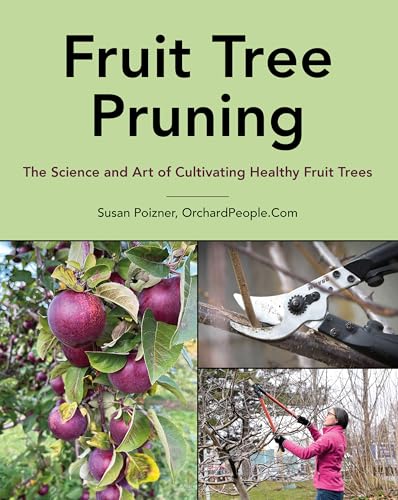
Fruit Tree Pruning by Susan Poizner (eBook)

Homoda Fruit Tree Netting 10×10 ft 2-Pack with Zipper

NIUBIER 50-Pack Fruit Protection Mesh Bags 6×9 in

Grow a Little Fruit Tree by Ann Ralph (eBook)

Bonide BND2021 Fruit Tree Plant Guard Concentrate 16 oz

HKZ Cicada Netting 4-Pack 5×4 ft with Zipper
The Picks, Examined More Closely
For gardeners running a small mixed orchard, feeding the soil matters as much as watering it. The Dr. Earth Natural Wonder Fruit Tree Fertilizer arrives in a 4 lb bag and targets a broad list of trees, berries, and fruiting vines, working equally well in containers or in-ground plantings. With an NPK ratio of 5-5-2 (the three numbers that describe nitrogen, phosphorus, and potassium content), it leans toward gentle, balanced nutrition rather than aggressive forcing, which is a real plus for trees still establishing their root systems.
You can apply it during initial transplanting after the hole is dug or anytime active growth is happening. Pet- and people-safe labeling means you don’t have to keep animals out of the yard after spreading, and a single bag covers around 60 square feet of orchard floor.
A Few Highlights
- Balanced 5-5-2 NPK supports steady growth without excessive leafy push
- Works for citrus, stone fruit, berries, and fruiting vines alike
- Safe around people and pets immediately after application
- Non-GMO verified, fitting organic-leaning garden plans
Honest Caveats
- A 4 lb bag is modest for anyone feeding more than a handful of mature trees
- The lower potassium figure means heavy-fruit trees may want supplemental feeding during fruit set
Key Specs
Who Will Love This
Backyard orchardists tending a few trees and a couple of containers want one safe, organic-leaning fertilizer that does the job across the whole fruiting lineup.
A Better Fit Elsewhere
Home growers chasing bigger blooms and heavier fruit sets will find the higher-phosphorus Down To Earth Organic Fruit Tree Fertilizer a stronger match for their feeding goals.
Netting sounds simple until you try to wrap a mature plum tree with the wrong size. The ZYP 2 Pack 7×6 ft Fruit Tree Netting solves a real problem by offering two covers in a single purchase, sized for small to medium backyard trees like apple, pear, peach, and cherry, plus berry bushes and flowering shrubs. The ultra-fine mesh is the selling point: it physically blocks small insects while letting sunlight, air, and rain pass straight through.
For gardeners tired of hand-picking aphids off leaves or watching birds strip cherries overnight, this is the lowest-fuss barrier solution in the shortlist. The drawstring closure makes installation a one-person job, and the lightweight fabric stores flat in a shed between seasons.
Strong Points
- Two covers per pack means a real value play for multi-tree yards
- Ultra-fine mesh blocks small insects without trapping heat or moisture
- Drawstring lets you cinch tight around the trunk to seal gaps
- Reusable across multiple seasons with simple rinse-and-dry maintenance
Trade Offs
- 7×6 ft runs short for full-sized mature canopies, which may need a larger option like the Homoda 10×10 ft
- No zipper means access requires removing the entire cover during harvest
Made For
Gardeners protecting young or compact fruit trees from birds, hornets, and small insects want simple, reusable covers without overpaying.
Skip It When
Anyone tending a full-canopy mature tree should grab the Homoda Fruit Tree Netting 10×10 ft 2-Pack for a much better fit.
Compare this to Dr. Earth’s gentler 5-5-2 and you see the difference immediately: Down To Earth’s 6-2-4 profile is tuned for fruit production rather than overall vegetative growth. The 6 in the NPK means more nitrogen for early-season canopy, while the 2 phosphorus figure (lower than typical) keeps fruiting trees from over-pushing wood at the expense of fruit. The 4 potassium supports fruit quality and disease resistance, which is exactly what backyard orchardists want during the heavy-bearing months.
The 5 lb box is listed for organic production, so home growers committed to organic standards can use it without concerns about prohibited inputs. The granular format broadcasts easily around the drip line, the outer edge of the canopy where feeder roots live, and works into the soil with a light rake or watering.
Useful Touches
- 6-2-4 NPK ratio is purpose-built for fruiting trees, not generic plant feeding
- Listed by OMRI for organic production, a real credential for certified-organic growers
- 5 lb box covers a meaningful home orchard, around 1-3 mature trees per application
- Granular format broadcasts cleanly around the drip line with no measuring spoons
Points To Keep In Mind
- Lower phosphorus means it may not be ideal for young trees still establishing strong root systems
- Granular form needs watering in to activate, so it’s a two-step application in dry weather
Quick Facts
Right Fit For
Orchardists with established trees in their fruit-bearing years want targeted nutrition that prioritizes harvest quality over leaf growth.
Where Another Pick Suits Better
Gardeners who need a multi-purpose fertilizer for young trees, vines, and containers in one bag will get more mileage from the Dr. Earth Natural Wonder 4 lb formula.
Pruning is the one task most beginners approach with a mix of confidence and dread. Susan Poizner’s Fruit Tree Pruning eBook reframes the practice around the science of how a tree actually responds to cuts, which is the kind of foundation that helps you stop guessing season to season. The Kindle format means you can pull it up on a phone while standing in front of the tree, checking diagrams and timing advice on the spot.
For orchardists who have outgrown quick YouTube tutorials and want a deeper framework, this is the right level of detail. Poizner covers the why behind cuts, not just the where, which gives you a working model for trees you may not have seen pruned before.
Positive Points
- Science-based approach explains tree response, not just technique
- Kindle format lets you reference the book in the orchard
- Recipients can read on any device, so gift copies work for non-Kindle households
Practical Considerations
- eBook format is harder to flip through quickly than a printed reference on a messy workbench
- Depth may be more than weekend gardeners need compared to lighter introductory titles
Best Suited To
Intermediate to serious home pruners want a reference that goes beyond basic cuts into the biology of how trees actually heal and fruit.
Look Elsewhere When
Patio gardeners with one or two small trees looking for a lighter, small-space approach will find Grow a Little Fruit Tree by Ann Ralph easier to put into practice right away.
The Homoda Fruit Tree Netting handles a real orchard problem: the moment your trees outgrow the standard 7×6 ft size, you start improvising with twine, scissors, and extra panels. This 2-pack ships two 10×10 ft covers made of HDPE (a tough, UV-resistant plastic) ultra-fine mesh, sized generously enough to drape over a full dwarf-tree canopy or wrap a multi-stemmed berry patch. The zipper access is the upgrade, letting you reach in for harvest or inspection without removing the entire net.
Bird and insect defense matters most during the ripening window, and a zipper on the side means you can check fruit regularly without undoing the drawstring. For larger trees and full-canopy coverage, the extra square footage pays for itself the first time you don’t lose half a crop to a single afternoon of pecking.
Everyday Perks
- 10×10 ft fits mature dwarf canopies without the patchwork feeling of smaller nets
- HDPE mesh is durable and UV-resistant for multi-season use
- Side zipper access means you can harvest without removing the whole cover
- 2-pack covers two trees in a single purchase
Some Limits To Know
- 10×10 ft can be unwieldy in windy conditions during installation without a helper
- Premium sizing commands a higher price than basic covers
Feature Snapshot
Perfect Match For
Home orchardists with dwarf or semi-dwarf trees reaching full canopy size want one tidy solution instead of piecing together smaller nets.
Not Your Match When
Gardeners with very young trees or small shrubs will overspend on the Homoda and get more practical coverage from the ZYP 7×6 ft 2-Pack instead.
Whole-tree netting is overkill when a single bag per fruit solves the same problem. The NIUBIER 50-Pack Fruit Protection Bags are 6×9 in mesh sleeves that slip over individual apples, pears, figs, or mangoes during the ripening window. For orchardists with codling moth or plum curculio pressure, this targeted approach beats spraying because each fruit gets its own physical barrier against insects and pecking birds.
The polyester organza fabric is washable and reusable across multiple seasons, which makes the 50-count a working inventory rather than a one-time purchase. You draw the bag closed with the built-in tie, leave it on through ripening, and remove it at harvest. For gardeners who want precision without chemicals, the method is hard to beat.
What Pays Off
- 50 bags per pack covers a meaningful portion of a small tree at one go
- 6×9 in size fits apples, pears, and figs comfortably
- Washable polyester organza holds up to multiple seasons of use
- Tight weave keeps insects out without blocking sunlight
Possible Compromises
- Bagging 50 fruits one at a time is genuinely time-consuming for larger trees
- Drawstring ties can loosen in heavy rain, requiring a quick recheck after storms
Who Should Grab It
Orchardists with a few prized apple, pear, or fig trees want pesticide-free pest control for their best fruit, and they’re willing to spend the time bagging.
Consider Something Else When
Growers with large trees and heavy crop loads will find the bagging approach tedious and should reach for the Homoda 10×10 ft 2-Pack for whole-canopy coverage instead.
If Susan Poizner’s book is the science class, Ann Ralph’s Grow a Little Fruit Tree is the workshop. Ralph’s whole argument is that backyard fruit trees should be small, manageable, and harvestable without a ladder, and she walks you through the pruning decisions that keep them that way. The Kindle format makes it a quick read on a tablet or phone, which suits the pacing for newer gardeners.
Patio and urban growers with limited space, a single dwarf tree, or a small raised bed will get the most from this approach. The pruning techniques here are designed to keep trees in the 6-8 ft range, so the ladder comes off the chore list entirely.
What Helps Most
- Small-space pruning techniques keep trees in the 6-8 ft range
- Beginner-friendly language lowers the barrier to confident pruning
- Works as a Kindle read on phone, tablet, or e-reader
Worth Noting
- Focus on small trees means owners of full-size orchard trees will want a more general reference like Poizner’s
- Single-format eBook only; print editions are a separate purchase
Built With In Mind
New pruners and patio gardeners want a friendly, low-jargon guide to keeping a single fruit tree compact and productive.
Reach For A Different Pick When
Gardeners managing a multi-tree orchard with standard-size trees will find Fruit Tree Pruning by Susan Poizner covers the larger-canopy scenarios in more depth.
Sometimes a single pest outbreak forces a decision: lose the crop or treat the tree. Bonide’s Fruit Tree and Plant Guard Concentrate covers a wide range of vegetation, including apples, pears, cherries, eggplant, beans, tomatoes, and ornamentals, and addresses a broad list of insects like aphids, Japanese beetles, leafhoppers, and ants. The 16 oz concentrate format mixes with water and applies through a standard pump sprayer, which most gardeners already own.
For mixed orchards and edible landscapes where multiple problems appear at once, the broad-spectrum approach is genuinely practical. You can address chewing insects, sucking insects, and powdery mildew in a single rotation without juggling five separate products.
What Works In Its Favor
- Broad-spectrum control handles insects and diseases in one product
- Concentrate format covers more applications per dollar than ready-to-use sprays
- Works on fruit trees, vegetables, and ornamentals, which simplifies storage
Things To Weigh
- Concentrate requires careful mixing and proper sprayer calibration
- Always follow label directions around harvest timing and reentry intervals
Spec Overview
Whose Shelf It Belongs On
Mixed-orchard owners dealing with both insect and disease pressure want one concentrate that handles multiple problems in a single rotation.
Swap It Out When
Organic-only growers and gardeners committed to non-spray methods will get more value from the NIUBIER Fruit Protection Mesh Bags as a physical pest barrier.
Cicada years are a special kind of problem. The HKZ Cicada Netting ships as a 4-pack of 5×4 ft covers designed for the specific challenge of protecting small trees and blueberry bushes from periodical cicada egg-laying damage. Each cover has a side zipper for access and a drawstring closure at the base to seal around the trunk.
Compared to the ZYP 7×6 ft general-purpose covers, these are sized for smaller shrubs and young trees, which is exactly what cicadas target most heavily. Gardeners in regions with 13- or 17-year cicada broods will find the dedicated sizing more useful than trying to wrap larger covers around a blueberry patch.
Everyday Wins
- 4-pack size fits a small orchard of berry bushes or young trees
- Side zipper provides quick access during inspection and harvest
- Drawstring seals tightly around the trunk to keep cicadas from climbing up
Where It Is Less Suited
- 5×4 ft is too small for mature dwarf or semi-dwarf fruit trees, which need the Homoda 10×10 ft size
- Specialty focus means less value for gardeners without a recurring cicada problem
Right Fit For
Home growers in cicada-emergence regions with blueberry bushes and small fruit trees want a dedicated barrier sized for the specific threat.
Another Choice May Suit
Gardeners without cicada pressure who need general bird and insect defense will get more versatile coverage from the ZYP 7×6 ft 2-Pack.
Choosing The Right Gear For Your Fruit Trees
Picking the right supporting gear comes down to which jobs you actually need to do in your yard, and how big your trees have grown. Most home orchards end up needing three categories: feeding, protection, and knowledge. Each one has its own decision points.
Matching Fertilizer To Tree Stage
Young trees still building roots benefit from balanced formulas like Dr. Earth’s 5-5-2, which won’t push excessive leaf growth at the expense of establishment. Mature trees in their fruit-bearing years respond better to higher potassium, which is what Down To Earth’s 6-2-4 delivers. Container trees in small spaces need lighter feeding because their limited soil volume concentrates nutrients, so a smaller bag of balanced fertilizer is usually enough.
Choosing Netting By Tree Size
Netting sizing is the most common purchasing mistake. A 7×6 ft cover fits a young tree or a tightly pruned shrub. A 10×10 ft cover fits a full dwarf or semi-dwarf canopy. A 5×4 ft cover fits a blueberry bush. Measure your tree’s canopy diameter before ordering. Add 1-2 feet of slack so the mesh can drape over fruit clusters without pressing against them, which can cause scarring on apples and pears.
Picking Protection Method By Pest Type
Birds respond to physical barriers, fine mesh, and movement. Small insects need ultra-fine mesh (the holes in standard bird netting are too large for aphids and leafhoppers). Codling moth and similar fruit-boring insects respond best to individual fruit bags, which is what the NIUBIER 50-pack handles. For broad insect pressure plus fungal disease, a spray like Bonide’s Plant Guard covers both jobs in one rotation, but always read and follow label directions carefully.
When A Pruning Book Pays Off
Most beginners learn pruning by trial and error, which costs them at least one season of poor harvests. A focused book on small-tree pruning like Ann Ralph’s or a science-based reference like Susan Poizner’s removes the guesswork and gives you a decision framework. The two books complement each other: one for compact trees in small spaces, one for larger orchard trees.
Key Considerations Across These Picks
Where Shoppers Go Wrong
The most common mistake is buying netting that’s too small for the tree. By mid-summer, canopies swell past their early-season footprint, and a too-tight cover either doesn’t reach the lower branches or compresses fruit against the mesh. Measure in summer, not at planting.
A second trap is over-applying fertilizer. Higher NPK numbers don’t mean better results; they mean more risk of leaf burn and excessive vegetative growth at the expense of fruit. Always follow label amounts, and consider splitting the seasonal total into multiple lighter feedings rather than a single heavy one.
What The Higher Tier Buys
The jump from basic 7×6 ft netting to the 10×10 ft Homoda covers buys you access (a zipper instead of total removal during harvest) and fit (full canopy without piecing together smaller panels). For gardeners with even one mature dwarf tree, the upgrade quickly pays for itself in saved time and undamaged fruit.
Higher-tier fertilizers like Down To Earth buy you organic certification and a tuned NPK ratio, which matters if you’re managing a multi-tree orchard or selling at a farmers market where buyers care about inputs. For a single patio citrus, a general-purpose formula is fine and saves money.
Frequently Asked Questions
How Often Should I Fertilize Fruit Trees?
Most backyard fruit trees benefit from feeding in early spring as buds break, with a second lighter application in late spring for heavy-bearing trees. Container trees may need monthly feeding during the growing season because nutrients leach out faster. Always check the specific product label for rate and timing.
When Is The Best Time To Net Fruit Trees?
Netting goes on after pollination finishes and fruit has set, typically when fruits are about the size of a dime. Putting it on too early interferes with pollinator access. Remove the net at harvest and store it flat for the next season.
Can I Use The Same Netting On Berry Bushes And Trees?
Yes, fine-mesh netting works across both. For low blueberry or currant bushes, smaller covers like the 5×4 ft HKZ size are easier to install than oversized tree netting. The key is choosing mesh small enough to block the specific pests in your area.
Is An eBook Pruning Guide Enough For Beginners?
For most home gardeners with a few trees, a focused eBook covers the core decisions well. Hands-on workshops and local extension office classes add value if you can attend, but a good reference book you can re-read seasonally is the foundation. Ann Ralph’s book is a stronger starting point for total beginners; Susan Poizner’s works better once you have one season of practice.
Do I Need Both Fertilizer And Pest Protection?
Most healthy orchards benefit from both. Fertilizer addresses soil nutrition and overall tree vigor, which makes trees more pest-resistant in the first place. Pest protection, whether netting, bags, or targeted sprays, handles the specific threats that vigor alone can’t prevent. Skipping either one usually shows up in reduced harvest quality.
The Takeaway
Healthy fruit trees come from layering a few smart decisions across the season: feeding at the right times, protecting fruit as it ripens, and pruning with intention rather than guesswork. The nine items above cover each of those jobs, and mixing them based on your actual yard size, pest pressure, and tree age gives you the best return. Start with one solid fertilizer and one protection method that fits your trees, then add a pruning reference once you’re ready to shape the canopy with confidence.
