

English ivy spreads fast, climbs fences, swallows ground cover, and refuses to die with casual weeding. When hand-pulling stops cutting it, the right herbicide finishes the job without torching the surrounding lawn. This guide covers eight concentrates that handle woody vines, brushy edges, and large ivy infestations on non-lawn areas. Each pick suits a different scale, from a quart-sized bottle for a backyard patch to a gallon jug for reclaiming a fence row. Match the formula to the site, and the ivy problem becomes a manageable weekend project instead of a years-long fight.
The Main Contenders
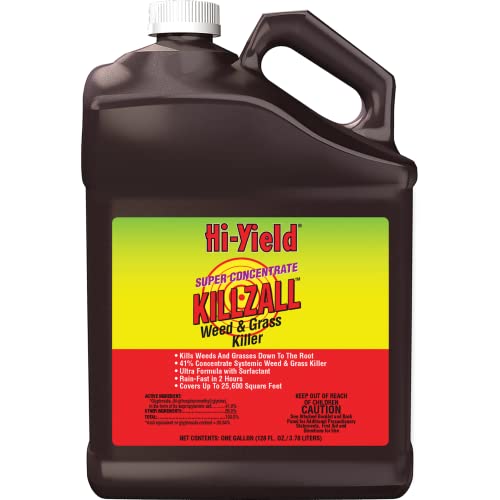
Hi-Yield (33693) Super Concentrate Killzall Weed & Grass Killer, 1 gal

Roundup Dual Action 365 Weed & Grass Killer + 12 Month Preventer, 1.33 gal.

Southern AG 01113 Brush Weed Killer, 1 Quart (32 oz)

Roundup Poison Ivy Plus Tough Brush Killer2 Concentrate, 32 fl. oz.
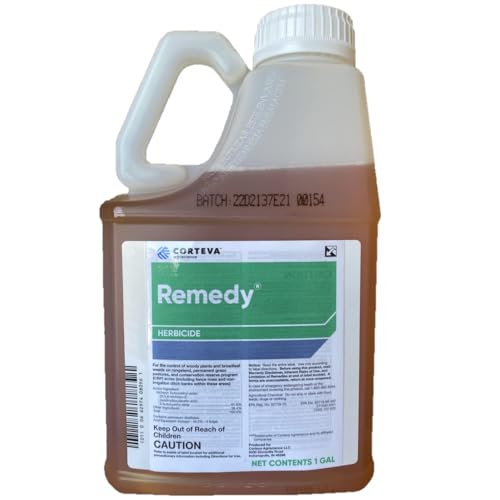
Remedy Specialty Herbicide for Rangeland, Pasture and Fence Lines, 1 Gallon

Roundup Weed & Grass Killer4 Concentrate, 1 gal.

Bonide Poison Ivy & Brush Killer BK-32, 16 oz Concentrate

Roundup Dual Action Weed & Grass Killer Plus 4 Month Preventer Concentrate
Reclaiming a half-acre backyard overtaken by English ivy calls for a concentrate that doesn’t run out mid-job. Hi-Yield’s Killzall Super Concentrate arrives in a one-gallon bottle built for serious coverage, with a double-surfactant blend that helps the active ingredient cling to waxy ivy leaves and absorb quickly. It is a non-selective herbicide, so it will damage any plant it touches, which makes it the wrong tool for spot work near prized ornamentals.
For homeowners dealing with ivy creeping up fence lines, climbing stone walls, or carpeting shaded ground where nothing else grows, this is a practical workhorse. The surfactant mix speeds visible results, though you should still plan on repeat applications for deep ivy roots. Compared with the brush-specific formulas below, this jug trades selectivity for sheer volume, so it earns its place when the infestation has already taken over.
Benefits That Matter
- One gallon covers extensive ground, useful for whole-yard ivy reclamation projects.
- Double-surfactant formulation improves leaf adhesion in shaded or dusty conditions.
- Non-selective chemistry handles vines, woody brush, and broadleaf weeds in one pass.
- Concentrate format lets you mix only what you need, reducing waste on smaller follow-up sprays.
- Faster visible die-back means you can confirm progress within a few days of application.
Worth Noting
- Non-selective action will harm lawn grass, so buffer carefully around turf areas.
- Ivy with deep root systems often requires a second pass after regrowth appears.
- The gallon jug is heavy when full, so plan transport and storage before purchase.
Who It Suits Best
Property owners facing a sprawling ivy takeover on a non-lawn area, who need bulk coverage and a fast-acting non-selective formula.
Consider Something Else When
Homeowners treating ivy that climbs through a maintained lawn should reach for Bonide Poison Ivy & Brush Killer BK-32, since its grass-tolerant chemistry protects surrounding turf.
Killing ivy is half the battle; keeping it from regrowing is the other half. Roundup’s Dual Action 365 pairs a foliar kill with a twelve-month pre-emergent barrier, meaning the same spray stops existing vines and blocks new seedlings from filling the gap. The 1.33-gallon size and Pump ‘N Go 2 sprayer setup suit driveways, gravel paths, fence lines, and other spaces where you want a clean slate for a full year.
Where Hi-Yield’s jug simply erases what’s growing, this one locks the area down afterward. Ivy runners that resprout from missed nodes meet a chemical barrier waiting in the soil. You may find the bulkier bottle and built-in pump take more storage room than a standard concentrate, but for homeowners tired of repeat ivy cycles, the year of prevention is the real payoff.
Well-Handled Touches
- Combines foliar kill with a year-long pre-emergent barrier in a single spray.
- Pump ‘N Go 2 sprayer reduces hand fatigue across large fence-line jobs.
- Targets tough vines like ivy alongside crabgrass, clover, and dandelion.
- Rainfast in roughly thirty minutes, so unexpected showers don’t ruin a treatment.
Honest Caveats
- The long residual barrier prevents any new planting in treated soil for months.
- Bottle and pump add bulk that smaller sheds may struggle to store.
Right Fit For
Homeowners maintaining gravel driveways, patio edges, or fence lines who want one application to cover ivy removal and a year of regrowth prevention.
Look Elsewhere When
Gardeners planning to replant the same area within a few months should consider Roundup Dual Action Weed & Grass Killer Plus 4 Month Preventer Concentrate, which trades duration for a shorter replant window.
Not every ivy problem stretches across an acre. Southern Ag’s Brush Weed Killer comes in a manageable quart bottle aimed at smaller brush jobs, fence-row edges, and pasture touch-ups. The active ingredient is triclopyr at 8.8%, the same chemistry found in heavier commercial brush products, which makes it selective against woody plants and vines rather than a blank-kill formula.
Ivy climbing a backyard fence or invading a hedge line is a textbook fit. Because the chemistry is geared toward brush, surrounding grass typically tolerates spot applications, though you should still keep drift off desirable ornamentals. Compared with the bulkier gallon picks above, this bottle trades coverage area for ease of handling, fitting on a garage shelf without dedicating real estate to leftover concentrate.
Everyday Advantages
- Triclopyr-based formula targets vines and woody brush without sterilizing the soil.
- Quart bottle is easy to carry, store, and mix for small weekend jobs.
- Compatible with foliar spray and cut-stump treatment methods.
- Selective action suits fence lines and pasture edges.
Potential Drawbacks
- Small bottle means large ivy infestations may require multiple purchases.
- Mixing ratios vary by target species, so reading the label matters.
Best Suited To
Homeowners tackling ivy on a single fence section, a shed wall, or a pasture border who prefer a brush-selective formula over a broad-spectrum kill.
Skip It When
Property owners managing ivy across several acres should reach for Remedy Specialty Herbicide, which delivers the same triclopyr chemistry in a gallon format suited to larger spray volumes.
Roundup’s Poison Ivy Plus Tough Brush Killer takes aim directly at the vines that shrug off generic weed killers. The concentrate format comes in a 32-fluid-ounce bottle, sized for mid-sized ivy infestations around the home, and uses a blended formula engineered to penetrate waxy ivy leaves and travel down to the roots. Where generic grass killers struggle with woody vines, this one is built for the job.
For ivy climbing a pergola, scrambling up a tree trunk, or matting across a neglected garden corner, this formula offers a more aggressive approach than the everyday concentrate picks. You may find the smaller bottle size means more frequent refills on sprawling sites, but it also keeps the concentrate shelf-stable and affordable for one-off seasonal treatments.
Everyday Perks
- Penetrates waxy ivy leaves and reaches the root system for thorough kill.
- Concentrate format dilutes to the strength your specific job requires.
- Targets tough brush including wild blackberry, kudzu, and poison ivy.
- Compact bottle fits standard garage storage shelves.
Soft Spots
- Not grass-tolerant, so accidental drift can damage nearby turf.
- Smaller bottle requires refills on multi-area ivy problems.
Who Should Grab It
Homeowners battling established ivy vines on fences, walls, or tree bases who want a dedicated brush-kill concentrate rather than a generic weed formula.
A Better Fit Elsewhere
Shoppers who need to protect surrounding grass while killing ivy should consider Bonide Poison Ivy & Brush Killer BK-32, which is formulated to spare turf during targeted vine treatment.
Multi-acre properties with ivy creeping into pastures or fence rows need a serious brush herbicide with grazing-area flexibility. Remedy’s Specialty Herbicide delivers triclopyr in a gallon jug sized for pasture restoration, fence-line maintenance, and encroaching brush control. It can be sprayed solo or tank-mixed with broader pasture products, which gives experienced users room to customize their application.
The trade-off is that this is a professional-grade concentrate with a label geared toward rangeland, not a casual backyard bottle. Low-odor formulation makes mixing and spraying more pleasant than harsher brush killers, and it works on the entire plant from top growth to root. For most homeowners, the gallon format is more than needed, but for acreage managers it earns its place.
Where It Excels
- Triclopyr concentrate handles brush, vines, and mid-size trees on rangeland.
- Tank-mix flexibility with GrazonNext or ForeFront HL for custom applications.
- Low-odor formula is easier to work with during extended spray sessions.
- Gallon size supports large fence-line and pasture-restoration projects.
Factors To Consider
- Professional label requires careful reading and proper protective gear.
- Overkill for a single backyard fence panel.
Made For
Ranchers, acreage owners, and property managers restoring pasture or fence lines overtaken by ivy and brush who want a concentrate scaled to large spray volumes.
Another Choice May Suit
Homeowners managing ivy on a single residential lot will find Southern AG 01113 Brush Weed Killer more appropriately sized, since the quart format avoids leftover concentrate.
Roundup’s Weed & Grass Killer4 Concentrate is a familiar gallon-jug workhorse for general weed control, and it shows up on this list because broadleaf weeds and shallow ivy roots respond well to its formula. The concentrate dilutes to suit the target, so you can run a stronger mix on established ivy patches and a lighter mix on surrounding weeds. For homeowners with mixed brush and broadleaf growth, one bottle covers multiple chores.
Unlike the brush-specific concentrates above, this formula is not optimized for deep woody vines, so thick ivy mats may need extra attention or repeat treatments. The honest read is that it works fine on younger ivy growth and weaker infestations, but tough old vines climbing a tree may need a dedicated brush killer instead.
Strong Points
- One-gallon concentrate handles a full season of mixed weed and brush tasks.
- Flexible dilution supports both targeted spot sprays and wider blanket applications.
- Rainfast in roughly thirty minutes for unpredictable weather.
- Visible results in hours help confirm the treatment took.
Trade Offs
- Less specialized for woody ivy than brush-specific concentrates.
- Non-selective formula demands careful shielding of desirable plants.
Whose Shelf It Belongs On
Homeowners who want a single concentrate in the garage for routine weed maintenance, light ivy patches, and general yard cleanup throughout the season.
Reach For A Different Pick When
Homeowners battling mature ivy climbing a tree trunk should reach for Roundup Poison Ivy Plus Tough Brush Killer2 Concentrate, which is blended for woody vines.
Bonide’s Poison Ivy & Brush Killer BK-32 earns its place because it kills tough vines and woody weeds without harming lawn grass. That selectivity is rare in this category, and it matters the moment ivy creeps into a maintained lawn or a flower bed border. The 16-ounce concentrate bottle is the smallest on this list, sized for targeted spot treatments along lawn edges and fence lines.
Where the Roundup and Hi-Yield jugs are non-selective and would torch surrounding turf, this formula reads the room. You may find the small bottle size limiting for wide infestations, but for the very common case of ivy invading a yard you actually want to keep green, this is the right shape. The label lists over two hundred controlled species, so the ivy problem is well within its wheelhouse.
The Helpful Details
- Targets poison ivy, poison oak, kudzu, wild blackberry, and woody vines.
- Designed to spare lawn grass during spot treatments.
- Concentrate bottle is small enough for one-handed mixing.
- Also effective on tree stumps and brushy regrowth.
Small Caveats
- Sixteen-ounce bottle won’t cover wide, mature ivy infestations in one fill.
- Mixing ratios vary by target, so label review is necessary.
Perfect Match For
Homeowners with ivy creeping into a maintained lawn or landscape bed who need a vine-killing formula that leaves turfgrass intact.
Not Your Match When
Property owners clearing ivy on non-lawn acreage should consider Hi-Yield Killzall Super Concentrate, since non-selective coverage suits large open sites better than grass-safe formulas.
Not everyone wants a year-long soil barrier blocking future planting. Roundup’s Dual Action Weed & Grass Killer Plus 4 Month Preventer Concentrate delivers the same kill-and-prevent logic as the 365 jug above, but caps the prevention window at four months. That shorter residual means you can replant ornamentals or grass seed the same season without waiting a full year for the barrier to fade.
The concentrate format suits homeowners who want to mix their own spray strength for different zones around the yard. Crack treatment in walkways, fence-line spot sprays, and patio perimeter cleanup all share one bottle. The trade-off versus the 365 jug is that any ivy seeds or runners resprouting after month four will need another round of treatment to keep the area clean.
Useful Strengths
- Kills existing weeds and prevents regrowth for up to four months in one application.
- Shorter replant window than year-long pre-emergent barriers.
- Concentrate format supports mixed-strength applications across zones.
- Suitable for cracks, driveways, gravel paths, and fence bases.
Worth Bearing In Mind
- Four-month barrier leaves the area vulnerable to late-season regrowth.
- Non-selective action requires careful shielding of wanted plants.
Built With In Mind
Homeowners who want seasonal ivy and weed control on hardscapes or fence lines without committing to a year-long replant restriction.
Where A Sibling Pick Shines
Shoppers who want a single annual treatment to cover ivy removal and a full year of prevention should choose Roundup Dual Action 365, which extends the prevention window to twelve months.
How To Pick The Right Herbicide For English Ivy In Your Yard
Match The Formula To The Site
English ivy behaves differently depending on where it grows, and your herbicide should follow suit. Vines climbing a fence or stone wall respond to brush-selective formulas like triclopyr, the active ingredient in Southern Ag’s quart and Remedy’s gallon jug. Ivy creeping across an open non-lawn area, where surrounding plants are not a concern, can be handled by a non-selective glyphosate formula like Hi-Yield’s Killzall. For ivy invading a maintained lawn or landscape bed, a grass-tolerant brush killer such as Bonide BK-32 protects turf while killing vines. Matching chemistry to the site is the single biggest factor in how clean the result looks.
Think About Coverage Before You Buy
Treatments on the label list square footage or acreage that helps you size the bottle. A quart covers a backyard fence panel and maybe one or two follow-ups, while a gallon jug stretches across a quarter-acre or more. Buying too little means multiple trips to the retailer mid-project, while buying too much leaves expensive concentrate sitting on a shelf. Measure the rough square footage of the affected area, then add a margin for the inevitable second pass on tough ivy roots.
Consider The Replant Window
Pre-emergent barriers, like the ones in Roundup’s Dual Action lines, block new growth for months after the initial kill. A twelve-month barrier means you cannot replant that area the same season. A four-month barrier lets you reseed or transplant in the same growing season. If you plan to restore a lawn, install new shrubs, or start a garden bed where ivy once grew, the shorter barrier saves you a full season of waiting.
Application Tools And Safety Basics
Concentrates require a sprayer, protective gloves, and ideally eye protection during mixing. Pump sprayers in the one-to-two-gallon range are the most common tool for these jobs, and a coarse spray nozzle reduces drift onto desirable plants. Always read the product label for the specific species it targets, the recommended dilution ratio, and the personal protective equipment the manufacturer recommends. Storage matters too: most concentrates want a cool, dry, locked space away from children and pets, and original containers with intact labels make future use much easier.
Key Considerations Across These Picks
Common Slip Ups To Sidestep
The most frequent mistake in this category is choosing a non-selective herbicide for ivy growing near lawn grass, which kills the turf along with the vines and leaves an unsightly bare patch. Another common trap is buying a small bottle for a sprawling infestation, then realizing mid-project that the concentrate will not cover the area. Shoppers also underestimate ivy root depth, expect a single spray to finish the job, and end up frustrated when runners resprout a few weeks later. Read the label carefully, plan for at least one follow-up application, and measure the site before buying.
Where The Extra Money Goes
Higher-tier concentrates in this category earn their cost with stronger brush-selective chemistry, larger coverage volumes, or built-in pre-emergent barriers that prevent regrowth for months. Remedy’s gallon jug costs more because it is a triclopyr concentrate scaled for pasture and rangeland work, where applicators need a serious brush-killing tool. Roundup’s Dual Action 365 commands more because it combines a kill and a year of prevention in one bottle, replacing two separate products. If your ivy problem is a one-time fence patch, a budget concentrate handles it well. If you are reclaiming pasture or you want one application to last the year, the extra cost is the smarter spend.
Frequently Asked Questions
How long does it take for herbicide to kill English ivy?
Most contact and systemic concentrates begin showing visible yellowing and wilting within a few days, with substantial die-back over one to three weeks depending on temperature and ivy maturity. Root kill typically takes longer, and you should expect a follow-up inspection four to six weeks after the first spray.
Can English ivy come back after treatment?
Yes, regrowth from missed root nodes or fresh seedlings is common, which is why pre-emergent barriers and repeat applications matter. A single spray rarely finishes a mature infestation, and a planned second pass saves you from watching the same vines resprout next spring.
Is it safe to use herbicide near pets and children?
Most concentrates require a drying period before treated areas are safe for foot traffic from pets and kids. Always follow the product label for reentry intervals and keep pets and children away during mixing and application. Storing concentrates in a locked, elevated space is standard practice.
Should I cut the ivy before spraying?
Cutting or mowing large ivy mats before spraying improves coverage by exposing more leaf surface and reducing the canopy that blocks the spray. For vines climbing fences or trees, a foliar spray on intact foliage is often sufficient and avoids the extra labor of cutting.
Can I use these herbicides on a lawn with grass nearby?
Only grass-tolerant formulas like Bonide’s BK-32 are safe for spot use near turf. Non-selective products such as Hi-Yield Killzall and the Roundup concentrates will damage lawn grass on contact, so they require careful shielding or are limited to non-lawn sites.
Wrap Up
English ivy is stubborn, but the right herbicide matched to the site makes the fight manageable. Non-selective gallon jugs handle large non-lawn infestations, brush-selective triclopyr formulas protect grass and pastures, and pre-emergent barriers keep ivy from cycling back year after year. Match the bottle to the area, plan for a follow-up pass, and read the label before you spray. The ivy problem goes from years-long to a single season when the chemistry lines up with the site.
