

Poison ivy has a knack for showing up where you least want it: along fence lines, around woodpiles, creeping through flower beds. A brushy patch you ignored in May can become a wall of three-leaf vines by August, and every brush against it risks an itchy week. The right herbicide makes the difference between a quick recovery and a season-long battle with regrowth.
This lineup focuses on the formulas that actually move through poison ivy’s waxy leaves and reach the roots, plus a few selective options that protect nearby grass. You’ll find everything from ready-to-spray bottles for small infestations to heavy concentrates for acreage, so you can match the product to the patch you’re fighting.
A Snapshot Of The Selections
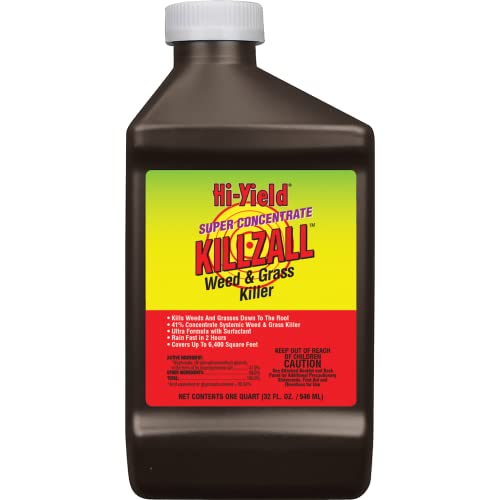
Hi-Yield Super Concentrate Killzall Weed & Grass Killer (32 oz)
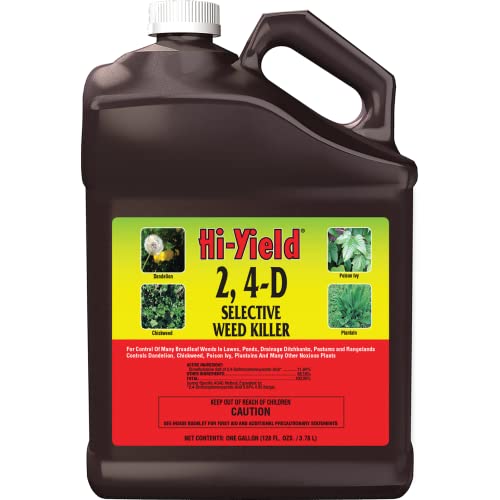
Hi-Yield 2,4-D Selective Weed Killer, 1 gal

Roundup Weed & Grass Killer₄ Concentrate, 1 gal.

Roundup Poison Ivy Plus Tough Brush Killer₂

Bonide Poison Ivy & Brush Killer BK-32 Concentrate
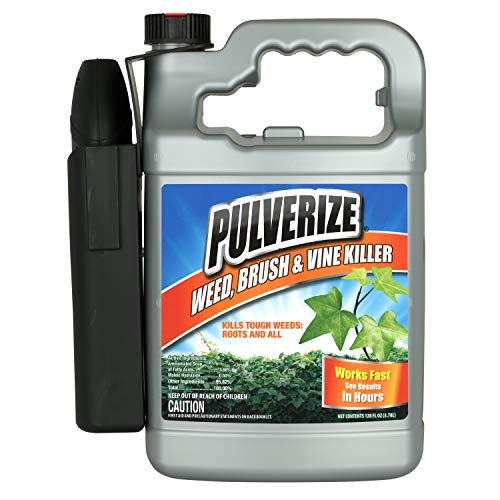
Pulverize Brush & Vine Ready to Use Weed Killer

Roundup for Lawns₂ Concentrate, 32 fl. oz.

Martin’s Eraser Max Super Concentrate, 32 oz
A Deeper Look At The Lineup
The 32-ounce bottle of Hi-Yield Killzall is built for blank-slate cleanup. Think gravel driveways, fence rows, and the edges of a shed where nothing is supposed to grow anyway. A double-surfactant blend helps the active ingredient cling to waxy poison ivy leaves, and the concentrate format lets you scale your mix from a handheld sprayer to a pump tank.
Coverage lands around 6,400 square feet per bottle at typical dilution rates, which is a healthy weekend’s worth of brush for most properties. You won’t want this one anywhere near a lawn, but for total vegetation projects it earns its keep fast.
Key Advantages
- Double-surfactant formula sticks to waxy, hairy leaf surfaces that shed water
- One 32 oz bottle covers up to 6,400 square feet, enough for several fence lines
- Concentrate format means you control the dilution strength per job
- Works through woody brush and broadleaf weeds, not just grassy growth
Things To Consider
- Non-selective, so any grass or desirable plant in the spray zone dies too
- Owners commonly report needing a second pass on mature poison ivy roots
- Concentrate requires accurate mixing; under-diluting wastes product and over-diluting underperforms
Built With In Mind
Homeowners clearing neglected fence lines, gravel paths, or foundation perimeters where total vegetation removal is the goal.
Look Elsewhere When
Skip this and grab Bonide Poison Ivy & Brush Killer BK-32 Concentrate if you need to spare nearby lawn grass while clearing vines.
Selective chemistry is the quiet hero of weed control, and this gallon of 2,4-D concentrate is a textbook example. The active ingredient (a synthetic auxin, meaning a plant hormone mimic that triggers uncontrolled growth in susceptible species) zeroes in on broadleaf weeds while leaving most turfgrasses alone. That makes it a sensible pick for pastures, ditches, and the broadleaf intruders that invade a lawn.
The one-gallon size is aimed at larger jobs. If you’ve got a few acres of pasture or a long stretch of roadside to manage, the math works in your favor. Pair it with a surfactant sticker, and you’ll get better leaf coverage on stubborn targets like poison ivy that have crept in from the edges.
A Few Highlights
- Selective formula preserves desirable grasses while removing broadleaf targets
- Works across lawns, pastures, drainage ditches, and rangeland
- One-gallon volume suits multi-acre treatment plans
- Pairs with a surfactant sticker for improved leaf adhesion on hairy vines
Honest Caveats
- Poison ivy is not its primary target list; results on vines can be inconsistent versus dedicated formulas
- 2,4-D has temperature and wind restrictions that limit application windows
- A surfactant sticker is sold separately, adding to the total project cost
Key Specs
Whose Shelf It Belongs On
Property managers with acreage, pasture owners, or homeowners fighting broadleaf weeds across a wide lawn.
Swap It Out When
Reach for Roundup Poison Ivy Plus Tough Brush Killer₂ instead if your real target is woody vines and brush rather than lawn weeds.
Roundup’s Weed & Grass Killer₄ has earned its place in garages across the country for good reason. The concentrate gives you the flexibility to fill a small trigger sprayer for a poison ivy shoot or to mix a tank for a section of overgrown border. The formula moves through leaves and travels down to the roots, which is exactly what you need for a vine that resprouts from any surviving rhizome.
Compared with the Killzall pick earlier, this one trades some of that raw cost-per-square-foot value for faster visible results and a rainfast window that lets you spray on less predictable spring days. For mixed weed-and-vine patches around a shed or along a stone wall, it’s a sensible default.
Features That Help
- Targets weeds and grasses down to the root, including poison ivy
- Rainproof in around 30 minutes under typical conditions
- Visible wilting often shows within hours, so you know the application took
- One-gallon concentrate scales from spot sprays to larger property jobs
Worth Noting
- Non-selective, so overspray will damage or kill any plant it contacts
- Replanting the treated area requires a wait of 1 to 30 days depending on what you intend to plant
- Mature poison ivy with thick woody stems may need repeat treatments
The Right Fit
Homeowners managing mixed weed-and-vine patches along foundations, walkways, or fence rows who want fast visible results.
Consider Something Else When
Choose Bonide Poison Ivy & Brush Killer BK-32 Concentrate if you want to keep the lawn around your vines intact during treatment.
When the target on your hit list is specifically named on the label, that says a lot. This Roundup variant is formulated for poison ivy, poison oak, poison sumac, wild blackberry, and kudzu, which is a meaningfully different challenge than a generic weed killer. The bundled Comfort Wand sprayer also means there’s no mixing or pumping; you connect it and walk the perimeter.
The trade-off is grass safety. This is a non-selective formula, so it will kill anything green it lands on. But for the worst patches along a tree line or the back corner of a property where brush has been winning for years, the convenience of a ready-to-spray bottle and a chemistry aimed at vines makes this a smart grab.
What Stands Out
- Label specifically lists poison ivy, oak, and sumac, plus tough brush like kudzu and wild blackberry
- Comfort Wand applicator eliminates measuring and mixing steps
- Rainproof in around 30 minutes for less weather-related guesswork
- Visible results typically appear within hours of application
Points To Note
- Non-selective; nearby lawn and ornamentals will brown if oversprayed
- Replant delay of 1 to 30 days depending on what you intend to grow next
- One-gallon size is heavier to carry across uneven terrain
Feature Snapshot
Who Will Love This
Homeowners facing entrenched poison ivy or wild blackberry along fence rows who want a label-matched formula and skip-the-mixing convenience.
A Better Fit Elsewhere
Pick Martin’s Eraser Max Super Concentrate if you need a refillable concentrate to cover several acres of brush on a tighter per-ounce budget.
Bonide’s BK-32 is the rare brush killer that respects the lawn underneath. The selective chemistry targets woody vines and broadleaf intruders while leaving turfgrass unharmed, which is a small miracle if you’ve ever tried to spot-treat poison ivy growing up through a stand of fescue. The concentrate bottle is small enough to fit in a kitchen drawer between treatments.
The label lists more than 240 species it will tackle, including poison ivy, poison oak, kudzu, and wild blackberry. You can also use it on tree stumps if you want to stop unwanted regrowth, which makes it a versatile second bottle to keep on the shelf.
A Few Strong Suits
- Selective formula spares grass while clearing woody vines and brush
- Tackles more than 240 listed species, including poison ivy and kudzu
- Also works as a stump treatment to prevent resprouting
- 32 oz concentrate is manageable for repeated small-batch mixing
Practical Considerations
- Selective action is slower than non-selective herbicides on fully mature woody growth
- Application timing matters more; treat during active growth for best results
- Concentrate format still requires accurate measuring per application
Best Suited To
Homeowners who need to clear poison ivy from within a maintained lawn or pasture without killing the surrounding grass.
Where Another Pick Suits Better
Choose Roundup Poison Ivy Plus Tough Brush Killer₂ if you’re treating fence-line brush where grass preservation isn’t a concern and you’d rather skip mixing.
Pulverize takes a different angle on the poison ivy problem. Instead of glyphosate, the active ingredients here are ammoniated salts of fatty acids (a contact burner that scorches green tissue on contact) and maleic hydrazide (a growth regulator that interferes with regrowth). The combination delivers a fast top-kill plus a longer-term slowdown on resprouting.
The bottle arrives ready to spray, which makes it a low-commitment option for a first attempt at a small patch. The non-staining claim is a real perk if you’re working near concrete, decking, or a fence you’d rather not bleach.
Useful Strengths
- Ready-to-use bottle requires no measuring or mixing
- Non-staining formula protects nearby concrete, decking, and hardscape
- Dual active ingredients combine contact burn with regrowth suppression
- Usable year-round in many climates, including dormant-season spot treatments
Where It Is Less Suited
- Contact-burn action means thorough coverage of leaves is essential for top-kill
- Smaller bottle size is impractical for larger infestations
- Visible results and full root kill can take longer than glyphosate-based products
Spec Overview
Made For
Homeowners treating small poison ivy outbreaks near patios, decks, or fences where staining and mixing are real concerns.
Reach For A Different Pick When
Switch to Hi-Yield Super Concentrate Killzall if you need a more economical concentrate for a full fence line rather than a few isolated vines.
Roundup for Lawns₂ does something the brand’s other bottles don’t: it leaves your grass alive. The selective formula is calibrated for northern turfgrass species and targets more than 250 listed weeds, including crabgrass, dandelion, clover, and yes, poison ivy that has crept in from the edge of the yard.
That’s a tall order, and the chemistry has to walk a careful line between tough enough to kill woody vines and gentle enough to spare fescue or bluegrass. The 32-fluid-ounce concentrate is sized for a mid-sized lawn, and the listed three-month residual control means you’re not out spraying again the following weekend.
Where It Helps
- Selective formula spares northern turfgrass while killing weeds to the roots
- Targets more than 250 listed weeds, including poison ivy and crabgrass
- Up to three months of residual control reduces repeat applications
- 32 fl oz concentrate covers a typical mid-sized lawn
Trade-Offs To Consider
- Limited to listed northern grass species; southern lawns may not be compatible
- Selective chemistry is generally slower than non-selective alternatives on thick vines
- Label instructions are detailed and worth reading fully before the first application
Perfect Match For
Homeowners in northern climates maintaining a cool-season lawn who want to clear poison ivy and other weeds without reseeding.
Skip It When
Go with Bonide Poison Ivy & Brush Killer BK-32 Concentrate if your poison ivy patch is large, woody, and surrounded by grass you also want to preserve with a different formulation.
Martin’s Eraser Max is the bottle you reach for when the vines have already won a few rounds. The formula blends glyphosate (a systemic herbicide that travels from leaves down to the roots) with imazapyr (a long-residual herbicide that keeps regrowth from re-establishing), and that combination is the reason it’s a staple for pros tackling brush along right-of-ways.
The catch is patience. Both active ingredients work as post-emergent treatments on what’s already growing, so you’ll want to spray during active growth and then watch for the slow decline over the following weeks. For homeowners dealing with poison ivy climbing a tree line or smothering a corner fence, the long residual control is the selling point.
The Upside
- Dual-action blend pairs systemic root kill with extended residual control
- 32 oz concentrate dilutes to cover substantial brush infestations
- Targets tough vines, brush, and regrowth that resists single-ingredient formulas
- Liquid concentrate format is straightforward to mix in standard pump sprayers
A Few Limitations
- Non-selective; avoid spraying where you want future plants to grow
- Residual activity means treated soil stays inhospitable to desirable plants for some time
- Slower visible action than contact-burn formulas; plan on a multi-week timeline
Quick Facts
Who Should Grab It
Homeowners and property managers facing heavy, established poison ivy or brush infestations who want long-term suppression rather than a quick top-kill.
Where A Sibling Pick Shines
Pick Roundup Poison Ivy Plus Tough Brush Killer₂ with the Comfort Wand if you’d rather trade the residual control for a faster, ready-to-spray format.
What To Weigh Before Choosing A Poison Ivy Herbicide
Selective Versus Non-Selective
The first real decision is whether you want to spare the surrounding grass. Selective herbicides like Hi-Yield 2,4-D and Bonide BK-32 keep turf intact while targeting broadleaf intruders, which matters when poison ivy has crept into a maintained lawn. Non-selective herbicides like the Killzall or Roundup concentrates will kill anything green they touch, so they’re best for fence lines, gravel, and brushy edges where no desirable plants are at stake.
If your patch is small and isolated, a ready-to-spray bottle like the Pulverize or the Roundup Comfort Wand keeps overspray risk lower because you’re treating only what you point at.
Spray Format And Mixing Comfort
Concentrates cost less per treated square foot but ask for accurate measuring and a compatible sprayer. Ready-to-spray bottles cost more per ounce but remove the math and the cleanup. For homeowners treating one or two small patches a season, the convenience premium is usually worth it. For larger acreage or repeat treatments, concentrates pay off quickly.
A surfactant (a wetting agent that reduces surface tension so spray clings to waxy leaves) or sticker (an additive that helps droplets adhere once they land) can dramatically improve how much herbicide actually stays on poison ivy’s glossy leaf surface. That’s especially relevant if you’re working with a selective formula on hairy vines.
Speed Of Kill And Residual Activity
Contact-burn formulas like Pulverize show fast visible results, often within hours, but may need follow-up sprays. Systemic formulas (those absorbed into the plant and moved to the roots) like glyphosate work more slowly but kill the entire plant, including the root system. Residual herbicides like Martin’s Eraser Max add a third layer, suppressing regrowth from roots and seeds in the soil for an extended period.
The honest trade-off is patience versus permanence. Fast contact action feels satisfying but rarely ends the problem on its own.
Application Window And Site Restrictions
Most herbicides perform best when applied during active growth, typically from spring through early autumn when leaves are fully expanded and plants are moving nutrients downward. Temperature, wind, and rain-fastness windows all matter for a clean application. Always read the label for nearby-water buffer distances (the no-spray zone required near streams or ponds), replanting intervals, and any grazing or pet restrictions that apply to your specific property.
Key Considerations Across These Picks
Wrong Turns To Avoid
Grabbing a non-selective herbicide for a poison ivy patch inside a lawn is the most common mistake, and the brown ring of dead grass around the treated area usually shows up within a week. Match the product to the surrounding vegetation, not just the target weed.
Spraying too early in spring, before leaves have fully expanded, is the second most common error. Sparse, waxy new leaves don’t absorb enough herbicide to move a lethal dose to the roots, which leads to a frustrating mid-summer regrowth.
Where The Extra Money Goes
The jump from a generic concentrate to a targeted formula like Roundup Poison Ivy Plus Tough Brush Killer₂ or Martin’s Eraser Max usually buys chemistry specifically tested against the species on the label. That means better leaf absorption on hairy vines, longer residual control, and a higher likelihood of root kill on the first pass. For small infestations, the premium is hard to justify, but for entrenched brush it can save multiple seasons of repeat spraying.
Frequently Asked Questions
Will any of these herbicides kill poison ivy to the root?
Systemic formulas with glyphosate or triclopyr as the active ingredient move from the leaves down into the root system and can kill the entire plant when applied during active growth. Contact-burn formulas scorch only the top growth and usually need follow-up treatments.
Can I spray poison ivy killer without harming my lawn?
Selective herbicides like Hi-Yield 2,4-D, Bonide BK-32, and Roundup for Lawns₂ are designed to spare listed turfgrass species while removing broadleaf weeds. Non-selective herbicides will damage or kill any grass they contact.
How long does it take to see results?
Visible wilting from most systemic formulas shows within hours to a few days, but full root kill typically takes one to three weeks. Residual herbicides like Martin’s Eraser Max can take longer for top-kill but provide extended suppression afterward.
Is it safe to use these products around pets and kids?
Always read the specific product label for reentry intervals (the waiting period before people or pets can safely return to a treated area) and grazing restrictions. Most herbicides require the spray to dry completely before pets or children return, and treated areas should be avoided until the product has fully absorbed or degraded.
What’s the best time of year to treat poison ivy?
Late spring through early fall is generally ideal, when leaves are fully expanded and plants are actively growing. Mature, woody vines may need repeat treatments regardless of timing, especially in regions with deep root systems.
Closing Remarks
The right herbicide depends less on brand and more on where the vines are growing and what you want to keep alive around them. Start by identifying whether you need selective or non-selective action, then match the format to your comfort level with mixing and spraying. With the right product and a patient application during active growth, even stubborn poison ivy patches can be brought under control.
