

Storm seasons leave branches everywhere, and dragging them to the curb gets old fast. Home wood chippers turn piles of limbs and yard debris into manageable mulch you can reuse in garden beds. The right chipper depends on the size of your property, the thickness of what you cut, and how much quiet you want during Saturday morning cleanup.
This roundup covers eight options across electric and gas categories, from compact corded units for small suburban lots to heavy-duty gas models for acreage and storm cleanup. Each pick earns its place for a clear use case, so you can match the tool to the workload rather than the marketing.
An Overview Of The Picks

Landworks 3-in-1 Gas Wood Chipper Shredder 7 HP

LawnMaster Electric Wood Chipper FD1503

Yeryork Electric Wood Chipper with 50L Bag
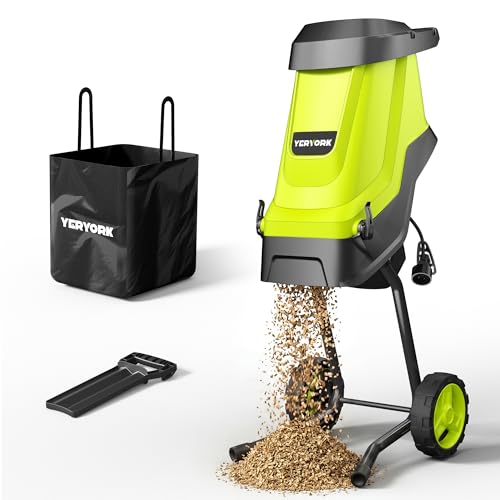
Yeryork Electric Wood Chipper with 45L Bag

EFCUT C30 LITE 7 HP Gas Chipper

GARDENBEAUT S3 7HP Gas Chipper

AIVOLT 15-Amp Electric Chipper Shredder

EFCUT C40 9 HP 4-Inch Gas Chipper
Why These Options Stand Out
Landworks built this 3-in-1 around a 7 HP gas engine, and the design pulls double and triple duty where most chippers stop at one job. The slanted top hopper handles smaller yard trimmings up to roughly one inch, the side chute accepts branches near three inches across, and an attachable leaf vacuum mulches what falls on the lawn.
For most homeowners with half-acre lots and regular storm cleanup, the reduction ratio (a measure of how much raw debris shrinks into usable mulch) of 15:1 means fewer trips to the compost pile. Owners commonly report pairing it with a small tow bar for repositioning around the yard. It runs loud like most gas units, so ear protection matters.
Positive Takeaways
- Three feed options in one frame reduce the need for separate tools.
- Side chute handles up to 3-inch branches that stall smaller electric units.
- 15:1 reduction ratio turns bulky piles into usable mulch quickly.
- Gas power means no extension cord or outlet hunt.
- Tow bar compatibility helps reposition around larger properties.
Things To Consider
- Gas engines require fuel mixing, oil checks, and seasonal storage care.
- Operating noise will bother close neighbors during early weekend hours.
- The footprint is heavier than electric picks like the LawnMaster FD1503.
Built With In Mind
Rural and suburban homeowners with mature trees, frequent pruning, and storm debris who want one machine to handle brush, branches, and leaves.
Skip It When
You live in a townhome or HOA community where gas noise is restricted, in which case the quieter LawnMaster Electric Wood Chipper FD1503 fits the bill.
The LawnMaster FD1503 runs on a 15-amp motor spinning a two-sided blade at 3,700 RPM, which is plenty for the typical suburban cleanup. The cutting diameter tops out near 1.8 inches, so the realistic workload is hedge trimmings, small branches, and the endless pile of autumn twigs.
Where this one earns its spot is the simplicity: plug it into a standard outdoor outlet, drop debris in, and watch a 14:1 reduction ratio compress fourteen bags of debris into one. The polypropylene housing resists dents from stray sticks and keeps the weight friendlier than gas alternatives. Compared with the Landworks, it trades raw power for a quieter Saturday morning.
Practical Pluses
- Lightweight enough for most users to wheel to the work site.
- Two-sided blade reduces the need for manual sharpening between sessions.
- 14:1 reduction ratio handles hedge trimmings and small limbs.
- Collection bag keeps mulch contained for easy garden spreading.
Worth Noting
- 1.8-inch capacity rules out the thick branches the Landworks can swallow.
- Cord length limits reach unless you own a heavy-duty outdoor extension cord.
- Polypropylene housing, while dent-resistant, is not as rugged as steel frames.
Key Attributes
Right Fit For
Suburban homeowners with small yards, hedge trimmings, and light seasonal cleanup who prefer a plug-and-go electric over a gas engine.
Look Elsewhere When
You regularly tackle branches thicker than 1.8 inches, in which case the EFCUT C30 LITE 7 HP Gas Chipper handles the heavier loads with ease.
The Yeryork 50L model shares the same 15-amp, 4,000 RPM platform as several picks here, but it differentiates with a larger collection bag and SK5 high-hardness rust-resistant dual-edge blades. SK5 is a high-carbon tool steel known for edge retention, so the blades stay sharp across multiple sessions without constant touch-ups.
The anti-jamming design matters in real yards, where green wood, fresh trimmings, and damp leaves tend to clump. For gardeners who shred weekly rather than seasonally, the 50L capacity means fewer bag swaps between flower beds. You may find the chute design works best with shorter cuttings rather than long, whippy branches.
Real-World Strengths
- SK5 steel blades resist rust and hold an edge through repeated sessions.
- 21:1 reduction ratio compresses more debris into the same bag space.
- Anti-jamming chute reduces mid-job stoppages on damp material.
- 50L bag cuts down on emptying trips across a large garden.
Trade Offs
- 1.8-inch cutting limit matches the LawnMaster, not the gas chippers.
- Bigger bag adds some bulk when storing in tight sheds.
Who It Suits Best
Backyard gardeners with established shrubs, perennial beds, and a steady stream of prunings who want to mulch in place rather than haul debris away.
Consider Something Else When
Storage space is a concern, in which case the Yeryork 45L version offers the same cutting performance in a slightly tighter footprint.
The 45L Yeryork trims the bag size down five liters from its sibling, which sounds small but matters when the chipper lives in a corner of a one-car garage. The cutting performance is identical to the 50L version, with the same 15-amp motor, SK5 dual-edge blades, and 21:1 reduction ratio.
This is the pick for tight storage and shared spaces, where every square foot counts. Owners commonly note the slightly smaller frame is easier to wheel out for a quick Saturday session and roll back into the shed without rearranging the lawn mower.
A Few Highlights
- Identical cutting power to the 50L model in a more compact package.
- Anti-jamming chute keeps mid-session clogs rare.
- SK5 blades stay sharp across weekend projects.
Honest Caveats
- 45L bag fills faster on big cleanups.
- Still capped at 1.8-inch branches.
- Corded design limits reach without an outdoor-rated extension.
Best Suited To
Patio-home residents and small-yard owners who want the Yeryork cutting platform but need the unit to fit through a standard shed door or tuck beside a workbench.
A Better Fit Elsewhere
You process large piles in single sessions, in which case the Yeryork 50L model swaps slightly more footprint for noticeably fewer bag swaps.
The C30 LITE runs a 212cc overhead-valve engine at up to 3,600 RPM, and the 11.8-inch cutting rotor is wider than what competing mini chippers offer. A bigger rotor means more momentum (the spinning mass that keeps the blade moving through tough cuts), which translates to fewer stalls when feeding thick, knotty branches.
The recoil start is the standard pull-cord system on small engines, and the OHV design tends to start reliably in mild weather. Compared with the Landworks, the C30 LITE is more focused on chipping rather than vacuuming leaves, but the engine and rotor combination chew through three-inch limbs without complaint.
Where It Delivers
- 3-inch capacity handles limbs that stall most electric chippers.
- Larger rotor keeps blade speed stable through dense material.
- OHV engine design favors easier cold starts.
Points To Note
- Gasoline and oil maintenance adds seasonal upkeep.
- No leaf vacuum attachment like the Landworks 3-in-1.
- Operating noise rules out very early morning use in dense neighborhoods.
Feature Snapshot
Made For
Rural homeowners with mature trees and steady pruning work who want focused chipping power without the 3-in-1 extras of the Landworks.
Swap It Out When
You need a true all-in-one for branches and leaves, in which case the Landworks 3-in-1 adds the vacuum function for one-pass yard cleanup.
The GARDENBEAUT S3 keeps the same 7 HP, 212cc engine class as the C30 LITE but trims weight by focusing on a vertical extended discharge chute with an adjustable guide. That guide lets you aim mulch directly into a wheelbarrow or trailer without repositioning the whole machine.
For workshop owners and acreage residents, the lighter frame makes sense, since you often tow or reposition the chipper around the property. The 15:1 reduction ratio is the same efficient compression ratio you’ll see across this class, so output is comparable to the C30 LITE.
Reasons It Performs
- Adjustable discharge chute aims mulch exactly where needed.
- Lighter steel construction eases repositioning around acreage.
- 3-inch capacity matches typical storm debris.
Small Caveats
- Lighter build means less inertia than the C30 LITE rotor on dense cuts.
- Recoil start requires pull-cord effort in colder weather.
Who Should Grab It
Property owners with workshop setups or shed-based storage who want a gas chipper that aims mulch precisely rather than scattering it.
Not Your Match When
You process dense, knotty hardwood regularly, in which case the heavier EFCUT C40 rotor provides more cutting momentum.
The AIVOLT runs an 1,800-watt, 15-amp motor at 4,000 RPM with an 18:1 reduction ratio, so it sits comfortably in the upper end of the electric class. The standout detail is the anti-blowout collection bag, which keeps shredded material inside rather than scattering it across the patio.
For close-quarter homes, townhomes, and yards shared with neighbors, that bag design matters more than a slightly faster blade. The 1.8-inch cutting limit matches the rest of this electric group, and the AIVOLT pairs nicely with regular composting routines.
The Practical Payoff
- Anti-blowout bag contains mulch during windy days.
- 18:1 ratio outpaces most electric competitors in compression.
- Quiet operation suits HOA and shared-wall neighborhoods.
- 45L bag capacity handles typical cleanup without constant swaps.
Points To Keep In Mind
- Corded design still limits reach to outdoor outlet proximity.
- Cutting diameter caps at 1.8 inches like similar electric units.
Feature Card
Who Will Love This
Townhome and patio-home owners who need a quiet, contained chipper that won’t send mulch onto the neighbor’s side of the fence.
Reach For A Different Pick When
You want a bigger bag to limit swap frequency, in which case the Yeryork 50L model offers five more liters of capacity.
The C40 steps up to a 9 HP, 274cc engine and a 15.9-inch flywheel (the heavy rotating disc that stores cutting energy between blade strikes), which is meaningfully larger than the C30 LITE’s rotor. That added mass keeps the blade moving through dense, knotty, or slightly wet wood that would stall smaller engines.
The 4-inch branch capacity handles limbs most homeowners will never see, but for acreage properties and storm recovery work, the extra reach matters. Compared with the GARDENBEAUT S3, this one trades quieter operation for raw chipping power. The longer blades cut a wider swath per pass, so the chipping goes faster even when the engine runs at modest RPM.
What Stands Out
- 9 HP engine outmuscles every other chipper in this roundup.
- 15.9-inch flywheel sustains momentum through knotty branches.
- 4-inch capacity swallows limbs beyond the 3-inch gas class.
- Longer blades reduce the number of feeding passes per pile.
Less Ideal Details
- Heavier than the S3 and C30 LITE, so loading and towing need a vehicle.
- Gas engine requires fuel and oil routine plus seasonal storage prep.
- Higher operating noise than the 7 HP gas alternatives.
Perfect Match For
Acreage owners, rural properties, and homeowners recovering from major storm events who need to process thick, accumulated debris in fewer passes.
Where A Sibling Pick Shines
You mainly handle 1-to-2-inch trimmings on a small lot, in which case the AIVOLT 15-Amp electric chipper is quieter, lighter, and far easier to store.
Picking The Right Chipper For Your Yard
The first decision is power source, since it shapes everything from cost to convenience. Electric chippers run quieter, weigh less, and need only a standard outdoor outlet, but they cap out near 1.8-inch branch capacity. Gas chippers handle thicker limbs and run anywhere on your property, though they need fuel mixing, oil changes, and seasonal storage care. Most suburban homeowners with hedge trimmings and small branches find electric more than enough; rural and acreage owners typically need gas.
Cutting diameter tells you what the chipper can actually eat. Manufacturers list a maximum, but realistic performance usually sits a touch below that on hardwood. Look for the rotor or flywheel size if you can find it, because a heavier rotor (the spinning blade carrier) keeps momentum through tough cuts that would stall lighter machines. Reduction ratio (how many bags of debris become one bag of mulch) matters less than capacity, but a higher number means fewer emptying trips during long sessions.
Collection bag or discharge chute changes how you work. Bags keep mulch contained for direct garden spreading, which suits patio homes and tidy yards. Chutes aim mulch into a wheelbarrow or trailer, which suits acreage and big projects. Anti-blowout bag designs help in windy conditions, while adjustable discharge chutes help when you want mulch in a specific spot.
Match the chipper to the workload rather than the price tag. A compact electric handles a small suburban lot for years; an underpowered gas unit on acreage becomes a frustration. Buy for the branches you actually have, not the ones the marketing photos show.
Key Details Worth Comparing Across These Picks
Pitfalls Shoppers Hit
The most common mistake is buying a chipper rated for 3-inch branches and expecting clean cuts every time on hardwood. Real performance varies with wood moisture and density, and green wood behaves differently than seasoned. Another trap is underestimating storage. Gas chippers with tow bars and discharge chutes need real space, and a unit that doesn’t fit through the shed door ends up parked outside, where it rusts.
Cord length catches shoppers off guard too. Electric chippers need a heavy-duty outdoor extension cord, and using a light indoor cord damages both the chipper and the outlet. Finally, skipping eye and ear protection turns a routine cleanup into a regret.
Where The Extra Money Goes
Spending up on a gas chipper buys a bigger engine and a heavier flywheel, which together handle thicker limbs and sustain speed through knotty wood. Premium electric picks tend to upgrade blade steel (SK5 over standard tool steel), which holds an edge longer and resists rust. A larger collection bag or an adjustable discharge chute sounds minor, but it shapes how the chipper fits into your cleanup workflow. For most homeowners, the upgrade pays off when the workload grows or the property gets bigger; for small suburban lots, the mid-tier picks handle years of work without complaint.
Frequently Asked Questions
How big of a branch can home wood chippers handle? Most electric home wood chippers cap around 1.8 inches in cutting diameter, while gas models typically reach 3 inches. Heavy-duty gas units like the EFCUT C40 push to 4 inches for storm recovery and acreage work.
Are electric wood chippers powerful enough for regular yard cleanup? For suburban lots with hedge trimmings, small branches, and leaves, a 15-amp electric chipper handles the workload comfortably. For thicker limbs or continuous commercial-style use, a gas chipper is the better match.
What maintenance does a gas wood chipper need? Gas chippers need fresh fuel, regular oil checks, and air filter cleaning. Seasonal storage means draining the fuel or running stabilizer through the carburetor, and the blades benefit from periodic sharpening to keep clean cuts.
Can you put leaves and soft yard waste through a chipper? Yes, though soft green material tends to clump if fed too fast. Anti-jamming chute designs help, and some chippers like the Landworks 3-in-1 include a dedicated leaf vacuum for that exact job.
Is it safe to chip wet or green wood? Wet and green wood works but produces coarser mulch and stresses the motor more than dry wood. Feed it slowly, alternate with dry branches when possible, and let the blade clear between batches to reduce jams.
Wrap Up
The right home wood chipper matches your property, your typical debris, and your tolerance for noise and maintenance. Electric picks like the LawnMaster and AIVOLT suit suburban lots and shared spaces, while gas models like the Landworks and EFCUT C30 LITE step in for thicker limbs and bigger properties. Heavy storm work calls for the C40’s 9 HP engine and 4-inch capacity. Match the tool to the yard, store it properly between sessions, and cleanup becomes a quick Saturday job rather than an all-day haul.
