

Aphids have a way of turning a tidy vegetable bed into a sticky, curling mess overnight. Whether you’re nursing a small rose bed or guarding a backyard orchard, the right spray makes the difference between a quick recovery and a season-long battle. This lineup spans traditional chemistries, botanical oils, biological controls, and three-in-one formulas, each matched to a specific kind of garden and gardener.
A Quick View Of The Lineup

Hi-Yield (32029) 55% Malathion Spray, 32 oz

Fertilome (11247) Triple Action RTS Insecticide Fungicide, 32 oz

Earth’s Ally 3-in-1 Plant Spray for Pests & Disease, 32 Oz
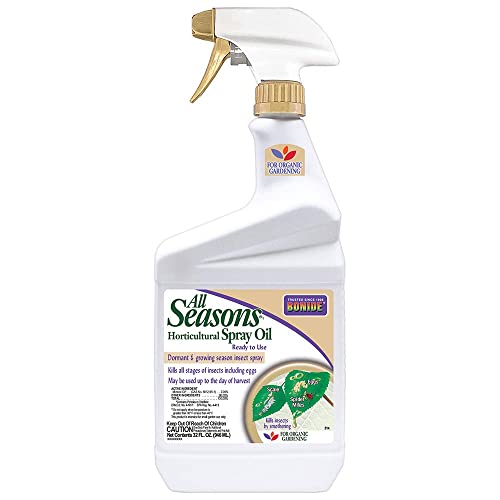
Bonide All Seasons Horticultural & Dormant Spray Oil, 32 oz

Garden Safe Brand Fungicide3 with Neem Oil, for Organic Gardening, 1 Gal

EcoVenger® Garden Insect Control 16 oz | Kills Aphids Mealybugs Spider Mites Gnats and Eggs | Indoor Outdoor | Plant-Based Child and Pet Safe

BioAdvanced 3-in-1 Insect, Disease, and Plant Mite Control Spray – 24 fl oz

Summit Caterpillar and Webworm Control-Hose End, 1 Qt Concentrate For Insects
More Details On Our Top Picks
When aphid colonies have already ballooned into curled, sticky terminals on your tomatoes or peppers, you reach for the heavy chemistry. Malathion is a broad-spectrum organophosphate that interrupts insect nervous systems, and the Hi-Yield 55% concentrate packs that punch into a 32 oz bottle sized for repeat treatments across a full season.
Spray coverage does most of the work here, and applying in calm weather with no rain in the forecast for 24 hours gives the active ingredient time to do its job. Compared with the botanical picks later in this list, Malathion moves fast on contact but it isn’t selective. You may find it useful as a reset spray before rotating to a gentler product for follow-up.
Bright Spots
- Broad pest range covers aphids, thrips, spider mites, and lace bugs in one bottle.
- Label covers vegetables, fruit trees, ornamentals, and shrubs, so it travels across zones.
- Concentrate format stretches a 32 oz bottle across many treatments.
- Fast knockdown when infestations are already established and visible.
Things To Consider
- Hard on beneficial insects like ladybugs and lacewings, so timing matters.
- Re-entry intervals after spraying can interrupt regular garden routines.
- Strong chemical odor at application is widely reported.
- Mixing and measuring requires care for safe, even coverage.
Key Specs
Made For
Experienced gardeners facing a heavy aphid outbreak on edibles who want fast knockdown and broad coverage in a single bottle.
Consider Something Else When
The Earth’s Ally 3-in-1 suits you better if your priority is a botanical, indoor-safe spray around pets and kids.
For gardeners juggling aphid outbreaks alongside early signs of leaf spot or powdery mildew, juggling two bottles gets old fast. The Fertilome Triple Action ready-to-spray handles insects, mites, and fungal disease in one pass, so a single weekly walk through the garden can cover most preventive maintenance.
The 32 oz RTS (ready-to-spray) bottle connects directly to a hose, which removes measuring and mixing from the routine. Labeled for fruits, herbs, vegetables, roses, and shrubs, it’s a flexible middle-ground pick between the heavy Malathion above and the gentler botanical blends further down. Depending on your pest mix, this may be the only spray you need to keep on the shelf.
Useful Touches
- Three-way action covers insects, mites, and fungal disease together.
- Hose-end ready-to-spray design skips measuring and mixing steps.
- Labeled for a wide range of edibles and ornamentals.
- Targets aphids, spider mites, leafminers, and leafrollers in one bottle.
- Helpful preventive option against powdery mildew, rust, and leaf spot.
Worth Noting
- Triple-action formula means you can’t treat one issue without exposing plants to all three active ingredients.
- Hose-end bottles can apply more product than hand-pump sprayers, which adds up across a large property.
- Stronger chemistry than pure botanical options, so caution around pollinators still matters.
Right Fit For
Home gardeners managing a mixed annual and perennial bed who want one bottle that handles insects and disease together.
Look Elsewhere When
Bonide All Seasons Horticultural & Dormant Spray Oil is a better match for fruit tree growers who mostly need a seasonal oil program.
Indoor collections and kitchen-window herbs call for gentler chemistry than a backyard orchard spray. Earth’s Ally uses a blend of essential oils to smother soft-bodied insects like aphids, working much like a classic insecticidal soap but with a botanical scent profile. The 32 oz ready-to-use bottle keeps things simple.
You spray, you wipe, and the leaves keep their shine. That routine fits a busy household where pets brush past plants or toddlers help with watering. Compared with the heavier Malathion, the trade-off is slower knockdown and the need for repeat applications every few days during an active infestation.
A Strong Showing
- Botanical essential-oil formula suits indoor and outdoor use alike.
- No measuring, mixing, or protective gear beyond gloves.
- Effective against soft-bodied insects like aphids and whiteflies.
- Ready-to-use format fits routine weekly sprays on houseplants.
Trade Offs
- Slower action on heavy infestations requires multiple repeat sprays.
- Essential-oil scent, though mild, lingers briefly after application.
- Less effective once a colony is firmly established compared with synthetic chemistries.
Feature Snapshot
Who It Suits Best
Apartment growers and houseplant collectors who want a botanical spray that’s safe to use around curious pets and small children.
Not Your Match When
The Hi-Yield 55% Malathion Spray fits better when you’re battling an outdoor outbreak that demands faster knockdown.
Fruit tree growers play a different game than vegetable gardeners. A dormant oil program timed to late winter and bud break smothers overwintering aphid eggs before they ever hatch, and that’s where Bonide All Seasons fits in. The same paraffinic oil also works as a summer spray on green tissue, so one bottle handles two passes of the season.
The 32 oz bottle is sized for a backyard orchard of a few trees, and the spray profile stays gentle enough for organic gardening practices. Compared with the broader-spectrum Fertilome Triple Action, this oil won’t address fungal disease, so you’ll still want a fungicide in the shed if rust or mildew is part of your rotation.
What Helps Most
- Smothers overwintering aphid and scale eggs during dormancy.
- Works as both dormant and summer foliar spray.
- Suitable for organic gardening programs.
- Targets aphids, scale, mealybugs, and whitefly across fruit trees and shrubs.
Points To Note
- No fungicide activity, so fungal issues need a separate product.
- Oil sprays can damage foliage if applied in direct sun or extreme heat.
- Dormant timing windows are narrow and easy to miss.
Perfect Match For
Backyard orchardists and rose growers building a seasonal dormant-spray routine around a small number of trees or shrubs.
Swap It Out When
The BioAdvanced 3-in-1 Insect, Disease, and Plant Mite Control Spray is a better call for ornamentals where disease and mites are equal priorities.
A one-gallon jug is the right scale for a serious organic gardener working a full vegetable patch plus roses. Garden Safe Fungicide3 uses clarified hydrophobic neem oil extract as its active, which works as a fungicide, insecticide, and miticide in one bottle. Neem oil, for the unfamiliar, disrupts insect feeding and reproduction while also coating fungal spores.
That three-in-one profile means a single weekly rotation through the garden covers aphids, whiteflies, spider mites, black spot, rust, and powdery mildew. Compared with the smaller 32 oz bottles earlier in this list, the gallon format simply outlasts them when spray frequency climbs through peak summer.
What It Does Well
- Three garden products in one jug handles fungus, insects, and mites.
- One-gallon volume fits large gardens and multi-bed rotations.
- Active ingredient is clarified hydrophobic neem oil extract.
- Labeled for organic gardening on edibles and ornamentals.
- Targets aphids, whiteflies, and spider mites in addition to fungal issues.
A Few Limitations
- Neem oil can burn foliage when sprayed in direct midday sun.
- Bulk size is heavy to lug around the garden.
- Slower knockdown than synthetic options during heavy outbreaks.
Best Suited To
Committed organic gardeners with multiple raised beds or a large edible garden who need volume and broad coverage in one container.
Reach For A Different Pick When
The EcoVenger Garden Insect Control is a better fit for smaller indoor setups where the plant-based safety profile matters more than volume.
When the priority is keeping a spray bottle within reach of curious toddlers and roaming cats, plant-based formulas earn their place. EcoVenger uses essential oils in a 16 oz ready-to-use bottle that handles aphids, mealybugs, spider mites, gnats, and their eggs on contact. The smaller bottle size suits a kitchen herb garden or a windowsill collection more than a half-acre yard.
It works indoors and outdoors, so a single bottle can move between the houseplants and the patio containers. For delicate or newly sprouted growth, the label calls for diluting with water, which gives you more control over how much active ingredient reaches tender leaves. Compared with the heavier Malathion earlier in this list, the trade-off is repeat applications and patience.
Everyday Advantages
- Plant-based essential-oil formula safer around children and pets.
- Targets aphids, mealybugs, spider mites, gnats, and insect eggs.
- Dilutable for delicate or newly sprouted plant tissue.
- Works on indoor and outdoor plants with one bottle.
Room For Improvement
- 16 oz size runs out quickly on larger garden applications.
- Repeat sprays needed for full knockdown during active infestations.
- Essential-oil scent is more noticeable than synthetic options.
Feature Card
Whose Shelf It Belongs On
Parents and pet owners managing indoor plants and small herb gardens who want a daily-driver spray that’s safer to keep on the counter.
A Better Fit Elsewhere
The Garden Safe Fungicide3 with Neem Oil suits you better when running a full organic garden that needs gallon-scale coverage.
Shrub borders and foundation plantings around the house often fight aphids, mites, and fungal leaf spots at the same time. BioAdvanced’s 24 fl oz 3-in-1 spray tackles all three problems with a single bottle, which simplifies the rotation that ornamental beds usually demand. The smaller bottle compared with the gallon-size Garden Safe keeps storage simple.
Application goes onto flowering plants, trees, and shrubs, with coverage for adult Japanese beetles, aphids, whiteflies, black spot, powdery mildew, and rust. That said, BioAdvanced uses synthetic chemistry, so pollinator caution still applies. For most backyards, the routine comes down to a careful evening spray when bees are off the blooms.
Noteworthy Benefits
- Three-in-one coverage handles insects, mites, and disease together.
- Effective against Japanese beetles, aphids, and whiteflies.
- Targets black spot, powdery mildew, and rust on ornamentals.
- 24 fl oz bottle is manageable for routine homeowner storage.
Honest Caveats
- Synthetic chemistry means pollinator-friendly timing is essential.
- Not labeled for edible gardens in the same way as other picks.
Who Should Grab It
Homeowners tending foundation shrubs, flowering borders, and small ornamental trees who want one bottle that covers insect and disease pressure.
Skip It When
Bonide All Seasons Horticultural & Dormant Spray Oil is a smarter pick for fruit trees where a seasonal oil program is the goal.
Strictly speaking, Summit Caterpillar and Webworm Control targets caterpillars, not aphids. The active is Bacillus thuringiensis subsp. kurstaki, often abbreviated Btk, a naturally occurring soil bacterium that, once ingested, breaks down the gut of leaf-eating caterpillars in the order Lepidoptera. Cabbage worms and tomato hornworms fall to it without harming beneficial insects.
That selectivity is the entire point. Where aphids and caterpillars hit the same brassica bed, you can spray Btk for worms and rotate to a botanical or oil product for aphids without doubling up on broad-spectrum chemistry. The 1 qt hose-end concentrate covers a sizeable vegetable patch or orchard, and it stays gentle enough for organic gardening programs.
Features That Help
- Btk bacterium targets only caterpillars, sparing beneficial insects.
- Effective on cabbage worms, tomato hornworms, and webworms.
- Concentrate bottle stretches across multiple applications.
- Fits organic gardening routines.
Softer Spots
- Does not control aphids, so a separate product is needed for sucking insects.
- Works only on young, actively feeding caterpillars.
- Hose-end mixing can vary with water pressure.
Feature Rundown
Built With In Mind
Vegetable gardeners fighting cabbage worms and tomato hornworms who want a biological control that fits an organic rotation.
Another Choice May Suit
The Fertilome Triple Action makes more sense when aphid and fungal pressure is the main headache rather than caterpillars.
What Matters Most Before Choosing Insecticides For Aphids
Matching a spray to your garden starts with honestly assessing the pest pressure, the plants involved, and who shares the space. The right product for a backyard orchard rarely suits a kitchen windowsill, and the cheapest bottle isn’t always the best fit when pollinators are nearby.
Identifying The Pest Pressure
Before reaching for any bottle, walk the garden and look closely at the damage. Aphids cluster on new growth and undersides of leaves, leaving behind sticky honeydew and curled tips. Caterpillars leave chewed margins and frass. Spider mites stipple leaves with tiny yellow dots. Each problem responds to a different active ingredient, and a misdiagnosis sends you chasing the wrong spray.
Choosing Between Contact, Systemic, And Biological Modes
Contact insecticides kill on direct spray and work fast on soft-bodied insects like aphids. Systemic products move into plant tissue and protect new growth for longer, but they usually aren’t labeled for edibles. Biological options like Btk (Bacillus thuringiensis subsp. kurstaki) target a specific pest group while leaving beneficial insects alone. Knowing which mode suits your situation keeps the spray rotation honest.
Matching The Product To The Setting
Indoor and patio use calls for ready-to-use bottles with simple mixing. Outdoor vegetable gardens and orchards benefit from concentrates that stretch further per dollar. Edibles demand careful attention to pre-harvest intervals, while ornamentals give more flexibility. Pet and child traffic around the spray zone is its own constraint that pushes many gardeners toward botanical or oil-based formulas.
Pollinator And Beneficial Insect Timing
Spraying in early morning or evening, after pollinators leave blooms, protects bees and other beneficials. Even organic and botanical sprays can disrupt soft-bodied beneficial insects like ladybug larvae, so coverage still matters. Rotation between product classes also keeps resistance from building in any single pest population.
Key Considerations Across These Picks
Pitfalls Shoppers Hit
One of the most common missteps is grabbing the strongest chemical on the shelf for a small indoor aphid problem, then wondering why the leaves burned. Another is treating fungal disease with an insecticide that doesn’t address the fungal component at all. Always match the product to the actual pest, read the label for the plant types listed, and respect pre-harvest intervals on anything edible.
The Case For Spending Up
Higher-tier options like the one-gallon Garden Safe or the orchard-focused Bonide oil program cost more up front but cover larger areas per bottle and replace the need for separate insecticides, miticides, and fungicides. For serious gardeners, that consolidation saves time, cabinet space, and the mental load of juggling multiple spray schedules across a single growing season.
Frequently Asked Questions
How often should I reapply insecticide for aphids?
Most contact sprays need a repeat application every 5 to 7 days during active infestations, because new aphids hatch from eggs the first spray leaves behind. Oil-based and botanical products follow a similar schedule until the colony collapses.
Can I use insecticide on edible vegetables safely?
Yes, when the label lists the specific crop and you respect the pre-harvest interval, the waiting period between spraying and harvesting printed on the bottle. That interval varies by active ingredient and crop, so always check before picking.
Do horticultural oils work during the growing season?
Yes, summer-grade horticultural oils work on green foliage at lower concentrations than dormant sprays. Avoid spraying in direct sun or above 85°F to prevent leaf burn.
Will insecticide kill beneficial insects like ladybugs?
Broad-spectrum products like Malathion do harm beneficials along with pests, so timing matters. Botanical oils, insecticidal soaps, and Btk products are gentler on specific beneficial groups, though even soap sprays can affect soft-bodied allies on contact.
What’s the difference between insecticide and miticide?
An insecticide targets insects like aphids and whiteflies, while a miticide targets mites such as spider mites. Some products like Fertilome Triple Action and Garden Safe Fungicide3 combine both functions in one bottle.
Bottom Line
The best insecticide for aphids depends less on the bottle and more on the garden behind it. Heavy outbreaks on edibles call for a fast broad-spectrum spray like Hi-Yield Malathion. Indoor collections and family spaces lean toward botanical options like Earth’s Ally or EcoVenger. Backyard orchards run on a dormant oil program with Bonide. Whichever path fits your routine, matching the active ingredient to the pest and the plant keeps the season on your side.
