

Armyworms hit fast, and a healthy green lawn can look like shredded confetti within a few warm days. You need a control option that actually stops the larvae before they march through your vegetable patch or ornamental beds. This list walks through eight targeted formulations built to handle caterpillars like armyworms, with a focus on spray concentrates, ready-to-use bottles, and biological dusts that suit different yard sizes and garden setups.
A Side-By-Side Look

Fertilome (16076) Spinosad Soap Insecticide Ready to Use, 32 oz

Fertilome (16063) Spinosad Insecticide Concentrate, 32 oz

Fertilome (16062) Spinosad Insecticide, 16 oz

Fertilome (12246) Triple Action Insecticide Miticide Fungicide, 32 oz

Fertilome (11247) Triple Action RTS Insecticide Fungicide, 32 oz

Fertilome (10859) Dipel Dust Biological Insecticide Bt, 4 lb
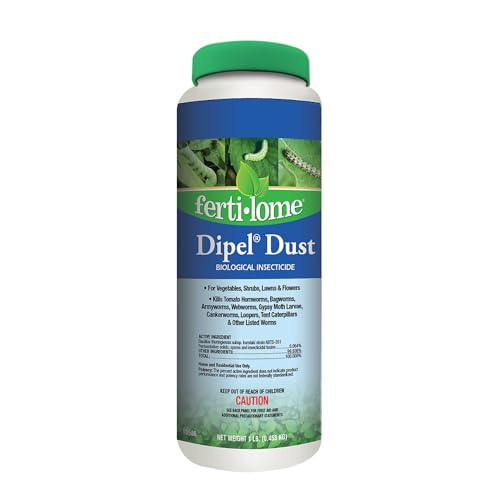
Fertilome (10586) Dipel Dust Biological Insecticide Bt, 1 lb

Fertilome (10251) Triple Action Plus Insecticide Fungicide, 32 oz
The Strengths Of Each Pick
The 32 oz ready-to-use bottle suits gardeners who want to skip the measuring cup. Spinosad is a naturally derived active ingredient produced by a soil bacterium, and pairing it with insecticidal soap gives the formula both a stomach-poison action and a contact knockdown against soft-bodied pests.
For armyworms specifically, this combination reaches caterpillars feeding on the leaves of vegetables, trees, shrubs, flowers, and citrus. You simply spray until the foliage is wet, which makes it a friendly entry point for anyone new to caterpillar control.
A Favorable Mix
- No measuring or dilution required, so first-time users avoid mixing errors.
- Spinosad plus insecticidal soap covers both contact and ingestion pathways.
- Works on a wide insect spectrum beyond armyworms, including aphids and leafhoppers.
- Approved for use across edible crops, ornamentals, and citrus, which broadens its usefulness around a typical yard.
Worth Noting
- A ready-to-use bottle costs more per ounce than a concentrate, which adds up across larger lawns.
- Reapplication is typically needed since rain or overhead watering can wash the residue off leaves.
Right Fit For
Backyard gardeners with smaller vegetable plots and mixed flower beds who want a grab-and-spray option without learning dilution math.
Where Another Pick Suits Better
Property owners managing a half-acre or more should reach for the Fertilome (16063) Spinosad concentrate instead, since mixing your own is far more cost-efficient at scale.
Concentrate formats reward homeowners willing to dilute their own spray. This 32 oz bottle of Spinosad-based formula targets the leaf-chewing pest category that includes armyworms alongside bagworms, sod webworms, and tent caterpillars.
You measure it into a pump sprayer or hose-end applicator and cover vegetables, trees, shrubs, flowers, fruits, and citrus with the diluted mix. A single bottle stretches across multiple treatments, which appeals to anyone tending a sizeable property.
Positive Takeaways
- Coverage scales with your yard size, since you control how much spray you mix per session.
- Catches multiple caterpillar species at once, useful when armyworm outbreaks bring other worms along.
- Same active ingredient as Item 1, but at a lower cost per treated square foot.
- Liquid concentrate disperses evenly through standard pump sprayers.
Points To Note
- Requires a separate sprayer and accurate measuring, which adds setup time.
- Label directions vary by crop, so reading carefully before mixing prevents wasted solution.
- Concentrate should be stored away from children and pets in its original container.
Feature Snapshot
Best Suited To
Homeowners managing a quarter-acre yard or larger vegetable garden who already own a pump sprayer and want stronger per-ounce value.
A Better Fit Elsewhere
Anyone needing the convenience of no mixing should consider the Fertilome (16076) Spinosad Soap Ready-to-Use spray instead.
The 16 oz Spinosad concentrate carries OMRI listing, meaning it has been reviewed for use in certified organic production. That distinction matters for vegetable growers who want a control option aligned with organic standards but still need real caterpillar knockdown.
It handles armyworms alongside bagworms, tent caterpillars, sod webworms, and other listed chewing insects on vegetables, trees, shrubs, flowers, fruits, and citrus. The smaller bottle also suits gardeners with modest space who want to finish a bottle within a single growing season.
Good Reasons To Consider
- OMRI-listed status supports organic gardening practices without sacrificing efficacy.
- Small bottle format reduces the risk of storing partially used concentrate long-term.
- Broad crop label including edibles, fruits, and ornamentals.
Practical Considerations
- Still requires a sprayer and accurate dilution, just like Item 2.
- Smaller bottle means more frequent reordering for properties with heavy pest pressure.
Built With In Mind
Organic-focused vegetable gardeners and small-plot growers who want caterpillar control that aligns with organic certification standards.
Swap It Out When
Gardeners not bound by organic requirements may find the larger Fertilome (16063) Spinosad concentrate a more economical per-ounce option.
Triple-action formulas appeal to gardeners who want one bottle to handle multiple problems at once. This 32 oz concentrate works as an insecticide, miticide, and fungicide, covering pest feeding plus disease issues like powdery mildew and rust.
Armyworms show up on the pest list alongside aphids, spider mites, leafminers, and leafrollers, making this a broad-spectrum tool. You spray it on fruits, herbs, nuts, spices, vegetables, roses, flowers, and shrubs to keep a range of threats in check.
Standout Benefits
- Three functional roles in one bottle reduces the number of products you need to stock.
- Targets mites that often accompany caterpillar outbreaks on roses and shrubs.
- Fungicide component handles leaf spot and rust that thrive in the same warm, humid conditions armyworms prefer.
- Concentrate format keeps cost per treatment low for medium-size gardens.
Trade-Offs
- Requires careful label reading since application rates differ between insect and disease use.
- Broader-spectrum chemistry means more attention to reentry intervals on edibles.
Key Specs
Whose Shelf It Belongs On
Gardeners juggling caterpillars, mites, and fungal diseases on roses, vegetables, and shrubs who want to consolidate their spray routine.
Reach For A Different Pick When
If your outbreak is purely caterpillars with no disease pressure, the Fertilome (16063) Spinosad concentrate delivers a more targeted approach.
This is the pre-mixed sibling of the concentrate formula in Item 4. You get the same triple-action coverage across insects, mites, and fungal diseases, but in a ready-to-spray bottle that attaches to your garden hose.
Armyworms show up on the pest label alongside aphids, spider mites, leafminers, and leafrollers, so the same broad-spectrum reach applies. RTS stands for ready-to-spray, which removes dilution math from the routine.
Strengths Worth Knowing
- Hose-end application covers larger lawn areas faster than a trigger sprayer.
- Pre-mixed formula eliminates measuring errors and saves setup time.
- Same three-in-one insect and disease coverage as Item 4.
Honest Caveats
- RTS bottles cost more per application than mixing your own concentrate.
- Hose-end sprayers can overspray onto neighboring plants if not angled correctly.
Who Should Grab It
Homeowners with medium-size lawns and mixed plantings who prefer weekly maintenance sprays without measuring concentrates.
Skip It When
Cost-conscious gardeners covering large properties should mix the Fertilome (12246) Triple Action concentrate themselves to lower per-application cost.
Bt stands for Bacillus thuringiensis, a naturally occurring soil bacterium that produces proteins toxic to caterpillars when ingested. The 4 lb bag of Dipel dust gives you a biological control option that targets armyworms, bagworms, and tent caterpillars without affecting beneficial insects like bees or predatory wasps.
Application is straightforward: dust the powder over plants when pests and damage first appear, paying special attention to leaf undersides. You can use it on vegetables, shrubs, lawns, and flowers, which makes the 4 lb size reasonable for multi-acre properties.
Bright Spots
- Biological mode of action preserves pollinators and most beneficial insects.
- 4 lb bulk format suits properties where armyworm pressure recurs each season.
- Dust clings to leaves when applied in the cool morning hours before dew evaporates.
- Approved for vegetables, lawns, shrubs, and flowers in a single product.
Some Limits To Know
- Bt must be eaten by caterpillars to work, so it is slower-acting than contact insecticides.
- Dust format requires reapplication after rain or heavy irrigation.
- Application rates vary by plant type and dimensions, which means more label reading before you start.
Quick Facts
Made For
Organic-minded gardeners and landowners with multi-acre lawns or orchards who want biological caterpillar control without harming pollinators.
Look Elsewhere When
Tight city gardens with just a few raised beds will find the smaller Fertilome (10586) Dipel Dust 1 lb size a more practical fit.
The 1 lb version of Dipel dust delivers the same Bacillus thuringiensis-based caterpillar control in a more manageable container. For raised beds, kitchen gardens, and small flower borders, the smaller bag is easier to store and quicker to use up before next season.
It targets armyworms along with bagworms and tent caterpillars on vegetables, shrubs, lawns, and flowers. You dust it directly onto foliage when caterpillars and damage first show up.
What Helps Most
- Compact 1 lb size stores easily on a shelf and stays fresh across multiple small treatments.
- Same biological action as Item 6, so pollinators remain protected.
- Suits gardeners experimenting with Bt for the first time without committing to a 4 lb bag.
Things To Weigh
- Smaller bag means more frequent repurchasing across larger properties.
- Same reapplication requirement after rainfall as the larger Dipel dust bag.
Perfect Match For
Urban gardeners and apartment balcony growers who want biological caterpillar control on a small scale.
Consider Something Else When
Owners of larger yards should grab the Fertilome (10859) Dipel Dust 4 lb bag for better coverage per dollar.
The Triple Action Plus version extends the same insecticide, miticide, and fungicide coverage to a wider outdoor label. It targets armyworms alongside aphids, spider mites, leafminers, and leafrollers, while also handling fungal issues like powdery mildew and rust.
You can apply it to fruits, herbs, nuts, spices, vegetables, roses, flowers, and shrubs, which broadens its usefulness across landscape and edible zones. The 32 oz concentrate format keeps per-application cost reasonable when you mix it yourself.
Everyday Advantages
- Broad plant label covers edible crops, ornamentals, and landscape shrubs in one bottle.
- Three-way action reduces trips to the garden shed during peak season.
- Concentrate format stretches further than a pre-mixed spray bottle.
Things To Consider
- Broader label means you must read directions for each crop before spraying.
- Requires a pump sprayer and accurate mixing, similar to the other concentrate picks on this list.
- Reapplication intervals depend on the target, which adds planning before each treatment.
Spec Overview
Who It Suits Best
Multi-zone gardeners managing edible beds, roses, and ornamental shrubs who want one versatile concentrate through the growing season.
Not Your Match When
Strict organic growers should reach for the Fertilome (16062) OMRI-listed Spinosad instead for compliance with organic standards.
Picking The Right Match For Your Yard
Choosing among these eight options comes down to three practical questions: how much area you need to cover, how you prefer to apply product, and whether you want biological or broader-spectrum control. Start by measuring roughly how many square feet you treat in a typical session, since that single number usually narrows the field fast.
Spray concentrates like Items 2, 3, 4, and 8 cost less per treatment but require a pump sprayer and accurate measuring. Ready-to-use formats like Item 1 or pre-mixed RTS bottles like Item 5 trade a higher per-ounce cost for faster setup. Biological Bt dusts (Items 6 and 7) appeal to organic-minded growers who want caterpillar control without harming bees.
Match the format to your comfort level, your sprayer inventory, and how often armyworms tend to show up in your region. One outbreak a year points toward a smaller bottle, while recurring pressure rewards a bulk concentrate or 4 lb dust bag.
Helpful Guidance Before You Buy
Common Shopping Slip Ups
The most frequent mistake is grabbing a general-purpose insecticide that does not specifically list armyworms on the label. Always confirm the pest you are battling appears on the product label before you buy, since unregistered use can mean poor results and wasted money. Another slip is buying a concentrate without confirming you already own a pump sprayer, or buying a dust without a duster applicator for even coverage.
Where The Extra Money Goes
Premium-priced options on this list typically deliver convenience rather than stronger chemistry. Ready-to-use bottles cost more because the manufacturer pre-mixed and packaged the solution for you, and OMRI-listed organic products carry certification overhead. Larger container sizes (4 lb dust bags, 32 oz concentrates) lower your cost per treatment when you have the equipment to use them efficiently.
Frequently Asked Questions
How fast do these insecticides work on armyworms?
Contact insecticides typically stop feeding within hours, while biological Bt products take a day or two as caterpillars must ingest treated foliage before the bacteria activates.
Can I use these products on vegetables I plan to eat?
Yes, but always check the label for the pre-harvest interval, which tells you how many days to wait between spraying and picking.
Do I need to reapply after rain?
Most sprays benefit from reapplication after heavy rainfall since water washes the residue off leaves, while dusts especially need refreshing after storms.
Will these harm bees and other pollinators?
Biological Bt dusts target caterpillars specifically and spare most pollinators when applied to foliage rather than open flowers, while broader-spectrum sprays may require evening application to reduce bee exposure.
How do I know if armyworms are the actual pest?
Look for chewed leaf edges, small green or brown caterpillars with stripes, and frass (insect droppings) on the ground beneath damaged plants, especially during warm humid weeks.
Wrap Up
Armyworm pressure can flip a healthy lawn in a matter of days, so having the right control option on the shelf makes a real difference. Match the format to your yard size, your comfort with mixing, and your gardening philosophy, and you will spend less time chasing chewed leaves and more time enjoying the green space you worked to build.
