

Bagworms show up quietly and strip a juniper, arborvitae, or pine before you notice them. The cases they build from needles and foliage look like tiny pinecones hanging from branches, and once the larvae are feeding hard, a season’s growth can vanish in weeks. Choosing the right spray turns a worrying infestation into a manageable weekend task.
The eight picks below cover liquid concentrates, ready-to-spray bottles, dusts, and biological Bt options so you can match the format to your yard. Sprays are easy for shrubs you can reach, dusts help on taller evergreens where coverage is tricky, and Bt-based products target caterpillars without disturbing beneficial insects.
A Fast Comparison Of The Options

Fertilome (16076) Spinosad Soap Insecticide Ready to Use

Fertilome (16064) Spinosad Insecticide Ready to Spray

Fertilome (16063) Spinosad Insecticide Concentrate

Fertilome (16062) Spinosad Bagworm & Chewing Insect Killer OMRI
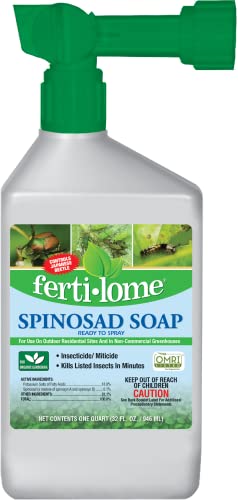
Fertilome (16055) Spinosad Soap Insecticide Ready to Spray

Fertilome (16012) Caterpillar Killer Spray with Bt OMRI
Targeting only worm pests
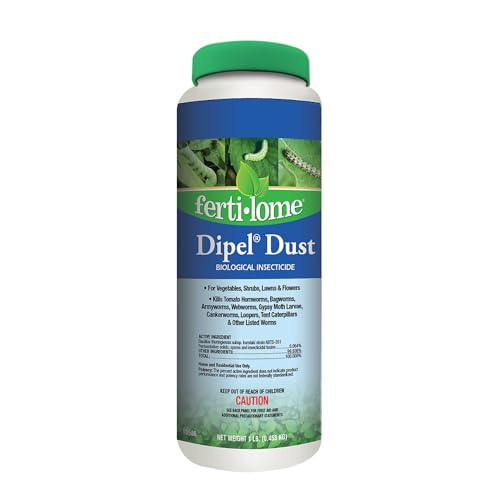
Fertilome (10586) Dipel Dust Biological Insecticide Bt

Southern Ag 100520028 Caterpillar Control Concentrate
More Details On Our Top Picks
Reaching for a spray bottle with no measuring cup and no mixing jug changes the whole experience of treating bagworms. The Fertilome 16076 ships already diluted in a 32 oz trigger bottle, so you walk out, point, and spray. For a single mid-size juniper or a pair of foundation shrubs, that’s about as simple as it gets.
Spinosad is a bacterial-derived active ingredient (a fermentation product from a naturally occurring soil bacterium) that targets chewing pests through ingestion. The added soap helps the spray cling to waxy evergreen needles, which matters when you’re coating plants that shed water easily. This pick suits someone treating a small outbreak before it spreads.
Where It Excels
- Zero-mix trigger bottle removes the guesswork from dosing.
- Soap helps the spray cling to waxy evergreen needles where bagworms hide.
- 32 oz size covers a small landscape without a refill mid-job.
- Spinosad breaks down quickly in sunlight, so reentry timing is short.
Points To Keep In Mind
- Trigger sprayers fatigue your hand during large-scale coverage.
- Already-diluted bottles cost more per ounce than concentrate equivalents like the Fertilome 16063.
At A Glance
Who Will Love This
First-time bagworm fighters with just one or two affected shrubs who want the shortest path from bag to spray.
A Better Fit Elsewhere
The Fertilome 16064 Ready to Spray suits anyone treating a wider hedge who wants the same no-mix convenience with hose-end reach.
Stepping up from a handheld trigger to a hose-end sprayer trades wrist effort for reach. The Fertilome 16064 attaches to a standard garden hose and meters itself out as you water, covering a hedge row or a long arborvitae line without constant pumping. For bagworms spread along a privacy screen, that reach is the real advantage.
The same spinosad active ingredient does the work, with coverage extended by the larger droplet pattern the hose produces. In most yards, you’ll finish a treatment in a single pass rather than refilling a small bottle four times. Gardeners who already keep a sprayer attachment on their hose will find this slot in naturally.
Strengths Worth Knowing
- Hose-end format covers tall evergreens without a ladder.
- Built-in metering removes manual dilution calculations.
- 32 oz bottle refills fast between treatments.
Trade-Offs To Consider
- Coverage depends on water pressure, so low-pressure wells may underperform.
- Spray drift lands farther than trigger bottles, so neighboring plants need protection.
Quick Technical Notes
Made For
Homeowners with hedge rows or foundation plantings of 10+ feet where a trigger bottle would take all afternoon.
Skip It When
The Southern Ag Caterpillar Control concentrate is the swap when you’d rather control every drop yourself through a pump sprayer.
Concentrates reward the gardener who already owns a pump sprayer and knows how to dial in a rate. The Fertilome 16063 is the same spinosad active ingredient in its undiluted form, packaged in a 32 oz bottle that lets you mix small or large batches depending on the day’s job. Compared to the ready-to-use 16076 earlier in this list, you trade convenience for cost-per-gallon efficiency.
You control droplet size, spray pressure, and how much chemistry lands per square foot, which is meaningful when bagworm cases cluster unevenly across an evergreen bed. For a yard with multiple shrub species and varying pest pressure, that flexibility matters more than any single feature.
Advantages To Know
- One 32 oz bottle makes multiple gallons of finished spray.
- Concentrate costs less per treated gallon than ready-to-use options.
- Compatible with most pump and backpack sprayers.
Small Caveats
- Requires accurate measuring; over-concentration risks leaf burn on tender foliage.
- Mixed spray has a limited window before potency drops, so unused solution needs disposal.
Best Suited To
Experienced gardeners with a dedicated sprayer who treat several shrubs in a single session.
Look Elsewhere When
The Fertilome 16055 Ready to Spray suits anyone who’d rather skip measuring entirely and still get a hose-end experience.
This is the bottle that earns a spot next to the tomato cages. The Fertilome 16062 carries OMRI listing, meaning the Organic Materials Review Institute has reviewed it for use in certified organic production, so it’s a comfortable pick around edible beds and fruit trees where bagworms tend to spread. Spinosad stays the workhorse active ingredient; the difference here is regulatory standing.
The 16 oz size keeps the footprint modest on a potting bench, and concentrate format keeps the per-gallon cost reasonable. For gardeners running an integrated program of beneficial insects and minimal broad-spectrum chemistry, this pick fits the rotation without disrupting it.
The Helpful Details
- OMRI listing suits organic gardening protocols.
- Targets bagworms specifically along with tent caterpillars and other chewing pests.
- Smaller 16 oz bottle stores easily between seasons.
- Concentrate dilutes to whatever volume the day’s job requires.
A Few Limitations
- Smaller bottle means more frequent repurchasing for large properties.
- Still requires careful measurement to avoid concentrate waste.
Right Fit For
Edible-garden owners treating fruit trees, berry bushes, and ornamentals where organic compliance matters.
Swap It Out When
The Fertilome 16012 Bt spray is the swap for gardeners who prefer a bacterial-active biological approach over spinosad.
The Fertilome 16055 shares its hose-end DNA with the 16064 but adds insecticidal soap to the mix for stickier coverage on glossy foliage. For evergreen needles that shed water the moment you spray, that extra adhesion makes a visible difference in how long the treatment lingers. Newer gardeners who haven’t calibrated a sprayer benefit most from the spin-connect simplicity.
It’s the gentlest learning curve in this roundup: attach, twist, water the plant, done. The trade-off is less control over droplet size and concentration compared to the 16063 concentrate. For a one-and-done seasonal treatment, that compromise rarely matters.
The Good Stuff
- Spin-connect design attaches to most standard hoses in seconds.
- Insecticidal soap boosts coverage on waxy needle surfaces.
- No mixing, no measuring, no leftover solution to dispose of.
Things To Weigh Up
- Soap can leave a slight residue on surfaces beneath treated plants.
- Higher per-ounce cost than concentrate alternatives.
Feature Snapshot
Whose Shelf It Belongs On
First-time bagworm treatments who want a tool-free experience without owning any spray equipment.
Reach For A Different Pick When
The Fertilome 16063 concentrate suits anyone who’s already comfortable with a pump sprayer and wants better cost-per-gallon value.
Bt (Bacillus thuringiensis) is a naturally occurring soil bacterium that, once eaten by a caterpillar, disrupts its digestive system and stops feeding within a day or two. The Fertilome 16012 harnesses Bt in a 16 oz ready-to-use format, and the OMRI listing keeps it aligned with organic protocols. The narrow targeting is the real story: bees, ladybugs, and other beneficials pass through unharmed.
Bagworm larvae have to actually consume treated foliage for Bt to work, so thorough coverage matters more than spray pressure. For a small arborvitae where you can take your time and coat every branch, this is a satisfyingly gentle option.
Where It Delivers
- Bt targets only caterpillars, sparing pollinators and beneficial insects.
- OMRI listing fits organic gardening standards.
- Ready-to-use bottle requires no equipment setup.
Honest Caveats
- Bt degrades in sunlight, so applications need to land late in the day.
- Larvae must eat treated foliage, so missed branches allow survival.
Perfect Match For
Pollinator-conscious gardeners who want caterpillar control without disturbing the broader beneficial insect population.
Consider Something Else When
The Fertilome 10586 Dipel Dust suits anyone needing to reach high canopy branches where a handheld trigger won’t go.
When bagworms set up camp near the top of a 20-foot pine, liquid sprays lose their practicality fast. The Fertilome 10586 ships as a 1 lb shaker of Bt dust that you apply with a duster or by working it through foliage directly. It’s the only pick in this roundup that handles a tall tree without needing ladder acrobatics or extension wand attachments.
Bt dust behaves like any fine particulate, so applying on a calm day keeps it on target. Coverage is coarser than a spray, but on conifer needles that hold powder reasonably well, it sticks where you land it. For tall evergreens where bagworm cases have spread beyond easy reach, this format solves a real problem.
Everyday Wins
- Dust format reaches canopy branches without a ladder or extension wand.
- 1 lb container covers multiple large trees per season.
- Bt spares pollinators and beneficial insects.
What To Weigh
- Wind blows dust off target, so calm mornings are essential.
- Application is messier than liquid sprays and requires shaking or a duster tool.
Built With In Mind
Property owners with mature evergreens taller than a person who can’t safely reach the upper canopy with a spray.
Where A Sibling Pick Shines
The Fertilome 16012 Bt spray is the better fit for low shrubs where liquid coverage outperforms dust.
The Southern Ag 13021 comes from a different brand than the rest of the list, and that variety matters. It’s an 8 oz bottle of Thuricide HPC, a Bt concentrate designed for vegetables, citrus, nuts, shrubs, trees, and ornamentals. The low use rate (just a few teaspoons per gallon) means a small bottle stretches further than the ounces suggest, and the compact size fits on a crowded shelf.
Use it on any listed caterpillar pest, including bagworms, gypsy moth larvae, and tent caterpillars. The trade-off is measuring precision: teaspoons into gallons leaves room for error. For someone with a single affected shrub who wants a multi-pest product from a respected agricultural brand, the format works.
What Makes Sense
- 8 oz size stores easily on a crowded shelf.
- Low use rate stretches the bottle across multiple treatments.
- Approved for vegetables, citrus, ornamentals, and flowering plants.
Softer Spots
- Teaspoon dosing leaves room for mismeasurement.
- Smaller bottle may not suit properties with widespread infestations.
The Right Fit
Homeowners with light, localized bagworm activity who want a multi-purpose Bt concentrate without bulk.
Not Your Match When
The Fertilome 16063 concentrate suits anyone treating a large evergreen bed who’d rather refill less often.
Choosing The Right Format For Your Yard
Picking among bagworm products really comes down to three questions: how big is the affected area, how tall are the plants, and how much mixing are you willing to do.
Concentrates like the Fertilome 16063 and Southern Ag 13021 reward you with lower cost per treated gallon, but only when you already own a pump sprayer and don’t mind measuring. Ready-to-spray bottles like the 16064 and 16055 trade cost for convenience: hook up the hose and you’re working in under a minute. For first-timers, the no-mix path is usually worth the modest premium.
Matching Application To Plant Size
Trigger sprayers suit small foundation shrubs you can walk right up to. Hose-end sprayers handle long hedge rows and mid-sized evergreens where reach and coverage both matter. For trees taller than 10 feet, dusts like Dipel reach the upper canopy without ladders, which is genuinely useful for mature pines and spruces.
Bt vs Spinosad
Both actives target caterpillars, but through different routes. Bt (Bacillus thuringiensis) is a bacterial agent that only works after a caterpillar eats treated foliage, so coverage and timing both matter. Spinosad works on contact and through ingestion, with broader activity against other chewing pests. If your yard hosts a wide range of chewing insects, spinosad covers more bases; if you’re strictly managing caterpillars, Bt is gentler on beneficials.
Coverage, Timing, And Reapplication
Bagworm larvae are most vulnerable when young, so early-season treatment beats late-season cleanup. Plan on reapplying at the interval listed on the label, since one pass rarely catches every larva. Treating late in the day slows UV breakdown for both actives.
Picking Smartly Across This Shortlist
Common Shopping Slip Ups
The most common mistake is waiting too long. Bagworms in their hard cases late in the season are much harder to kill, and a missed generation means a worse infestation next year. Another slip is treating the wrong plant: bagworms strongly prefer evergreens, but they’ll move to deciduous shrubs if pressure is high enough, so check neighboring plants before assuming one shrub is the only casualty.
Where The Extra Money Goes
Premium spinosad formulations and OMRI-listed options cost more because the certification process, formulation stability, and packaging standards add up across the supply chain. For an organic garden or a yard with pets and kids roaming under treated shrubs, that premium buys documented peace of mind. For a one-shot treatment on a single shrub, the standard concentrate does the same job for less.
Frequently Asked Questions
When is the best time to spray for bagworms?
Late spring through early summer, when larvae are young and actively feeding, is the most effective window for both spinosad and Bt products.
Can I use these products on vegetables and fruit trees?
Most spinosad concentrates and the Bt options list edible crops on their labels, but always confirm on the specific product label before treating food-bearing plants.
How long does it take for bagworms to die after spraying?
Spinosad typically stops feeding within hours, with full die-off over a day or two. Bt takes a bit longer, usually two to three days after ingestion.
Do I need to reapply if it rains soon after spraying?
Yes, rainfall shortly after application can wash residue off foliage and reduce effectiveness, so reapplication on the next dry window is standard practice.
Will these products harm bees or butterflies?
Bt products spare pollinators when applied to foliage rather than blooms. Spinosad is more toxic to bees, so spraying at dusk when bees aren’t foraging minimizes risk.
Closing Thoughts
Start by scouting your evergreens now and pulling off any cases you can reach, then choose the product format that matches how you actually spray. A small yard with a single shrub calls for a ready-to-use bottle. A long hedge calls for a hose-end. A tall pine calls for dust. Match the format to your reality, treat early in the season, and reapply on the label’s interval, and you’ll head off most of the season’s damage before it spreads.
