

Carpenter bees can turn a peaceful porch into a flurry of buzzing wings and a steady pattern of round holes in soft wood. Decking, eaves, fence rails, and railings all sit in the crosshairs when these bees claim a structure for nesting season. Treating the problem usually calls for a mix of tactics, from residual sprays and dusts to traps and attractants that draw the bees away from vulnerable wood.
Below are eight solid picks across categories, written for homeowners, weekend DIYers, and anyone staring at fresh holes in a wooden railing and wondering what to grab next.
The Main Contenders

Martin’s Permethrin 13.3% Concentrate (32 oz)
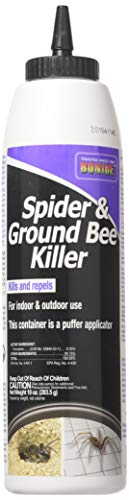
Bonide 363 Spider and Ground Bee Killer (2 Pack)

Best Bee Brothers Carpenter Bee Bait 10 mL
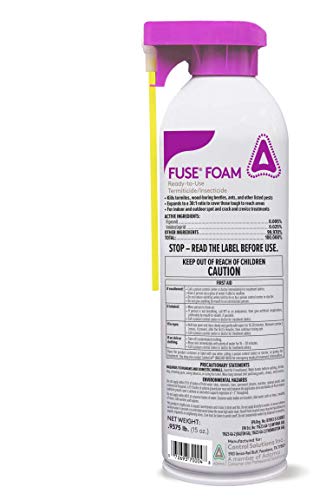
Control Solutions Fuse Foam Ready-to-Use Insecticide
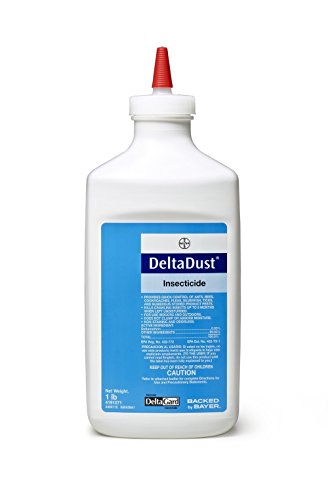
Delta Dust 1 LB w/Puffer Bellow Hand Duster

Bee Warehouse Catch & Release Carpenter Bee Trap

Revenge Spider & Ground Bee Killer 10 oz Dust

Atticus Tirade 1% Dust Insecticide 1.25 lb
A Breakdown Of The Leading Choices
For homeowners dealing with carpenter bees across a wide stretch of property, this permethrin concentrate offers the kind of coverage that a single spray bottle cannot. The 13.3% formula is meant to be diluted in water and applied with a pump sprayer, so a 32-ounce bottle stretches into a sizable amount of finished spray. You can treat fascia boards, deck rails, and the shaded sides of outbuildings without worrying about running out halfway through the job.
Unlike the dust treatments further down this list, this is a residual spray that needs to land on the wood surface where bees land and bore. You mix it for the application, so a quick read of the label is essential before you start. In most backyards, one good treatment at the start of the season sets up a long window of protection, and follow-up sprays can be dialed in as activity changes.
Practical Advantages
- Residual action that helps keep carpenter bees from reclaiming treated wood for up to about four weeks per application.
- Concentrate format stretches into a large amount of mixed spray, which suits larger properties.
- Works indoors and outdoors, so the same bottle handles attic edges, crawl spaces, and exterior trim.
- Useful against a wide range of pests, which matters if mosquitoes, ants, and other insects are also an issue.
Trade Offs
- Concentrate requires measuring and mixing, which is extra work compared to ready-to-use options.
- Permethrin is toxic to bees and other pollinators, so spraying near flowering plants deserves real caution.
- A pump sprayer is not included, so you may need to pick up a basic sprayer separately.
Quick Facts
Right Fit For
Homeowners with broad property coverage needs and a pump sprayer on hand, especially where multiple wooden structures need treatment in a single session.
Swap It Out When
Reach for the Control Solutions Fuse Foam instead when bees are already deep inside galleries and a penetrating application matters more than surface coverage.
Bonide’s 363 dust is the kind of product you keep on a high shelf between bee seasons, then reach for the moment fresh holes appear under the eaves. The included snorkel applicator is the standout detail, since reaching into bored tunnels often requires awkwardly angled streams of dust. The two-pack format also means you have a backup canister when the first one runs dry mid-treatment.
This pick is built for homeowners who want to skip ladder gymnastics and treat holes directly. Where Martin’s permethrin covers broad surfaces, this 0.25% permethrin dust pushes active ingredient into the tunnel itself. Apply in the evening or on cooler days when bees are less active, and seal treated entrances after a day or two to lock bees out of the gallery.
Key Advantages
- Snorkel tube applicator reaches deep into tunnels without dismantling fascia boards.
- Targeted dust format keeps the active ingredient right where bees travel.
- Two-pack covers eaves on more than one side of the house.
- Useful for spiders and other listed pests in the same application session.
Honest Caveats
- Dust can drift on breezy days, so calm weather is the friend of this product.
- Sealing holes after treatment is a separate step that some skip and later regret.
- Multiple cans may be overkill for a property with only a handful of holes.
Built With In Mind
Homeowners who can spot a handful of round entry holes and want a direct, low-prep way to push treatment into the tunnel without climbing too high.
Consider Something Else When
Pick the Bee Warehouse Catch & Release Trap instead if avoiding chemical treatments near pollinators matters more than direct gallery control.
This squeeze tube takes a different angle on the problem. Rather than coating wood with a residual spray or pushing dust into tunnels, the bait is meant to lure carpenter bees into traps that are already mounted on the structure. A dime-sized dab inside the trap is enough to draw bees away from the eaves and into a chamber you can empty later. The 10 mL tube is sized for several refills across a season.
Used on its own, a bait does not stop an active infestation. Pair it with a physical trap and the formula acts as a long-distance draw. Homeowners who already have a carpenter bee trap hanging from the porch often find that a fresh dab of attractant makes the difference between catching a handful of bees and a steady stream.
Real-World Strengths
- Concentrated formula means a small dab goes a long way, so a single tube lasts.
- Designed to mimic natural carpenter bee cues, which boosts trap effectiveness.
- Squeeze tube format keeps fingers clean and application tidy.
- Useful refill for compatible trap systems already installed around the property.
Points To Note
- Works only when paired with a compatible carpenter bee trap.
- Effectiveness depends on trap placement and how often the bait is refreshed.
- Not a stand-alone solution for galleries that are already established.
Whose Shelf It Belongs On
Trappers who already hang carpenter bee traps each spring and want a steady refill supply to keep catch rates up through peak season.
Reach For A Different Pick When
Turn to Bonide 363 Spider and Ground Bee Killer when there are visible holes that need targeted dust treatment rather than attraction.
Fuse Foam is the heavyweight on this list, and the source data flags it as a professional product with restrictions in several states. The foam format is built for direct injection into galleries, voids, and structural cavities where surface sprays and dusts cannot reach. Two active ingredients, fipronil and imidacloprid, work together as a non-repellent system, meaning carpenter bees pass through treated zones without avoiding them.
Where Bonide 363 dust reaches the opening of a tunnel, this foam expands inside the cavity to coat internal surfaces. For deep galleries in older beams and roof framing, that penetration matters. The trade-off is that this is a more technical application, and not every state allows sale. Check local regulations before you commit.
A Favorable Mix
- Two active ingredients deliver a non-repellent mode of action that bees do not detect or avoid.
- Expanding foam reaches internal gallery walls that surface sprays cannot coat.
- Targets wood-boring beetles, termites, and ants in the same application.
- Ready-to-use format skips the mixing step that the Martin’s concentrate requires.
Potential Drawbacks
- Restricted in several jurisdictions, so availability depends on location.
- Professional labeling points to a learning curve that casual users may find steep.
- Overkill for a single visible hole on a fence rail.
Best Suited To
Experienced DIYers and pest pros handling deep, established galleries in beams, rafters, and structural voids where surface products fall short.
A Better Fit Elsewhere
The Bonide 363 dust is a better fit for a homeowner with a handful of entry holes who wants a quicker, less technical approach.
Delta Dust earns its place on this list with a long residual window and a hand duster built for tight spaces. The active ingredient, deltamethrin, is known for staying effective for months when the dust is left undisturbed. The included bellows puffer makes aiming easier than shaking a squeeze bottle, which matters when the target is a small hole up near the gutter line.
Unlike the Best Bee Brothers bait, this dust stays put inside the gallery rather than attracting bees to a trap. Fill the duster only halfway so the bellows can build airflow, then pulse short puffs into each entry hole. For most backyards, the 1-pound container handles multiple seasons of treatment.
Everyday Perks
- Bellows duster aims more cleanly than squeeze bottles and reduces waste.
- Long residual life limits how often re-treatment is needed.
- Odorless, non-staining formula keeps treated wood looking clean.
- Useful against bedbugs, wasps, and other listed pests in the same canister.
Small Caveats
- Hand duster fill limits require some practice for even distribution.
- Wet conditions reduce effectiveness, so dry weather timing helps.
- The 1-pound size is more than casual users may need in a single season.
Feature Snapshot
Made For
Homeowners who want a single container that covers carpenter bees, wasps, and other listed pests across multiple entry points in one treatment pass.
Skip It When
Choose the Bee Warehouse Catch & Release Trap if chemical control is off the table and you prefer a passive, no-spray approach.
The Bee Warehouse trap earns its spot because it does not rely on chemicals at all. Hanging hardware and a set of bee dams come in the box, so mounting the trap on a fascia board or under an eave is a quick job. The catch-and-release design includes a latch that opens the chamber for relocation, which suits homeowners who prefer not to kill carpenter bees outright.
Where the Martin’s permethrin and Control Solutions foam both require careful handling, this trap just needs a sunny spot near the galleries. The extra-large chamber usually only needs emptying once a season, so ladder trips stay rare. Pair it with the Best Bee Brothers bait if your catch numbers start to lag in mid-summer.
Everyday Wins
- No chemical handling, which matters for households with pollinator-friendly gardens.
- Reusable design that lasts multiple seasons with simple cleaning.
- Catch-and-release latch offers a humane exit if relocation is preferred.
- Includes hanging hardware and bee dams for immediate setup.
A Few Limitations
- Trap success depends heavily on placement and proximity to active galleries.
- Does not treat wood already drilled, so sealing old holes is a separate task.
- Catch-and-release requires a relocation plan, since released bees often return.
Who It Suits Best
Gardeners and homeowners who avoid sprays near flower beds and prefer a passive, low-maintenance tool that runs from spring through fall.
Where Another Pick Suits Better
Delta Dust is the better match when active galleries need direct treatment and you are comfortable with a residual chemical approach.
Revenge’s 10-ounce dust canister is built for the kind of targeted work most homeowners actually do: a few holes near a deck, some web-heavy corners, and the occasional wasp nest tucked under a rail. The pointed applicator cap helps push dust into cracks and tight openings without needing a separate tool. Indoor and outdoor use is supported on the label.
This is similar in spirit to Bonide 363, but the smaller canister and different applicator cap change the feel. Where Bonide ships with a snorkel tube, Revenge relies on a built-in spout that works well for shallow holes and surface dusting. For most properties, a single canister handles a season’s worth of spot treatments.
Benefits That Matter
- Built-in applicator cap eliminates the need for a separate dusting tool.
- Targets spiders, ants, crickets, and other pests in the same pass.
- Compact canister stores easily on a garage shelf between treatments.
- Useful indoors and outdoors, so it doubles for basement or attic edges.
Where It May Fall Short
- Smaller canister runs out faster than the 1-pound Delta Dust on larger properties.
- Short applicator is less helpful for deep galleries that need a snorkel reach.
- Re-treatment intervals depend on weather exposure and dust placement.
Perfect Match For
Homeowners who want a single, easy-to-handle canister for spot treatments around the deck, eaves, and entry-level cracks without buying extra tools.
Another Choice May Suit
Switch to Bonide 363 when you need a snorkel tube to reach deeper galleries and want a two-pack supply for larger properties.
Atticus Tirade rounds out the list as a high-volume dust built for properties where carpenter bee pressure is heavy across multiple structures. The active ingredient, cyfluthrin, is a long-established pyrethroid that targets flying, crawling, and wood-infesting pests. The 1.25-pound tub is meant for repeated use, so a single purchase can cover an entire season.
Unlike the Delta Dust kit, this tub does not include a duster. You bring your own puffer or bellows and load it from the tub. That is a small extra step, but the trade-off is a larger supply at a lower cost per application, which makes sense for someone treating several outbuildings, a barn, or a long stretch of fencing.
Positive Points
- Large 1.25-pound supply suits multi-structure properties and barns.
- Broad-spectrum control covers wasps and bees in a single dust.
- Ready-to-use dust skips the measuring and mixing step.
- Pairs with most standard hand or bellows dusters for flexible application.
Practical Considerations
- Bellows or puffer is not included, so a separate duster is needed.
- Larger tub takes up more shelf space than a 10-ounce canister.
- Re-sealing the tub properly after each use matters for long-term effectiveness.
Key Product Details
Who Should Grab It
Property owners with barns, fences, and outbuildings where carpenter bee pressure spans several structures and a single canister will not stretch far enough.
Look Elsewhere When
Delta Dust is the smarter pick for smaller jobs that benefit from an included bellows duster in one box.
What Matters Most Before Choosing Insecticides For Carpenter Bees
Form Factor Sets The Tone
The single biggest decision is whether you want a spray concentrate, a dust, a foam, or a trap. Spray concentrates like the Martin’s permethrin handle broad surfaces well, while dusts and foams push active ingredient into the galleries where bees actually live. Traps shift the strategy from treatment to population reduction through attraction. Many homeowners end up combining two approaches: a surface spray for prevention plus a dust or trap for active holes.
Match The Product To The Infestation
A few entry holes on a fence rail call for a simple dust canister or a couple of mounted traps. A whole eave riddled with tunnels, or galleries that run deep into roof framing, push the decision toward a foam or a stronger concentrate. Homes with pollinator gardens or beekeeping neighbors often lean toward traps and baits to limit chemical exposure.
Active Ingredients And Local Rules
Permethrin, deltamethrin, cyfluthrin, fipronil, and imidacloprid each behave differently. Synthetic pyrethroids (permethrin, deltamethrin, cyfluthrin) are contact-based and leave a residual layer. Fipronil and imidacloprid act as non-repellents, which makes them more potent inside galleries but also more regulated. Check your state’s rules, especially for products like Fuse Foam, since some states restrict sale.
Practical Ownership Considerations
Dust products stay effective longest when left dry and undisturbed, so sealing treated holes after application extends their working life. Concentrates need a dedicated pump sprayer and proper storage between seasons. Traps need annual cleaning and a fresh dab of attractant to keep catch rates steady. Whichever format you choose, plan for a touch of routine maintenance, and the product earns its keep across multiple seasons.
Key Considerations Across These Picks
Pitfalls Shoppers Hit
A common mistake is treating the visible hole without sealing it afterward, which leaves the gallery open for new bees to claim. Another slip is spraying on windy days, when dust drifts away from the target and concentrate mist lands on unintended surfaces. Reaching for a general-purpose insecticide instead of one labeled for wood-boring pests is also a frequent miss, since broad-spectrum lawn products may not list carpenter bees on the label at all.
When Paying More Pays Off
Higher-tier options like Control Solutions Fuse Foam and the larger Atticus Tirade tub cost more because they handle harder problems: deep galleries and multi-structure coverage. The upgrade pays off for older homes with established infestations, properties with several outbuildings, or anyone who would rather treat once and step away. For a small property with a handful of new holes, a basic dust canister or two-pack usually delivers enough control without stretching the budget.
Frequently Asked Questions
Do Carpenter Bee Insecticides Also Harm Honeybees?
Sprays and dusts containing pyrethroids can affect honeybees on contact, so applying them in the evening or away from flowering plants reduces exposure. Traps and baits that target carpenter bees specifically tend to pose a lower risk to honeybee populations.
When Is The Best Time To Treat Carpenter Bees?
Late afternoon and early evening are often recommended, when carpenter bees are less active and more likely to be inside the gallery. Spring, when bees first establish new holes, is the most effective window for prevention.
Should I Seal Holes After Treatment?
Yes. Once bees are no longer active in a treated gallery, filling the hole with wood filler or a dowel and sealing it with exterior caulk prevents re-use. Skipping this step often leads to a new bee claiming the same tunnel the following season.
How Long Does Residual Treatment Last?
Surface sprays often last several weeks, while undisturbed dust can remain effective for several months. Foam injections inside structural voids can persist much longer since they are protected from weather and foot traffic.
Are Carpenter Bee Traps Enough On Their Own?
Traps help reduce populations over time, especially when paired with a fresh attractant, but they rarely stop an active infestation alone. Combining a trap with a targeted dust or spray tends to give the most reliable results.
Bottom Line
Carpenter bee pressure varies from a couple of holes on a fence rail to a long stretch of fascia riddled with tunnels. Match the format to the scale of the problem, keep safety in mind around pollinators, and seal treated galleries once the active season winds down. With the right combination, your wooden structures can keep their integrity and your porch can stay a little quieter next spring.
