

If your yard looks like a miniature crime scene, with raised tunneling and dying patches of turf, mole crickets are usually the quiet culprit. These soil-dwelling insects chew through grass roots and leave behind soft, spongy ground that gives way underfoot. Choosing the right insecticide means matching the formula to your lawn size, application comfort, and how long you want protection to hold. The picks below cover liquid sprays, ready-to-use bottles, and spreadable granules, each suited to a slightly different scenario.
The Choices Worth Comparing

Hi-Yield Kill-A-Bug II Indoor/Outdoor Spray RTU, 1 gal

Hi-Yield Systemic Insect Spray RTS, 32 oz

Talstar PL Granules Insecticide

Bayer Merit 0.5 Granular Systemic Insect Control

Agrisel Bifenthrin Pro 7.9 Insecticide, 1 Gallon

Talstar One Insecticide 1 Gallon Bifenthrin Concentrate
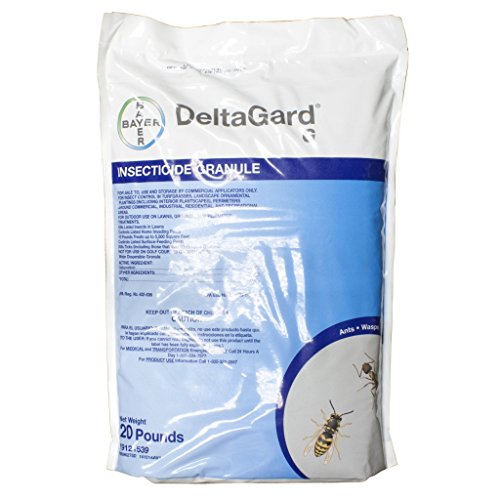
Delta Gard Granules 20 lb Bag

Ortho Bug B Gon Insect Killer for Lawns, 20 lb
Inside Each Recommended Option
Start with the easiest entry point. Hi-Yield’s Kill-A-Bug II arrives pre-mixed in a one-gallon container, so there is no measuring, no extra equipment, and no guesswork. You simply point and spray along foundations, thresholds, and the edges of damaged turf.
It targets ants, crickets, sowbugs, centipedes, and mole crickets, which makes it useful when you’re unsure what’s chewing through your lawn. The formula works indoors and outdoors, and it leaves a residual that holds for up to four months on treated surfaces.
The Helpful Details
- No mixing required, which lowers the chance of application errors for first-time users
- Flexible spot or barrier application, so you treat only the trouble zones
- Four-month residual reduces how often you need to reapply
- Works on multiple pests, useful when mole crickets share the lawn with ants or spiders
Things To Consider
- A one-gallon container is heavier than a concentrate, which can tire your hand on large lawns
- Direct contact gives immediate results, but mole crickets burrow deep, so surface spraying alone may need follow-up
Who It Suits Best
Homeowners with small to mid-size yards who want a no-mix spray for targeted perimeter work.
Look Elsewhere When
Reach for the Hi-Yield Systemic Insect Spray RTS if you want hose-end coverage across a wider lawn with less carrying weight.
The RTS bottle in this lineup trades the heavy one-gallon format for a lighter, hose-connected sprayer. You snap the bottle onto a standard garden hose, and the concentrate dilutes itself as you water the lawn.
That setup makes the most sense for established turf and ornamental beds where mole crickets feed below the surface. Because the active ingredient is systemic, meaning the plant absorbs it and pests ingest it through feeding, the protection works from inside the grass outward.
Benefits That Matter
- No measuring or mixing, which keeps the process approachable
- One 32 oz bottle covers up to 5,333 square feet of lawn
- Targets mole crickets, white grubs, aphids, scale, and leafminers in one pass
- Use on lawns, shrubs, flowers, fruit and nut trees
Worth Noting
- Residual control runs two to four weeks, shorter than granular options like Talstar PL Granules Insecticide
- Coverage assumes even water pressure across the whole lawn
Made For
Suburban homeowners with established lawns who prefer hose-end spraying over backpack or pump equipment.
Consider Something Else When
Choose Talstar PL Granules Insecticide instead if you want a longer residual window without re-spraying every few weeks.
Granules change the application story entirely. Talstar PL uses a sand-core granular structure that you spread with a broadcast or drop spreader, then let rain or irrigation work the active ingredient down into the soil.
That slower release is what gives this pick its staying power. The product is labeled for a two to four month residual, and the sand-core carrier is built to penetrate mulch and turf without immediate watering, which is helpful when your schedule is unpredictable.
Where It Delivers
- No watering required after application, which speeds up weekend projects
- Two to four month residual cuts down on repeat treatments
- Penetrates mulch and grass to reach insects where they tunnel
- Useful against ants and fleas outdoors as a bonus
Honest Caveats
- You need a spreader on hand, or the application becomes uneven by hand
- Spreading granules over wet grass can cause clumping
- Storage in humid sheds may cause the carrier to clump before use
Quick Facts
Best Suited To
Homeowners with mid to large lawns who already own a broadcast spreader and prefer low-frequency treatments.
A Better Fit Elsewhere
Choose the Hi-Yield Kill-A-Bug II Indoor/Outdoor Spray RTU instead if you’d rather spray targeted zones than run a spreader over the whole yard.
Merit 0.5 G is the bulk option in the roundup, packaged in a 30-pound bag built for whole-property treatments. The active ingredient, imidacloprid at 0.5%, moves through plant tissue once watered in.
That systemic action is the reason this format fits larger landscapes. You spread the granules, water them in, and the lawn, trees, and ornamentals take over the distribution work.
Useful Touches
- One bag covers a meaningful slice of acreage, which lowers cost per square foot
- Approved for turfgrass, trees, shrubs, evergreens, flowers, foliage plants, and ground covers
- Systemic protection reduces surface reapplication frequency
- Spreader-friendly format suits existing lawn-care routines
Practical Considerations
- Annual application cap of 80 lb per acre, which requires some record-keeping across multiple treatments
- Heavy bag is awkward to carry without a wheelbarrow or cart
Right Fit For
Property owners managing mixed turf and ornamental beds who want one product to span the whole landscape.
Not Your Match When
Pick the Delta Gard Granules 20 lb Bag instead if you want a lighter bag for occasional home-lawn treatments.
This gallon of concentrate is built for shoppers who already own a pump or backpack sprayer. Bifenthrin is the workhorse active ingredient here, the same family you’ll find in several other picks in this roundup.
What sets the Agrisel bottle apart is its broad label, which covers spiders, ants, fleas, mole crickets, and stink bugs across lawn, ornamental, and agricultural settings. Once dry, the treated surface is considered safe around pets, which matters for households that share the yard with dogs.
Positive Points
- One concentrate bottle stretches across multiple treatment types and locations
- Broad-spectrum label reduces the need to mix several products
- Pet-friendly once dry, helpful for active households
- Suitable for lawn, ornamental, and light agricultural use
Points To Keep In Mind
- Concentrate requires careful dilution and a dedicated sprayer
- Mixing errors can leave untreated gaps or chemical hot spots
- Storage of concentrates demands a cool, locked space away from children and pets
Feature Snapshot
Perfect Match For
Experienced DIYers with a sprayer who want one concentrate that handles mole crickets and a long list of other yard pests.
Skip It When
Reach for the Talstar One Insecticide 1 Gallon Bifenthrin Concentrate instead if perimeter foundation work is the priority over mixed-use coverage.
Talstar One is the liquid sibling of the granular product reviewed earlier. The bifenthrin concentrate here is formulated for perimeter work, the band of spray that runs along foundations, doors, windows, and exterior walls.
Its label spans more than 75 pests, which puts it in the same broad-spectrum territory as the Agrisel bottle but with a heavier lean toward structural perimeter defense. If mole crickets are tunneling up near the house and dragging other pests with them, this is the format to reach for.
A Few Highlights
- Concentrate format dilutes into large spray volumes, lowering per-treatment cost
- Designed for indoor and outdoor perimeter applications
- Controls spiders, ants, fleas, ticks, mosquitoes, and mole crickets
- Long-established active ingredient in professional pest control
Trade Offs
- Requires a pump sprayer and confident handling of concentrate chemicals
- Over-application on flower beds can affect beneficial insects
- Wet-treated surfaces need to dry before pets and kids return
Who Should Grab It
Homeowners running a full perimeter treatment plan who want a concentrate that doubles as a broad-yard tool.
Reach For A Different Pick When
Pick the Talstar PL Granules Insecticide instead if you want to avoid mixing liquids and prefer dry broadcast application.
Delta Gard Granules take the granular route and trim the bag size. At 20 pounds, this one sits between the heavy 30-pound Merit bag and smaller consumer packages, which keeps the weight manageable for most shoppers.
The label covers home lawns for general surface-feeding insect pests and perimeter pests. Application runs 2 to 3 lb per 1,000 square feet, which you can spread with a conventional spreader or a shaker can for spot treatments.
The Good Stuff
- Two to three pound per 1,000 square feet rate makes coverage math straightforward
- Works with common rotary and drop spreaders
- Spot-treatable with shaker cans on small problem areas
- Lighter bag is easier to handle than 30 lb options
Small Caveats
- Bag weight can still be cumbersome without a cart
- Spreader calibration matters; under-application shortens residual performance
- Storage in damp conditions may cause granules to clump
Feature Card
Built With In Mind
Homeowners managing a single home lawn who want a familiar spreader workflow without the heavier bulk bags.
Swap It Out When
Choose Bayer’s Merit 0.5 Granular Systemic Insect Control instead if you also need to treat ornamental trees and shrubs in the same program.
Ortho’s Bug B Gon rounds out the list with the broadest application surface in the roundup. One 20 lb bag treats up to 20,000 square feet, which covers a substantial suburban property in a single pass.
The label targets mole crickets alongside ants, fleas, ticks, chinch bugs, cutworms, and sod webworms. That wide pest list makes this pick sensible when mole crickets are just one entry on a longer list of insects damaging your lawn.
Key Advantages
- Treats up to 20,000 square feet per bag, which lowers trips to the shed
- Kills and prevents above and below the surface for up to three months
- Use on lawns, ornamentals, home perimeter, flower beds, and listed edibles
- Targets mole crickets alongside ants, fleas, ticks, chinch bugs, and cutworms
- Works proactively in early spring or at the first sign of damage
Worth Bearing In Mind
- 20 lb bag still requires a cart or wheelbarrow for older shoppers
- Performance depends on even spreader coverage across the lawn
Whose Shelf It Belongs On
Homeowners with large lawns and mixed pest pressure who want one bag to span the whole property.
Where Another Pick Suits Better
Pick the Delta Gard Granules 20 lb Bag instead if your pest pressure is mainly surface-feeders and you want a lighter granular routine.
What To Weigh Before Picking An Insecticide For Mole Crickets
Match The Format To Your Lawn And Equipment
Sprays give you precision. Granules give you speed. Concentrates give you scale, but only if you already own a pump or backpack sprayer. Before buying, picture how you’ll apply the product. If you have a rotary spreader already on the shelf, granular options like Talstar PL, Merit 0.5 G, Delta Gard, or Ortho Bug B Gon slot into your existing routine. If you’d rather point and spray along damaged patches, the Hi-Yield Kill-A-Bug II RTU removes any equipment learning curve.
Weigh Residual Length Against Reapplication Effort
A two to four week residual window, like the Hi-Yield Systemic Insect Spray RTS, means you’ll reapply across the season. A two to four month window, like Talstar PL Granules or Ortho Bug B Gon, trades a slower application day for fewer return trips. For most homeowners, a longer residual wins on convenience.
Read The Use-Site And Pet Language
Some picks carry labels that allow ornamental and edible garden use, like Ortho Bug B Gon. Others target lawn and perimeter only. If pets and children share the yard, look for language about post-dry reentry, like the Agrisel Bifenthrin Pro 7.9 concentrate. Matching the label to your household’s habits avoids accidental exposure.
Calculate Coverage Per Bag Or Bottle
Bags and bottles advertise their coverage in square feet. A 20 lb bag at 20,000 sq ft, like Ortho Bug B Gon, suits a large property. A 32 oz hose-end bottle covering 5,333 sq ft, like the Hi-Yield RTS, fits a more modest yard. Coverage math keeps you from under-buying mid-treatment.
Key Considerations Across These Picks
Pitfalls Shoppers Hit
A common misstep is choosing a concentrate without owning a sprayer, which forces a rushed equipment purchase. Another is spreading granules by hand, which leaves patchy coverage and wastes product. Treating only the surface also backfires, since mole crickets feed below the soil line, so systemics or watered-in granules usually outperform surface-only sprays. Buyers who skip a soil-moisture check on application day often see reduced performance, because dry soil blocks the active ingredient from reaching tunneling crickets.
Where The Extra Money Goes
Higher-tier products in this category earn their place through longer residuals, broader pest lists, and formats that handle more square footage per container. A premium concentrate may cost more up front, but the cost per square foot treated often lands lower than cheaper ready-to-use bottles. Spending up makes sense when your yard is large, your pest list is long, or you’d rather treat less often across the season.
Frequently Asked Questions
When is the best time to treat for mole crickets?
Late spring through early summer is the most effective window, when young nymphs are active and feeding close to the surface. Treating earlier catches the population before the insects burrow deeper.
Should I use a liquid spray or granules?
Granules fit larger lawns and longer residual windows, while liquids work well for spot treatments and perimeter defense. Many homeowners use both: granules across the lawn and a liquid spray along the foundation.
Are these products safe around pets?
Pet safety depends on the specific label, so reading it matters. Some products, like Agrisel Bifenthrin Pro 7.9, are considered pet-safe once dry. Others require keeping pets off treated surfaces until fully dry.
How long does the residual protection last?
Residual windows range from two weeks to four months, depending on the product. Granular options tend to last longer than ready-to-use sprays, but watering-in, soil type, and rainfall all affect actual duration.
Can one product handle other pests too?
Yes, several picks in this roundup target ants, fleas, ticks, and chinch bugs alongside mole crickets. Ortho Bug B Gon, Talstar One, and Hi-Yield Kill-A-Bug II all list multiple pests on their labels.
Wrap Up
Treating mole crickets is more about timing and coverage than about any single magic product. Match the format to the equipment you already own, choose a residual window that suits your schedule, and read the label for use sites and reentry language. With those decisions made, any of the eight options above will give your lawn a fair shot at recovery.
