

Thrips are tiny, fast, and devastating. A small colony can silver your leaves, scar your blooms, and quietly set back an entire harvest before you notice the damage. Your plants deserve a real defense.
This roundup covers eight contact sprays, systemic drenches, and sticky traps that target thrips at different life stages. Whether you’re rescuing a beloved fiddle-leaf, protecting a backyard rose bed, or running a small greenhouse, there’s a fit below.
A Fast Comparison Of The Options
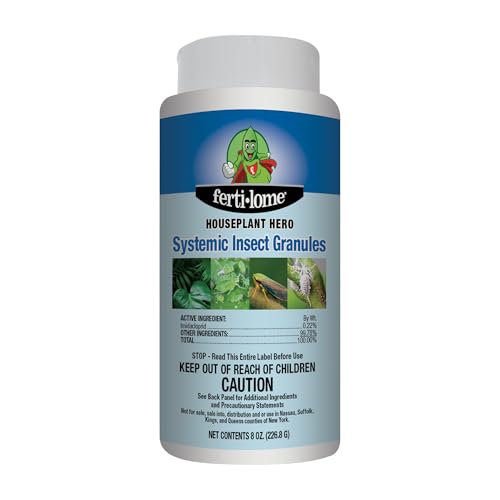
Fertilome Houseplant Hero Systemic 8 oz

Fertilome Spinosad Soap Insecticide 16 oz

Grower’s Ally Crop Defender 3 24 oz

Garden Safe Fungicide3 Neem Oil 1 Gal

EcoVenger Garden Insect Control 16 oz

Bonide Rose Rx Systemic Drench 32 oz

Seabright HGSLTLT Sticky Thrip Traps 5-Pack

STEM Botanical Insect Spray 12 oz
A Closer Look At Each Pick
If you’ve ever lost a favorite houseplant to a stealth thrips invasion, you understand the appeal of a set-and-forget solution. Fertilome’s Houseplant Hero is a systemic insecticide, meaning the active ingredient, imidacloprid (0.22%), moves through the soil and into the plant’s tissue. Thrips that feed on treated foliage ingest the compound and stop feeding. The 8 oz ready-to-use bottle is sized for a windowsill jungle rather than a backyard.
Application is straightforward: measure 2½ teaspoons for a 4-inch pot, or 2½ tablespoons for a 6-inch pot, then water it in. Reapply every eight weeks during the growing season for continuous protection. The label lists an unusually wide pest spectrum, covering everything from fungus gnat larvae to whiteflies alongside thrips.
Points In Its Favor
- Eight-week residual protection means less frequent reapplication than contact sprays.
- Works through the plant’s vascular system, so hidden thrips on leaf undersides can’t easily escape exposure.
- Compatible with indoor and outdoor use, before or after planting.
- Covers a broad pest list, useful if you’re also battling aphids or scale at the same time.
Honest Caveats
- Imidacloprid is a neonicotinoid, and pollinator safety guidelines should be reviewed before using on outdoor blooms.
- Won’t reach thrips hiding in leaf litter or soil surface debris, so a quick cleanup beforehand improves results.
- Measuring small doses for tiny pots can feel fiddly for first-time users.
Key Specs
Best Suited To
Apartment dwellers tending a curated collection of potted foliage plants who want infrequent, low-mess protection.
Reach For A Different Pick When
EcoVenger Garden Insect Control is the gentler swap if you keep curious pets or toddlers around treated pots.
Spinosad comes from a naturally derived bacterium and has earned a loyal following among vegetable gardeners who want something stronger than soap but gentler than synthetics. Fertilome’s 16 oz bottle targets thrips along with caterpillars, leafhoppers, beetles, and borers, which makes it a useful all-rounder for mixed beds where pests rotate through crops. The soap base helps the active ingredient cling to leaf surfaces.
Coverage extends across vegetables, trees, shrubs, flowers, fruits, and citrus, so you won’t need a separate product for each planting zone. The label recommends thorough coverage of both leaf surfaces since thrips hide on the underside. In our view, the 16 oz size strikes a sensible middle ground for a small backyard rather than a half-acre plot.
Useful Touches
- Spinosad is derived from fermentation, not synthesized, which appeals to growers avoiding harsher chemistries.
- One product covers vegetables, ornamentals, and fruit trees, simplifying the shelf.
- Effective against thrips larvae and adults on contact, plus many caterpillar and beetle pests.
- Soap carrier improves adhesion on waxy leaves like brassicas.
Practical Considerations
- Reapplication is typically needed every 5 to 7 days during active infestations.
- Some beneficial insects can be affected, so spot-treating rather than blanket spraying is wise.
- Wet foliage and direct sun at application can cause leaf burn in delicate plants.
Made For
Backyard vegetable growers who rotate crops and face a rotating cast of chewing and sucking pests each season.
Look Elsewhere When
Garden Safe Fungicide3 with Neem Oil is the better match if your priority is staying within a strict organic gardening certification.
Crop Defender 3 takes a triple-action approach: it’s an insecticide, miticide, and fungicide rolled into one concentrate. The formula pairs botanical oils with a built-in surfactant (a wetting agent that helps spray spread evenly across leaves), and it lists powdery mildew, spider mites, russet mites, thrips, and aphids on its target roster. Weekly application is the suggested cadence, which suits growers who already have a routine dialed in.
Available in 8 oz, 32 oz, and 128 oz sizes, the 24 oz concentrate sits comfortably between trial-size and bulk. Compared to the first pick’s soil-drench logic, this is a foliar (leaf-sprayed) approach that interrupts thrips on contact. For growers managing multiple pests at once, the three-in-one angle trims the spray rotation.
A Strong Showing
- Single product handles insects, mites, and mildew, reducing shelf clutter.
- Botanical oil base appeals to growers avoiding synthetic chemistries.
- Built-in surfactant means you skip buying a separate spreader-sticker.
- Targets thrips at multiple life stages, including eggs, which many sprays miss.
Things To Consider
- Weekly applications during heavy pest pressure can feel like a lot of spraying.
- Botanical oils can leave a faint residue on glossy leaves until the next rain.
- Always shake well before mixing to keep the oil and water phases combined.
Feature Snapshot
Whose Shelf It Belongs On
Small-scale growers, hobby greenhouse operators, and cannabis cultivators who want one concentrate that handles multiple pest categories.
Consider Something Else When
The Fertilome Spinosad Soap Insecticide is a more direct thrips-killing contact option if fungal pressure isn’t part of your problem set.
Neem oil has been a cornerstone of organic gardening for decades, and Garden Safe’s Fungicide3 packs the clarified hydrophobic extract (the oil-based fraction processed for stable dilution) into a one-gallon format. It earns its “three garden products in one” label by acting as a fungicide, insecticide, and miticide. The fungicide angle covers black spot, rust, and powdery mildew, while the insecticide action handles aphids and whiteflies alongside thrips.
Approved for organic gardening, this formula fits into edible gardens where you want to keep residues minimal. Roses, houseplants, ornamentals, fruits, and vegetables all fall within the label. The gallon size is generous, so depending on your garden footprint you may find it lasts multiple seasons when stored properly.
Notable Gains
- Neem oil interrupts thrips feeding and reproduction rather than just knocking down visible adults.
- One-gallon container delivers strong value for gardeners treating larger plantings.
- Suitable for organic gardening programs that restrict synthetic pesticides.
- Doubles as a preventive fungicide, so you handle mildew and insects in the same pass.
Worth Bearing In Mind
- Strong neem odor during application can be off-putting indoors.
- Spraying in direct sun or above 85°F can scorch foliage.
- Requires shaking and may need a separate sprayer for comfortable application.
Quick Facts
The Right Fit
Organic gardeners with mixed edible and ornamental beds who want one bulk jug to handle insects and fungal issues together.
Skip It When
STEM Insect Spray is a better choice if you need a low-odor, water-based option for indoor houseplants where neem scent lingers.
Plant-based formulas have come a long way from the weak homemade sprays of the past. EcoVenger’s 16 oz Garden Insect Control uses a botanical-derived active and is positioned for households with kids and pets. It’s a ready-to-use spray, so you skip measuring and mixing, and it lists aphids, mealybugs, spider mites, gnats, and their eggs among its targets. Thrips fall within its spectrum as well.
Indoor and outdoor use opens up flexible placement: a living room fiddle-leaf and a patio herb container can share the same bottle. For delicate new growth, the label allows dilution to reduce any risk of leaf sensitivity. Compared to heavier chemistries, the gentler profile fits households that want to minimize exposure around curious toddlers and four-legged roommates.
Practical Advantages
- Plant-based formula reduces concern for households with children and pets.
- Ready-to-use format eliminates measuring mistakes and extra equipment.
- Covers multiple soft-bodied pests in one bottle, including spider mites and fungus gnats.
- Indoor and outdoor label flexibility means one product for the whole home garden.
Less Ideal Details
- Botanical actives may require more frequent reapplication during heavy infestations.
- Gentler chemistry can struggle against severe, established thrips colonies.
Built With In Mind
Parents and pet owners managing a mixed indoor-outdoor plant collection who prioritize low-toxicity ingredients.
Where Another Pick Suits Better
Fertilome Houseplant Hero Systemic is the heavier-hitting alternative when a stubborn thrips colony demands systemic root action.
Rose growers deal with a long pest roster, and Bonide’s Rose Rx combines insect and disease control into a single soil drench. You pour the liquid along the base of the plant rather than spraying foliage, which is a welcome break from misting a thorny thicket. One quart treats up to about 16 roses, and the protection lasts up to six weeks per application.
The dual-action angle (insecticide plus disease control) means you’re handling black spot and aphids while you’re knocking down thrips, which often arrive alongside other rose pests. Compared to the Houseplant Hero drench earlier in this list, the Rose Rx is tuned for outdoor flowerbeds and shrub borders rather than windowsill pots.
A Few Highlights
- Soil-drench application avoids spraying thorny rose canes.
- Six-week residual window means less frequent reapplication.
- Combined insect and disease control simplifies the spray calendar.
- 32 oz bottle covers a substantial rose bed in a single purchase.
Points To Note
- Outdoor drench use means you’ll want to time applications away from heavy rain.
- Soil-active chemistry requires plants to be actively growing and taking up water.
Perfect Match For
Rose gardeners juggling multiple pest and disease pressures who prefer pour-on convenience over foliar spraying.
A Better Fit Elsewhere
Garden Safe Fungicide3 Neem Oil is the right swap if you garden strictly under organic protocols.
Sticky traps aren’t an insecticide in the traditional sense, but they’re a powerful piece of an integrated thrips strategy. These bright yellow and blue cards lure thrips, leafminers, aphids, whiteflies, leafhoppers, and moths with their color contrast. The included wire twist lets you hang them directly on a branch without damaging the plant.
Weather-resistant construction means they hold up in outdoor beds and greenhouse environments. Used as a monitoring tool, traps help you confirm thrips are present before spraying, and they continue catching adults while your spray treatment runs its course. The five-pack is sized for small to medium gardens or one good-sized greenhouse.
Benefits That Matter
- Catches adults before they reproduce, lowering population pressure.
- Yellow and blue color pairing covers a broader attraction spectrum than single-color traps.
- Wire attachment avoids string or clips that can girdle stems.
- Helpful diagnostic tool to confirm thrips presence before committing to a spray plan.
Less-Strong Areas
- Won’t reach thrips larvae hiding inside plant tissue or in soil.
- Sticky surface can capture beneficial insects along with pests.
- Replacement needed once surfaces fill up or become covered in dust.
Who Will Love This
Detail-oriented gardeners and greenhouse operators who want early warning plus passive population reduction.
Swap It Out When
You need active knockdown of an established infestation, in which case a spray like STEM Insect Spray or Fertilome Spinosad takes over.
STEM’s 12 oz spray uses a botanical extract derived from cedarwood rather than the more common pyrethrin or neem profiles. Cedar-based insecticides have gained traction as a different mode of action that pests haven’t developed widespread resistance to. It’s water-based, which helps with cleanup and indoor air quality compared to solvent-heavy formulas.
Labeled for indoor and outdoor use, this bottle suits spot treatments on a single infected plant or quick pass-through of a small grouping. Thrips, aphids, and spider mites all fall within its listed targets. For gardeners who want to rotate active ingredients to slow resistance, a cedar-based spray is a useful third or fourth option alongside spinosad and neem.
Positive Points
- Cedarwood extract offers a mode of action distinct from pyrethrins, spinosad, or neem.
- Water-based formula reduces odor and residue indoors.
- Compact 12 oz bottle fits in a kitchen drawer for quick spot treatment.
- Compatible with indoor and outdoor plants for flexible deployment.
Potential Sticking Points
- Cedar scent, while mild, may still be noticeable in enclosed rooms.
- Smaller bottle means frequent replacement for large gardens.
Who Should Grab It
Houseplant hobbyists seeking a gentle, water-based spray that rotates active ingredients away from neem and pyrethrins.
Not Your Match When
Garden Safe Fungicide3 Neem Oil is the stronger option for outdoor edible gardens with significant fungal disease pressure.
What Matters Most Before Choosing Insecticides For Thrips
Match The Formula To Your Garden Type
Indoor houseplants, outdoor vegetable beds, and ornamental flower borders each bring different constraints. Soil drenches (liquids poured at the base that the plant absorbs through its roots) like Fertilome Houseplant Hero or Bonide Rose Rx work well for contained plantings where you can control watering. Foliar sprays (products misted directly onto leaves) like Grower’s Ally Crop Defender 3 and Fertilome Spinosad suit larger areas where you want thorough leaf coverage. Matching the application style to your garden size saves time and improves results.
Decide Between Contact And Systemic Action
Contact insecticides kill thrips on the leaf surface during application. Systemic insecticides are absorbed by the plant and poison thrips when they feed. Contact sprays work fast but miss pests hiding in crevices. Systemics last longer but depend on healthy plant uptake. Many gardeners pair both: a sticky trap or contact spray for immediate knockdown, plus a systemic for ongoing protection.
Consider Pollinators, Pets, And People
If your treated plants sit near a patio where kids play or where bees visit, ingredient choice matters. Plant-based formulas like STEM Insect Spray and EcoVenger Garden Insect Control offer gentler profiles. Always read the label for pre-harvest intervals (the waiting period required between spraying and harvesting edibles) on vegetables and fruits, and avoid spraying open blooms when pollinators are active.
Think About Coverage And Reapplication Rhythm
Smaller bottles make sense for spot treatments and a handful of houseplants. Larger containers, like Garden Safe’s one-gallon neem, suit gardeners with extensive beds who treat weekly. Be realistic about how often you’ll actually reapply, because skipped treatments during peak thrips season let populations rebound quickly.
Key Considerations Across These Picks
Common Shopping Slip Ups
Treating thrips like aphids is the most frequent mistake. Aphids cluster visibly on new growth, but thrips hide in flower buds and leaf folds, and a single missed spray lets the cycle restart. Another common misstep is relying solely on yellow sticky traps and expecting full control; traps catch adults, but larvae feed safely inside plant tissue. Pair trapping with a foliar spray for complete coverage.
Why Top Tier Costs More
Premium thrips products cost more because they offer longer residual protection, broader pest spectra, or gentler ingredient profiles that fit organic and pollinator-safe programs. A higher-priced concentrate can also dilute to cover more square footage per dollar than a ready-to-use spray, so the upfront cost isn’t always the final cost. The upgrade makes sense when you have a large garden, strict organic requirements, or limited time for reapplication.
Frequently Asked Questions
How Often Should I Spray For Thrips?
Most contact sprays need reapplication every 5 to 7 days during active infestations, while systemic drenches like Houseplant Hero last up to 8 weeks. Always check your specific product’s label, since intervals vary by active ingredient and concentration.
Are These Insecticides Safe For Edible Crops?
Several products in this list, including Garden Safe Fungicide3 and Fertilome Spinosad, are labeled for fruits and vegetables. Always observe the pre-harvest interval printed on the label, which specifies how long to wait between spraying and harvesting.
Can I Use These Products On Flowering Plants?
Yes, but avoid spraying open blooms when pollinators are active, since many insecticides can’t distinguish thrips from bees. Apply in the early morning or evening, and consider a systemic drench for heavily visited flowering plants.
Will One Treatment Eliminate Thrips Completely?
A single treatment rarely finishes an infestation because thrips eggs are protected inside plant tissue. Plan on multiple applications across two to three weeks to catch newly hatching larvae, and combine sprays with sticky traps for monitoring.
Do Indoor Houseplants Need Different Insecticides?
Indoor plants benefit from low-odor, water-based formulas like STEM Insect Spray or EcoVenger Garden Insect Control, which minimize respiratory irritation. Systemic drenches also work well indoors since you avoid spraying furniture or walls.
The Takeaway
Thrips are stubborn, but the right match between formula and garden context turns the tide. Match your choice to where you’ll spray, how often you’ll reapply, and who’s sharing the space with your plants.
