

Poison ivy has a way of sneaking past fences, climbing up tree trunks, and turning a tidy lawn into a painful weekend. The right spray means fewer itchy welts, fewer repeat treatments, and reclaiming the edges of your property without harming the grass you actually want to keep. Below are eight ivy killer sprays built for different kinds of messes, from spot-treatments in flower beds to full-on brush control along a backyard woodline.
How The Shortlist Stacks Up
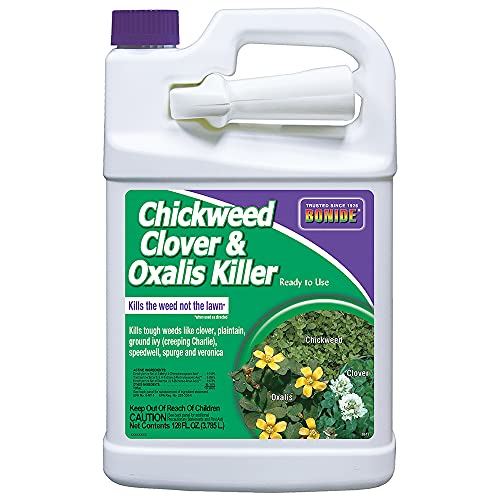
Bonide Chickweed, Clover & Oxalis Killer 128 oz Spray

Roundup Dual Action 365 Weed & Grass Killer 1.33 gal.

Roundup Poison Ivy Plus Tough Brush Killer2 Concentrate 32 fl. oz.

Roundup Poison Ivy Plus Tough Brush Killer2 Comfort Wand 1 gal.

BioAdvanced 3-in-1 Insect, Disease, and Plant Mite Control 24 fl oz

Bonide Poison Ivy & Brush Killer BK-32 16 oz Concentrate
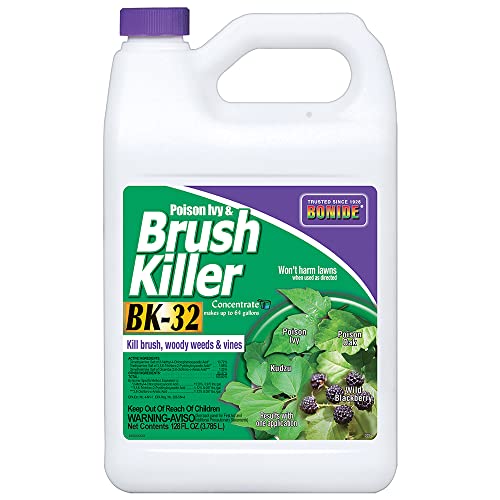
Bonide 332 Herbicide Poison Ivy & Brush Killer Bk-32 128 oz
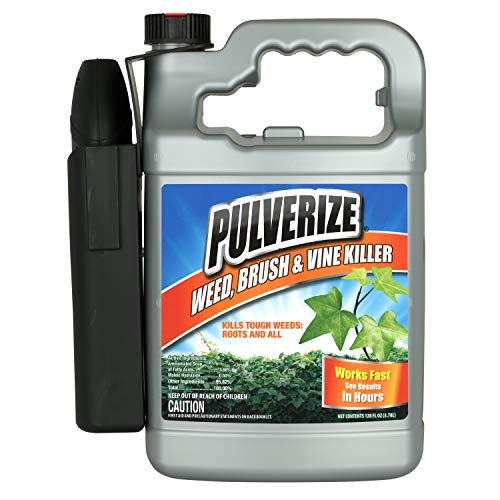
Pulverize Brush & Vine Ready to Use Weed Killer 128 oz
What Each Pick Brings To The Table
Spraying weeds without torching the lawn is a daily battle for homeowners who care about their turf, and this Bonide formula is built for that exact fight. It targets common broadleaf offenders (chickweed, clover, dandelion, ground ivy, oxalis, wild violet, and more) while leaving established grass intact when used as directed.
The 128-ounce bottle arrives ready to hook up to a standard hose-end sprayer, so you skip the measuring and the math. The trade-off shows up in coverage uniformity: if your water pressure swings, you may get hot or thin spots along the lawn. For most residential yards, that’s a workable compromise.
What Helps Most
- Kills over 100 listed broadleaf weeds while sparing most lawn grasses when used as directed.
- Ready-to-use bottle removes measuring steps for first-time users.
- Systemic action (the plant absorbs it and carries it to the roots) helps prevent quick regrowth.
- One gallon covers a sizeable residential lawn in a single pass.
Things To Consider
- Not designed for woody brush like poison ivy vines climbing a tree.
- Hose-end application means coverage depends on consistent water pressure.
Who It Suits Best
Homeowners with a broadleaf weed problem in an otherwise healthy lawn.
Swap It Out When
Skip this Bonide Chickweed, Clover & Oxalis Killer for poison ivy patches and reach for the Bonide Poison Ivy & Brush Killer BK-32 instead.
Driveways, fence lines, and gravel paths don’t need a gentle nudge. They need the greenery gone, and ideally kept gone through the season. This Roundup juggles both jobs in one jug, combining a kill step with a 12-month preventer that stops new weeds from emerging after the initial treatment.
The Pump ‘N Go 2 Sprayer (a battery-assisted, pressurized handheld sprayer) takes the hand-pumping fatigue out of extended sessions, which matters when you’re covering 1.33 gallons of territory. Bear in mind that a preventer barrier means nearby flower beds and lawn edges deserve a shielded pass.
The Upside
- Two-in-one formula handles existing weeds and blocks new growth for up to a year.
- Battery-assisted sprayer reduces wrist fatigue on long applications.
- Targets tough species like poison ivy, crabgrass, dandelion, and clover.
Worth Noting
- Preventer chemistry can harm ornamentals and lawn grasses nearby if drift (unintended spray carried by air) reaches them.
- Heavier 1.33-gallon jug is awkward to haul up ladders or across slopes.
Made For
Property owners clearing non-lawn zones where a year of weed-free pavement beats repeat spraying.
Look Elsewhere When
You want a gentler product for a turf lawn; in that case the Bonide Chickweed, Clover & Oxalis Killer is the better shelf companion.
Concentrate formulas earn their keep on acreage, where ready-to-use jugs run dry halfway through the job. This Roundup concentrate handles poison ivy, poison oak, poison sumac, wild blackberry, kudzu, and similar brush down to the root, so you stop seeing the same vines push back next month.
The 32-fluid-ounce bottle mixes into a sizeable batch of ready spray, giving you control over strength depending on how stubborn the patch looks. Storage gets easier too: a sealed concentrate takes up far less shed space than multiple pre-mixed gallons.
Where It Excels
- Targets the trifecta (poison ivy, oak, and sumac) plus kudzu and wild blackberry.
- Concentrate format scales up cleanly for multi-acre lots.
- Replant window (the waiting period before planting new growth) of one to thirty days supports flexible landscaping.
- Compact bottle stores neatly in a garden shed between seasons.
Trade Offs
- Requires a separate sprayer and accurate mixing before use.
- Stronger brush chemistry means careful handling around desirable plants.
Best Suited To
Anyone managing more than a quarter acre of mixed brush and willing to measure and mix their own batches.
Not Your Match When
You’d rather skip the measuring step; in that case the Roundup Poison Ivy Plus Tough Brush Killer2 with Comfort Wand delivers the same chemistry out of the box.
Targeted brush patches don’t need a backpack sprayer. They need a precise stream, a comfortable trigger, and enough chemistry to finish the job. This Roundup ships ready to spray and includes the Comfort Wand, which extends your reach and reduces hand cramping during longer sessions.
The gallon format covers a sizeable brushy patch without forcing a refill mid-project. The catch shows up in portability: a full gallon is heavy, so you may want to leave it near the work area and refill the wand bottle rather than hauling the jug through thick undergrowth.
Notable Gains
- Comfort Wand reduces hand fatigue compared to standard pump sprayers.
- Targets poison ivy, oak, sumac, kudzu, and wild blackberry to the root.
- Pre-mixed format eliminates measuring for occasional users.
- Visible results typically show within hours under typical conditions.
Honest Caveats
- Brush-killing chemistry will damage nearby grass and ornamentals if drift contacts them.
- Empty bottle recycling options vary by municipality (local recycling rules), so check locally.
Perfect Match For
Anyone facing a defined poison ivy patch and wanting targeted control without buying a separate sprayer.
Reach For A Different Pick When
You’re stocking a shed for years of brush work and want more flexibility per dollar; in that case the Roundup Poison Ivy Plus Tough Brush Killer2 Concentrate lets you mix as needed.
This entry earns its place with an asterisk: BioAdvanced 3-in-1 isn’t an ivy killer. It’s the companion product you reach for when the same plants you’re protecting from ivy are also battling aphids, mites, black spot, or powdery mildew. Pairing it with a true brush killer rounds out a more complete garden-care routine.
The 24-fluid-ounce trigger bottle fits comfortably in one hand for spot treatments on roses, shrubs, and listed flowering plants. Reach the limit on a dense poison ivy invasion and you’ll want a dedicated herbicide on standby rather than expecting this one to do double duty.
What Works In Its Favor
- Three-way control streamlines routine plant care into a single bottle.
- Targets listed insects (aphids, whiteflies, Japanese beetles), diseases (black spot, powdery mildew, rust), and mites.
- Compact trigger bottle handles small ornamental jobs without a sprayer.
Points To Keep In Mind
- Not formulated to kill poison ivy or woody brush, so it won’t replace a herbicide.
- Use is limited to listed flowering plants, trees, and shrubs.
Who Should Grab It
Garden owners layering insect and disease control on ornamentals, with a separate product handling the brush.
Consider Something Else When
Ivy is your main concern and insects are not; the Bonide Poison Ivy & Brush Killer BK-32 keeps the focus where it belongs.
Small bottles matter when you’re stocking a shed for occasional use rather than clearing a woodline. This 16-ounce Bonide concentrate punches well above its weight, tackling over 240 listed brush and weed species including poison ivy, poison oak, kudzu, wild blackberry, and thistle.
The concentrated format means a single bottle makes a substantial volume of ready spray, so you get more coverage than the size suggests. Owners commonly report treating multiple ivy patches from one bottle, which makes the modest footprint a real perk.
What It Does Well
- Covers over 240 listed brush and weed species in a small bottle.
- Designed to leave lawn grasses unharmed when used as directed.
- Works as a stump treatment when applied undiluted to fresh cuts.
- Compact size fits on a shelf next to other garden chemicals.
Soft Spots
- Requires a sprayer and accurate mixing, which adds setup time.
- Mixing errors can leave you with a too-weak or too-strong batch.
Key Specs
The Right Fit
Homeowners who want a flexible concentrate in a smaller bottle for seasonal use.
A Better Fit Elsewhere
You treat large acreage multiple times a year; in that case the Bonide 332 Herbicide Poison Ivy & Brush Killer Bk-32 128 oz keeps you from running out mid-job.
Big properties deserve a bulk concentrate, and this Bonide jug fills that role with the same BK-32 chemistry as the smaller bottle. Over 240 listed brush and weed species fall within its scope, including poison ivy, poison oak, kudzu, wild blackberry, thistle, and the dandelion-clover axis that frustrates lawn keepers.
Approved for use on residential turf types including bluegrass, fescue, rye, bent, Bermuda, Bahia, and Zoysia, so you can spray along lawn edges without losing the grass. The 128-ounce size makes the most sense when you’re committing to multi-acre coverage rather than spot work.
Why It Works Well
- Bulk 128-ounce concentrate stretches across substantial acreage.
- Approved for major residential turf types (bluegrass, fescue, rye, Bermuda, Bahia, Zoysia, and bent).
- Doubles as a stump treatment when applied undiluted with a paintbrush.
- Compatible with common pump sprayers for fast application.
A Few Limitations
- Full jug is heavy to carry through brushy terrain.
- Storage needs a cool, dry spot out of direct sunlight.
Quick Facts
Whose Shelf It Belongs On
Owners of multi-acre lots who want brush and broadleaf control without separate products for each task.
Where A Sibling Pick Shines
You mostly handle small, recurring patches; in that case the Bonide Poison Ivy & Brush Killer BK-32 16 oz Concentrate is easier to store and just as effective.
First-time herbicide users often want something that skips the measuring step entirely. This Pulverize arrives pre-mixed in a 128-ounce container, ready to spray on poison ivy, poison oak, kudzu, wild blackberry, broom, and other woody invaders. Non-staining formula (the spray leaves no visible residue on hardscape) is a thoughtful touch for patios and walkways where drips show.
The active chemistry relies on ammoniated salts of fatty acids for fast burn-down (the visible browning and wilting of treated foliage within hours) plus maleic hydrazide to slow regrowth. You may find the burn-down obvious but the long-term suppression modest on well-established vines.
The Helpful Details
- Ready-to-use format requires no measuring or mixing for first-timers.
- Non-staining spray protects patios, pavers, and walkways from discoloration.
- Targets poison ivy, poison oak, kudzu, wild blackberry, and broom.
- Usable across the active growing season for flexible timing.
Where It May Fall Short
- Large 128-ounce container is heavier to maneuver around uneven terrain.
- Fast burn-down may need a follow-up treatment on deeply rooted vines.
Feature Snapshot
Built With In Mind
New herbicide users who want a low-prep approach for visible ivy around patios and walkways.
Skip It When
You’re managing woody vines deep in a woodline; the Roundup Poison Ivy Plus Tough Brush Killer2 Concentrate is built for that heavier brush work.
What To Weigh Before Choosing An Ivy Killer Spray
Match The Formula To The Target
Start with what you actually need to kill. Soft-stemmed broadleaf weeds in a healthy lawn call for a selective herbicide, a product designed to kill certain plant types while leaving turf intact. The Bonide Chickweed, Clover & Oxalis Killer fits that profile without torching your grass. Woody brush, poison ivy, and vines with deep root systems call for systemic brush killers that travel through the plant and reach below the soil line.
Check Grass Compatibility First
Lawn-safe isn’t universal. Different turf types (cool-season grasses like fescue and bluegrass versus warm-season types like Bermuda and Zoysia) react differently to herbicide chemistries. Reading the label for approved turf types prevents brown patches that take a full season to recover. Treat the label as the final word on where each product is safe to spray.
Decide Between Ready-To-Use And Concentrate
Ready-to-use bottles trade higher per-ounce cost for convenience and zero measuring. Concentrates reward you with lower cost per application and longer shelf life, but they require a sprayer, accurate measuring, and a clean water source. First-time users often prefer ready-to-use; experienced property managers tend toward concentrates.
Plan Around Weather And Replant Windows
Most brush killers ask you to wait one to thirty days before replanting treated areas, and rain soon after application can wash chemistry off leaves before absorption. Aim for a dry forecast with mild temperatures and a stretch of time when the treated zone doesn’t need to host new plants.
Smart Picks, Smarter Trade-Offs
Common Shopping Slip Ups
The biggest mistake is reaching for a general weed killer when the problem is actually woody brush, or grabbing a brush killer when the issue is broadleaf weeds in the lawn. The chemistry is different, and so is the grass-safe label claim. Matching the formula to the target species saves a second round of spraying.
Where The Extra Money Goes
Higher-tier products in this category typically combine kill and preventer chemistry, ship with better sprayer hardware (battery-assisted pumps, comfort wands), or arrive as concentrates that scale to larger acreage. You’re paying for time saved and fewer repeat applications, and the upgrade earns its keep on bigger properties or recurring infestations.
Frequently Asked Questions
How Long Does It Take For Ivy Killer Sprays To Work?
Most brush killers show visible wilting within hours and full die-back within one to two weeks under typical conditions. Deep-rooted vines may need a follow-up application if regrowth appears from surviving roots.
Can Ivy Killer Sprays Harm My Lawn?
Selective formulas designed for residential turf, like the Bonide BK-32 concentrates, target broadleaf weeds and brush while sparing listed grass types. Always check the label for approved turf species before spraying near lawn edges.
Is Concentrate Or Ready-To-Use Better For Small Yards?
Ready-to-use is easier for spot treatments and first-time users, with no measuring or extra sprayer required. Concentrates cost less per application but ask for a separate sprayer and accurate mixing.
When Is The Best Time To Spray Ivy?
Spring through early fall is the most effective window, when plants are actively growing and leaves can absorb the herbicide. Avoid windy days to reduce drift onto desirable plants.
Do I Need To Wear Protective Gear?
Brush killers and broadleaf herbicides can irritate skin and eyes, so gloves, long sleeves, eye protection, and closed-toe shoes are widely recommended by manufacturers. Read each label for the specific product’s safety guidance.
The Takeaway
The best ivy killer sprays earn their place by matching the formula to the mess in your yard: a lawn-safe concentrate for broadleaf weeds, a ready-to-use comfort wand for poison ivy patches, or a bulk jug for multi-acre brush. Start by identifying what you’re actually fighting, then choose a product whose chemistry, format, and grass-safe label line up with your property. A single well-matched bottle usually beats a half-hearted cabinet full of mismatched ones.
