

Japanese beetles don’t mess around. One season they’re a curiosity on your roses, the next they’re skeletonizing every leaf in sight, and the window to act is narrow. Picking the right spray, or a smart trap to take pressure off your plants, comes down to knowing your garden’s size, how close it sits to edibles, and how hands-on you want to be. The eight options below cover contact killers, multi-purpose concentrates, botanical blends, and lure-based traps, so you can match a tool to your actual problem instead of buying on a guess.
A Quick View Of The Lineup

Bonide Captain Jack’s Orchard Spray, 32 oz Concentrate

Catchmaster Japanese Beetle Traps 3 Pack with Dual Lure

Earth’s Ally 3-in-1 Plant Spray, 32 oz

Ortho Rose and Flower Insect Killer, 24-Ounce

Bonide Eight Insect Control Garden & Home, 32 oz
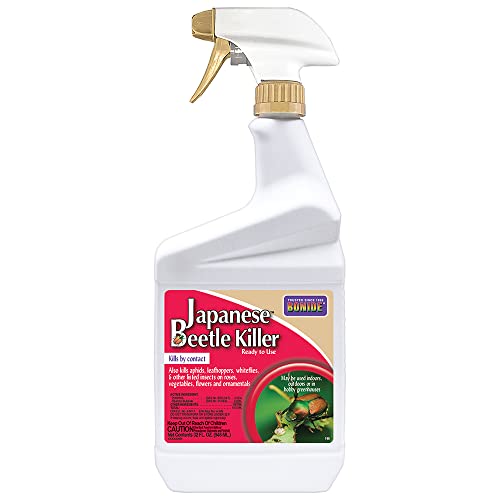
Bonide Japanese Beetle Killer Ready-to-Use Spray, 32 oz

BioAdvanced 3-in-1 Insect, Disease, and Plant Mite Control, 24 fl oz

BioAdvanced Tree & Shrub Insect Killer Spray, 32 oz
Taking A Closer Look At The Options
Bonide Captain Jack’s Orchard Spray is a liquid concentrate that pulls double duty in the garden, tackling both soft-bodied insects and a roster of fungal problems like powdery mildew, rust, and leaf spot. Because it’s a concentrate rather than a ready-to-spray, you’ll need a hose-end or tank sprayer to apply it, which suits anyone already set up for routine lawn and orchard work.
One pint dilutes into roughly 6.4 gallons of finished spray, so a single bottle carries you through multiple treatments across fruit trees, vegetables, roses, and ornamentals. It can be applied up to the day before harvest on listed edibles, which is useful for home growers who want flexibility around picking schedules. For mixed gardens, the label spans everything from apples and peppers to lawns and flowering shrubs.
A Favorable Mix
- Insect and disease control in one bottle simplifies a busy spray rotation
- Concentrate format delivers strong value over ready-to-use alternatives for larger areas
- Approved for use on a long list of edibles, including fruits, nuts, and vegetables
- Can be applied close to harvest, giving you scheduling flexibility
- Works with standard hose-end or tank sprayers you may already own
Points To Note
- Requires a separate sprayer and basic measuring, so it’s less grab-and-go than bottled sprays
- Mixing ratios vary by target pest or disease, which adds a small learning curve for first-time users
- You’ll need to reapply on a schedule during heavy beetle pressure for steady results
Key Specs
Right Fit For
Home growers with mixed fruit, vegetable, and ornamental beds who want one concentrate to cover both insect and disease pressure.
Look Elsewhere When
Small-space growers who would rather skip measuring and mixing should reach for the ready-to-use Earth’s Ally 3-in-1 Plant Spray instead.
Catchmaster’s three-pack of outdoor beetle bags takes a different angle from the sprays on this list. Instead of coating leaves, it uses a dual-lure attractant system: a sex pheromone paired with a floral and food bait, designed to draw both male and female beetles away from roses, grapevines, fruit trees, and ornamentals. You hang the bags on stakes around the perimeter, well away from the plants you’re protecting.
For larger lots with consistent beetle pressure, the three-bag setup spreads coverage across more ground, and the dual-lure approach is built to outperform single-attractant designs during peak season. Placement matters: traps work best set back 30 feet or more from the garden you want to shield, so plan stake locations before the swarm arrives.
Strong Points
- Targets adults before they reach your plants, easing feeding damage across the yard
- Dual-lure system addresses both sexes, which can broaden its effectiveness over single-bait traps
- Three-bag pack offers wider perimeter coverage for larger properties
- No spraying required, making it a fit for households that prefer to avoid chemical contact on edibles
Worth Noting
- Bags need regular emptying once they fill, and the scent can be noticeable in warm weather
- Wrong placement too close to prized plants can actually funnel beetles toward them
- Lures typically need refreshing partway through the season to keep drawing beetles
Who It Suits Best
Property owners with sizable yards and visible beetle pressure who want a hands-off perimeter strategy alongside any leaf sprays they already use.
Where Another Pick Suits Better
Balcony gardeners or anyone working with a few potted plants will find the Bonide Japanese Beetle Killer Ready-to-Use Spray a more proportional tool for that scale.
Earth’s Ally 3-in-1 Plant Spray is a ready-to-use botanical oil blend aimed at soft-bodied insects and common plant diseases, leaning on essential oils rather than synthetic pyrethroids. It comes pre-mixed in a 32-ounce bottle, so there’s no measuring, no dilution, and no extra sprayer to dig out of the shed. For indoor houseplants, patio containers, or kitchen herb gardens, that convenience is the main draw.
The oil-based formula works on contact by coating insects and disrupting their outer layer, which is why thorough coverage on both leaf surfaces matters more than spray volume. It fits gardeners who want to treat a small outbreak without dragging out a tank sprayer, and it’s a natural fit if you’d rather avoid harsher synthetic ingredients around herbs you plan to harvest soon.
Notable Upsides
- Ready-to-use format cuts out measuring and the need for any extra equipment
- Botanical oil base suits gardeners who prefer to limit synthetic pesticide exposure around edibles
- Works on both indoor and outdoor plants, so one bottle covers several spots around the home
- Handy for spot treatments on small infestations before they spread
Trade Offs
- Oil sprays can leave a visible residue on glossy leaves if applied too heavily
- Contact-only action means you’ll need thorough coverage and repeat treatments during heavy pressure
Feature Snapshot
Best Suited To
Apartment dwellers, houseplant collectors, and home cooks tending a small herb garden who want a low-prep, plant-friendly option.
Skip It When
Anyone facing a widespread infestation across a full yard will get more mileage from the broader-coverage Bonide Captain Jack’s Orchard Spray concentrate.
Ortho’s Rose and Flower Insect Killer is built around a single goal: protecting flowering ornamentals from chewing and sucking pests without the fuss of a separate sprayer. The 24-ounce bottle ships ready to use, with an adjustable nozzle on the top so you can swing between a wide fan for clusters and a tighter stream for individual stems and buds.
For gardeners who mostly worry about roses, hibiscus, hydrangeas, and other bloomers under beetle attack, the targeted formulation keeps spray drift away from lawn areas you don’t intend to treat. It’s the kind of bottle you can keep on a potting bench and grab the moment you spot the first lacy leaf damage.
Everyday Advantages
- Adjustable nozzle switches between fan and stream patterns on the fly
- Compact 24-ounce size is comfortable to hold during longer detail sessions
- Ready-to-use format means no dilution guesswork for casual gardeners
- Targeted action suits mixed borders where you want to avoid blanket-spraying the whole yard
Small Caveats
- Smaller bottle means more frequent refills on larger rose collections
- Trigger sprayers can fatigue your hand over extended detail work on big beds
Who Should Grab It
Dedicated rose growers and ornamental bed enthusiasts who prefer a precision tool over a broader-spectrum concentrate.
Not Your Match When
Gardeners managing taller shrubs or trees will find the BioAdvanced Tree & Shrub Insect Killer Spray a better reach match.
Bonide Eight Insect Control lives up to its name by covering a long list of over 130 listed insects, including Japanese beetles along with ants, crickets, spiders, fleas, ticks, and more. The 32-ounce bottle arrives ready to spray, which is a practical choice for gardeners who want breadth without the mixing step that Captain Jack’s concentrate requires.
It’s a useful all-rounder for yards where beetles are only one of several pests showing up through the season. The formula works on contact, so direct, thorough coverage of the pests and the leaf surfaces they frequent delivers the cleanest results, and you can use it on vegetables, roses, lawns, shrubs, and trees per the label.
Points In Its Favor
- Wide insect coverage reduces the need to keep multiple specialty bottles on hand
- Ready-to-use format trades a bit of economy for faster, easier application
- Suitable across vegetables, ornamentals, lawns, and shrubs in a single product
- Compatible with both indoor and outdoor use for broader home applications
Honest Caveats
- Contact action means repeat applications are part of the routine during heavy pressure
- Ready-to-use pricing per ounce runs higher than concentrate alternatives on large properties
Quick Facts
Made For
Homeowners juggling multiple pest types in a single yard who want one bottle to handle beetles and whatever else shows up that week.
Swap It Out When
Edible-focused gardeners who want to avoid synthetics near harvest should pick the Earth’s Ally 3-in-1 Plant Spray instead.
Bonide’s Japanese Beetle Killer is the most focused spray on this list, formulated specifically for Japanese beetles along with aphids, flea beetles, leafhoppers, caterpillars, stink bugs, and a few other listed pests. The 32-ounce bottle is ready to spray right out of the package, and the label covers listed vegetables, flowers, ornamentals, trees, and shrubs, with both indoor and outdoor use.
Where Captain Jack’s leans toward orchard flexibility and Bonide Eight leans toward breadth, this one zeroes in on the beetle itself. For gardeners in heavy Japanese beetle territory who know exactly which pest is doing the damage, the targeted approach removes any second-guessing about whether the active ingredient is the right match for the job.
Benefits That Matter
- Beetle-specific formulation removes guesswork when the pest is clearly identified
- Ready-to-use format gets you spraying within minutes of spotting damage
- Label spans edibles, ornamentals, and greenhouse use for flexible placement
- Also touches aphids, caterpillars, and stink bugs for incidental coverage
Points To Keep In Mind
- Single-pest focus means you’ll need a different product for non-listed issues like mildew
- Contact kill requires direct hits, so undersides of leaves deserve attention
Perfect Match For
Gardeners in known Japanese beetle zones who want a no-mix, pest-specific bottle they can deploy the same afternoon damage appears.
Reach For A Different Pick When
Growers dealing with beetles and fungal issues at the same time will save effort by choosing the BioAdvanced 3-in-1 Insect, Disease, and Plant Mite Control instead.
BioAdvanced’s 3-in-1 formula addresses three problems in one pass: listed insects, listed diseases, and plant mites. The 24-fluid-ounce bottle is built for flowering plants, trees, and shrubs, with coverage that includes Japanese beetles alongside aphids, whiteflies, black spot, powdery mildew, and rust. For ornamentals under combined pressure, that overlap is the whole reason to choose it.
Where single-purpose bottles like the Bonide Japanese Beetle Killer require a separate fungicide during humid stretches, this one aims to consolidate the routine. Apply it when you first notice the damage and follow the label schedule to keep both pests and disease from gaining ground through the rest of the season.
Well-Handled Touches
- Triple-action coverage cuts down on juggling separate insecticide and fungicide bottles
- Targets mites in addition to beetles, which protects new growth through summer
- Useful on both disease-prone and pest-prone ornamentals in the same yard
Room For Improvement
- Smaller 24-fluid-ounce bottle runs out faster on multi-shrub borders
- Combining modes of action in one product means more label detail to read before each use
Product Snapshot
Who Will Love This
Ornamental gardeners fighting beetles and mildew in the same bed who want to simplify their treatment routine.
Another Choice May Suit
Edible gardeners should look at Bonide Captain Jack’s Orchard Spray, which pairs insect and disease control for fruits and vegetables on its label.
BioAdvanced’s Tree and Shrub Insect Killer comes in a 32-ounce hose-end bottle, which is the standout feature for anyone with mature trees or tall hedges. You connect it to a garden hose, and the built-in sprayer does the heavy lifting, reaching upper canopy branches that a hand-trigger bottle can’t touch. For landscape-scale work, that reach is the difference between a thorough treatment and a half-done one.
It targets listed insects including adult Japanese beetles, aphids, caterpillars, leafhoppers, and whiteflies, and it’s intended for outdoor use on trees and shrubs. The hose-end format also means coverage happens fast: a few sweeps along a hedge row and you’ve treated a stretch that would take far longer with a hand sprayer.
Useful Touches
- Hose-end reach covers taller trees and hedges without ladders or pump sprayers
- Fast application across larger landscape features, saving time on routine work
- 32-ounce size offers enough volume for a small property in one fill
Worth Bearing In Mind
- Requires a garden hose and outdoor water access, so it won’t work for indoor plants
- Pre-mixed concentration is fixed, so you can’t dial dilution up or down for delicate species
- Coverage relies on overlapping sweeps to wet leaves thoroughly, which takes practice on first use
Built With In Mind
Homeowners with established trees, tall hedges, and large foundation plantings who need to reach beyond what a hand sprayer can manage.
A Better Fit Elsewhere
Container gardeners and small-plot growers will find the Bonide Japanese Beetle Killer Ready-to-Use Spray a more proportional match for their scale.
Choosing The Right Japanese Beetle Spray For Your Yard
Match The Format To Your Garden Size
Concentrates like Bonide Captain Jack’s Orchard Spray stretch further per dollar, which makes sense for half-acre lots and orchard-scale work. Ready-to-use bottles like Earth’s Ally or Ortho Rose and Flower are easier on small patios and indoor collections. A 32-ounce ready-to-spray often covers a modest flower bed for one or two seasons, while the same volume in concentrate can treat a backyard for months. For larger properties, hose-end bottles like BioAdvanced Tree and Shrub Insect Killer save the most time per pass.
Decide Between Contact And Multi-Mode Action
Most sprays on this list work by direct contact, meaning thorough coverage matters more than spray volume. Multi-mode products like BioAdvanced 3-in-1 Insect, Disease, and Plant Mite Control add disease and mite control, which helps in humid climates where black spot and mildew ride alongside beetle damage. If your roses tend to get everything at once, a combined product simplifies the schedule. If beetles are your only real problem, a single-purpose formula keeps the label easier to read.
Think About Edibles, Pets, And Placement
Anything applied to fruits, vegetables, or herbs needs a label that lists those crops, and even then, paying attention to days-to-harvest intervals is part of the routine. Botanical oils like Earth’s Ally appeal to growers who want to limit synthetic pesticide contact around food. Lure traps like Catchmaster avoid sprays altogether but require careful placement well away from the plants you want to protect, since traps placed too close can attract more beetles than they capture.
Key Considerations Across These Picks
Pitfalls Shoppers Hit
A common slip is buying a concentrate when you’d rather not measure, or grabbing a ready-to-spray for a half-acre lot and running out mid-treatment. Another trap is placing beetle traps right next to the roses you’re trying to save, which can do more harm than good. Reading the label for listed crops, application sites, and days-to-harvest helps avoid off-label use and wasted product. Skipping that step is how gardens end up with leaf burn or a treatment that misses the real target.
Where The Extra Money Goes
Higher-tier options like the BioAdvanced 3-in-1 or the BioAdvanced Tree and Shrub Insect Killer bundle features that basic contact sprays don’t: combined modes of action, hose-end reach, or longer-lasting protection. The upgrade pays off when your yard is large, your plants are tall, or beetles are one of several problems you’re managing. For a single rose bed with light pressure, a focused bottle does the job at lower cost. The honest read is that the more moving parts your garden has, the more a multi-mode product earns its place.
Frequently Asked Questions
When Is The Best Time To Spray For Japanese Beetles?
Spray in the early morning or evening when beetles are most active and less likely to fly off mid-application. Repeat applications on a 7-to-14-day schedule during peak season usually keep populations in check.
Can One Spray Handle Both Beetles And Plant Diseases?
Yes, options like Bonide Captain Jack’s Orchard Spray and BioAdvanced 3-in-1 Insect, Disease, and Plant Mite Control combine insect and disease control in one bottle. For gardens facing mildew or rust alongside beetles, that overlap saves a separate step.
How Far Should Beetle Traps Be From My Plants?
Place lure traps at least 30 feet from the plants you want to protect, ideally along a property edge or downwind. Traps set too close can attract beetles into the garden faster than the bag can catch them.
Are Botanical Sprays Strong Enough For Severe Infestations?
For light to moderate pressure on houseplants and small beds, botanical oils like Earth’s Ally 3-in-1 hold their own. Heavier infestations across larger yards usually respond better to broader-spectrum contact sprays or a trap-and-spray combination.
Do I Need To Reapply After Rain?
Most contact sprays lose effectiveness once foliage dries after a heavy rain, so reapplication is part of the routine during wet stretches. Checking the label for rainfastness and re-treatment intervals helps you time the next pass without wasted product.
Wrap Up
The right Japanese beetle spray depends on what you’re growing, how big the garden is, and how comfortable you are with mixing concentrates. Targeted bottles like the Bonide Japanese Beetle Killer are a clean fit for known outbreaks, while combined formulas like the BioAdvanced 3-in-1 earn their keep when disease tags along. Traps, concentrates, and ready-to-sprays each have a place, and matching the tool to your yard’s scale is the move that pays off most.
