

Japanese maples have a reputation for being finicky. Their shallow roots dislike hot synthetic feeds, their delicate foliage scorches under harsh nitrogen, and their preferred slightly acidic soil can drift alkaline without warning. Gardeners tending these ornamentals need a fertilizer that respects the tree’s slow, steady rhythm rather than pushing aggressive top growth.
This roundup focuses on eight picks built for the realities of maple care: low nitrogen formulations, acid-loving blends, and both granular and liquid options for container specimens or in-ground specimens. You’ll find a balanced shortlist covering single bags, two-packs for multi-tree yards, and specialty formulas for neighboring acid-loving plants.
A Side-By-Side Look

FoxFarm Happy Frog Japanese Maple Fertilizer 4 lb Bag
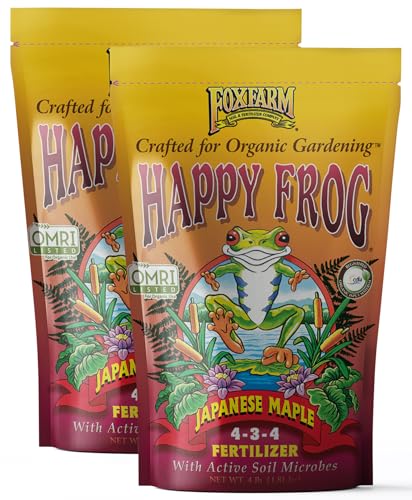
FoxFarm Happy Frog Japanese Maple Fertilizer 4 lb, 2 Pack

FoxFarm Happy Frog All Purpose Fertilizer 4 lb

FoxFarm Happy Frog All Purpose Fertilizer 4 lb, Pack of 2

FoxFarm Happy Frog Citrus and Avocado Fertilizer 4 lb

Japanese Maple Tree Fertilizer Liquid 8 oz

Japanese Maple Tree Fertilizer Liquid 1 Gal
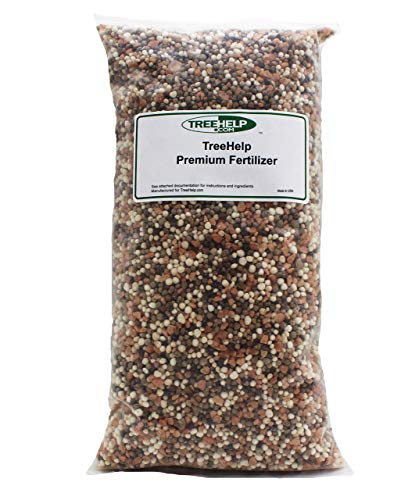
TreeHelp Premium Fertilizer for Japanese Maple
What Each Pick Brings To The Table
Anyone planting a single Japanese maple as a focal point needs a feed that matches the tree’s preference for acidic, low-nitrogen conditions. This FoxFarm bag is built around a gentle 4-3-4 ratio (nitrogen-phosphorus-potassium, the three numbers that describe a fertilizer’s nutrient balance), with mycorrhizal fungi (beneficial microorganisms that form a symbiotic relationship with roots, helping them absorb water and nutrients more efficiently) added to encourage root colonization.
For most home gardeners, the appeal is simplicity. One application in spring and another in early fall typically covers the growing season, and the granular texture spreads evenly around the drip line. You may find that newly transplanted maples respond better when you halve the first dose to avoid overwhelming tender roots.
The Good Stuff
- Low nitrogen ratio discourages the leggy, weak growth that plagues overfed maples
- Mycorrhizal fungi help roots tap into existing soil nutrients
- Soil microbes support long-term soil structure around the root zone
- Granular format makes measuring and reapplication straightforward
Things To Consider
- One bag covers roughly a single mature tree, so multi-tree gardens run out quickly
- Storage requires an airtight container to keep granules from clumping in humid sheds
Who Should Grab It
First-time maple owners tending one specimen tree in a yard with acidic-leaning soil will appreciate the targeted formulation.
Consider Something Else When
Households with several established maples should reach for the FoxFarm Happy Frog Japanese Maple Fertilizer 4 lb, 2 Pack to avoid reordering mid-season.
Gardeners with two or three maples scattered across a property quickly learn that single bags vanish by midsummer. This twin-pack delivers the same 4-3-4 maple-specific formula as the solo bag but doubles the supply, letting you treat multiple specimens without scrambling for a second order during peak feeding season.
Like its single-bag sibling, the blend relies on soil microbes and mycorrhizal fungi to do quiet work below the surface. For most landscapes with mature specimens, splitting applications across spring and late summer keeps foliage color consistent without pushing flushes of soft growth that invite scorch.
Good Reasons To Consider
- Two-bag format aligns with multi-tree feeding schedules
- Same gentle NPK ratio as the single bag avoids formula guesswork
- Granules stay usable across a full growing season with proper storage
Trade Offs
- Eight pounds of granules takes up meaningful shed or garage space
- Excess product beyond the season may compact in humid climates
Built With In Mind
Property owners tending two to four Japanese maples, or those preparing for next season during a fall sale.
A Better Fit Elsewhere
Single-tree households will find the FoxFarm Happy Frog Japanese Maple Fertilizer 4 lb Bag more size-appropriate and easier to store.
Maples rarely grow in isolation. A mixed bed with hydrangeas, azaleas, and shade perennials calls for one feed that handles the whole lot. This Happy Frog all-purpose blend is built around a 6-4-5 ratio and carries the same microbe package as the maple-specific formula, making it a reasonable companion for low-pH borders.
For most gardeners, the convenience factor wins out. One bag covers ornamentals, vegetables, and flowering shrubs without juggling multiple products. You may find the nitrogen level slightly higher than ideal for mature maples, so halving doses around the tree while feeding surrounding beds keeps things balanced.
Positive Takeaways
- One product handles maples, hydrangeas, azaleas, and vegetables together
- Slow-release nitrogen extends feeding across several weeks
- Soil microbes and mycorrhizal fungi support root development
- OMRI listed status (a certification indicating the product meets organic use standards) suits gardeners following organic practices
- Granular texture allows measured application around mixed plantings
Honest Caveats
- Higher nitrogen than the dedicated maple formula may stress sensitive cultivars
- Not formulated specifically for low-pH feeders, so acid-soil gardeners should monitor pH
- Granules can clump if stored in a damp garage over winter
Right Fit For
Diverse garden beds where maples share space with vegetables and flowering ornamentals benefit from this single-bag solution.
Look Elsewhere When
Maple specialists seeking strictly low-pH nutrition should consider the FoxFarm Happy Frog Japanese Maple Fertilizer 4 lb Bag for targeted feeding.
Heavier gardeners and hobby growers move through fertilizer faster than they expect, especially when feeding multiple raised beds alongside ornamentals. This bulk two-pack brings the same 6-4-5 all-purpose formula in eight-pound quantity, reducing reorder trips during the busiest months.
For most home growers running a mixed landscape, the supply matches the workload. The blend suits vegetables, flowering shrubs, and maples that tolerate slightly higher nitrogen. You may find the bag weight awkward to lift once you hit the halfway mark, so pouring into a smaller pail for daily use saves strain.
A Few Strong Suits
- Two-bag bulk supply covers full-season feeding without restocking
- Multi-purpose formula spans vegetables, ornamentals, and acid-tolerant shrubs
- Microbial content remains active when stored in a cool, dry location
Points To Note
- Bulk format demands dry storage space to prevent caking
- Same elevated NPK as the single bag means careful dosing around sensitive maples
Whose Shelf It Belongs On
Diverse garden owners managing vegetables, ornamentals, and shrubs in a single landscape benefit from the larger supply.
Reach For A Different Pick When
Gardeners focused primarily on Japanese maples with only minor vegetable beds should consider the TPS NUTRIENTS Japanese Maple Tree Fertilizer Liquid 1 Gal for a maple-forward feeding plan.
Gardeners running citrus trees alongside maples often wonder whether they can simplify with a shared feed. This Happy Frog citrus and avocado blend leans on slow-release nitrogen and adds calcium and sulfur, supporting fruit development while staying gentle enough for acid-loving ornamentals.
For most mixed edible-and-ornamental landscapes, the formula threads the needle between fruiting needs and maple sensitivity. You may find that maples in alkaline-leaning regions respond particularly well to the sulfur component, which gradually nudges soil pH (the scale measuring soil acidity or alkalinity, where 7 is neutral and lower numbers indicate more acidic conditions) downward.
Notable Gains
- Calcium supports cell wall strength in both fruit and ornamental growth
- Sulfur gradually acidifies alkaline soil over repeated applications
- Slow-release nitrogen reduces the risk of leaf burn on maples
- Soil microbes improve nutrient availability across mixed plantings
- One bag handles citrus, avocado, and adjacent acid-loving ornamentals
Minor Gripes
- Formula is not engineered for maples specifically, so results vary by cultivar
- Citrus-focused nutrient ratio may underdeliver phosphorus for heavy-flowering ornamentals
Best Suited To
Garden owners juggling citrus, avocado trees, and Japanese maples in the same yard benefit from this crossover formula.
Skip It When
Pure maple collections without citrus should consider the FoxFarm Happy Frog Japanese Maple Fertilizer 4 lb Bag for a more targeted approach.
Container maples and small patio specimens need feeding that won’t sit in a bag for months losing potency. This 8-ounce liquid concentrate from TPS NUTRIENTS mixes into a watering can and delivers nutrition directly to the root zone, which suits the limited soil volume of pots.
For most balcony and patio gardeners, the small format eliminates waste and shelf-life concerns. You may find the bottle runs out quickly on anything larger than a modest container, signaling the move to the gallon size once your collection grows.
Bright Spots
- Liquid format absorbs quickly for container-bound roots
- Compact bottle stores easily on a potting bench or balcony shelf
- Sized for one or two small container specimens
- Easy mixing with standard watering cans
Practical Considerations
- Small volume is impractical for in-ground landscape trees
- Liquid feed requires more frequent applications than slow-release granulars
The Right Fit
Container gardeners and apartment dwellers tending one or two patio maples get a manageable, waste-free option.
Not Your Match When
Households with several landscape maples will find the TPS NUTRIENTS Japanese Maple Tree Fertilizer Liquid 1 Gal far more economical per feeding.
Landscape gardeners managing multiple mature maples often prefer liquid feeding for its speed and flexibility. This one-gallon refill from TPS NUTRIENTS stretches across many applications, mixing into a hose-end sprayer (a device that attaches to a garden hose and siphons liquid fertilizer at a set dilution ratio) or large watering can for whole-property coverage.
For most multi-tree properties, the volume matches the workload. The liquid form bypasses the soil-temperature and microbial activity requirements that granular feeds depend on, making it useful during early spring when soils are still cool. You may find that supplementing with a granular slow-release option later in the season reduces application frequency.
Points In Its Favor
- Liquid delivery works in cool spring soils before microbial activity ramps up
- One gallon covers multiple mature trees across a full season
- Easy to adjust dosage based on individual tree response
Some Limits To Know
- Requires a hose-end sprayer or dedicated watering can for application
- Gallon jug demands storage space in a garage or shed
- Frequent reapplication throughout the growing season is necessary
Perfect Match For
Garden owners with several mature in-ground maples benefit from the bulk liquid format.
Where Another Pick Suits Better
Gardeners with only one small container tree should consider the TPS NUTRIENTS Japanese Maple Tree Fertilizer Liquid 8 oz to avoid storing a gallon jug.
Specimen-tree owners who want a brand built specifically around Japanese maples will find TreeHelp’s 1.5 kg formula focused on root development and long-term vitality. The slow-release nitrogen profile (nitrogen formulated to release gradually over weeks or months rather than all at once) feeds the tree throughout the growing season without aggressive spikes.
For most landscape specimens, one container treats one large tree or two to three smaller or newly planted ones. You may find that the complete application instructions included with the bag remove much of the guesswork that first-time feeders encounter, especially around timing and placement.
Benefits That Matter
- Specifically formulated for Japanese maples rather than generalized ornamentals
- Slow-release nitrogen sustains feeding through the entire growing season
- Designed to promote root development and long-term tree vitality
- Coverage treats one large tree or multiple smaller specimens
Things To Weigh
- Not available for purchase in Washington state, limiting regional shoppers
- Single-purpose formula does not extend to other acid-loving plants in the yard
Made For
Landscape gardeners with one or two specimen Japanese maples seeking a formula with clear, included application guidance.
Swap It Out When
Households running mixed plantings including hydrangeas or azaleas should consider the FoxFarm Happy Frog All Purpose Fertilizer 4 lb for broader coverage.
Picking The Right Feed For Your Trees
Japanese maples prefer a soil pH between 5.5 and 6.5, leaning slightly acidic but never extreme. Anything above 7.0 blocks iron uptake and yellows the foliage, a condition called chlorosis (yellowing of leaves caused by nutrient deficiency, often iron, even when nutrients are present in the soil). Testing your soil before choosing a fertilizer prevents months of feeding into the wrong chemistry.
The three numbers on a fertilizer bag matter more than brand cachet. Look for a low first number, ideally between 4 and 6 for nitrogen, which controls leaf and stem growth. Phosphorus (the middle number) supports root development, while potassium (the last number) governs overall plant resilience. Maples respond poorly to high-nitrogen feeds because flushes of tender growth scorch easily in summer sun.
Container maples dry out faster than in-ground trees, washing nutrients through the limited soil volume. Liquid feeds work well here because they apply nutrition precisely when you water. Landscape specimens, by contrast, benefit from granular slow-release formulas that feed across weeks without repeated effort.
Mycorrhizal fungi and beneficial bacteria aren’t marketing fluff. These microorganisms help roots access phosphorus and micronutrients that would otherwise stay locked in the soil. Granular feeds that include these microbes gradually improve root efficiency season over season.
Matching Format To Situation
Granular slow-release fertilizers suit in-ground trees with established root systems. One or two applications per year covers the growing season with minimal effort. Liquid concentrates fit container culture and quick-response feeding during active growth. Avoid foliar sprays (liquid fertilizer applied directly to leaves rather than soil) for maples since their delicate leaf tissue burns easily.
Key Considerations Across These Picks
Common Shopping Slip Ups
Buying a general lawn fertilizer for maples is one of the most frequent mistakes. Turf feeds carry high nitrogen ratios designed to push grass blade growth, which scorches maple foliage and encourages weak, susceptible branches. Always check that the first number on the bag stays below 10 before applying anything near a Japanese maple.
Ignoring soil pH is another pitfall. Maples in alkaline soil show yellowing leaves even when fertilizer is applied correctly, because the tree cannot absorb iron at higher pH levels. A simple soil test kit prevents months of misdirected feeding and reveals whether sulfur amendments are needed.
Where The Extra Money Goes
Dedicated maple formulas cost more because they’re blended for a narrow pH range and include the specific micronutrients these trees need. The TreeHelp and FoxFarm Japanese Maple options cover what general all-purpose feeds miss: the slightly acidic soil balance and the slow feeding rhythm that prevents growth surges.
Premium blends also tend to include higher concentrations of mycorrhizal fungi and beneficial bacteria, which improve soil biology over time. For gardeners with a single specimen tree, the upfront cost pays back in fewer replacement plantings and stronger long-term health.
Frequently Asked Questions
How often should Japanese maples be fertilized? Most Japanese maples benefit from one application in early spring as buds break, with a lighter second feeding in early summer. Mature trees in rich soil may only need the single spring dose. Avoid late-season feeding, which encourages soft growth vulnerable to winter damage.
Can I use a general all-purpose fertilizer on Japanese maples? Yes, but with caution. Choose a blend with a low first number, ideally 6 or below, and apply at half the recommended rate to avoid overfeeding. Dedicated maple formulas produce more reliable results because they match the tree’s preferred pH and nutrient balance.
Do Japanese maples need acidic soil? They prefer slightly acidic soil, typically between pH 5.5 and 6.5, which keeps iron and other micronutrients available to roots. In alkaline conditions above pH 7.0, maples develop chlorosis and yellowed foliage. Sulfur amendments or acid-leaning fertilizers gradually bring soil into the preferred range.
Are liquid or granular fertilizers better for maples? Liquid feeds work well for container maples and quick nutrient boosts during active growth. Granular slow-release formulas suit landscape trees, requiring fewer applications and feeding steadily across weeks. The best choice depends on your setting and how frequently you want to apply.
When should I avoid fertilizing my Japanese maple? Skip feeding during summer heat waves, when trees are stressed, and during the weeks after transplanting. Late fall applications also risk pushing tender growth that won’t harden off before frost. Focus feeding windows on spring and early summer for the safest results.
Final Verdict
Japanese maple care rewards patience and specificity. A dedicated low-nitrogen formula, whether granular for landscape trees or liquid for containers, keeps these ornamentals healthy across the seasons. Match the format to your setting, check your soil pH before committing, and avoid the urge to overfeed. Your maples will reward the restraint with steady color and quiet growth year after year.
