

A tired-looking hedge rarely comes out of nowhere. The shrub probably isn’t dead, it’s just hungry, or it’s working against insects and root stress that you can’t see from the driveway. Liquid shrub fertilizers feed through the soil and foliage fast, which makes them a smart pick when you want visible recovery before the season ends. This roundup walks through eight formulas worth a look, from pure root stimulators to all-in-one bottles built for routine care.
The Main Contenders

Fertilome Tree & Shrub Drench Systemic Insecticide 1 gal

Fertilome Root Stimulator & Plant Starter Solution 4-10-3, 1 gal

Arborvitae Tree Fertilizer Liquid Plant Food 32 oz

Miracle-Gro Organic Plant Food 32 fl. oz.

4 Pack Liquafeed Refills All Purpose Fertilizer

Gold Leaf All-in-One Fertilizer 16.9 fl oz

BioAdvanced Shrub Care Protect and Feed 4 lb
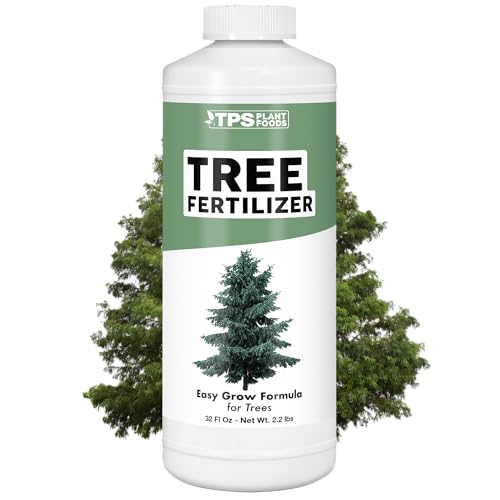
Tree Fertilizer Liquid Plant Food 32 oz
A Closer Look At Each Pick
This is the pick you reach for when your shrubs keep losing the same battle every season. Fertilome’s drench formula works through the root system, so the active ingredient moves up into the leaves where sucking insects do their damage. Designed for outdoor residential use, one application per year is the routine, which suits gardeners who’d rather not keep re-spraying.
For homeowners dealing with aphid or psyllid pressure on ornamentals, the 12-month window removes a lot of calendar-watching. It also beats foliar sprays during rainy weeks, since the systemic path keeps working even when wash-off would ruin a contact product. You mix it as a liquid drench at the base, then let the roots do the rest.
A Strong Showing
- Year-long systemic coverage means a single annual application
- Liquid drench format spreads through the entire root zone
- Targets aphids, psyllids, and a wider listed insect spectrum
- Rated for outdoor residential shrubs and small trees
- One-gallon size covers several established plantings
Things To Consider
- Only one application per year, so timing in early spring or early fall matters
- Insecticide-focused rather than a nutrient feed, so pairing with a fertilizer may help nutrient-poor beds
- Storage in a garden shed over winter calls for a cool, dry spot away from pets
Built With In Mind
Homeowners with established landscape shrubs that lose vigor to recurring insect pressure each season.
Skip It When
You’re focused on root establishment for new plantings, in which case Fertilome Root Stimulator & Plant Starter Solution 4-10-3 is the better match.
A transplant season demands different nutrition than a mature hedge. This 4-10-3 liquid starter leans heavily on phosphate to push early root formation, which is exactly what a freshly planted shrub or small tree needs in its first weeks. The active ingredient is indole-3-butyric acid, a synthetic version of a natural rooting hormone that signals new root cells to develop.
Gardeners laying in bare-root fruit trees, berries, or container ornamentals tend to keep a bottle of this on the porch. Unlike the insect-driven Fertilome drench above, this one is purely about getting roots established before top growth demands too much. It’s gentle enough to use at planting and during early follow-ups.
What Works In Its Favor
- High phosphate ratio supports aggressive early root development
- Built around a proven rooting hormone for stronger establishment
- Suitable for transplants, vegetables, berries, flowers, trees, and ornamentals
- Liquid format mixes easily into a watering can
- One-gallon jug covers a full planting weekend’s worth of work
Worth Noting
- Not a maintenance fertilizer, so mature shrubs need a balanced feed afterward
- Low nitrogen means it won’t push leaf growth during the establishment window
Quick Facts
Right Fit For
Anyone putting in new shrubs, fruit trees, or berry bushes this season and wanting stronger root anchoring before winter.
Consider Something Else When
You need year-round nutrition for a mature landscape, where the TPS NUTRIENTS Tree Fertilizer would suit the routine better.
Arborvitae are a different beast from boxwood or privet. They need steady, balanced feeding to hold that tight evergreen column through winter, and a generic lawn fertilizer usually delivers too much nitrogen at once. TPS NUTRIENTS builds this bottle specifically for arborvitae foliage density, so the formula targets color and structure rather than pushy top growth.
If your hedge row is starting to thin in the middle or bronze at the tips, a targeted liquid feed often brings back the green faster than a granular alternative. The 32-ounce bottle is sized for homeowners with a screen planting rather than a full acre of trees.
What It Does Well
- Species-specific formula for arborvitae and similar evergreens
- Encourages denser foliage without overstimulating stretch growth
- Liquid delivery gets nutrients to roots quickly
- Compact bottle suits a small urban yard
Honest Caveats
- Narrowly tuned to arborvitae, so it won’t double as a general landscape feed
- Smaller bottle means more frequent reordering on long hedge rows
Best Suited To
Homeowners with privacy hedges or screen plantings of arborvitae that need steady color support.
A Better Fit Elsewhere
You garden with mixed shrubs and ornamentals, in which case Miracle-Gro Organic Plant Food offers broader coverage.
For gardeners who want organic matter moving through the soil without giving up the convenience of a liquid feed, this 32-ounce bottle earns its spot. Made primarily from plant-based fertilizer ingredients, it lists for organic gardening use, which is a meaningful checkbox for vegetable beds and edible landscapes. You can run it on indoor houseplants and outdoor containers alike.
The pitch is straightforward: feed on a routine, see resilient growth, and stay compliant with organic garden plans. It won’t push the explosive green-up of a synthetic 24-8-16, but for steady maintenance it’s a sensible everyday choice.
A Few Strong Suits
- Plant-based formula suits organic gardening routines
- Safe for indoor and outdoor container plants
- Liquid delivery offers quick nutrient uptake versus dry meals
- Recognized for organic gardening use, which simplifies certification record-keeping
Small Caveats
- Lower nutrient density than synthetic concentrates, so heavy feeders may need larger volumes
- Bottle is small for feeding a full hedge row in one pass
Feature Snapshot
Who Will Love This
Organic-focused gardeners running mixed containers, raised beds, and small ornamental plantings on the same schedule.
Look Elsewhere When
You need a single product for a long screen of arborvitae, where TPS NUTRIENTS Arborvitae Tree Fertilizer is more targeted.
Anyone who has wrestled with mixing ratios in a watering can knows the appeal of a hose-end feeder. This four-pack of Liquafeed refills is designed to snap into the Liquafeed Garden Feeder (sold separately), then automatically dilute as water flows through. The pitch is that feeding becomes as easy as watering the lawn.
For a suburban property with lawn, shrubs, flower beds, and a vegetable patch, that “no measuring” angle saves real time. You walk the hose, and the fertilizer rides along. It’s an all-purpose blend, so it isn’t a specialist pick, but for routine coverage of mixed plantings it’s hard to beat the convenience.
The Good Stuff
- Hose-end dilution removes measuring and mixing entirely
- Four-pack keeps a full season of feedings on hand
- All-purpose blend suits lawn, beds, and shrubs on one schedule
- Compatible with the Liquafeed Garden Feeder system
Trade Offs
- Requires the separate Liquafeed Garden Feeder attachment
- All-purpose formula won’t outperform a species-specific blend like the TPS NUTRIENTS arborvitae option on tricky evergreens
Whose Shelf It Belongs On
Busy homeowners with mixed lawn-and-garden feeding who want one routine that covers everything.
Reach For A Different Pick When
You grow mostly arborvitae and want a targeted formula, where the TPS NUTRIENTS Arborvitae Tree Fertilizer is more focused.
Most liquid shrub fertilizers assume you’re working with a backyard and a hose. Gold Leaf takes the opposite approach: a single bottle built for hydroponic setups, indoor plants, and outdoor beds alike. The “all-in-one” framing means no separate grow and bloom bottles, no multi-step feeding schedules, just shake, mix, and apply.
Apartment growers with a few patio ornamentals and a windowsill herb garden tend to gravitate here. It’s also a smart pick for anyone dabbling in hydroponic lettuce or small fruit setups under lights.
Benefits That Matter
- Single-bottle format replaces multi-part nutrient programs
- Works across hydroponic, indoor, and outdoor applications
- Highly concentrated, so a small bottle goes a long way
- Shake-and-apply routine suits beginner growers
Points To Note
- Highly concentrated formula means strict measuring matters for sensitive houseplants
- Smaller bottle can run out quickly on larger outdoor shrub collections
Core Details
Perfect Match For
Small-space gardeners running a mix of houseplants, hydroponic herbs, and patio ornamentals under one feeding routine.
Swap It Out When
You’re maintaining a long hedge row or mature landscape, where the BioAdvanced Shrub Care Protect and Feed gives broader outdoor coverage.
Some shrubs fight on three fronts at once: hungry roots, chewing insects, and fungal disease spreading across the lower leaves. BioAdvanced collapses those jobs into a single granular application that works as both fertilizer and treatment. It claims six weeks of systemic insect protection while also tackling listed diseases like black spot, powdery mildew, rust, and southern blight.
For gardeners managing a mixed shrub border who don’t want to juggle separate bottles, that consolidated routine has real appeal. It’s worth noting this isn’t a true liquid product, so it sits at the edge of the liquid category. Practical-minded shoppers who prioritize “fewer applications per season” still tend to include it in the shortlist.
Noteworthy Benefits
- Combines feeding, insect control, and disease treatment in one application
- Targets a wide insect spectrum including aphids and Japanese beetles
- Addresses fungal issues like powdery mildew and black spot
- Granular format spreads easily around the dripline of mature shrubs
- 4-pound bottle covers several established plants per treatment
Where It Is Less Suited
- Granular, not liquid, so it sits at the edge of this category
- Six-week window means reapplication through the growing season
- Three-in-one scope means trading away specialist flexibility for convenience
Made For
Garden owners with established shrubs battling both insects and fungal issues who want to simplify their treatment schedule.
Not Your Match When
You specifically need a liquid concentrate for transplant work, where Fertilome Root Stimulator & Plant Starter Solution 4-10-3 fits the moment.
Shade trees and ornamentals get overlooked in a fertilizer lineup built mostly for shrubs and hedges, so TPS NUTRIENTS fills that gap here. This 32-ounce bottle is positioned for deep root development and steady structural growth in landscape trees, including shade and ornamental specimens across a yard.
If you’re noticing slow canopy fill on a young maple or thinning tips on an established ornamental, a targeted liquid tree food tends to show response within a single growing season. It’s a sister product to the arborvitae-specific bottle earlier in the list, just tuned for broader tree species.
Where It Helps
- Designed for shade trees, ornamentals, and yard plantings
- Liquid delivery supports deep root system development
- Strengthens overall tree structure and long-term performance
- Made in the USA, which matters to shoppers focused on domestic sourcing
Things To Consider
- Bottle is small for properties with multiple mature trees
- Broad tree focus won’t outperform the arborvitae-specific formula on that species
Key Product Details
Who Should Grab It
Homeowners with a few landscape trees showing slow growth or thinning canopies who want a tree-specific feed.
Consider Something Else When
Your main target is a privacy screen of arborvitae, where TPS NUTRIENTS Arborvitae Tree Fertilizer is the species-tuned choice.
What Matters Most Before Choosing Liquid Shrub Fertilizers
Match The Formula To The Job
Start with the question your shrubs are actually asking. New transplants want a phosphate-forward root stimulator like Fertilome Root Stimulator & Plant Starter Solution 4-10-3 to drive early root growth. Mature hedges battling insects need a systemic drench such as Fertilome Tree & Shrub Drench Systemic Insecticide. Evergreen screens like arborvitae respond best to species-specific blends that avoid overstimulating top growth.
Read The N-P-K Numbers
The three numbers on the label tell you the nitrogen, phosphate, and potash percentages. Nitrogen pushes leafy growth, phosphate drives roots and blooms, and potash supports overall plant health. A 4-10-3 ratio signals root-building, while a balanced 8-8-8 leans toward general maintenance. Reading these numbers honestly prevents the most common mistake, which is feeding a struggling shrub a high-nitrogen lawn formula and wondering why it greens up without rooting in.
Liquid Versus Granular Convenience
Liquid concentrates mix into a watering can or hose-end feeder for fast uptake, which is helpful when shrubs are already stressed and need a quick response. Granular products like BioAdvanced Shrub Care Protect and Feed trade some speed for longer feeding windows and combined pest or disease control. Your tolerance for measuring, mixing, and reapplying should drive the choice.
Organic Versus Synthetic Inputs
Planters running organic gardens often look for OMRI-listed options such as Miracle-Gro Organic Plant Food. Synthetic formulas typically deliver higher nutrient concentrations per ounce and faster visible response. Neither is universally better, and the right pick depends on your soil program and certification goals.
Size The Container To The Property
A 16.9-ounce bottle is fine for a small patio garden, but a long hedge row or multiple landscape trees will burn through it mid-season. One-gallon concentrates cover a full planting weekend, while four-pack refills like Liquafeed suit multi-month feeding schedules. Choosing the wrong size is the easiest way to end up reordering during peak growing weeks.
Key Considerations Across These Picks
Common Shopping Slip Ups
The single biggest mistake is grabbing a lawn fertilizer for shrubs and expecting it to do the same job. Lawn blends are tuned for grass root depth and frequent mowing cycles, and they often overstimulate leafy growth on shrubs without supporting root development or flowering. A second trap is ignoring label timing. Systemic insecticides like Fertilome’s drench only work if applied in the recommended season window, so buying one in midsummer leaves you waiting months for the right moment.
What The Higher Tier Buys
Premium liquid shrub fertilizers tend to concentrate more nutrient density into smaller bottles, which lowers your cost per application even when the sticker price runs higher. Specialty formulas like the TPS NUTRIENTS arborvitae bottle include species-specific micronutrient ratios that general-purpose feeds skip. Three-in-one products such as BioAdvanced command more because they bundle fertilizer, insect control, and disease treatment into one granular pass, which saves labor across the season for gardeners who would otherwise juggle three separate products.
Frequently Asked Questions
How Often Should Liquid Shrub Fertilizers Be Applied?
Most liquid concentrates feed every two to four weeks during active growth, while root stimulators are typically used at planting and a few follow-up waterings. Always check the product label for the specific interval, since concentrations and nitrogen levels vary widely between formulas.
Can One Liquid Fertilizer Cover All Yard Shrubs?
All-purpose blends like Miracle-Gro Liquafeed refills handle mixed plantings on one schedule, but species with specific needs (arborvitae, blueberries, roses) usually respond better to targeted formulas. Matching the bottle to the dominant plant type in your yard keeps things simple without sacrificing results.
Do Liquid Shrub Fertilizers Work Faster Than Granular?
Yes, liquids absorb through roots and foliage within days, while granular products break down over weeks. For stressed or visibly declining shrubs, a liquid feed often produces visible recovery before a granular product would have finished dissolving.
Is It Safe To Use Liquid Fertilizer Near Edible Plants?
Many liquid shrub fertilizers are labeled for ornamentals only, so check the product page before applying near fruit or vegetable beds. Organic options like Miracle-Gro Organic Plant Food are typically suitable for edible gardens, while systemic insecticides such as Fertilome’s drench are not.
What Time Of Day Is Best For Feeding Shrubs?
Early morning or late afternoon feeding reduces evaporation and gives roots time to absorb moisture and nutrients before peak sun. Avoid midday applications during heat waves, since rapid drying can stress both foliage and feeder roots.
Bottom Line
Shrubs rarely fail for one reason, so the right fertilizer depends on whether the underlying issue is hunger, transplant shock, insect pressure, or species mismatch. A homeowner with new bareroot plantings leans toward Fertilome Root Stimulator, while someone fighting yearly aphid cycles benefits more from the systemic drench. Match the formula to the actual problem, and the rest of the season gets a lot easier.
