

Dahlias love a steady, cool root zone and soil that holds moisture without suffocating the tubers. Picking the wrong mulch can leave the bed soggy in spring, starved of oxygen, or baking in late-summer heat. Gardeners in USDA zones 7 through 9 deal with that trade-off every year, especially during the tuber-storage stretch when rot shows up fast. This roundup covers eight mulches worth a look, from coconut coir and husk chips to wheat straw and long-needle pine straw, with honest notes on coverage, longevity, and where each one tends to struggle.
A Side-By-Side Look

SuperMoss Coco Mulch 200 cu in

Legigo 2 Pack Coco Chips 2.2 lb

HealthiStraw GardenStraw 3 cu ft

Blue Mountain Hay Garden Straw 5 lb

Sukh Orchid Bark 8 oz

Halatool Coco Husk Chips 2.2 lb

Plantonix Coco Chips Brick 10 lb
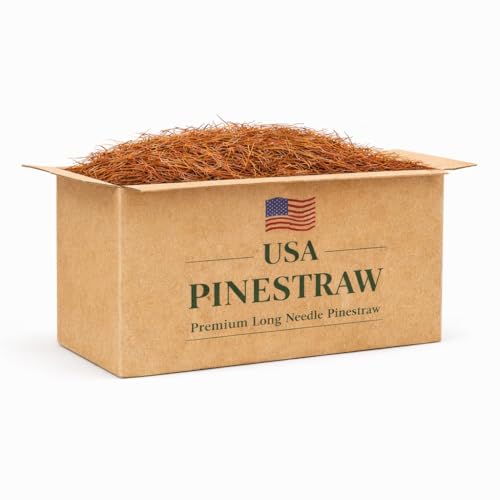
USA Pinestraw Long Needle Bale
A Breakdown Of The Leading Choices
SuperMoss Coco Mulch arrives as a compact compressed block in natural brown, sized for small dahlia beds or a handful of container tubers. The 200-cubic-inch volume expands nicely once water hits it, giving a fine, fibrous texture that sits lightly over the soil. Compared with the bulkier coir chip options further down this list, this one reads almost like a soil top-dressing rather than a chunky mulch layer.
Coir (coconut fiber) holds moisture while still letting air reach the tuber, which is the balance dahlias ask for during their active growth window. The brown color blends into a perennial border better than bright straw, so the bed looks finished even before blooms open. For a tight 4-by-8 dahlia plot, a couple of these blocks go a long way.
Everyday Wins
- Compressed format saves shelf space in a garden shed.
- Fine texture spreads evenly around dahlia tubers and basal stems.
- Natural brown tone stays visually quiet in a mixed border.
- Rehydrates quickly with a watering can or hose.
Things To Consider
- The 0.12 cu ft bag covers only a small bed at meaningful depth.
- Fine coir can crust over time, so a light refresh midseason helps airflow.
Right Fit For
Container growers and balcony gardeners tending just a few dahlia tubers each season.
Consider Something Else When
You’re covering a long row, where the bulkier Plantonix Coco Chips Brick gives you far more volume per dollar.
Legigo ships two compressed coco chip bricks in a single order, which works out nicely when you’re top-dressing a few large pots or one mid-size dahlia bed. Each brick runs about 2.2 pounds, and once you add water the chips fluff up into the chunky, bark-like texture that holds air around tubers. The format is friendly for gardeners who don’t have room to store a full bale of straw.
Coco chips split the difference between fine coir mulch and chunky orchid bark, so they drain well without drying out the surface. For dahlia tubers sitting just below the soil line, that gap of air matters during wet spells. The dual-brick packaging also helps if you want to stage your mulching across two weekends.
Practical Advantages
- Two bricks let you mulch in stages rather than all at once.
- Chunk size creates pockets of air that protect tubers from rot.
- Compressed form keeps storage footprint tiny in an apartment closet.
Points To Note
- Chips decompose faster than bark, so plan to refresh once during the season.
- Some users report dust in the bag, so rinse before applying near tender growth.
- Two small bricks may run short on a full 4-by-8 dahlia row.
Key Specs
Best Suited To
Container dahlia growers running a dozen or so pots who want a tidy, two-brick stash on hand.
Look Elsewhere When
You need broad coverage across a vegetable-style bed, where HealthiStraw GardenStraw offers far more square footage per bag.
HealthiStraw GardenStraw is a thoroughly cleaned wheat straw mulch sold in 3 cu ft bags, with a 4-pack configuration that suits a long dahlia row or a small cut-flower operation. The 20-pound weight per bag gives you real coverage without needing to order a full hay bale, and the cleaned processing means less dust and far fewer stray wheat seeds germinating in the bed.
Straw is the classic dahlia mulch for a reason: it insulates the soil, breaks down into organic matter by autumn, and stays loose enough that water passes through. Once laid at 2 to 3 inches deep, it moderates soil temperature during the hot stretches that can stall tuber growth. The 4-pack format is the move when you’re covering more than one bed or want to refresh midseason.
Why It Works Well
- Bulk 4-pack covers a meaningful area at practical depth.
- Cleaned straw reduces dust and weed seed complaints.
- Breaks down into compost-friendly carbon by season’s end.
- Loose texture helps rainfall and irrigation soak through to tubers.
Trade Offs
- Straw can mat down in heavy rain, so a fluff-up helps airflow midseason.
- Light color reflects heat, which is helpful in summer but delays spring soil warming in cold zones.
Made For
Gardeners running multiple raised beds or a dedicated dahlia row who want one mulch order to last the season.
Skip It When
You’re working with a few decorative containers, where a smaller coir option like SuperMoss Coco Mulch keeps things tidy.
Blue Mountain Hay offers a single 5-pound bag of organic straw that hits the sweet spot for one raised bed or a modest dahlia planting. The size is approachable for first-timers who don’t want to commit to a full bale or a 4-pack, and the loose straw spreads easily by hand. In a 4-by-4 bed, one bag typically lays a 2-inch layer with a little left over for touch-ups.
Straw mulch keeps the soil underneath cooler during heat waves, which dahlias notice in July and August. As it slowly breaks down, it returns organic matter to the bed, so a fall cleanup turns into next year’s soil amendment. For a single test bed, this is a low-commitment way to try straw without overbuying.
Standout Benefits
- Single-bag size fits one raised bed without leftovers going stale.
- Organic sourcing keeps the bed aligned with chemical-free dahlia care.
- Loose texture is forgiving for gardeners new to mulching.
- Breaks down to feed soil microbes through autumn.
Soft Spots
- 5 pounds won’t cover more than one bed at proper depth.
- Loose straw can drift in windy sites until it settles.
Feature Snapshot
Who It Suits Best
New dahlia growers testing a single raised bed before scaling up to a larger mulching routine.
Reach For A Different Pick When
You want a mulch that also feeds the soil carbon as it breaks down, where HealthiStraw GardenStraw covers more ground with similar organic straw.
Sukh Orchid Bark is an 8-ounce bag of Sea Pine Bark in the 5 to 12 mm size range, originally designed for orchid potting but increasingly popular as a soil conditioner for tubers. The chunky pieces create durable air pockets in heavy clay, which is exactly where dahlia tubers tend to struggle with rot. As a top-dress, it looks neat and lasts longer than straw or coir chips.
Pine bark doesn’t break down as fast as coconut-based mulches, so a single application can carry through most of a growing season. Mixed into the top few inches of soil, it improves drainage around the tuber zone without floating away in rain. The 8-ounce pack is best treated as a soil amendment rather than full-coverage mulch, so pair it with another material for bigger beds.
What It Does Well
- Chunky 5 to 12 mm size opens up heavy clay soils.
- Sea Pine Bark holds structure across the full dahlia season.
- Doubles as a soil mix-in or a decorative top-dress.
Honest Caveats
- 8 ounces is a small portion, better for amending than full coverage.
- Bark can dry out faster on the surface, so check soil moisture underneath.
- Best suited to gardeners willing to blend it into the soil rather than spread it as a thick layer.
Perfect Match For
Container growers mixing their own dahlia potting blend and adding bark for drainage.
A Better Fit Elsewhere
You need broad surface coverage on a real bed, where the Plantonix Coco Chips Brick gives you more material for the dollar.
Halatool ships two coco husk chip bricks totaling 2.2 pounds, with each brick measuring roughly 7.87 by 3.93 by 1.97 inches before expansion. The low-EC (electrical conductivity, a measure of soluble salt content) and pH-balanced spec is meaningful for dahlia growers working with sensitive tubers, since high salt loads can scorch new growth. Once expanded, each brick yields about 7 quarts of fluffy chip mulch.
The brick format is convenient for a small shed or apartment closet, and the chips themselves walk the line between soil conditioner and surface mulch. Compared with the Legigo bricks reviewed earlier, these sit at a slightly tighter spec range aimed at growers who care about consistent pH. Spread over a dahlia row, the chips insulate tubers and let water pass without crusting.
Where It Excels
- Low EC and pH balanced to protect young tuber roots.
- Two-brick pack offers roughly 14 quarts of expanded mulch.
- Compressed bricks save storage space between seasons.
- Organic coconut husk material breaks down cleanly into the soil.
Things To Weigh
- Chips break down across a single season, so a midseason refresh is normal.
- Two bricks may fall short for very long dahlia rows.
Feature Card
Who Will Love This
Dahlia growers in coastal or hard-water areas where salt buildup in the soil is a real concern.
Not Your Match When
You’re mulching a long row on a budget, where HealthiStraw GardenStraw covers much more ground per dollar.
Plantonix Coco Chips Mulch Brick is a 10-pound compressed block aimed at gardeners who want one bulk product to cover multiple dahlia beds. Once hydrated, the brick expands into a generous volume of coarse coconut husk chips that work as both a soil conditioner and a surface mulch. The scale makes sense for anyone managing a dedicated dahlia patch rather than a few pots.
Coco chips at this size hold air around tubers and resist compaction better than fine mulches, which matters when a heavy July rain would otherwise seal the bed surface. Compared with the smaller Halatool and Legigo bricks, this one trades a little convenience for a meaningful cost-per-quart drop. The trade-off shows up in storage: a 10-pound brick needs a bucket or tub to rehydrate in.
What Works In Its Favor
- 10-pound brick gives serious coverage at a lower per-quart cost.
- Coarse chips keep air flowing around dahlia tubers all season.
- Organic coconut husk material feeds soil as it slowly breaks down.
- Compressed storage is still smaller than loose straw bales.
Less Ideal Details
- Brick needs a large tub or wheelbarrow for hydration.
- Coarse texture can look rough in a tidy perennial border.
- Heavier to ship and store than a small bag of straw.
Core Details
Who Should Grab It
Dedicated dahlia growers running a real cut-flower or display bed who want one bulk order to cover everything.
Swap It Out When
You’d rather spend a sunny afternoon spreading straw than wrestling a 10-pound brick into a hydration tub.
USA Pinestraw ships a single long-needle pine straw bale covering roughly 65 to 80 square feet at standard depth. Pine straw lays down into an interlocking mat that holds itself in place on slopes, which is a real advantage for dahlia plantings cut into a hillside or a sloped bed. The needles interlock almost like a thatched roof, resisting wind and heavy rain far better than loose straw.
Pine straw naturally acidifies the soil very slowly as it breaks down, which dahlias tolerate fine in most regions but can matter in already-acidic beds. The 65 to 80 square foot coverage figure lands the bale in the right range for a dedicated dahlia row or two large landscape beds. In our view, this is the move for erosion-prone sites where lighter mulches tend to migrate.
The Case For It
- Long needles interlock into a stable mat on slopes and windy sites.
- Single bale covers a meaningful 65 to 80 square feet.
- Organic material harvested from sustainable pine forests.
- Suppresses weed germination while letting water reach the soil.
Less-Strong Areas
- Gradual acidification may not suit every perennial border.
- Lower water retention than straw or coir in midsummer heat.
Whose Shelf It Belongs On
Dahlia growers with sloped beds, hillside plantings, or erosion-prone sites who need a mulch that stays put.
Where A Sibling Pick Shines
You’re gardening on flat ground and want maximum water savings, where HealthiStraw GardenStraw retains moisture more aggressively.
Choosing Mulch For A Thriving Dahlia Bed
Dahlias send feeder roots from the basal stem, not the tuber itself, so mulch matters most during the stretch from June through September when those roots are active. Picking a mulch is really a question of which stress you’re trying to buffer: summer heat, winter rot, weed pressure, or soil that dries out too fast between waterings. The right material changes a little depending on which of those worries sits at the top of your list.
Moisture Retention And Soil Temperature
Straw and coir-based mulches tend to hold the most water near the soil surface, which helps when daytime temperatures stay above 85°F for weeks. A 2 to 3 inch layer of straw can keep soil temps several degrees cooler than bare ground, protecting feeder roots that would otherwise stall out. The honest trade-off is that thick straw layers stay cool into spring, which can slow soil warming in zones 5 and 6.
Drainage And Tuber Protection
Dahlia tubers hate sitting in saturated soil, so any mulch that smothers the surface and seals in moisture can do more harm than good. Coarse coco chips and pine bark open up the top layer, letting oxygen reach the tuber zone even after a heavy rain. If your bed sits in heavy clay, lean toward the chunkier options and away from fine-textured mulches that compact.
Longevity And Maintenance Rhythm
Straw typically lasts one full growing season and breaks down into compost-friendly material by autumn. Coco chips hang on a bit longer but eventually need refreshing, while pine bark and pine straw can carry through a full year with minimal top-up. Budget your time accordingly, since refreshing mulch midseason is a real afternoon’s work for a sizable bed.
Matching Mulch To Bed Type
Raised beds warm up faster in spring and dry out faster in summer, so they pair well with coir chips or a straw and bark blend. In-ground dahlia rows hold moisture longer and benefit from pine straw on slopes or straw on flat ground. Container tubers do best with fine coir or bark mixed into the potting blend, since deep mulch layers in pots can trap too much water near the tuber eye.
Smart Mulch Decisions Before You Order
Where Shoppers Go Wrong
Treating all mulches as interchangeable is the most common slip-up, since straw behaves very differently from pine straw or coco chips once it gets wet. A second mistake is laying mulch too early in spring, when cold soil slows tuber emergence and a thick layer can keep the bed from warming up at all. Measure your bed square footage before ordering, because a 4 by 8 plot at 2 inch depth needs more material than most first-timers expect.
Where The Extra Money Goes
Larger compressed bricks and triple-rinsed straw cost more because the processing removes dust, salt, and seed content that cheaper mulches leave behind. Premium pine straw commands more per bale because of the long-needle grade and the work to harvest and bale it cleanly. For a serious dahlia operation, that processing usually pays for itself in cleaner beds and fewer surprise seedlings showing up midseason.
Frequently Asked Questions
What Is The Best Mulch For Dahlias In Hot Summer Climates?
Wheat straw or coco coir tends to perform well in hot climates because both hold soil moisture while keeping the surface temperature moderate. A 2 to 3 inch layer is the typical target depth for these materials.
Can I Use Pine Straw On Dahlias Without Making The Soil Too Acidic?
A pine straw layer breaks down slowly, so the acidification effect is gradual and usually well within what dahlias tolerate. In already-acidic beds, balance it with a compost top-dress in early spring.
How Often Should I Refresh Mulch On A Dahlia Bed?
Most organic mulches need a midseason refresh around early August, especially straw and coco chips that break down across the summer. Pine straw and pine bark can usually go a full year without a top-up.
Is It Safe To Mulch Right Up To The Dahlia Stem?
Leave a small gap of an inch or two around the basal stem to keep moisture from collecting right against the cane, which can invite rot. The rest of the bed can take a full layer without issue.
Do Coir And Coco Chips Work For Dahlias In Containers?
Both work well in containers, with coco chips offering better drainage and coir holding more moisture. For a typical 12-inch pot, a one-inch layer is plenty to buffer the soil surface.
The Takeaway
The right mulch for a dahlia bed depends on what your soil and site are throwing at you: straw and coir for moisture, coco chips and bark for drainage, and pine straw for slopes that shed loose material. Match the material to your bed type, and refresh midseason when the layer starts to break down. With that bit of attention, the tubers underneath stay cooler, wetter, and far less prone to rot through the heat of summer.
