

The right mulch around a young tree or shrub does more than look tidy. It holds moisture during July heat, keeps string trimmers at a safe distance from tender bark, and slowly feeds the soil as it breaks down. Choosing the wrong material, though, can smother roots, invite rot, or wash away in the first heavy rain. Below are eight solid options across rubber rings, organic chips, pine straw, and compressed coconut coir, each matched to a specific kind of yard and gardener.
The Main Contenders

Fasmov 3 Pack Rubber Mulch Ring Tree Protector Mat, 24-Inch Heavy Duty Rubber

Rocky Mountain 30-Inch Tree Mulch Ring Weed Preventer (Pack of 4)

Plantonix Coco Chips Mulch Brick, 10 lbs Compressed Coconut Husk

SYWHXY 8 Pack Non-Woven Tree Mulch Ring, 16.5-Inch Weed Barrier
Rocky Mountain 24-Inch Tree Mulch Ring Weed Preventer (Pack of 4)
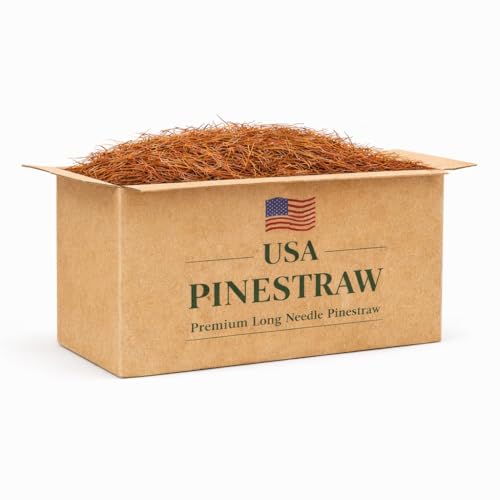
USA Pinestraw Long Needle Pine Straw Mulch, 65-80 Sq Ft Coverage

PlantBest Coco Mulch Compressed Block, 9.1 lb Expands to 64 Quarts

Soil Sunrise 100% Natural Pine Bark Mulch Nuggets, 30 Quarts
The Picks, Examined More Closely
If you maintain a half-dozen shade trees around the lawn and dread the constant weeding that follows every rain, this three-pack of rubber rings takes a lot of that work off your plate. Each mat measures 24 inches across with roughly a half-inch thickness, and the 4-inch center opening can be enlarged with a box cutter or heavy scissors to fit trunks of nearly any caliper.
You simply lay them around the base, no staples required, and mow right over the edge. Compared to loose bark that drifts into the grass, this approach holds its shape for years and gives the mower deck a clean pass every time.
What Earns Its Place
- Cuttable center hole grows with young saplings, so you won’t have to replace the ring as the trunk thickens
- Heavy rubber tolerates mower decks and string trimmers without shredding
- Three mats in a single pack covers most small front yards at once
- Lays flat without landscape staples, making seasonal cleanup faster
- Won’t wash away in heavy rain the way shredded bark tends to
Worth Noting
- Black rubber can absorb summer heat, so check soil moisture more often in exposed western exposures
- Doesn’t add organic matter back to the soil like bark or straw does
Who It Suits Best
Homeowners with two to six established ornamental trees who want a one-time install rather than an annual mulch refresh.
Consider Something Else When
Vegetable gardeners building rich living soil should look at the PlantBest Coco Mulch Compressed Block instead, since coir actually feeds the bed as it breaks down.
Mature maples, oaks, and ornamental pears tend to develop a wide root flare that the smaller Fasmov ring barely covers. Stepping up to this 30-inch Rocky Mountain mat gives you that extra perimeter, so weeds can’t colonize the space where the roots actually spread.
Made from recycled rubber in a pack of four, the rings stay put without staples and let water seep through evenly to the trunk base. You can mow over them without the deck catching or sending pieces flying, which matters if your trees sit close to the lawn edge.
Everyday Advantages
- 30-inch diameter accommodates trees with broad surface roots, no trimming required
- Recycled rubber build keeps the mat flat through freeze-thaw cycles
- Pack of four covers a typical front-yard tree line in a single delivery
- Permeable design funnels rainfall toward the trunk instead of shedding it sideways
Trade Offs
- Large size may look oversized around small saplings, so it’s wasted material on younger plantings
- Rubber smell can be noticeable for the first few days after unboxing in warm weather
Feature Snapshot
Right Fit For
Owners of mature shade trees with calipers above six inches who want a permanent weed barrier that won’t shift through the seasons.
Look Elsewhere When
Yards planted mostly with young shrubs under three feet tall get better coverage from the SYWHXY 8 Pack Non-Woven Tree Mulch Ring, since smaller rings scale down to the planting size.
Organic mulches earn their keep by improving the soil as they decompose, and this compressed coconut husk brick makes that route a lot more practical. A 10-pound brick slips onto a garage shelf without complaint, then expands into a generous layer of chunky husk chips once you add water.
The texture holds moisture like a sponge, which is the main reason orchid and tropical-plant growers gravitate to it. Around a shrub border or young tree, it keeps roots cool during August stretches and breaks down slowly enough to last a full growing season.
Where It Delivers
- Compressed brick format cuts shipping weight and shelf space dramatically
- Coir chips retain moisture far longer than shredded pine bark in dry climates
- pH-neutral profile suits acid-loving blueberries as well as ornamentals
- Slow decomposition means fewer mid-season top-ups
Things To Consider
- Requires a soaking tub or wheelbarrow to hydrate before spreading
- Lighter color fades to tan within a season under direct sun
Made For
Gardeners in sandy-soil regions or anyone growing moisture-hungry tropicals who want a mulch that actually improves tilth over time.
Swap It Out When
If you’re managing a steep slope where loose chips would wash out, switch to the USA Pinestraw Long Needle Pine Straw Mulch, which interlocks and stays put in storms.
Newly planted saplings and young shrubs don’t need a 30-inch fortress of rubber. This 16.5-inch non-woven ring scales down to the actual root ball of a one- or two-gallon transplant, which means you’re not burying the stem under wasted material.
The breathable fabric lets air and water pass through to the roots, and the 2-inch center opening accepts small calipers without modification. The pack also ships with metal garden stakes to pin the mat flat, useful on windy sites before the plant’s own canopy fills in.
What Works In Its Favor
- Eight mats in one pack outfits a fresh hedge planting affordably
- Lightweight fabric is easy to cut and shape around odd layouts
- Included metal stakes eliminate a separate hardware run
- Breathable weave prevents the soggy collar rot you sometimes see under solid rubber
Honest Caveats
- Fabric eventually frays at the edges and needs replacement every couple of seasons
- Light tan color shows leaf litter and pine needles more visibly than darker mats
Best Suited To
First-year shrub plantings, hedge rows, and any gardener establishing bare-root stock who needs an affordable barrier that breathes.
A Better Fit Elsewhere
For fruit trees or ornamentals you’ll want to keep mulched for many years, the Fasmov 3 Pack Rubber Mulch Ring Tree Protector Mat lasts longer between replacements.
Most suburban yards have a mix of ornamentals in the 3-to-6-inch caliper range, the awkward middle ground where a 16-inch ring looks puny and a 30-inch mat feels excessive. This 24-inch Rocky Mountain option lands right in that sweet spot, giving you full root flare coverage without extending past the drip line.
You get the same recycled-rubber durability and mower-safe profile as the larger sibling, just in a more proportionate footprint. For someone running a tidy four-tree yard, the four-pack covers everything in one go.
Well-Handled Touches
- Mid-size diameter suits the most common suburban tree profile
- Recycled rubber stays flat through winter freezes and summer heat
- Staple-free install means no metal pins working loose over time
- Pack of four lets you refresh the whole yard in a single afternoon
Some Limits To Know
- Still rigid rubber, so it doesn’t conform to oddly shaped planting beds
- Doesn’t break down to enrich the soil like an organic option would
Feature Snapshot
Whose Shelf It Belongs On
Standard four-tree front yards with mid-size ornamentals where you want a permanent install without overbuying perimeter coverage.
Reach For A Different Pick When
Heirloom oaks or mature maples with calipers past six inches need the wider Rocky Mountain 30-Inch Tree Mulch Ring Weed Preventer instead.
For gardeners who want their mulch to actually look like mulch rather than a rubber doormat, long-needle pine straw remains the gold standard. The needles interlock as you spread them, creating a mat that resists washing downhill even during a gully washer.
This single square bale covers 65 to 80 square feet at a two-inch depth, enough for a sizeable shrub border or several young trees. The slow decomposition mildly acidifies the soil, which benefits blueberries, azaleas, and camellias without harming most ornamentals.
Where It Helps
- Interlocking needles hold their place on slopes and during heavy rain
- Naturally acidic breakdown suits acid-loving shrubs like azaleas and blueberries
- Loose texture allows easy top-up without removing the old layer
- Single-bale format keeps the storage footprint manageable
Practical Considerations
- Bale arrives compressed, so you’ll need gloves to fluff and spread it cleanly
- Lightweight needles can blow around during installation on windy days
Who Should Grab It
Landscapers managing large shrub borders or any gardener with sloped terrain where loose bark would simply wash away.
Not Your Match When
If you’re growing tropicals or moisture-loving plants that need a heavier, more absorbent layer, the PlantBest Coco Mulch Compressed Block retains water much better.
Carrying a 50-pound bag of mulch up three flights of stairs or storing it in a narrow apartment closet is the kind of chore that keeps people from mulching at all. This PlantBest block solves the storage problem by shipping as a 9.1-pound brick that expands to roughly 64 quarts once you add water.
One block covers up to 17.5 square feet at a tidy two-inch depth, enough for a small shrub border or a few container plantings. For townhouse gardeners without a garage, the difference between a brick on a shelf and a full bag of mulch is the difference between a chore you’ll actually do and one you’ll skip.
Benefits That Matter
- Compressed format fits on a closet shelf or under a workbench
- One block yields about 16 gallons of finished mulch
- Coir texture holds moisture without compacting into a waterproof crust
- Easy to carry from the delivery truck to the planting bed in one trip
Minor Gripes
- Hydration step takes planning since the block needs soaking time before spreading
- Higher per-cubic-foot cost than buying bark in bulk by the yard
Feature Snapshot
Perfect Match For
Townhouse and apartment gardeners with minimal storage who still want the soil-building benefits of an organic mulch.
Where Another Pick Suits Better
For multi-tree landscaping on a larger suburban lot, the USA Pinestraw Long Needle Pine Straw Mulch covers more ground for less money.
Most mulch products get sized for landscape beds and end up looking chunky inside a 10-inch houseplant pot. Soil Sunrise takes the opposite approach with half-inch pine bark nuggets sized specifically for containers, terrariums, and smaller ornamental pots.
The 30-quart bag handles a sizeable indoor jungle or several large patio planters without breaking the budget. Pine bark slowly acidifies the soil, which suits citrus, gardenias, and other acid-loving container specimens that struggle in neutral potting mix.
Notable Gains
- Half-inch nugget size fits inside standard houseplant containers without overwhelming them
- Pine bark slowly acidifies potting mix, benefitting citrus and gardenias
- One bag covers roughly a dozen medium houseplants or several big patio pots
- Natural look blends with terrariums and bonsai displays
Where It May Fall Short
- Smaller bag volume isn’t ideal for full landscape beds
- Bark pieces can float to the surface during heavy outdoor watering until settled
Built With In Mind
Houseplant enthusiasts and patio container gardeners who want a tidy top dressing that suits acid-loving tropicals.
Skip It When
Outdoors landscaping a full shrub border calls for the USA Pinestraw Long Needle Pine Straw Mulch, which covers significantly more ground per bale.
Choosing The Right Mulch For Your Trees And Shrubs
Mulch falls into two broad camps. Inorganic options like the rubber rings here block weeds and conserve moisture for years without breaking down. Organic options like pine straw, bark nuggets, and coconut coir improve the soil as they decompose but need refreshing each season or two. Your choice depends on whether you want a one-time install or a slow-release soil amendment.
Match the format to your planting scale. A single specimen tree calls for a ring; a hedge row or shrub border calls for a bulk bale or compressed brick. Rubber rings scale up by diameter (16-inch, 24-inch, 30-inch), so picking the right size means measuring the visible root flare, not guessing the canopy width.
Consider the slope and climate. Loose bark on a hill washes out fast, while pine straw’s interlocking needles hold their place. In sandy or drought-prone regions, water-retentive coconut coir keeps roots hydrated longer than bark. Heavier rubber mats add heat stress in full western exposures, so factor in your sun angles before installing dark-colored rings.
If you’re building living soil, lean toward organic. Coco chips, pine bark, and pine straw all feed the soil food web as they break down. Inorganic rings excel when you want a permanent weed barrier and don’t mind that the material itself never becomes part of the garden ecosystem.
Picking Wisely Across These Eight Options
Mistakes Worth Dodging
Over-mulching, often called “volcano mulching,” buries the trunk flare and invites rot and pest problems. Keep the mulch layer two to three inches deep and pull it back a few inches from the trunk itself. Another common trap is picking a ring diameter that matches the canopy rather than the actual root flare. Measure the trunk at soil level, then choose a ring wide enough to cover the visible root spread, not the branches overhead.
The Upgrade Payoff
Spending more on rubber rings typically buys recycled-content construction, thicker material, and a longer service life. Spending more on organic options usually buys convenience: compressed blocks save storage space, larger bales lower the per-square-foot cost, and pre-bagged nuggets spare you the mess of loose mulch piles. For most home gardeners, the upgrade that pays off is whatever format fits your storage and refresh schedule, not necessarily the highest-priced option on the shelf.
Frequently Asked Questions
How thick should mulch be around trees and shrubs?
A two to three inch layer strikes the right balance: thick enough to suppress weeds and hold moisture, thin enough to let air and water reach the roots. Going past four inches risks suffocating shallow roots and keeping the collar too damp.
Should mulch touch the trunk directly?
Keep mulch a few inches away from the trunk itself. Direct contact traps moisture against the bark and creates an entry point for rot, fungi, and rodents. The goal is a doughnut shape, mulch around the tree with an open center.
How often does organic mulch need to be replaced?
Most organic mulches like pine straw, bark, and coconut coir break down within one to three growing seasons. A quick spring check tells you whether the layer has thinned below two inches, which is the cue to top up. Inorganic rubber rings last years without replacement but don’t improve the soil.
Is rubber mulch safe for edible fruit trees?
Recycled rubber rings are typically used around ornamentals rather than food crops, since trace materials from the recycling stream aren’t meant for soil contact with edibles. For fruit trees, bark, pine straw, or coconut coir is the more common choice among home orchardists.
Can I mix different mulch types in the same yard?
Yes, mixing formats works fine and is common in larger landscapes. A rubber ring around the lawn-side trees plus pine straw on the sloped shrub border lets each material do what it does best. Just keep the mulch depth consistent across transitions so watering stays predictable.
The Takeaway
The right mulch depends less on finding a single “best” product and more on matching format, material, and scale to your specific planting. Mature trees with wide root flares want a wide rubber ring or a generous ring of organic mulch. Young saplings need a smaller, breathable barrier. Tropical and acid-loving shrubs thrive under coir or pine bark. Pick the format that fits your yard and your storage, then refresh organic options seasonally and let the inorganic rings quietly do their job for years.
