

A tired, patchy lawn has a way of becoming the backdrop for every weekend, so picking the right natural fertilizer matters more than most people expect. You want thicker turf, richer color, and the kind of steady growth that holds up through summer stress. The eight options below cover a range of lawn sizes, NPK profiles, and feeding schedules, so you can match the bag to your yard rather than the other way around.
How The Shortlist Stacks Up

Jonathan Green Organic Lawn Food 10-0-1

Dr. Earth High Nitrogen Fertilizer 5-0-2 (699)
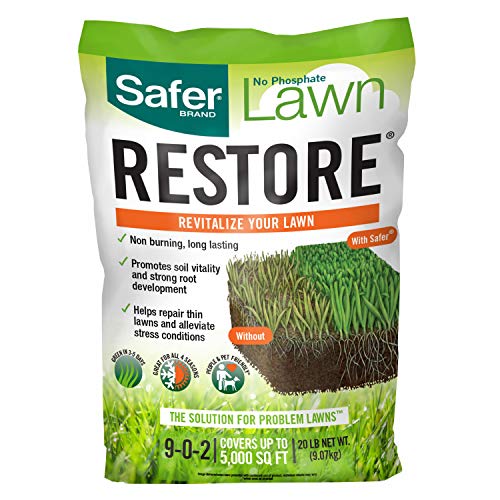
Safer Brand Lawn Restore 9-0-2 Fertilizer

Purely Organic Lawn Food 10-0-2, 15 lb

Slow Release Lawn Fertilizer 25-5-10, 44 lb

GreenView Lawn Food 16 lb Bag

Espoma EOLF28 Organic All Season Lawn Food

O.M. Scott & Sons Natural Grass Food
Meet The Standout Selections
Big yards eat through fertilizer bags quickly, so a 15,000-square-foot coverage bag is a relief for anyone with a substantial lawn. The 10-0-1 NPK profile (a three-number ratio showing nitrogen, phosphorus, and potassium percentages) leans heavily into nitrogen, the nutrient that drives blade growth and that deep green color. Jonathan Green builds the blend around organic matter with iron added for richer greening, so the effect shows up gradually rather than in a forced burst.
You won’t need to apply it every few weeks, either. The slow-release design stretches feeding across roughly 8 to 10 weeks, which fits a typical spring and fall schedule without overlap. For homeowners with established turf who want a steady, predictable improvement, this one covers a lot of ground in a single pass.
What It Does Well
- 15,000-square-foot coverage handles most suburban lawns in a single bag
- Slow nitrogen release keeps feeding consistent for two months at a stretch
- Iron content supports deeper greening without forcing a quick growth spurt
- Organic base suits gardeners easing away from synthetic blends
- Granular form spreads cleanly through a standard broadcast spreader
Points To Note
- The bag is heavy, so carrying it from the car to the spreader takes some effort, depending on your strength
- Higher nitrogen numbers can stress new seedlings, so timing matters more than volume
Built With In Mind
Homeowners with large established lawns who prefer a slow, predictable feeding schedule and want one bag to cover the season’s first major application.
Where Another Pick Suits Better
Yards with both lawn and garden beds benefit more from Dr. Earth High Nitrogen All Purpose Fertilizer 5-0-2, which stretches across turf and plantings.
Yards rarely stop at the lawn edge, and Dr. Earth built this 5-0-2 blend with that reality in mind. The nitrogen-forward ratio greens up grass, but the gentler numbers let it feed vegetables, flowers, and shrubs without burning sensitive roots. It’s the kind of bag that lives on the porch shelf rather than getting locked away in a lawn-only bin.
The model number 699 is a long-running Dr. Earth staple, so the formula is familiar to anyone who’s worked with the brand before. For mixed-use properties where one fertilizer has to do several jobs, the flexibility here removes the guesswork.
Everyday Perks
- Multi-purpose formula works across lawns, beds, and container plantings
- Lower burn risk makes it forgiving on tender new growth
- Established brand with a recognizable, repeatable formula
- Dr. Earth’s organic base feeds soil biology alongside the plant
Things To Consider
- Coverage is smaller than dedicated lawn bags, so larger yards may need multiple purchases
- Lower phosphorus and potassium numbers mean it isn’t a complete stand-alone for severely depleted soil
Made For
Gardeners managing mixed landscapes who want one fertilizer to handle lawn edges, vegetable plots, and flower beds without switching products mid-season.
A Better Fit Elsewhere
Homeowners focused purely on turf should reach for Jonathan Green Organic Lawn Food 10-0-1, which delivers stronger nitrogen concentration for grass-only feeding.
Yards with dogs and kids running through them need a fertilizer that forgives a missed watering or a heavy hand at the spreader. Safer Brand’s Lawn Restore formula is built around that reality with a 9-0-2 ratio and a non-burning profile (a formulation designed to release nutrients gently so they won’t scorch grass even when overapplied). The 20-pound bag covers up to 5,000 square feet, which fits most city and suburban lots without leftovers.
Safer Brand has long positioned itself for gardeners who want results without the worry that comes with harsher synthetic blends. For households that share the lawn with paws and bare feet, that positioning translates into a calmer application day and quicker re-entry times.
Where It Helps
- Non-burning formula reduces the risk of brown stripes from over-application
- 5,000-square-foot coverage fits mid-size residential lawns
- Pet- and family-friendly positioning from a known brand
- Steady nitrogen release supports gradual color improvement
Honest Caveats
- Results arrive more slowly than fast-release synthetic blends, so patience matters
- The bag is bulky for the coverage area and needs dry storage between applications
Right Fit For
Households with pets and children who want a forgiving organic fertilizer that won’t scorch the lawn even with an uneven spread.
Swap It Out When
Yards needing deep renovation look to the Slow Release Lawn Fertilizer 25-5-10, which delivers stronger feeding for tired, thin turf.
Feature Snapshot
The smell test matters more than people admit when feeding a lawn close to open windows. Purely Organic built this blend from distillers grains and soy rather than manure or biosolids (treated sewage sludge sometimes used as fertilizer), which keeps the application day odor-neutral. The 10-0-2 ratio focuses on nitrogen with a touch of potassium for stress tolerance, and the 15-pound bag covers around 3,000 square feet.
For gardeners who want a plant-derived feed and don’t want the bouquet that comes with animal-based amendments, this one sidesteps the smell entirely. It spreads like a traditional granular fertilizer and feeds at a similar pace.
Positive Points
- Plant-based formula skips manure and biosolids entirely
- 10-0-2 profile supports blade growth and stress tolerance
- Manageable 15-pound bag is easier to handle than 40-plus-pound options
- Suitable for households sensitive to organic fertilizer odors
Some Limits To Know
- 3,000-square-foot coverage means larger lawns need multiple bags per application
- Granules break down with moisture, so dry storage between seasons is important
Perfect Match For
Gardeners near patios, decks, or open windows who want an organic feed without the strong scent that often comes with manure-based products.
Reach For A Different Pick When
Homeowners with larger turf areas get more mileage from Safer Brand Lawn Restore 9-0-2, which covers roughly 5,000 square feet per bag.
Renovating a tired lawn calls for more than a gentle nudge, and this slow-release blend from Eco Solutions leans into the work. The 25-5-10 NPK ratio is significantly higher than most organic options, with 65 percent of the nitrogen in granular slow-release form (coated granules that meter out nitrogen gradually over weeks rather than all at once). The 44-pound bag covers a substantial area, and the formula is positioned as kid- and pet-safe once watered in.
Feeding extends up to 110 days, which is a long runway for a single application. For homeowners tackling thin or worn-out turf who don’t want to reapply every month, that extended window removes the calendar juggling.
Strengths Worth Knowing
- High-nitrogen 25-5-10 profile revives tired, thin turf quickly
- Slow-release granules stretch feeding up to 110 days per application
- 44-pound bag handles large properties without frequent restocking
- Kid- and pet-safe positioning once the granules have been watered in
- Works as a spring starter or summer revival feed
Where It May Fall Short
- Strong nitrogen concentration makes precise spreader calibration important
- The 44-pound bag is awkward to handle for solo application on sloped terrain
Who Should Grab It
Homeowners with large, neglected, or heavily used lawns who want a single heavy application to carry turf through several months of growth.
Consider Something Else When
Smaller urban lawns are better served by Espoma EOLF28 Organic All Season Lawn Food, which covers a typical city lot with less product to store.
Feature Snapshot
Hot summers and dry stretches test any lawn, and GreenView built its GreenSmart-enhanced formula with that pressure in mind. The blend combines quick-release and controlled-release nutrients, so grass gets an early green-up followed by a longer, steadier feed. The 16-pound bag covers roughly 5,000 square feet, which matches many mid-size lots in a single pass.
You see the difference most clearly when heat or drought hits. Lawns fed with this blend tend to hold color longer under stress, which matters for anyone watching their yard fade each July.
Notable Gains
- Dual-release nutrient blend delivers quick green-up plus extended feeding
- Designed to support lawns through heat and drought stress
- 5,000-square-foot coverage suits most suburban lots
- Maintains green color longer than basic single-release blends
Things To Weigh
- Not strictly organic, so it sits between natural and conventional categories
- Quick-release portion means careful watering afterward to avoid burn
Best Suited To
Homeowners in hot or drought-prone regions who want a fertilizer that supports turf color through the toughest stretch of summer.
Where Another Pick Suits Better
Gardeners committed to a fully organic routine prefer Espoma EOLF28 Organic All Season Lawn Food for its Bio-tone organic base.
Feature Snapshot
Espoma has earned a quiet reputation among organic gardeners, and the EOLF28 is the lawn-specific expression of that approach. The 9-0-0 ratio focuses entirely on nitrogen, with Bio-tone, Espoma’s proprietary blend of beneficial microbes, added to support soil biology. The 28-pound bag covers up to 5,000 square feet, which suits a typical residential lawn without excess leftovers.
The all-season positioning means you can build a simple feeding calendar around it rather than swapping products spring through fall. For gardeners who prefer one trusted bag on the shelf, that consistency is the real value.
Reasons It Performs
- Bio-tone microbial blend supports long-term soil health beyond surface greening
- 9-0-0 nitrogen focus drives blade growth without excess phosphorus
- All-season positioning simplifies feeding schedules
- 5,000-square-foot coverage matches most residential lawns
- Trusted organic brand with a long track record
Possible Compromises
- Higher price point per bag than some competing options
- All-nitrogen profile means soil testing is helpful before relying on it alone
Whose Shelf It Belongs On
Organic-leaning gardeners who want a single trusted lawn food they can use across spring, summer, and fall without juggling multiple products.
Look Elsewhere When
Homeowners on tighter budgets find better value in Purely Organic Lawn Food 10-0-2, which delivers similar organic principles at a smaller bag size.
Walking into lawn care for the first time can feel like a chemistry lesson, and O.M. Scott & Sons built this Natural Grass Food to remove that barrier. The brand carries more than a century of lawn heritage, so the formula reflects long-tested ingredient choices rather than the latest experimental mix. The 12.72-pound bag is a manageable starter size for homeowners easing into a feeding routine.
It’s a fit for the DIY crowd that wants recognizable branding, straightforward application, and steady results without spending the season studying soil reports. You apply, water, and watch the lawn respond.
A Few Strong Suits
- Heritage brand with deep lawn care roots
- Compact 12.72-pound bag is approachable for first-time users
- Natural formula supports steady growth without synthetic inputs
Trade-Offs To Consider
- Smaller bag means more frequent repurchase for larger properties
- Detailed NPK figures aren’t prominently listed, which limits direct comparison
Who Will Love This
First-time lawn owners who want a recognizable, easy-to-handle natural fertilizer without learning an entire NPK vocabulary.
Where A Sibling Pick Shines
Experienced gardeners managing larger lots get more coverage and clearer specs from Jonathan Green Organic Lawn Food 10-0-1.
Feature Snapshot
What Matters Most Before Choosing Natural Fertilizers For Grass
The right fertilizer depends less on brand hype and more on what your lawn actually needs. Start with your grass type and square footage, since those two numbers decide both the NPK ratio and the bag size that make sense. Cool-season grasses like fescue and Kentucky bluegrass handle higher nitrogen well, while warm-season varieties such as Bermuda and zoysia prefer slightly lower nitrogen with steady potassium for heat tolerance.
Coverage numbers tell you how much ground a single bag handles, and matching that figure to your lawn size prevents the frustration of running out mid-application or storing half-used bags through winter. A 5,000-square-foot bag fits most suburban lots, while anything over 10,000 square feet points toward a higher-capacity option like the Jonathan Green or Eco Solutions choices above.
Release speed matters more than most people expect. Quick-release fertilizers push growth fast but fade quickly, leaving you reapplying within weeks. Slow-release formulas cost a bit more per bag but stretch feeding across months, which suits busy schedules and reduces the risk of burn. For households with pets and kids, slow-release blends offer a calmer re-entry window after application.
The organic-versus-synthetic decision shapes everything else. Plant- and animal-based fertilizers feed soil biology alongside the grass, building long-term resilience, while synthetic blends deliver faster visible results. If you’re transitioning away from synthetics, expect a season or two of adjustment as soil microbes rebuild. Bag weight and storage also deserve attention, since a 44-pound sack handled on sloped ground is a different workout than a 15-pound bag near a flat driveway.
Key Considerations Across These Picks
Where Shoppers Go Wrong
The most common mistake is buying based on bag size alone, then ending up with the wrong NPK ratio for the grass type. A 25-5-10 blend is overkill for a small shady lawn that needs gentle feeding, and a 5-0-2 formula won’t push growth on a large sunny yard. Skipping a soil test is the second trap, since you end up guessing at phosphorus and potassium levels instead of addressing actual shortfalls. Finally, over-applying remains a perennial issue, particularly with quick-release blends, so calibrating your spreader and following label rates matters more than the brand name on the bag.
When Paying More Pays Off
Premium organic fertilizers justify the higher cost through slower nutrient release, richer soil-building biology, and gentler burn profiles that forgive occasional missteps. For households with kids, pets, or sensitive turf, that margin of safety translates into real peace of mind. The upgrade also shows up in storage convenience, since higher-quality granules tend to break down less during long winters in the garage. For most homeowners, the extra spend pays back through fewer applications, better drought tolerance, and a lawn that holds color deeper into the season.
Frequently Asked Questions
How often should natural fertilizer be applied to grass?
Most natural fertilizers work on a 6-to-10-week cycle, with slow-release options stretching to 110 days. Two to four applications per year cover the typical spring and fall feeding windows, though soil tests can refine that schedule for your specific lawn.
Can natural fertilizer burn grass like synthetic blends?
The risk is much lower with most organic options, especially those labeled non-burning. Synthetic quick-release formulas cause burn most often when overapplied or applied to dry turf, while organic blends release nutrients gradually and tolerate the occasional spreader miss.
Is an NPK ratio like 10-0-1 better than 5-0-2?
Neither is universally better, since the right ratio depends on your lawn’s needs. Higher nitrogen numbers drive faster blade growth and deeper green color, while balanced ratios work better for stressed or mixed plantings. A soil test reveals which nutrients your lawn actually lacks.
Do natural fertilizers work in cold or dormant seasons?
Most natural fertilizers perform best during active growth periods in spring and fall. Cool-season grasses still absorb nutrients in late fall, while summer applications during dormancy can feed weeds more than grass. Timing the application to your grass type’s growth cycle matters more than the brand on the bag.
How long until results show after applying natural fertilizer?
Visible color improvement usually appears within two to four weeks, with full response taking six to eight weeks for most organic blends. Slow-release formulas may take longer to show, but the results tend to last deeper into the season compared to quick-release options.
Bottom Line
A healthy lawn starts with the right fertilizer matched to your grass type, square footage, and feeding schedule. The eight options above cover everything from compact starter bags to heavy-duty renovation blends, so you can pick based on what your yard actually needs. Choose the ratio and coverage that fit your routine, water it in well, and give the soil a season to respond.
