

Indoor plants live in contained soil, limited light, and routines that can get busy fast. I focused on natural-minded feeding options, targeted supplements, and practical care products for plant keepers managing foliage plants, orchids, air plants, and larger potted collections. A measured routine matters more than a crowded shelf, especially for plants sharing window space in apartments or home offices.
The Essentials At A Glance

FoxFarm Soil Liquid Trio Pack Big Bloom Grow Big Tiger Bloom

SUPERthrive Vitamin Solution with Kelp, 1 Pint

Botanicare Cal-Mag Plus Calcium Magnesium Iron Supplement, Quart

Orchid Grow Fertilizer by Southside, 7.1 oz Gentle Formula

Southside Plants Tap Water Conditioner for Houseplants, 8 Oz

Smart Grower Bioactive Plant Fertilizer Granular Genius+ 200g

Smart Grower Plant Food for Houseplants Genius+ 8oz

Southside Neem Oil Infused Plant Cleaning Wipes, 80 Ct

Southside Air Plant Fertilizing Spray Fertilizer Mist Weekly Plant Food
Smart Grower Organic Plant Food with Beneficial Microbes, 125GR
Inside Each Recommended Option
I see this three-bottle set as a structured option for plant keepers who enjoy adjusting nutrition through active growth and flowering periods. Big Bloom, Grow Big, and Tiger Bloom separate the feeding approach rather than treating every potted plant as having the same needs.
For a sunny indoor shelf with fruiting plants or flowering containers, that flexibility can be useful. The honest read is that a three-part routine asks for more attention than a single bottle.
The Case For It
- Three distinct liquids support stage-specific routines.
- Pint bottles provide separate supplies for a broader collection.
- Useful for plant keepers tracking growth changes over time.
- Helps organize feeding beyond a one-size routine.
Things To Consider
- Three bottles require more storage space and label tracking.
- Owners commonly need a consistent measuring habit to avoid mixing up stages.
Feature Snapshot
Who It Suits Best
I recommend this set for detail-oriented indoor gardeners maintaining flowering or fruiting plants alongside foliage plants.
Where Another Pick Suits Better
Smart Grower Bioactive Plant Fertilizer Granular Genius+ 200g suits households wanting fewer feeding steps.
SUPERthrive takes a narrower route than FoxFarm Soil Liquid Trio Pack Big Bloom Grow Big Tiger Bloom. Its liquid concentrate combines kelp with vitamins and plant hormones, which are naturally occurring growth-regulating compounds used in very small amounts.
I find the format most relevant around propagation projects and transplanting days, when a collection needs a measured add-on rather than a full feeding system. The concentrate format means careful measuring matters.
Bright Spots
- Kelp-based concentrate stores in a compact bottle.
- Fits cutting and transplant routines well.
- A small measured amount can serve many watering sessions.
Worth Noting
- It is a supplement, not a complete replacement for regular plant nutrition.
- Concentrates need a dedicated measuring tool and secure cap storage.
- Plant keepers managing only mature foliage plants may prefer a simpler feed.
Made For
I would keep this for propagation fans and indoor gardeners moving plants between pots.
Consider Something Else When
Smart Grower Plant Food for Houseplants Genius+ 8oz fits a routine centered on regular feeding for established pots.
Cal-Mag Plus is a mineral supplement, not a general-purpose plant food. It supplies calcium, magnesium, and iron, three nutrients that can need closer attention in coco coir, reverse-osmosis water, or certain established feeding programs.
Compared with SUPERthrive Vitamin Solution with Kelp, 1 Pint, this is more directly aimed at mineral support. I would reserve it for plant keepers who already understand their growing medium and water source.
The Good Stuff
- Combines calcium, magnesium, and iron in one liquid.
- Can be added to water or applied as a spray.
- Useful alongside nutrient programs built around coco coir.
- Quart format suits larger collections.
- Its targeted role can reduce the need for separate mineral bottles.
Trade Offs
- Not a complete feeding routine for most indoor pots.
- Owners commonly need to measure carefully alongside existing nutrients.
Core Details
Right Fit For
I suggest this for experienced indoor growers using filtered water, coco coir, or a planned nutrient schedule.
Not Your Match When
FoxFarm Soil Liquid Trio Pack Big Bloom Grow Big Tiger Bloom better suits gardeners wanting a fuller feeding lineup.
Orchids often reward a calm, repeatable care routine, and this Southside Plants spray format supports that approach. The continuous spray bottle spreads a gentle formula across exposed roots and potting media without preparing a separate watering container.
I see its strongest fit with indoor orchid keepers who maintain a small windowsill collection. Unlike Botanicare Cal-Mag Plus Calcium Magnesium Iron Supplement, Quart, this option is purpose-built around a particular plant group.
Why It Works Well
- Continuous spray bottle makes coverage more direct.
- Gentle format suits regular orchid care.
- 7.1-ounce size stores neatly near plant supplies.
Minor Gripes
- It has a specialized use rather than broad houseplant coverage.
- Spray nozzles benefit from wiping after use to limit residue buildup.
- Larger orchid collections may use the bottle more quickly.
- Plant keepers preferring root-soak routines may want another format.
Best Suited To
I would choose this for newer orchid keepers who prefer a ready-to-use mist over mixing liquids.
Look Elsewhere When
Smart Grower Organic Plant Food with Beneficial Microbes, 125GR fits mixed collections containing many non-orchid plants.
This Southside Plants bottle handles water preparation rather than feeding. It is formulated for tap water and hydroponic setups, addressing chlorine, chloramines, heavy metals, and pH buffering before water reaches a pot.
For homes using municipal tap water, I think this can be a sensible companion to an actual fertilizer. It does not replace nutrition, so pairing it with Smart Grower Plant Food for Houseplants Genius+ 8oz makes more sense for routine care.
What Pays Off
- Designed specifically for houseplants and hydroponic systems.
- Addresses several tap-water variables in one step.
- A quarter capful treats one gallon, which keeps dosing compact.
- Useful for maintaining a consistent watering routine across many pots.
Room For Improvement
- It adds a preparation step before watering.
- Owners commonly need a clean gallon container for repeatable mixing.
Quick Facts
Who Will Love This
I recommend it for indoor gardeners concerned about tap-water consistency across a sizable plant shelf.
A Better Fit Elsewhere
SUPERthrive Vitamin Solution with Kelp, 1 Pint suits propagation-focused plant keepers seeking a plant supplement rather than water conditioning.
Granules make a different promise from the liquid options above: less frequent mixing. Smart Grower combines a 6-5-6 NPK ratio, active carbon, humic acid, mycorrhizal fungi, and beneficial microbes in a slow-release format.
NPK refers to nitrogen, phosphorus, and potassium, the three nutrients listed on fertilizer labels. I find this setup appealing for busy homes where a long watering session is already enough work.
What Earns Its Place
- Slow-release granules reduce regular liquid-mixing tasks.
- 6-5-6 is a balanced nutrient ratio for general plant maintenance.
- Humic acid supports soil-focused care approaches.
- Mycorrhizal fungi and microbes add a biological component.
- 200g package fits compact supply storage.
- Useful for plant keepers managing several soil-filled pots.
Points To Note
- Granules need even distribution through the potting medium.
- Owners commonly keep the package dry between applications.
- It offers less immediate adjustment than a measured liquid routine.
Key Specs
Who Should Grab It
I favor this choice for busy indoor gardeners caring for multiple soil-based houseplants on a lighter schedule.
Skip It When
FoxFarm Soil Liquid Trio Pack Big Bloom Grow Big Tiger Bloom fits gardeners who want hands-on control at each growth stage.
Smart Grower Plant Food for Houseplants Genius+ 8oz stays focused on ordinary indoor pots rather than specialized orchids or air plants. That makes it the more straightforward option for foliage plants, tropicals, and a mixed collection near windows.
Compared with the granular Smart Grower Bioactive Plant Fertilizer Granular Genius+ 200g, this choice better suits plant keepers who prefer a regular liquid feeding rhythm. Nothing flashy, but that narrow focus can be helpful.
A Strong Showing
- Designed around indoor houseplant environments.
- Fits tropicals and common potted foliage plants.
- 8-ounce bottle takes little cabinet space.
- Supports a simple recurring care routine.
Softer Spots
- It is less specialized for orchids, air plants, or mineral supplementation.
- Liquid feeding requires mixing and rinsing tools after use.
- Large collections may favor a larger-format option.
- Plant needs still vary by light and potting medium.
Built With In Mind
I would choose this for beginners maintaining standard indoor foliage plants in soil-filled containers.
Another Choice May Suit
Southside Air Plant Fertilizing Spray Fertilizer Mist Weekly Plant Food suits Tillandsia keepers without soil-grown pots.
These wipes are not a fertilizer, yet they can play a useful supporting role in indoor plant care. They use neem oil in an unscented plant-based wipe for removing dust, water marks, and everyday grime from leaves.
I find them practical for broad-leaf plants positioned near open windows or busy rooms. Clean leaves are easier to inspect, and the wipe format avoids overspray around furniture.
Everyday Advantages
- Pre-moistened wipes skip spray-bottle setup.
- Unscented format suits shared living spaces.
- 80-count pack supports regular leaf maintenance.
- Useful for wiping dust from broad, sturdy leaves.
- No loose droplets around shelves or flooring.
Small Caveats
- Wipes do not provide root-zone nutrition.
- Delicate leaves need a gentle touch and a small trial area.
The Right Fit
I suggest these for plant keepers with large-leaf houseplants needing regular visible-leaf upkeep.
Reach For A Different Pick When
Smart Grower Plant Food for Houseplants Genius+ 8oz better suits a collection needing routine nutrient support.
Air plants need a different approach because they do not grow in conventional potting soil. This Southside Plants mist is made for Tillandsias and other epiphytes, plants that grow on another surface rather than rooting in soil.
Its gentle spray format fits a weekly care moment for a small display of mounted or tabletop air plants. Compared with Southside Neem Oil Infused Plant Cleaning Wipes, 80 Ct, this is about feeding rather than leaf cleaning.
Real-World Strengths
- Made for Tillandsias and epiphytic plants.
- Fine mist suits plants without a soil reservoir.
- 7.3-ounce container fits a small care kit.
Areas To Watch
- It is not designed as a general soil-plant fertilizer.
- Spray routines require adequate drying conditions after misting.
- Owners commonly need to keep the nozzle clear between uses.
Whose Shelf It Belongs On
I recommend this for air-plant enthusiasts maintaining a small indoor Tillandsia display.
Where A Sibling Pick Shines
Orchid Grow Fertilizer by Southside, 7.1 oz Gentle Formula suits orchid keepers working with rooted plants and potting media.
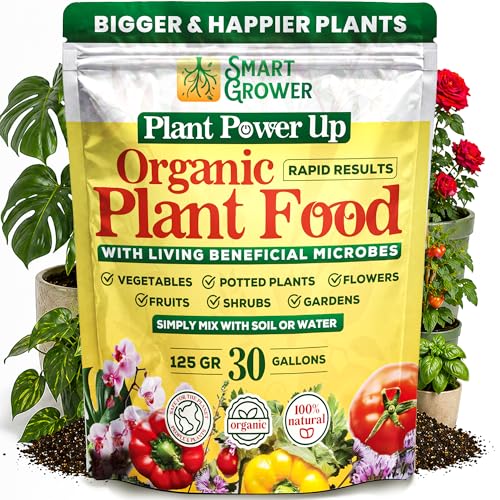
Smart Grower Organic Plant Food with Beneficial Microbes, 125GR is a concentrate that makes up to 30 gallons. Beneficial microbes are microscopic organisms included to support the soil environment around plant roots.
I see it as a sensible match for a varied collection, especially where one measured mix is easier than managing several specialty bottles. For small collections, the amount of prepared solution may take longer to use than a ready-to-spray option.
Real Benefits
- 125GR package makes up to 30 gallons.
- Beneficial microbes support a soil-centered approach.
- Concentrated format limits shelf space used by ready-mixed liquids.
- Works for indoor and outdoor plant routines.
Practical Considerations
- Powdered concentrates require measuring and mixing.
- Owners commonly store the container dry and sealed between uses.
- It may be more supply than a single small plant needs.
- Specialized plants can still require targeted products.
Feature Rundown
Perfect Match For
I would choose this for indoor gardeners caring for diverse soil-grown plants over a longer period.
Swap It Out When
Southside Air Plant Fertilizing Spray Fertilizer Mist Weekly Plant Food is the more suitable route for a dedicated air-plant collection.
Choosing Indoor Plant Nutrition With More Confidence
Match the Formula to the Plant
I separate general plant foods from specialized supplements before adding anything to a watering routine. A Cal-Mag product serves a different purpose from a complete feed, while orchid and air-plant formulas suit very specific growing habits.
Consider the Growing Medium
Soil, coco coir, and hydroponic systems hold water and nutrients differently. Coco coir and filtered water setups may call for closer mineral attention, while standard potting mixes often suit a balanced general formula.
Pick a Routine I Can Maintain
Liquid concentrates offer control but need measuring, mixing, and clean tools. Granules reduce routine work, while ready-to-use sprays fit a small collection with targeted needs.
Keep Water Quality in View
Tap-water conditioner belongs in a different category from fertilizer. I consider it for homes where plant care starts with municipal water, then add nutrition separately according to plant type and season.
Small Details That Shape Plant Care
Common Shopping Slip Ups
A common mistake is treating every yellow leaf as a fertilizer problem. I start with light, watering, drainage, and potting medium before adding more nutrients.
Where the Extra Money Goes
Higher-tier options often add concentrated formats, specialized mineral blends, slow-release delivery, or biological ingredients such as microbes and mycorrhizal fungi. I find those upgrades worthwhile for a larger collection or a defined growing setup, not necessarily for one hardy pothos.
Frequently Asked Questions
Are natural plant foods suitable for all indoor plants?
Different plants have different feeding needs, so no single formula suits every pot. I match the formula to the plant type, growing medium, and regular care routine.
How often should I feed indoor plants?
Feeding frequency depends on the plant, light exposure, season, and formula directions. I use a lighter approach during slower growth periods.
What does NPK mean on plant food?
NPK identifies nitrogen, phosphorus, and potassium in a fertilizer formula. The numbers show the relative proportion of each nutrient.
Can I use a tap-water conditioner instead of fertilizer?
A water conditioner prepares water but does not provide full plant nutrition. I treat it as a separate part of a broader plant-care routine.
Do air plants need a different fertilizer?
Air plants are epiphytes and do not grow in ordinary potting soil. I use a formula designed for their misting or soaking routine.
The Takeaway
I would start with the plant type and the routine I can realistically keep. FoxFarm Soil Liquid Trio Pack Big Bloom Grow Big Tiger Bloom suits hands-on care, while Smart Grower Bioactive Plant Fertilizer Granular Genius+ 200g fits a less frequent schedule. Targeted options make more sense for orchids, air plants, mineral support, or water preparation.
