

Sulfur matters most in gardens where soil runs alkaline and acid-loving plants struggle to access the nutrients already present. I narrowed this list around real garden needs, from blueberries and azaleas in raised beds to compacted lawn soil and container plants that need targeted feeding. I also included gypsum, iron, lime, and soil-building choices because a pH problem, nutrient shortage, and poor soil structure can look frustratingly similar from above ground.
A Snapshot Of The Selections

Earth Science Natural Bone Meal Plant Food
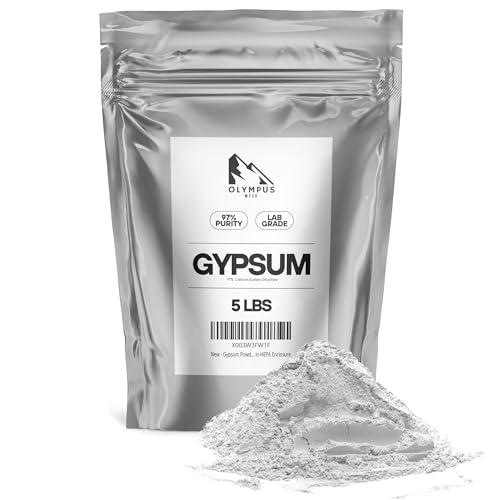
Olympus Myco 97% Pure Gypsum Powder, 5 lbs

Earth Science Fast Acting Lime Granules, 5lb

Earth Science RevitaSoil, 4lb Soil Revitalizer

Earth Science Natural Blood Meal Plant Food

ferti-lome 10665 Soil Acidifier Plus Iron, 1 gal

Earth Science Fast Acting Gypsum Granules, 5 lb

Earth Science IronPro Liquid Iron Concentrate, 32oz

Earth Science Fast Acting Sulfur Granules, 5lb

Earth Science IronPro Lawn Garden Iron Supplement, 5 lb
The Details Behind The Selections
Bone meal brings phosphorus into the plan, a nutrient tied to early root development and flowering. I see the clearest fit around bulbs, roses, flowering borders, trees, and shrubs where a granular amendment can be worked into soil before planting.
This 3-pound bag suits gardeners managing several containers or a modest flower bed. The honest read is that it complements sulfur work rather than replacing it, since bone meal does not target high soil pH.
A Strong Showing
- Supports root-focused planting for bulbs and ornamental beds.
- Granular format works neatly into planting holes and bed soil.
- Useful for gardeners building a broader nutrient routine.
Things To Consider
- Does not provide the direct pH reduction of sulfur granules.
- Dry meal needs a sealed, dry storage spot between garden tasks.
Who It Suits Best
I recommend it for flower gardeners planting bulbs, roses, shrubs, or young trees in soil that already has suitable pH.
Where Another Pick Suits Better
Earth Science Fast Acting Sulfur Granules suit gardeners whose soil results point to excessive alkalinity around acid-loving plants.
Gypsum is calcium sulfate dihydrate, a mineral source of calcium and sulfur that generally leaves soil pH largely unchanged. Olympus Myco presents a 97% pure powdered version, which makes sense for gardeners blending amendments into beds, lawns, or growing substrates.
Compared with Earth Science Natural Bone Meal Plant Food, this choice focuses more on soil texture and mineral support than flowering nutrition. I would reserve it for dense soil or a substrate that needs calcium and sulfur without a pH shift.
Notable Gains
- 97% purity gives the formula a straightforward mineral profile.
- Powder dissolves readily into moist soil or substrate mixes.
- Supplies calcium and sulfur without lime’s pH-raising role.
- Five pounds suits repeat use across several beds.
Worth Noting
- Fine powder can be messier to measure than granules.
- Owners commonly keep powdered amendments tightly closed to limit moisture clumping.
- It is not the targeted answer for alkaline soil.
Technical Sheet
Made For
I recommend it for gardeners mixing soil amendments into compacted beds, lawns, or mushroom-growing substrates.
Consider Something Else When
Earth Science Fast Acting Sulfur Granules suit blueberry and azalea beds where reducing pH is the primary job.
Lime belongs in this roundup as a useful contrast: it raises pH, while sulfur lowers it. Earth Science Fast Acting Lime comes as 5-pound granules intended to address overly acidic soil and add calcium for lawn and garden care.
I would consider it only after a soil result confirms low pH, especially in older lawns or beds receiving repeated acidic amendments. Its granular form is less fiddly than Olympus Myco gypsum powder, though it solves the opposite pH issue.
The Value In It
- Granules simplify spreading across lawn sections and open beds.
- Raises pH for plants limited by overly acidic soil.
Trade Offs
- Wrong fit for blueberries, azaleas, and other acid-loving plants.
- Application needs restraint because pH adjustments benefit from measured planning.
- Granules store more cleanly in a dry lidded container after opening.
Right Fit For
I recommend it for lawn keepers and vegetable gardeners working with confirmed acidic soil conditions.
Not Your Match When
ferti-lome 10665 Soil Acidifier Plus Iron suits established roses, gardenias, and hollies growing in alkaline ground.
Some beds need more than a single mineral amendment, particularly after seasons of heavy planting. Earth Science RevitaSoil combines natural nutrients with earthworm castings, the nutrient-rich material produced by worms, for soil rebuilding in indoor and outdoor growing spaces.
The 4-pound format covers up to 16 square feet, making it a measured option for a small vegetable patch or a group of containers. I see it as a companion to pH correction, not a substitute for Earth Science Fast Acting Sulfur Granules where soil is too alkaline.
Where It Helps
- Earthworm castings add organic matter to depleted planting areas.
- Natural nutrients support vegetables, flowers, and container plants.
- Sixteen-square-foot coverage suits focused garden restoration.
- Useful for refreshing soil before a new planting cycle.
- Works indoors and outdoors for flexible seasonal use.
Minor Gripes
- Coverage is modest for large in-ground gardens.
- Dry storage helps retain the loose texture needed for easy spreading.
Feature Snapshot
Who Will Love This
I recommend it for container gardeners and small-bed growers refreshing tired soil before planting flowers or vegetables.
Look Elsewhere When
Olympus Myco 97% Pure Gypsum Powder, 5 lbs suits gardeners focused specifically on calcium, sulfur, and soil structure.
Earth Science Natural Blood Meal Plant Food takes a different route from sulfur, providing nitrogen for leafy growth and compost balancing. Nitrogen is the nutrient plants use heavily for green stems and foliage, so this is more relevant to hungry vegetables, shrubs, and flowers than pH correction.
I like its practical role in compost piles layered with dry, carbon-heavy materials such as leaves. For most home gardens, it makes more sense as one part of a planned feeding approach than a catch-all amendment.
Where It Delivers
- Nitrogen-rich formula supports foliage-heavy garden growth.
- Useful in flowers, vegetables, trees, shrubs, and potted plants.
- Helps balance compost built around dry leaves or straw.
Room For Improvement
- Does not replace sulfur where alkaline soil needs correction.
- Organic meal has a noticeable odor, so covered storage is sensible.
- Measured application matters around plants that need restrained feeding.
- A 3-pound bag can disappear quickly in extensive vegetable gardens.
Who Should Grab It
I recommend it for vegetable gardeners and compost keepers seeking a nitrogen-focused amendment for small to medium plots.
A Better Fit Elsewhere
Earth Science RevitaSoil, 4lb Soil Revitalizer suits gardeners who need broad soil rebuilding rather than a nitrogen-forward addition.
ferti-lome 10665 is the targeted liquid choice for acid-loving plants planted in alkaline soil. Its concentrate combines sulfur with iron, zinc, magnesium, and copper, giving roses, gardenias, azaleas, and hollies a broader trace-element profile than Earth Science Fast Acting Sulfur Granules alone.
Because it is a gallon of concentrate, I see the strongest fit in established shrub borders rather than a few small pots. The liquid format supports precise dilution, although label directions deserve close attention before each application.
Useful Touches
- Combines soil acidification with iron and several trace elements.
- Liquid concentrate can be mixed for established planting areas.
- Designed around commonly grown acid-loving ornamentals.
- One-gallon volume suits ongoing landscape maintenance.
Points To Note
- Concentrate requires dilution rather than direct spreading.
- Large gallon containers need upright, temperature-moderate storage.
Quick Facts
Built With In Mind
I recommend it for gardeners maintaining established acid-loving shrub borders in alkaline soil.
Skip It When
Earth Science Fast Acting Lime Granules, 5lb suit lawns and beds confirmed to be overly acidic instead.
Compacted clay can turn watering into a slow surface puddle rather than a deep soak. Earth Science Fast Acting Gypsum Granules target that kind of soil, adding calcium while supporting a more workable structure and improved water movement.
Compared with Olympus Myco 97% Pure Gypsum Powder, this is the easier-handling route for broad garden applications because it arrives in granules. I would choose it for established beds or lawns where dense soil is the immediate concern.
Real-World Strengths
- Granules are easier to distribute across broad soil areas.
- Supports clay-loosening work for more workable garden beds.
- Calcium addition suits soil needing structure-focused care.
- Designed to support water penetration and root development.
- Also fits soil affected by salt buildup.
Softer Spots
- Does not lower pH in the way elemental sulfur does.
- Dense soil still benefits from organic matter and patient cultivation.
- Granules need a dry container after opening to remain easy to spread.
The Right Fit
I recommend it for gardeners facing hard clay beds, compacted lawn edges, or soil affected by accumulated salts.
Another Choice May Suit
Earth Science IronPro Lawn Garden Iron Supplement, 5 lb suits gardeners concerned chiefly with iron-related yellowing rather than dense soil.
Yellowing foliage does not always mean a plant needs more nitrogen. Earth Science IronPro Liquid Iron Concentrate is aimed at iron deficiency, commonly called chlorosis, where leaves lose green color because iron is not readily available to the plant.
The 32-ounce concentrate covers up to 4,000 square feet, so I see it fitting lawns and larger garden spaces more naturally than a handful of patio pots. It differs from ferti-lome 10665 by focusing on iron support rather than an acidifier-plus-micronutrient blend.
What Helps Most
- Liquid concentrate supports coverage across lawns and garden beds.
- Targets iron-related leaf yellowing without emphasizing nitrogen feeding.
- Suitable for grass, flowers, vegetables, and garden plants.
Small Caveats
- Iron support does not correct a pH issue by itself.
- Concentrate needs measured mixing and upright storage between uses.
- Smaller gardens may not need coverage sized for 4,000 square feet.
- Plant color changes can have several causes beyond iron availability.
Whose Shelf It Belongs On
I recommend it for lawn keepers and large-bed gardeners addressing likely iron-related yellowing across broad areas.
Reach For A Different Pick When
Earth Science Fast Acting Sulfur Granules, 5lb suit gardeners whose soil results show high pH around acid-loving plants.
This is the most direct match for gardens that need sulfur to lower overly high soil pH. Earth Science Fast Acting Sulfur Granules are built for acid-loving plants such as hydrangeas, azaleas, and blueberries, whose nutrient access can suffer in alkaline ground.
I appreciate the granulated format for raised beds and shrub borders because spreading is tidier than managing a fine powder. Soil pH is a measure of acidity or alkalinity, and I would always base adjustment work on a soil result rather than leaf color alone.
Why It Works Well
- Addresses the specific need to lower high soil pH.
- Granules are suited to neat application around established shrubs.
- Matches blueberries, azaleas, and hydrangeas well.
- Supports fertilizer effectiveness where alkalinity limits nutrient access.
- Five-pound bag fits several targeted bed applications.
- Nutri-Bond technology is intended to reduce nutrient runoff.
Areas To Watch
- Not appropriate for soil already on the acidic side.
- pH changes are gradual soil-management work, not a one-day fix.
Core Details
Best Suited To
I recommend it for gardeners with confirmed alkaline soil growing blueberries, azaleas, hydrangeas, or similar acid-loving plants.
Where A Sibling Pick Shines
Earth Science Fast Acting Gypsum Granules, 5 lb suit clay-heavy soil that needs calcium and improved workability without a major pH shift.
Earth Science IronPro Lawn Garden Iron Supplement is the dry alternative to the brand’s 32-ounce liquid iron concentrate. The 5-pound granular formula is made for grass, flowers, vegetables, and shrubs, covering up to 1,600 square feet.
Its chelation technology, a process that helps keep iron available for plant uptake, is the central distinction. I find granules especially practical for routine lawn and border maintenance where mixing liquid concentrate feels like an extra chore.
The Case For It
- Granular application suits recurring lawn and bed care.
- Covers up to 1,600 square feet per package.
- Supports grass, flowers, vegetables, and shrubs.
- Chelation technology focuses on improved iron availability.
Honest Caveats
- Does not serve as a sulfur-based pH-lowering amendment.
- Granules need even spreading for consistent coverage.
- Dry storage keeps the material loose for later use.
Key Attributes
Perfect Match For
I recommend it for gardeners maintaining lawns and mixed beds that need a dry iron supplement with straightforward coverage planning.
Swap It Out When
Earth Science IronPro Liquid Iron Concentrate, 32oz suits broad lawn areas where liquid application fits the existing care routine.
What Matters Before Choosing Sulfur Fertilizers for Plants
Start With Soil pH
I recommend starting with a soil result, especially before applying sulfur or lime. Sulfur is appropriate for soil that is too alkaline, while lime is for soil that is too acidic, and applying the wrong direction can complicate an already stressed bed.
Match the Amendment to the Problem
I separate pH correction from nutrient feeding. Earth Science Fast Acting Sulfur Granules address alkalinity, gypsum supplies calcium and sulfur without substantially shifting pH, and iron products focus on iron availability and leaf color.
Consider Application Format
Granules suit raised beds, shrub borders, and lawns where even spreading matters. Liquid concentrates fit established plantings and measured watering routines, though storage, mixing, and label-guided dilution take more attention.
Plan for the Garden Size
A 5-pound granular bag suits several smaller applications, while a gallon concentrate fits ongoing landscape care. I also consider whether a 4,000-square-foot liquid coverage estimate or a 1,600-square-foot granular coverage estimate matches the actual area under care.
A Few Soil-Care Decisions That Matter
Common Shopping Slip Ups
I avoid choosing sulfur based only on yellow leaves, since iron availability, compacted soil, and low nitrogen can create similar symptoms. A soil result separates an alkalinity issue from a nutrient or structure issue.
Where The Extra Money Goes
Higher-tier formulas may combine sulfur with iron and trace elements or use chelated iron to support plant uptake. I see the added complexity as worthwhile around established acid-loving shrubs or broad lawns with several soil-related needs.
Frequently Asked Questions
What does sulfur do for garden soil?
Sulfur can lower soil pH over time, helping correct alkaline conditions. Acid-loving plants often benefit most where a soil result confirms high pH.
Is gypsum the same as sulfur fertilizer?
Gypsum contains sulfur and calcium, but it generally does not lower pH like elemental sulfur. I consider it more of a soil-conditioning mineral amendment.
Can lime and sulfur be used together?
Lime raises pH while sulfur lowers it, so they serve opposing soil needs. I would only use either after confirming the soil condition first.
Which plants commonly need lower soil pH?
Blueberries, azaleas, hydrangeas, gardenias, and hollies are common acid-loving plants. Their needs still depend on the existing soil and local growing conditions.
Is liquid iron a substitute for sulfur?
Liquid iron addresses iron availability and related leaf yellowing. Sulfur targets high pH, which can be part of the reason iron becomes less available.
The Takeaway
I would choose Earth Science Fast Acting Sulfur Granules, 5lb for confirmed alkaline soil around acid-loving plants. Gypsum makes more sense for structure and calcium, while iron products fit color and nutrient-availability concerns. A simple soil result keeps the decision grounded and helps each amendment do the job it was made to do.
