

Spending a Saturday pulling weeds only to find a tick creeping up your forearm changes how you feel about your own lawn. Backyard gardens, wooded perimeters, and grassy play areas all turn into tick habitat at peak humidity, and synthetic sprays feel harsh around kids and dogs. Plant-based options have grown up. The eight natural tick repellents below cover everything from a tiny patio to a five-thousand-square-foot lawn, with formats that suit renters, parents, and pet households alike.
The Choices Worth Comparing

SCFKAOF Mosquito Repellent Outdoor Patio Balls 8-Pack

Cedarcide YardSafe Natural Tick Repellent 1 Quart

NATPAT TrailPatch Tick Repellent Stickers for Kids (48-Count)

Cedarcide Tickshield Tick & Flea Repellent Spray

Eco Defense Mosquito, Flea & Tick Yard Spray 5,000 sq ft

SUNDAY Cedar Oil Mosquito Yard Spray, Hose-On, 2-Pack
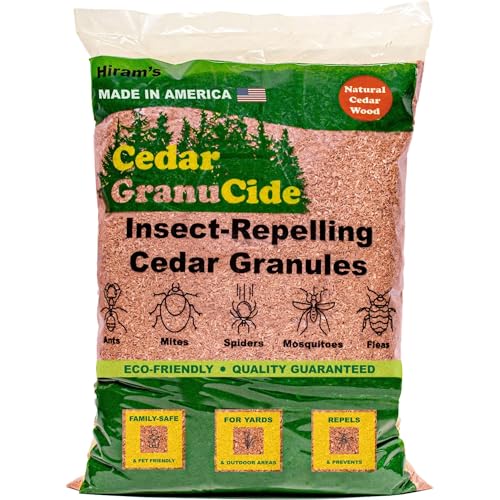
GranuCide Cedar Granules for Garden 8 lb Bag

SUNDAY Nix Ticks, Flea & Mosquito Yard Spray 32 oz 2-Pack
The Strengths Of Each Pick
A small balcony or patio rarely justifies a hose-end sprayer, and that is the gap these drop-in repellent balls are built to fill. You set the eight-pack around seating areas and let a plant-based scent diffuse outward, which keeps the setup totally tool-free for renters who want zero commitment.
Coverage is modest, so a single ball won’t save a half-acre lot, but it suits tent pads, picnic tables, and shaded porches where you linger in one spot. The format is genuinely portable, so tossing a couple in a camping tote works as well as leaving them in a planter.
Notable Gains
- Zero setup required, so you place them and walk away
- Compact enough to bring on camping trips or to a rental porch
- Plant-based scent appeals to anyone avoiding synthetic sprays indoors
- Eight balls let you spread scent around a seating zone
Trade-Offs Worth Weighing
- Coverage tops out around a small patio rather than a full yard
- Scent fades with time, so replacement is part of the routine
Who It Suits Best
Apartment dwellers and casual campers with a small outdoor seating area who want a passive, drop-in option.
Where Another Pick Suits Better
Anyone with a half-acre lawn and real tick pressure should look at the Cedarcide YardSafe instead, since the hose-end format covers far more ground.
The Cedarcide YardSafe hits the sweet spot for most suburban lots, and you simply attach the quart bottle to a garden hose and walk the perimeter. Cedar oil is the working ingredient, and the formula is designed around families with dogs who wander the yard all afternoon.
Compared to the patio balls above, this is a totally different scale of coverage. You treat up to five thousand square feet in a single session and return to the lawn right away, which matters when kids want to play before dinner.
A Strong Showing
- Treats up to five thousand square feet per application
- Hose-end attachment cuts out any mixing or measuring
- Cedar-based formula avoids harsh synthetic actives
- Suitable for households with children and pets when used as directed
Honest Caveats
- Reapplication is needed to keep tick pressure consistently low
- Cedar scent is noticeable during application, then fades
Feature Card
Made For
Suburban households with a fenced lawn, dogs in and out all day, and parents who’d rather avoid synthetic pesticide residues.
Skip It When
You only need a tiny patio setup, in which case the SCFKAOF repellent balls are a more proportionate choice.
Spraying a toddler with anything is a hard sell, and the NATPAT TrailPatch stickers sidestep the whole issue by sticking directly onto a hat, sleeve, or shoe. Each patch carries a blend of essential oils that releases scent without touching skin, which parents of scratchy, sensitive kids tend to appreciate.
The forty-eight count keeps a busy household supplied through a full summer of day hikes, soccer games, and backyard play. It works alongside a yard treatment like Cedarcide YardSafe rather than replacing it, so think of these as personal protection for the child, not the lawn.
The Helpful Details
- Sticks to clothing so there’s nothing to rub into skin
- Plant-based formula suits sensitive toddlers and young kids
- Forty-eight stickers stretch across many outings
- No reapplication mess after a snack break at the trailhead
Soft Spots
- Each patch has a limited active window and needs swapping
- Protects the wearer, not the lawn itself
Feature Card
Best Suited To
Parents of toddlers and young kids heading to wooded trails, parks, or backyard grass where direct skin sprays feel like too much.
Consider Something Else When
The tick problem lives in the lawn itself, where the Eco Defense yard spray handles the property rather than the person.
The Cedarcide Tickshield shifts the focus from lawn to person, and it’s designed to be sprayed directly on skin, clothing, and dogs over twenty pounds. Cedar and lemongrass oils do the heavy lifting, so the scent leans more herbaceous than chemical.
This is the bottle you toss in a daypack before a trail run or a long dog walk, and it complements a yard program like the Cedarcide YardSafe rather than competing with it. Think of Tickshield as portable armor, while YardSafe handles the property perimeter.
What Pays Off
- Safe for direct application on people and larger dogs
- Cedar and lemongrass scent appeals to anyone avoiding DEET
- Travel-friendly bottle fits in a backpack or glove box
- Doubles as a quick spritz on jackets before a hike
Practical Considerations
- Not formulated for dogs under twenty pounds
- Topical protection window is shorter than yard treatments
Feature Card
Whose Shelf It Belongs On
Hikers, trail runners, and dog owners who need personal protection layered on top of a yard routine.
Look Elsewhere When
You want a passive, no-skin-contact option for a toddler, which is exactly what the NATPAT TrailPatch stickers handle.
When the lawn already feels overrun and you can see ticks on the dog after a five-minute trip outside, the Eco Defense spray is built for that scenario. The hose-on bottle goes after adult insects and targets larvae and eggs in the same pass.
Coverage matches the Cedarcide YardSafe at up to five thousand square feet, but the Eco Defense leans into the knockdown side of pest control, which suits yards that have skipped a few seasons of treatment. There is no waiting time after application, so the family can stay on the lawn once the spray dries.
Standout Benefits
- Targets adult pests along with larvae and eggs
- Hose-on format eliminates pump-sprayer setup
- No re-entry wait after the spray dries
- Works as maintenance on a 30 to 45 day schedule
- Covers a five thousand square foot lot in a single bottle
Less-Strong Areas
- Stronger formula may bother scent-sensitive households during application
- Not designed for the smaller patio use case the SCFKAOF balls cover
Right Fit For
Homeowners returning to a yard after a bad tick season who want both a knockdown pass and a recurring maintenance plan.
A Better Fit Elsewhere
Anyone needing a cedar-only, gentler family formula may prefer the Cedarcide YardSafe for everyday use.
The SUNDAY hose-on spray leans on cedar and lemongrass oils to handle the mosquito side of the pest equation, and it doubles down with a two-pack format. For households already running a recurring yard routine, the second bottle is the one that prevents mid-summer scrambling.
Against the Cedarcide YardSafe single bottle, the SUNDAY package rewards consistency. The brand markets a four-week protection window, which lines up neatly with monthly applications through peak season.
A Few Highlights
- Two-pack format supports a recurring monthly schedule
- Hose-end attachment keeps application simple
- Cedar and lemongrass blend appeals to families avoiding synthetics
- Designed for people, pets, and the planet when used as directed
Some Limits To Know
- Skews more toward mosquitoes than ticks, so pair with a tick-focused product on heavy lots
- Two-pack takes up more storage space than a single quart
Feature Card
Built With In Mind
Homeowners who already treat the yard monthly and want a multi-pack they don’t have to reorder mid-summer.
Reach For A Different Pick When
Ticks are the main concern rather than mosquitoes, where the SUNDAY Nix formula is the better-targeted match.
The GranuCide cedar granules flip the script and turn pest control into mulch work. You spread the eight-pound bag along garden borders, foundation lines, and play-set perimeters, and the cedar aroma releases as the chips weather.
Compared to the hose-end sprays above, this is a slower, more passive approach. The trade-off is longevity and scent, since cedar chips keep releasing their aroma far longer than a single spray application.
What It Does Well
- Doubles as mulch, so it fits into routine garden bed work
- Untreated cedar suits family and pet households
- Cedar scent doubles as a pleasant garden aroma
- Reaches the borders and edges sprays can miss
Trade-Offs To Consider
- Slower release than a hose-on spray, so plan ahead
- Coverage depends on how wide a border you spread, so an eight-pound bag won’t treat a full lawn
The Right Fit
Gardeners who want to layer pest defense into mulching and perimeter upkeep rather than running a spray routine.
Not Your Match When
You need broad-acre knockdown quickly, where the Eco Defense hose-on spray covers a lot faster.
The SUNDAY Nix is the cedar-oil spray aimed specifically at ticks, which makes it the right call for properties bordering woods. The two-pack covers a tick-heavy lot across multiple rounds, and the formula is designed to kill and repel rather than just repel.
Against the SUNDAY Mosquito Yard Spray earlier in this list, Nix is the more targeted sibling. It uses cedarwood oil as the active ingredient and is formulated for households with kids and pets in mind.
Reasons It Performs
- Built around ticks first, with fleas and mosquitoes included
- Plant-based cedarwood oil avoids synthetic pesticides
- Two-pack supports a season-long schedule on wooded lots
- Kids and pets can return to the yard once the spray dries
Where It May Fall Short
- More expensive per ounce than basic hose-on options
- Two-pack format means more upfront storage than a single bottle
Perfect Match For
Homeowners on wooded lots where ticks dominate the pest pressure and a cedar-based, family-aware formula is the priority.
Swap It Out When
You mainly need a personal spray for hikes and dog walks, where the Cedarcide Tickshield is a more proportionate fit.
Choosing The Right Natural Tick Repellent For Your Yard
The first call is always format. Hose-on sprays cover large lawns fast, granules fit into garden bed maintenance, and personal products handle the trail. The second call is active ingredient, since cedar and lemongrass oils are the two most common plant-based approaches and they tend to blend rather than compete.
Yard size matters more than people expect. A patio with two chairs does not need five thousand square feet of coverage, and a half-acre lawn gets nowhere fast with a drop-in ball. Match the format to your actual footprint first, then layer on personal protection for kids and pets.
Finally, weigh re-entry time. Cedar-based formulas typically allow play once the spray dries, while heavier knockdown options may require more caution. Households with dogs who run straight into the yard after a walk should bias toward formulas that dry quickly and clear re-entry fast.
Key Considerations Across These Picks
Traps First Timers Fall Into
Choosing by coverage area alone is the most common slip. A five thousand square foot rating is meaningless if your actual lawn is nine hundred square feet and half of that is patio. Measure the lawn first, then match the bottle. The second trap is treating the yard once and expecting season-long results. Plant-based formulas need reapplication on a roughly monthly cadence to hold up against tick pressure, and skipping the second pass is the usual reason the first one “stopped working.”
Where The Extra Money Goes
Higher-tier cedar blends tend to spend on more refined essential oil sourcing and tighter formula balancing, which can translate to a more consistent release rate and a less harsh scent during application. Two-packs cost more upfront but they buy convenience through the season, since you avoid mid-summer reorders. The honest read is that paying more usually gets you better scent, smoother reapplication timing, and clearer pet-and-kid labeling rather than dramatically stronger pest knockdown.
Frequently Asked Questions
How often do natural tick repellents need to be reapplied?
Most hose-on formulas work best on a roughly thirty-day schedule during peak tick activity, though wooded lots may need a tighter cadence.
Are cedar oil sprays safe around dogs and cats?
Cedar and lemongrass blends are commonly labeled for use around pets, though cats are more sensitive to essential oils than dogs, so check the label for species guidance.
Can I use granules and a spray together?
Yes. Granules handle borders and garden beds where sprays drift poorly, while a hose-on covers open lawn areas in one pass.
Will natural repellents work in heavy rain?
Rain dilutes surface coverage, so a post-storm reapplication is wise if a heavy downpour lands within a day or two of treatment.
Do these products handle mosquitoes too?
Most cedar-based formulas target mosquitoes as a secondary benefit, but mosquito-heavy yards may benefit from pairing with a dedicated mosquito blend.
Bottom Line
Your yard, your routine, and your household all push the choice in different directions. A wooded lot with active ticks calls for the SUNDAY Nix or Cedarcide YardSafe, a small patio is best served by the SCFKAOF balls, and a layered family setup often pairs a yard spray with personal products like NATPAT patches and Cedarcide Tickshield. Pick the format that fits your footprint, stay consistent with reapplication, and treat the edges where ticks actually travel in from.
